
🧭 What to Expect
- Ideal for those seeking medieval and Roman history away from mass tourism.
- Highlights: 15 Norman and Swabian castles, Roman archaeological sites and hilltop villages.
- Unique experience: interactive map with all stops and ethnographic museums like the Arbëreshe one.
- Complete your visit with: breathtaking panoramas over the Lucanian mountains and authentic local flavors.
Events nearby

The Province of Potenza is a mountainous and authentic territory, far from the most beaten tourist routes. Here you'll find Norman castles like those in Melfi and Lagopesole, which tell centuries of history. The Roman archaeological sites of Grumentum and Venosa take you back in time, while villages like Pietrapertosa offer breathtaking panoramas. It's a destination for those seeking untouched nature and genuine traditions, with products like Senise peppers and Agri Valley wines. Perfect for a slow travel experience, away from the crowds.
Overview
- Melfi Castle
- Castel Lagopesole
- Grumentum Archaeological Park
- Castello Pirro del Balzo Orsini
- National Archaeological Museum of Venosa
- Pietrapertosa Castle
- The Christ the Redeemer Statue of Maratea
- Caracciolo Castle of Brienza
- Muro Lucano Castle
- San Michele Abbey
- Cancellara Castle
- Monteserico Castle
- Museum of Arbëreshë Culture
- Norman Castle of Oppido Lucano
- Moliterno Castle
Itineraries nearby


Melfi Castle
- Go to the page: Melfi Castle: Norman fortress with archaeological museum and panoramic views
- Via di Porta Calcinaia, Melfi (PZ)
- https://museomassimopallottino.beniculturali.it/il-castello-di-melfi/
- Open in Google Maps
- View on Google Images
 The Melfi Castle dominates the city's landscape from its hilltop, an imposing structure that recounts centuries of Lucanian history. Built by the Normans in the 11th century, this castle has witnessed the passage of Swabians, Angevins, and Aragonese, becoming one of the most important strongholds in Southern Italy. Its strategic position, controlling the Appian Way and the surrounding valleys, made it a crucial power center for territorial dominance. Today, you can admire its square towers silhouetted against the sky, the crenellated walls, and the moat that still surrounds part of the structure. Inside, the National Archaeological Museum of Melfi houses artifacts of extraordinary value, including the famous Tomb of the Prince of Melfi with its complete funerary assemblage. Don't miss the Throne Room, where Frederick II of Swabia promulgated the Constitutions of Melfi in 1231, a legislative code that revolutionized the organization of the state. The visit allows you to walk along the patrol paths, offering a breathtaking view of Mount Vulture and the surrounding plain. The castle is perfectly preserved despite the earthquakes that have struck the area, thanks to continuous restoration efforts. For those visiting Basilicata, it represents an essential stop to understand the region's historical and architectural evolution.
Melfi Castle
Castel Lagopesole
- Go to the page: Castel Lagopesole: Frederick II's Fortress with 360° Views over Basilicata
- Corso Federico II di Svevia, Avigliano (PZ)
- https://www.castellodilagopesole.com/
- Open in Google Maps
- View on Google Images
- +39 0971 86083
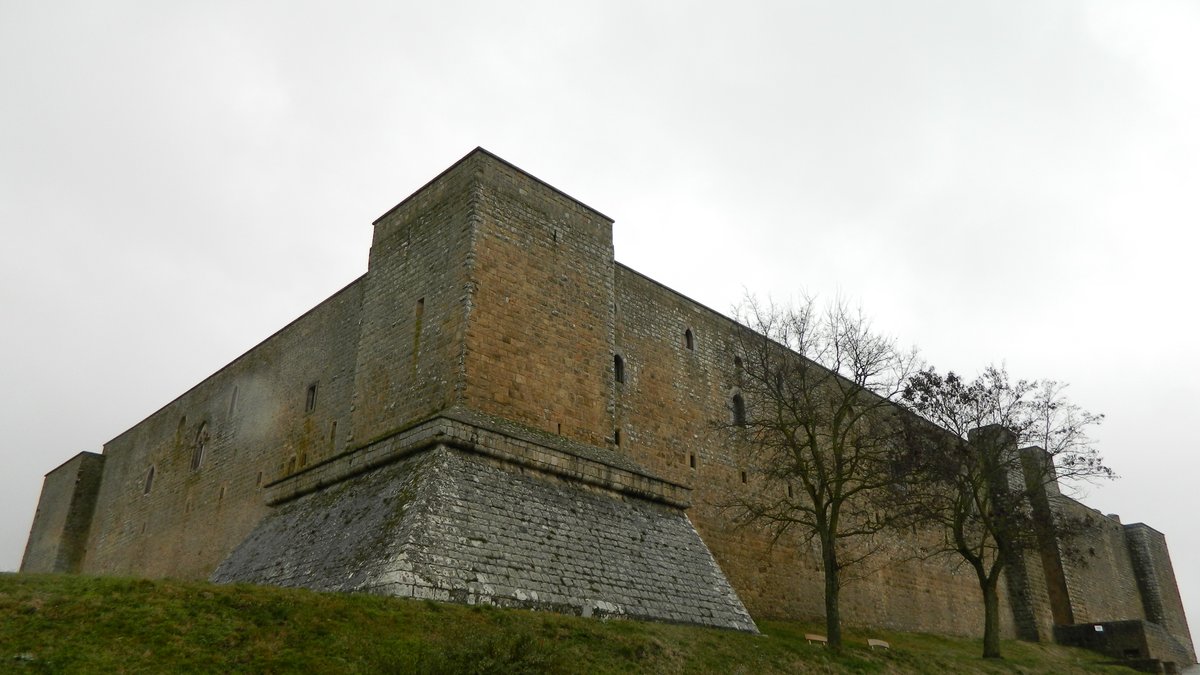 If you're looking for a place that tells the unfiltered story of Basilicata, Castel Lagopesole is an essential stop. This imposing castle, situated on a hill at 820 meters above sea level in the municipality of Avigliano, was commissioned by Frederick II of Swabia in the 13th century and represents the only example of the emperor's summer residence in the entire region. Unlike other Frederick II castles, here you'll find a unique floor plan: a courtyard divided into two sections, one dedicated to private quarters and the other to public functions, with a still-intact palatine chapel. Walking through its halls, you'll notice traces of different eras: from Angevin renovations to evidence of its use as a fortress during post-unification brigandage. Today, the castle is a vibrant cultural hub: it hosts temporary exhibitions, food and wine events, and the Museum of Brigandage, which explores a crucial chapter in Lucanian history. The view from the tower is breathtaking: you can glimpse the Vitalba Valley and, on clear days, Mount Vulture. For a complete visit, combine exploring the fortress with a stop in the nearby villages of Avigliano or Filiano, where you can sample local pecorino cheeses and cured meats. The takeaway? A site that combines history, culture, and tradition, perfect for those who want to understand the authentic soul of Basilicata.
Castel Lagopesole
Grumentum Archaeological Park
- Go to the page: Grumentum: 6,000-Seat Roman Amphitheater and Intact Baths in Basilicata
- SPEXSS103, Grumento Nova (PZ)
- https://cultura.gov.it/luogo/parco-archeologico-di-grumentum
- Open in Google Maps
- View on Google Images
- drm-bas.museogrumentonova@cultura.gov.it
- +39 0975 65074
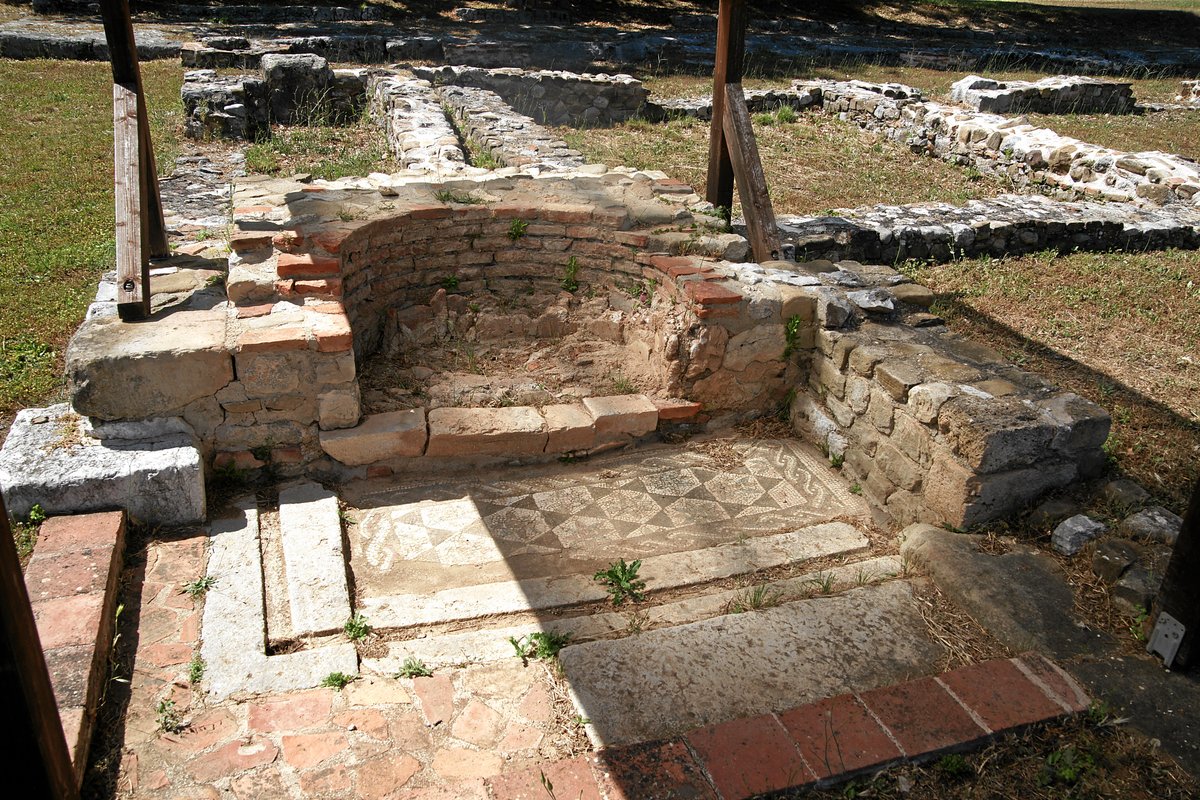 If you're looking for a place where history comes alive amidst the Lucanian landscapes, the Grumentum Archaeological Park is an unmissable stop. This site, located in Grumento Nova, preserves the remains of one of the most important Roman cities in Basilicata, founded in the 3rd century BC. Strolling through the ruins, you'll admire the Roman amphitheatre, one of the best preserved in Southern Italy, which once hosted gladiator battles and spectacles for thousands of spectators. Nearby, the remains of the forum, baths, and theatre tell the story of daily life in a strategic settlement along the Via Herculea. Don't miss the National Archaeological Museum of Alta Val d'Agri, attached to the park, where artifacts like coins, ceramics, and sculptures reconstruct the history of the territory from prehistory to the medieval era. The site is easily walkable, with well-marked paths that allow you to explore the different areas at your own pace. For a complete experience, visit during the cooler hours of the day and bring a water bottle: the summer climate in Basilicata can be sultry, but the view of the surrounding hills makes every effort worthwhile. If you're passionate about archaeology, you'll find a corner of Rome away from the crowds, ideal for a day trip or to enrich an itinerary in the region.
Grumentum Archaeological Park
Castello Pirro del Balzo Orsini
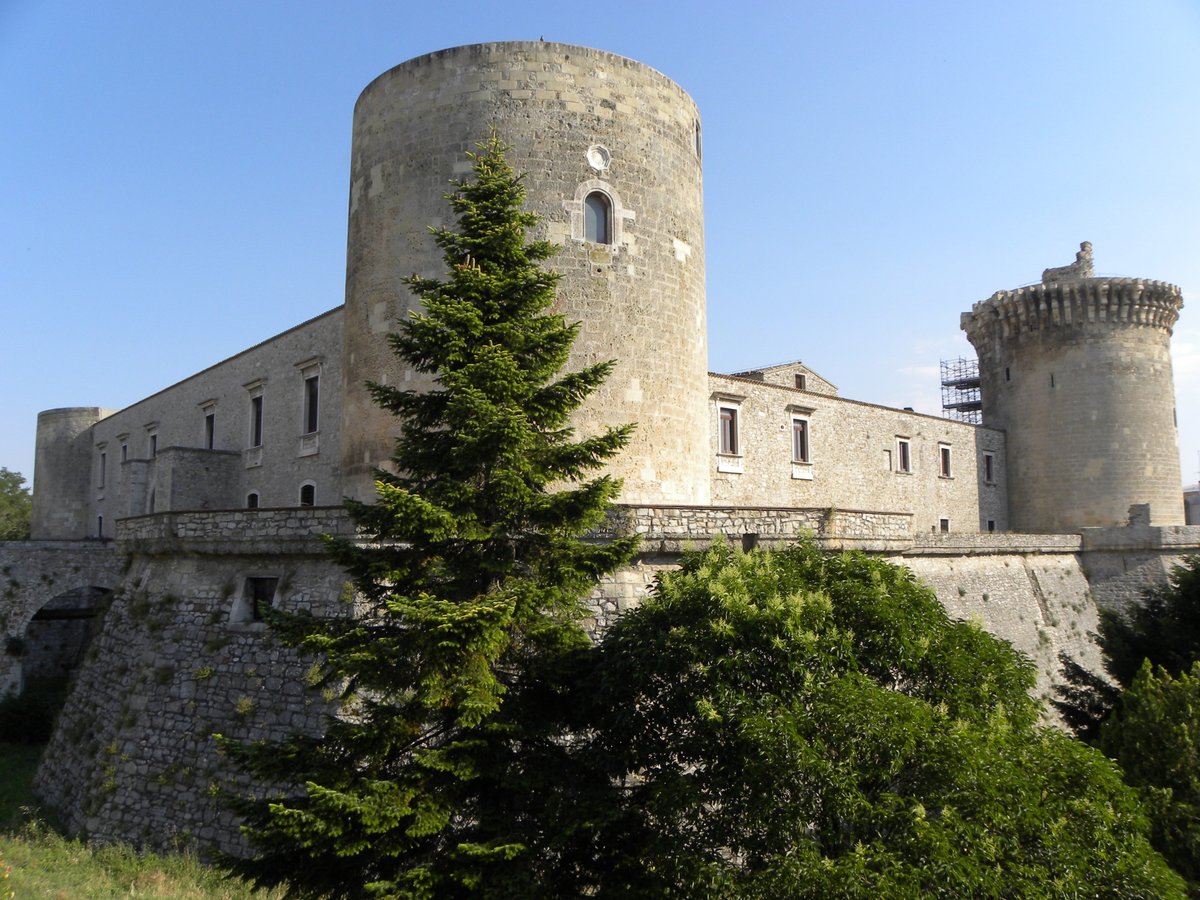 The Castello Pirro del Balzo Orsini dominates Venosa's historic center with its imposing 15th-century structure, commissioned by Pirro del Balzo in 1470. This is not just a monument, but a true symbol of feudal power in Basilicata. Its massive architecture, with corner towers and moat, instantly transports you to the era of conflicts between local lordships. Today it houses the National Archaeological Museum of Venosa, which preserves unique artifacts like the Heraclea Tablets and evidence from the 3rd century BC Latin colony. Climbing the towers, the view stretches across the Vulture hills and the Abbey of the Trinity, creating a perfect blend of history and landscape. Its strategic location, just steps from the Roman amphitheater and Jewish catacombs, makes it an ideal starting point for exploring Venosa's cultural layers. Admission is charged, but the combined ticket with the archaeological park offers excellent value for money. I recommend visiting in the morning to enjoy the best light on the golden stones and avoid the afternoon crowds.
Castello Pirro del Balzo Orsini
National Archaeological Museum of Venosa
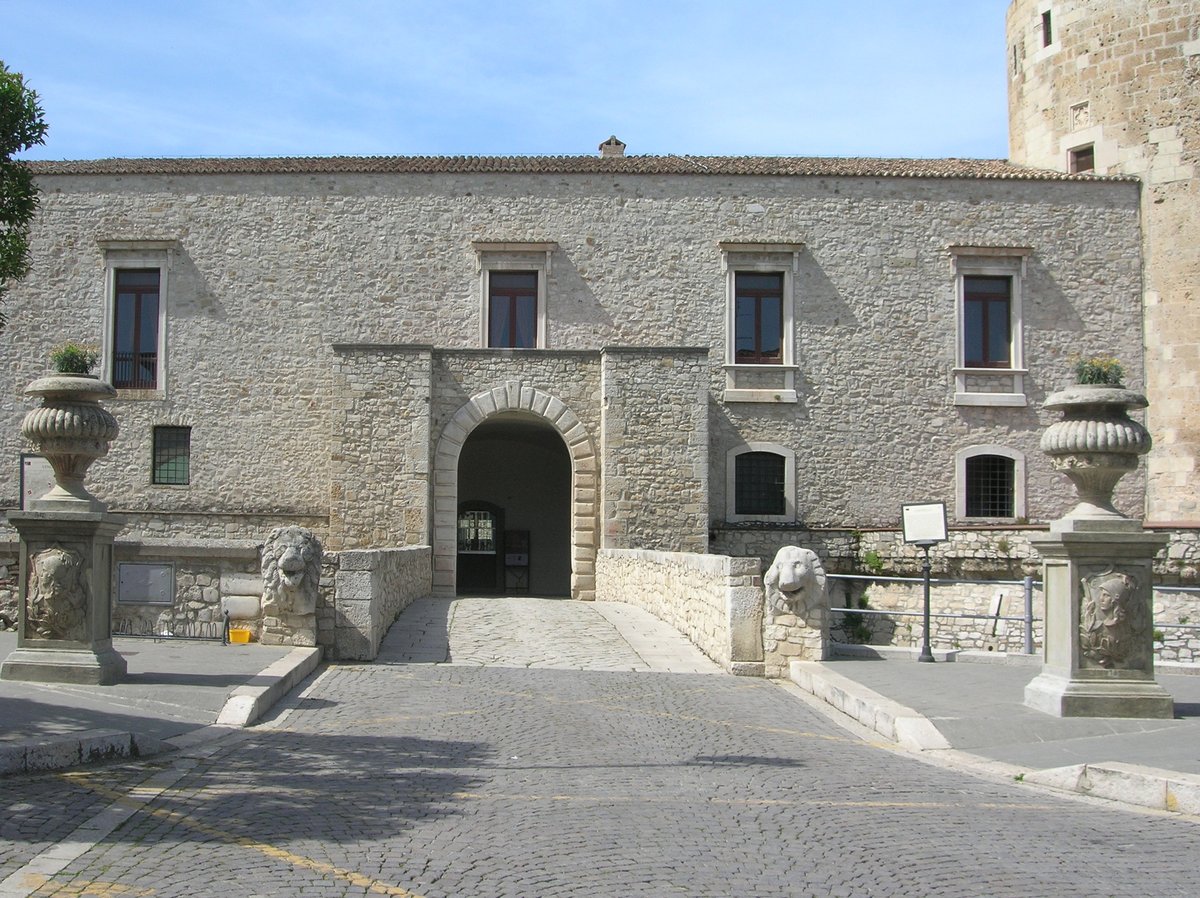 If you visit Venosa, the National Archaeological Museum is an essential stop to truly understand the history of this area of Basilicata. This isn't your typical dusty museum: here you'll find yourself face to face with artifacts that tell the story of daily life in ancient Venusia, the Roman city that was the birthplace of the poet Horace. The collection is housed in the Castle of Pirro del Balzo, a 15th-century building that's worth visiting in its own right. Inside, you'll be struck by the polychrome mosaics from Roman domus, the inscriptions testifying to the Jewish presence in the local catacombs, and the burial goods from the necropolises. Particularly fascinating is the section dedicated to the pre-Roman era, with artifacts from the Lucanian peoples who inhabited these lands before the Romans arrived. The museum is well-organized, with clear explanatory panels that guide you through the centuries without making you feel overwhelmed. A practical tip: purchase the combined ticket that also includes access to the Venosa Archaeological Park, so you can see firsthand the remains of the amphitheater and baths you admired in the museum. For visitors with reduced mobility, access is guaranteed on the ground floor, while families can enjoy simplified routes that make history appealing even for the little ones.
National Archaeological Museum of Venosa
Pietrapertosa Castle
- Strada Provinciale di Pietrapertosa, Pietrapertosa (PZ)
- https://www.comune.pietrapertosa.pz.it/it/item.asp?nav=castello
- Open in Google Maps
- View on Google Images
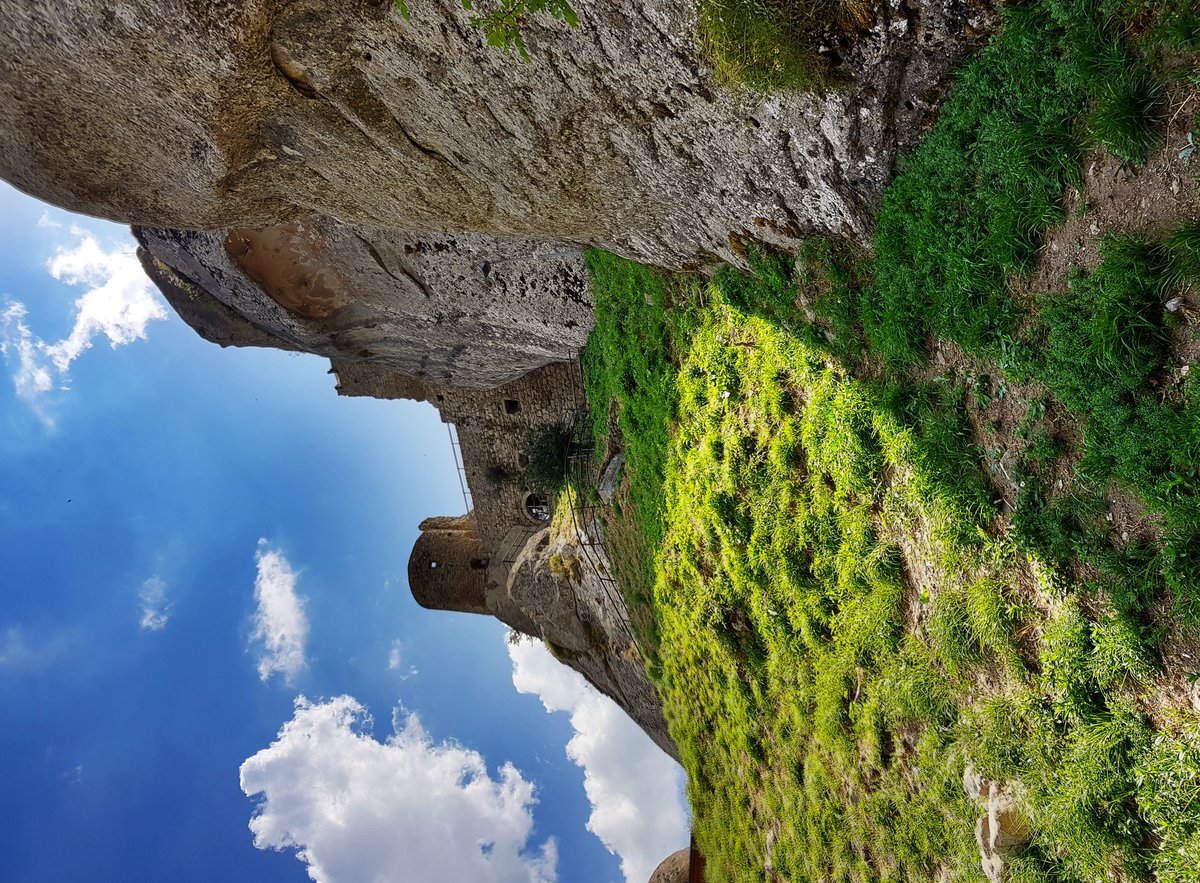 Pietrapertosa Castle dominates the village from its 1088-meter height, perched on a rocky spur that seems to defy gravity. This Norman-Swabian fortress, built between the 11th and 12th centuries, is not just a historical monument but an immersive experience in the most authentic Basilicata. The local stone walls blend with the dolomitic rock, creating an organic architecture that appears to grow from the mountain itself. Climbing toward the castle through the village alleys, you'll discover cisterns for rainwater collection and defensive systems that narrate centuries of history. The strategic position allowed control over the Basento Valley and communication routes toward Puglia. Today, what remains - towers, walls, and the ruins of the keep - offers breathtaking views of the Lucanian Dolomites, with panoramas stretching to Vulture and the Apennines. The unique feature? The castle is also accessible via the Path of the Seven Stones, a trail that combines history and nature. For the best visit, check the seasonal opening hours and consider pairing it with the nearby village of Castelmezzano, reachable via the Flight of the Angel.
Pietrapertosa Castle
The Christ the Redeemer Statue of Maratea
- Ferrata del Redentore, Maratea (PZ)
- Open in Google Maps
- View on Google Images
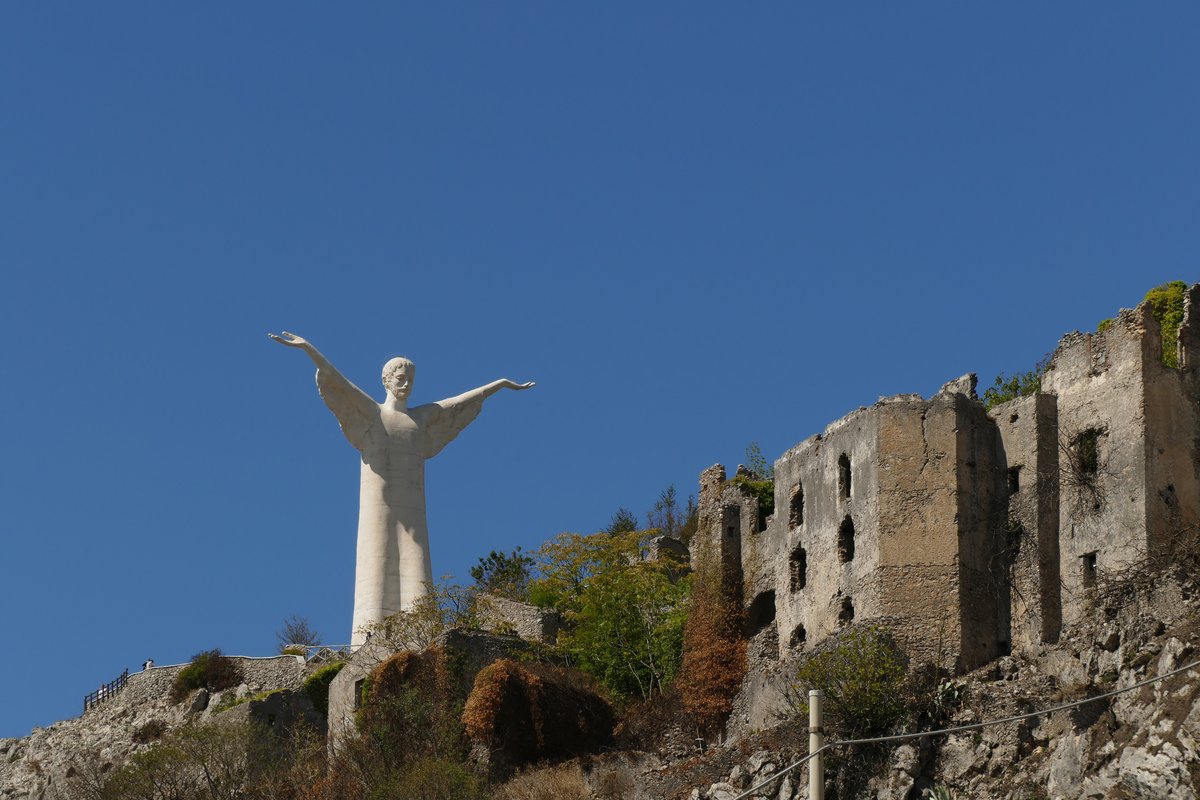 Reaching the Christ the Redeemer Statue of Maratea is an unforgettable experience. This 21-meter-high colossus, made of reinforced concrete covered in Carrara marble, stands atop Mount San Biagio at 300 meters above sea level. What makes it special? It's the tallest statue in Italy after the Christ the Redeemer of Rio de Janeiro, but here you can see it from a unique perspective: you can literally walk around it and admire the details of the face and the arms outstretched in a welcoming gesture. The climb to the statue, which can be reached via a scenic trail or by car to the parking area below, offers breathtaking views of the Gulf of Policastro and the coasts of Basilicata and Calabria. Once up there, besides the statue itself, you'll find the remains of the ancient Basilica of San Biagio, built where a pagan temple dedicated to Minerva once stood. The best time to visit? At sunset, when the sun's rays tint the marble statue pink and the sea below lights up with golden reflections. Bring a camera because the photos you take from up here are worth the trip alone. A practical tip: wear comfortable shoes to explore the surrounding area and don't forget a water bottle, especially in summer.
Christ the Redeemer Statue
Caracciolo Castle of Brienza
- Go to the page: Caracciolo Castle of Brienza: Medieval Fortress Overlooking the Melandro Valley
- SS95, Brienza (PZ)
- Open in Google Maps
- View on Google Images
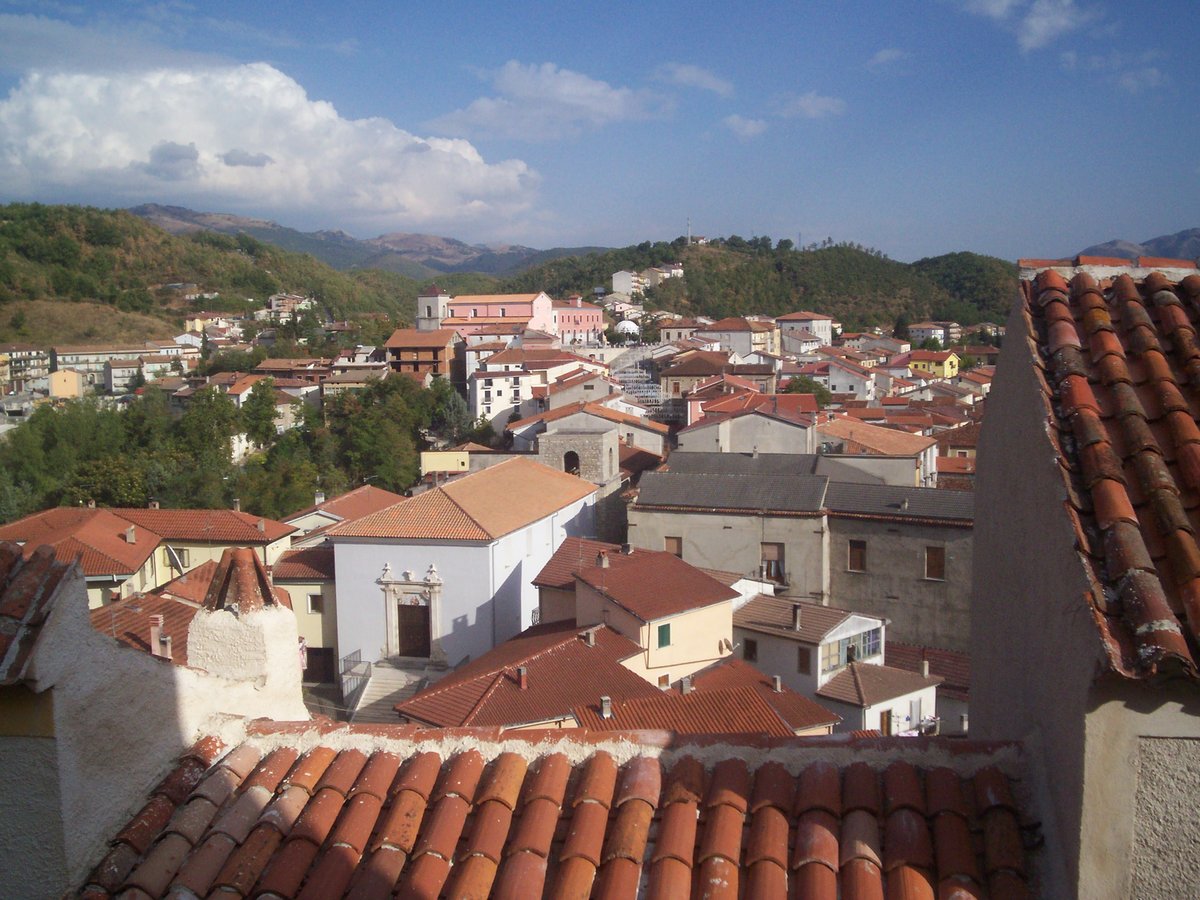 The Caracciolo Castle stands majestically on a rocky spur overlooking the entire village of Brienza, offering one of the most spectacular views in Basilicata. Built between the 11th and 12th centuries, this Norman-Angevin fortress has maintained its original structure intact despite subsequent modifications. What immediately catches the eye is the imposing cylindrical tower that rises proudly, a symbol of the feudal power once exercised here. Walking through its halls, you can still breathe the medieval atmosphere: from the prisons carved into the rock to the noble halls with their monumental fireplaces. The castle is closely linked to the figure of Saint Anthony of Padua, who stayed here in 1222, leaving behind a spiritual legacy that remains tangible today. Now, after careful restoration, the manor hosts cultural events and exhibitions, becoming a vibrant hub for the community. Its strategic position allows you to take in the entire Melandro Valley with your gaze, a panorama that alone makes the visit worthwhile. For those who want to delve deeper, guided tours can be booked that reveal historical anecdotes and architectural curiosities, such as the distinctive cross-shaped arrow slits in the defensive walls. A practical tip: the climb to the castle is steep but short, so wear comfortable shoes and bring a camera to capture unique views.
Caracciolo Castle
Muro Lucano Castle
- Via Santa Maria del Carmine, Muro Lucano (PZ)
- Open in Google Maps
- View on Google Images
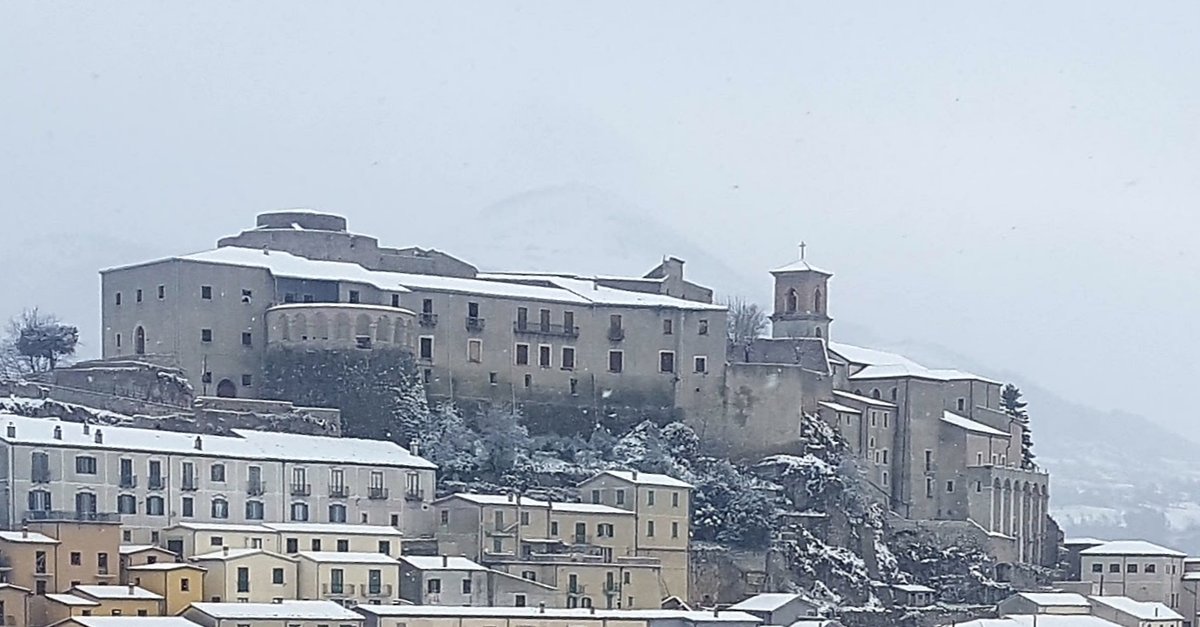 The Muro Lucano Castle dominates the medieval village from its 600-meter height, offering one of the most spectacular views in Basilicata. Built between the 11th and 12th centuries by the Normans, this fortress has witnessed centuries of history: it served as a residence for Frederick II of Swabia and was the stage for Charles I of Anjou's siege in 1268. Today, it stands as an imposing complex with well-preserved cylindrical towers and walls that narrate Norman, Swabian, and Angevin architectural layers. Its strategic position on Sant'Angelo Hill was no coincidence: it controlled the Melandro Valley and communication routes toward Naples. Inside, the restored spaces host temporary exhibitions and cultural events, while the patrol walkways offer 360-degree views of the Lucanian Apennine mountains and the rooftops of the village below. Particularly evocative is the access through the ancient city gate, which leads into a maze of cobblestone alleys climbing toward the castle. For those visiting the province of Potenza, this site represents a tangible example of how Basilicata preserves its historical gems intact, away from mass tourism flows. The castle is open year-round, with extended hours during spring and summer.
Muro Lucano Castle
San Michele Abbey
- Laghi di Monticchio, Atella (PZ)
- http://www.badiasanmichele.it/badiasanmichele/Homepage.html
- Open in Google Maps
- View on Google Images
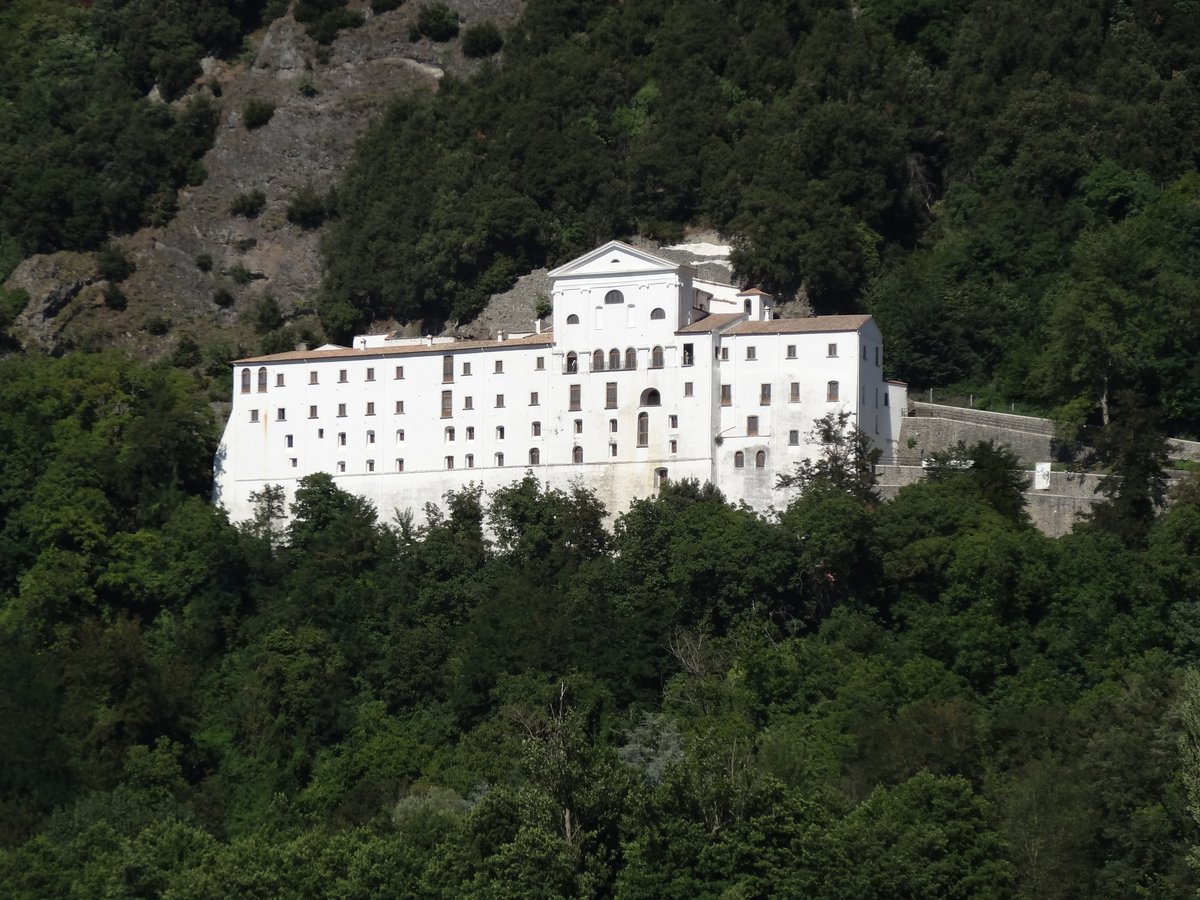 If you're looking for a place where time seems to have stood still, San Michele Abbey in Atella is the perfect answer. This Benedictine monastic complex, founded in the 11th century, welcomes you with its perfectly preserved Romanesque architecture, a rare example of how spirituality and art have merged over the centuries in Basilicata. The façade of local stone, simple yet elegant, conceals breathtaking interiors: the semicircular apse with still-vivid 14th-century frescoes tells stories of saints and martyrs, while the single nave transports you to an atmosphere of authentic contemplation. Don't miss the inner cloister, where carved capitals display monastic symbols and zoomorphic figures that speak of the monks' daily life. The abbey was for centuries a landmark for pilgrims along the Southern Via Francigena, and today it continues to attract visitors for its mystical aura. The location, on a gentle hill overlooking the countryside of Atella, offers moments of pure contemplation. Always check the opening hours, as visits are often guided by local volunteers who know every detail of this place's history. Bring a camera with you: the light filtering through the single-light windows creates breathtaking plays of shadow, especially in the early afternoon.
San Michele Abbey
Cancellara Castle
- Piazza Sedile, Cancellara (PZ)
- Open in Google Maps
- View on Google Images
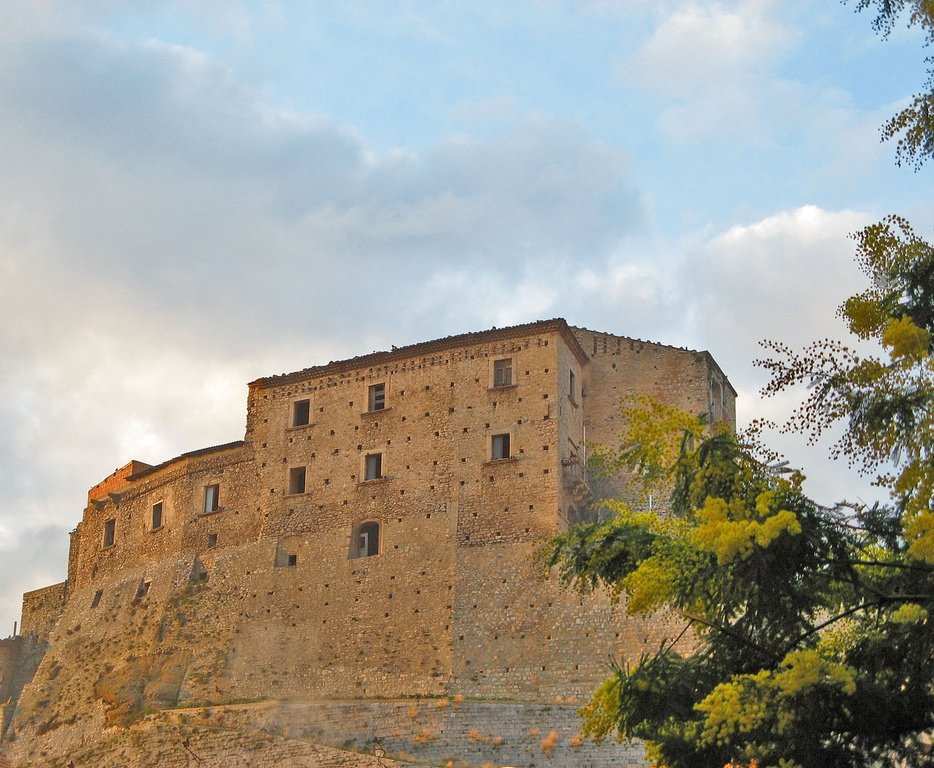 The Cancellara Castle stands majestically on the hill overlooking the namesake village, offering a breathtaking panoramic view of the Basento Valley. Built between the 11th and 12th centuries, this Norman fortress has preserved its original structure intact despite subsequent modifications. The striking feature that immediately catches the eye is the quadrangular tower that rises imposingly, perfectly preserved and visible right from the village entrance. Walking along the perimeter walls, you can still see the stone corbels that once supported the defensive structures. Access to the castle is free and easily reached on foot from the historic center, following the characteristic cobblestone alleys. Inside the courtyard, the remains of the cisterns for rainwater collection testify to the ingenuity of the ancient builders. The castle has recently undergone consolidation works that have improved its accessibility while preserving its ancient charm. During your visit, don't miss climbing the tower: from up there, your gaze stretches to the Maddalena mountains and, on clearer days, you can even spot Mount Vulture. A practical tip: visit in the late afternoon, when the warm sunlight enhances the colors of the local stone and creates spectacular shadow plays on the walls.
Cancellara Castle
Monteserico Castle
- Strada provinciale Marascione - Lamacolma, Genzano di Lucania (PZ)
- https://www.beniculturali.it/mibac/export/MiBAC/sito-MiBAC/Contenuti/MibacUnif/Eventi/visualizza_asset.html_2113907389.html
- Open in Google Maps
- View on Google Images
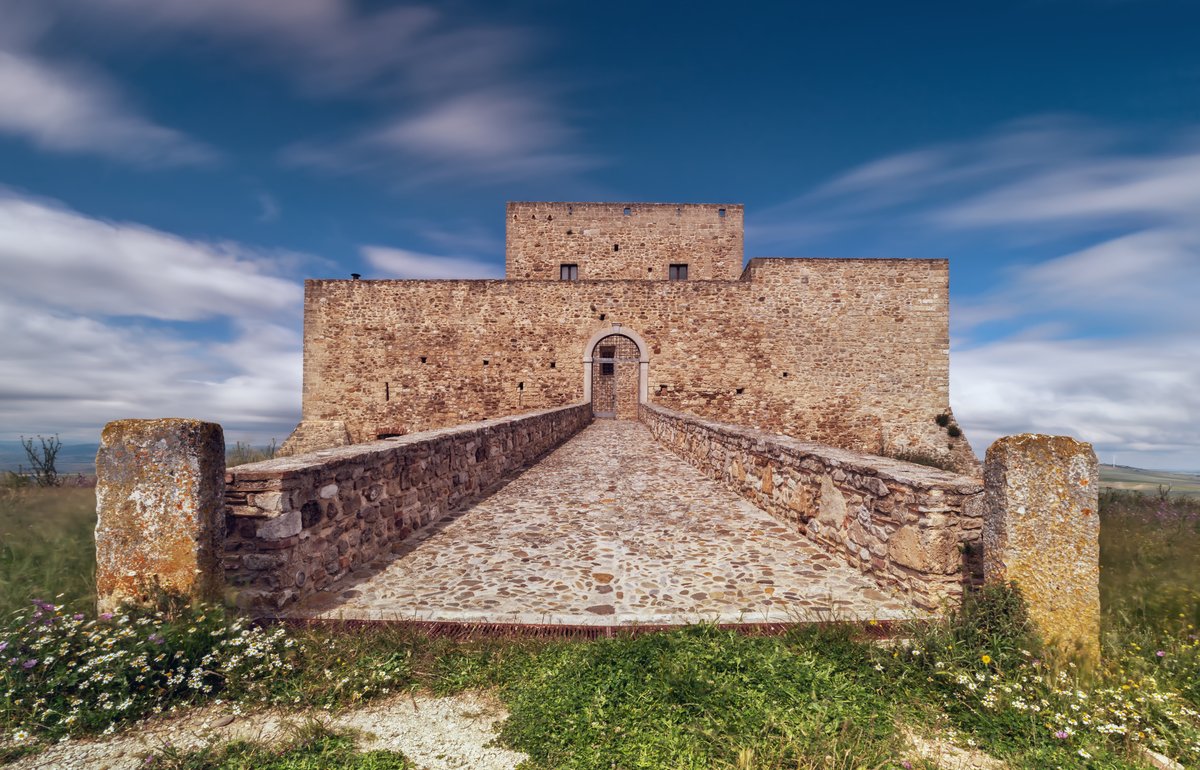 Monteserico Castle stands atop a hill at 592 meters above sea level, just a few kilometers from Genzano di Lucania. This Norman-Swabian fortress, built between the 11th and 12th centuries, represents one of the most important examples of medieval military architecture in Basilicata. Its strategic position allowed control over the Basento valley and communication routes toward Apulia. Today you can admire the imposing perimeter walls, the central keep, and the remains of the corner towers that testify to its defensive function. Access is via a dirt path that winds through olive groves, offering spectacular views of the Lucanian hills and surrounding clay badlands. Inside, despite its ruined state, you can still sense the medieval atmosphere, with spaces once used for the garrison and stables. The visit is particularly evocative at sunset, when the golden light enhances the ancient stones. Remember to wear comfortable shoes for the approach path and bring water, especially in summer. The castle is always freely accessible and represents an unmissable stop for those seeking authenticity away from tourist crowds.
Monteserico Castle
Museum of Arbëreshë Culture
- Via Regina Margherita, San Paolo Albanese (PZ)
- Open in Google Maps
- View on Google Images
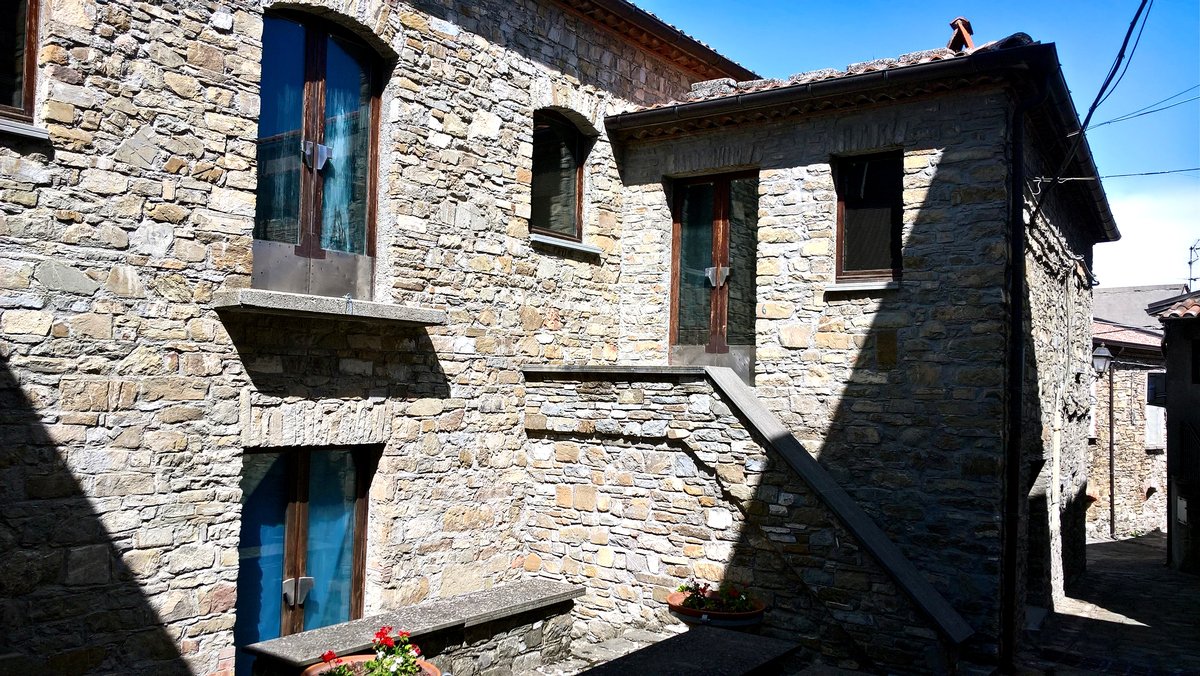 The Museum of Arbëreshë Culture in San Paolo Albanese is a true journey through time that takes you to discover one of the most fascinating communities in Basilicata. Located in the heart of the small Lucanian village, this ethnographic museum tells the story of the Albanians who arrived in Italy between the 15th and 18th centuries, preserving intact traditions that have been lost elsewhere. The exhibition is divided into several thematic sections that reconstruct the daily life of the Arbëreshë: from wool processing to traditional looms, from agricultural tools to hand-embroidered traditional costumes. Particularly interesting is the section dedicated to the Arbëreshë language, still spoken by the village elders, with documents and recordings that testify to this unique linguistic heritage. The traditional costumes on display are authentic masterpieces, with their colourful embroidery and filigree silver jewellery that tell centuries of history and craftsmanship. The visit is completed with the reconstruction of an ancient peasant kitchen, complete with all the original utensils, and with the section dedicated to religious rites of Byzantine tradition that still characterise the community today. The museum is housed in a historic building that has been perfectly restored, where each object is accompanied by explanatory cards in Italian that tell its use and meaning. For those who want to learn more, it is possible to attend practical demonstrations of ancient crafts during summer weekends.
Museum of Arbëreshë Culture
Norman Castle of Oppido Lucano
- Paschiere, Oppido Lucano (PZ)
- Open in Google Maps
- View on Google Images
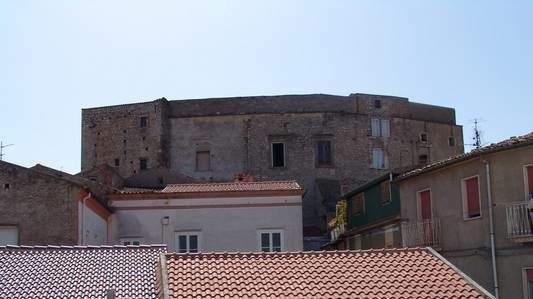 The Norman Castle of Oppido Lucano is one of those places that makes you feel the true weight of history. Built in the 11th century by the Normans, this castle dominates the town from the top of a hill, offering a breathtaking view of the Bradano Valley. Its strategic location is no coincidence: it served to control the communication routes between the Lucanian Apennines and the Tavoliere delle Puglie. Today, despite the transformations it has undergone over time, it retains its medieval charm intact. The original structure features square towers and massive walls, typical of Norman military architecture. Upon entering the inner courtyard, the central well immediately catches the eye, which once ensured water supply during sieges. One of the most interesting features is the palatine chapel, dedicated to St. John the Baptist, where traces of frescoes dating back to the Angevin period can be admired. The castle has hosted several noble families, including the Del Balzo and Caracciolo families, who partially modified its layout to adapt it as a noble residence. During the visit, it is possible to access some restored rooms, where explanatory panels tell the story of the manor and its inhabitants. For photography enthusiasts, the panoramic points from the towers offer unforgettable shots of the rooftops of Oppido Lucano and the surrounding countryside. The castle often hosts cultural events, such as historical reenactments and exhibitions, which bring its ancient walls to life. A practical tip: check the opening hours on the Municipality's website, as they may vary depending on the season. If you visit Basilicata, don't miss the opportunity to discover this little-known gem, rich with stories to tell.
Norman Castle
Moliterno Castle
- Via Panoramica, Moliterno (PZ)
- Open in Google Maps
- View on Google Images
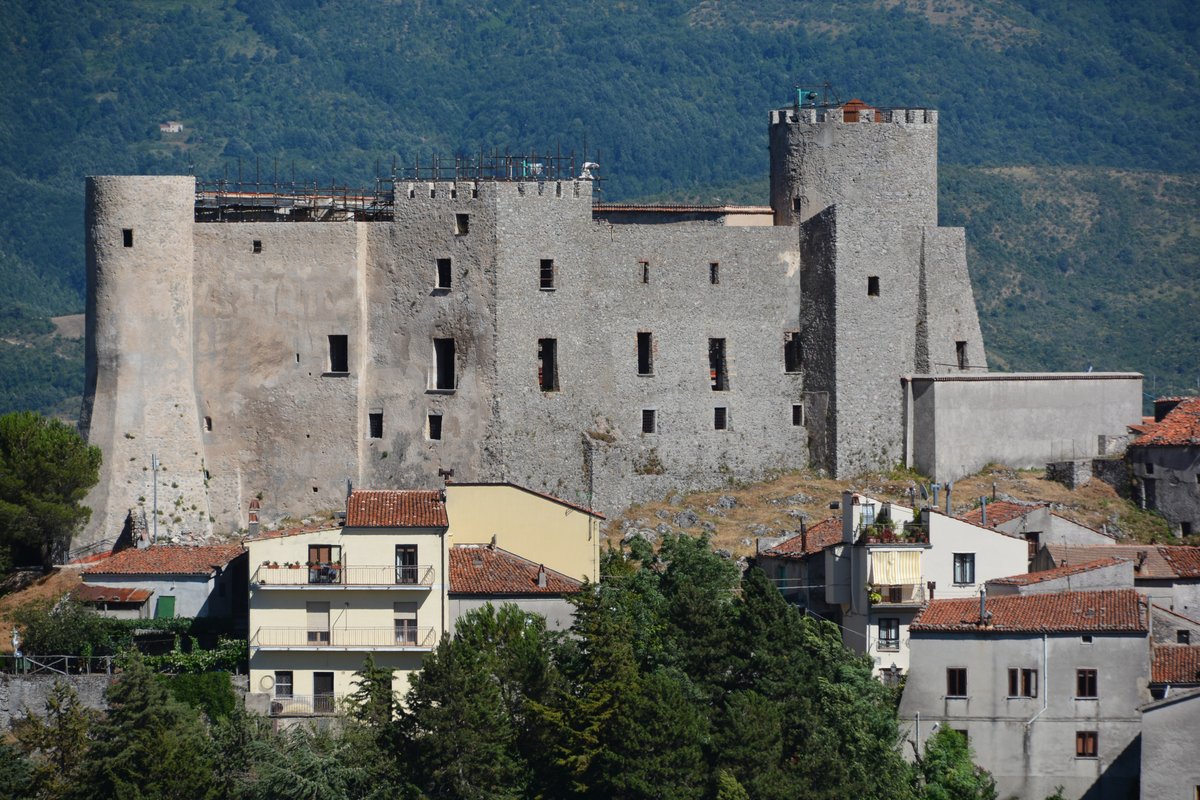 The Moliterno Castle rises majestically over the town, offering an authentic glimpse into Lucanian history. Built between the 11th and 12th centuries by the Normans, it underwent several transformations under the Angevins and the Caracciolo family, becoming a symbol of feudal power in Basilicata. Today, after careful restoration, it houses the Senise Pepper Museum and the Dog Museum, two unique collections that celebrate local traditions. Climbing the towers, the view stretches over the village rooftops and surrounding valleys, all the way to the Sirino massif. Inside, you can admire the cross-vaulted halls and the patrol walkways, while the courtyards preserve the medieval atmosphere. The castle often hosts cultural events, such as art exhibitions and tastings of typical products, including the famous Senise IGP pepper. For a complete visit, don't miss the opportunity to explore Moliterno's historic center as well, with its cobbled alleys and noble palaces. An experience that combines history, culture, and unforgettable panoramas.
Moliterno Castle