
Trajan’s Arch in Canosa di Puglia is a perfectly preserved 2nd century AD Roman monument erected along the ancient Via Traiana. Its white marble structure with well-conserved reliefs is located in the urban center, offering accessible archaeological experiences and photographs contrasting past and present.
- 2nd century AD honorary Roman arch in white marble
- Strategic position along the ancient Via Traiana toward Brindisi
- Well-preserved reliefs narrating stories from past eras
- Easy access in Canosa’s center for combined visits
Events nearby


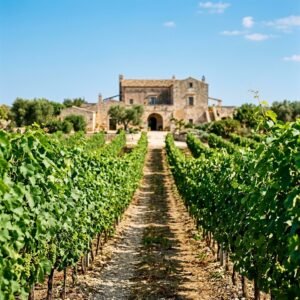

A 2nd century AD Roman monument in white marble along the Via Traiana in Canosa di Puglia. Well-preserved reliefs, strategic location, and urban center access for unique photography.
- Via Cerignola, Trani (BT)
- Open in Google Maps
- View on Google Images Arco di Traiano a Trani
Good to know
Introduction
The Arch of Trajan in Canosa di Puglia is a monument that strikes you with its silent grandeur. It’s not just a Roman arch, but a tangible symbol of the ancient Via Traiana that crossed these lands. When you see it, you immediately understand why it’s considered one of the archaeological gems of the BAT province. Its white marble structure, although partially preserved, emanates an aura of majesty that transports you back in time. It’s one of those places that tells stories without needing words, perfect for those seeking an authentic experience in the most genuine Puglia.
Historical Background
The Arch of Trajan was erected in the 2nd century AD to celebrate Emperor Trajan and the construction of the Via Traiana, a road connecting Benevento to Brindisi. This monument was not merely decorative: it marked the entrance to Canusium, ancient Canosa, and symbolized Rome’s power in this wealthy Daunian city. Its sculptures, now partially lost, depicted scenes of triumph and deities, while the dedicatory inscription honored Trajan as ‘optimo principi’.
- 2nd century AD: construction of the arch along the Via Traiana
- Middle Ages: the arch was incorporated into the city’s fortifications
- 19th century: first archaeological studies and restorations
- Today: symbolic monument of Canosan archaeology
The Arch and Its Details
What strikes you about Trajan’s Arch are the architectural details that withstand the test of time. Look closely at the white marble blocks: some still show traces of the original decorations. The structure, although single-arched, retains the elegance of Roman proportions. Particularly interesting is its location: the arch is not isolated but engages in dialogue with the urban context of Canosa, demonstrating how ancient and modern can coexist. You’ll notice that the materials used came from local quarries, a detail that speaks to the craftsmanship of the region even in Roman times.
The Archaeological Context
The Arch of Trajan should not be viewed as an isolated monument, but rather as part of a broader archaeological complex. Just a few steps away, you’ll find other Roman and Daunian artifacts that complete the visit. The fact that the arch has survived despite centuries of urban transformations is extraordinary in itself. When you’re there, imagine the hustle and bustle of carts and travelers passing beneath its arches along the Via Traiana. This helps you understand why Canosa was such a crucial crossroads in antiquity, not just for Apulia but for the entire Mediterranean.
Why Visit It
Visiting Trajan’s Arch offers you three concrete advantages. First, it’s easily accessible and located in the center of Canosa, so you can combine it with other visits. Second, it’s a rare example of Roman architecture in this area of Puglia, perfect for those who love archaeology without the crowds. Third, the urban context allows you to see how an ancient monument integrates into daily life, offering unique photographs with contrasts between past and present.
When to Visit
The best time to visit the Arch of Trajan is at sunset, when the warm sunlight enhances the white marble and creates evocative shadows. In spring and autumn, the mild temperatures allow you to enjoy the visit at a leisurely pace. Avoid the midday hours during summer days, when the heat can be intense. If you prefer tranquility, weekdays are ideal for admiring the monument in solitude.
In the Surroundings
Complete your visit with two nearby experiences. The Archaeological Museum of Canosa houses artifacts discovered in the area, including those related to the arch. A short distance away, the Daunian Tombs of Canosa offer a fascinating contrast between Roman culture and the local civilization. Both sites enrich the understanding of the territory and its historical stratification.
Itineraries nearby


💡 Did You Know…?
The arch has miraculously survived intact despite centuries and earthquakes. Local legend tells that during the construction of the Via Traiana, Emperor Trajan himself passed under this arch during his journey to the East. The monument symbolically marked the entrance to the prosperous city of Canusium, an important commercial center along the Appian-Trajan Way that connected Rome to Brindisi.