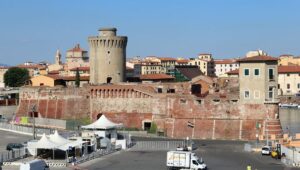
Discover Prato between textiles and history, a 2-day itinerary that takes you to the heart of Tuscan textile tradition. You'll visit the Textile Museum to immerse yourself in industrial history, explore the medieval historic center with the Cathedral of Santo Stefano and the Emperor's Castle, and discover industrial archaeology sites like converted former wool mills. A perfect route for those who love culture, craftsmanship, and authentic stories, with delicious stops at typical local spots in the center. Ideal for a weekend getaway, this Prato textile archaeology itinerary will give you a journey through time between past and present.
🗺️ Your trip at a glance
A 2-day itinerary that unveils the historical layers of Prato, from textile industrial archaeology to the Etruscan roots of the territory. A dense and authentic cultural journey, far from Tuscany's most trodden routes.
- Ideal for curious travelers seeking culture, industrial history, and archaeology in an authentic destination.
- Highlights: Textile Museum in a former factory, historic wool mills along the bike path, Etruscan sites (Gonfienti, Montefortini), and Medici architecture.
- Perfect for a cultural weekend discovering a unique territorial identity woven from textiles, archaeology, and history.
Itinerary stops
Day 1 - Stop no. 1
Textile Museum
 Begin your Prato: Textiles and History itinerary with an essential stop: the Textile Museum at Via Puccetti 3. This museum hub, housed in the former Campolmi Wool Mill, immerses you in the heart of Prato's industrial archaeology. The permanent collections range from ancient textiles to contemporary productions, with special attention given to historical sample books and textile technologies. Don't miss the section dedicated to Renaissance textiles and the documentary archive that traces the evolution of the district. The museum frequently organizes temporary exhibitions related to fashion and design, making each visit a unique experience. The exhibition within the restored spaces of the 19th-century factory creates a captivating dialogue between past and present.
- Via Puccetti 3, Prato (PO)
- Open in Google Maps
- View on Google Images

You should go if...
Day 1 - Stop no. 2
Lanificio Figli di Michelangelo Calamai
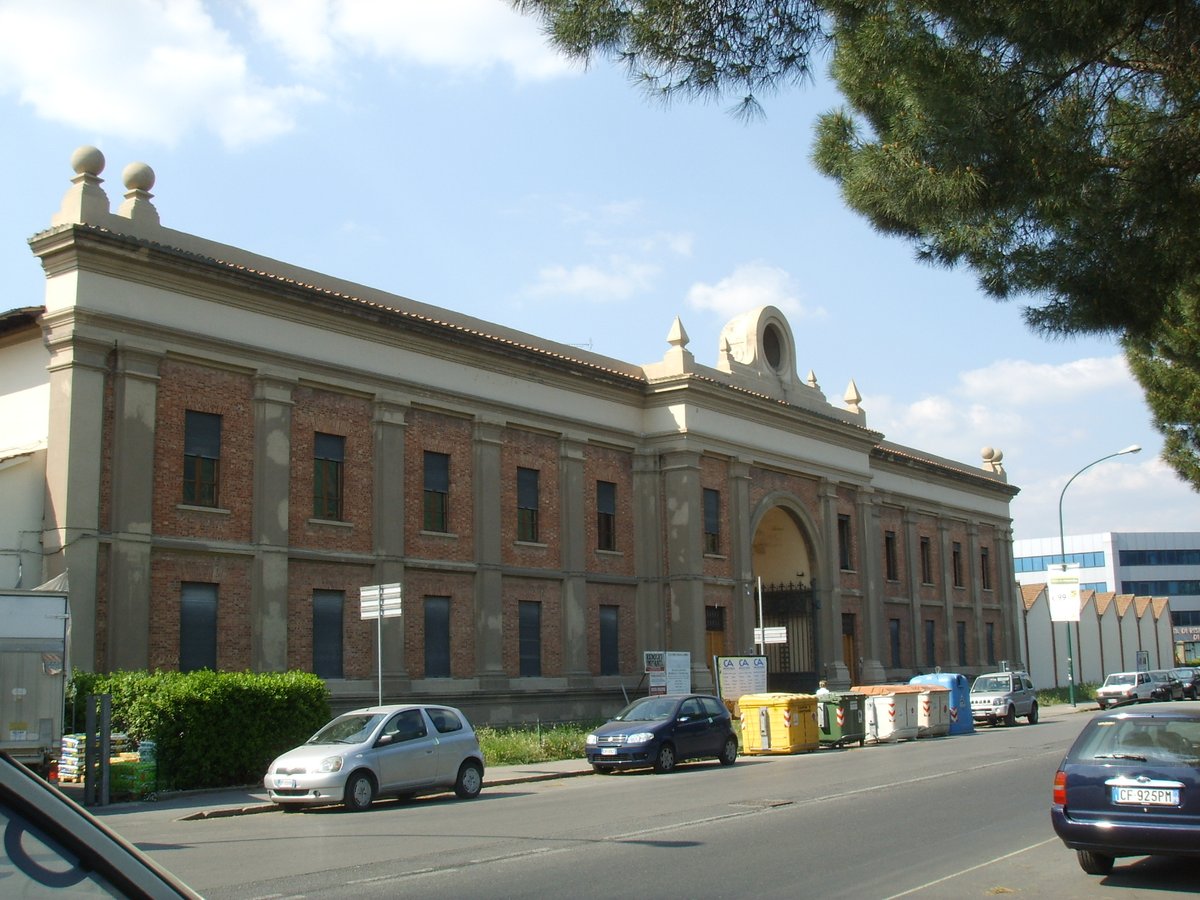 The Lanificio Figli di Michelangelo Calamai represents a fundamental chapter in Prato's textile history. This industrial complex, strategically located along the Gino Bartali cycle path, bears witness to the evolution of wool production from the late 19th century. The red brick buildings still preserve the original machinery and showcase the spatial organization typical of factories from that era. The location along the Bisenzio river was functional for the water supply needed for wool processing. Today, although no longer active, the wool mill maintains its distinctive industrial architecture intact, with large windows and iron supporting structures that tell the story of an era of great productive fervor. The visit allows you to understand how Prato built its identity through textiles.
- Pista ciclabile Gino Bartali, Prato (PO)
- Open in Google Maps
- View on Google Images
You should go if...
Day 1 - Stop no. 3
Gonfienti Archaeological Excavation
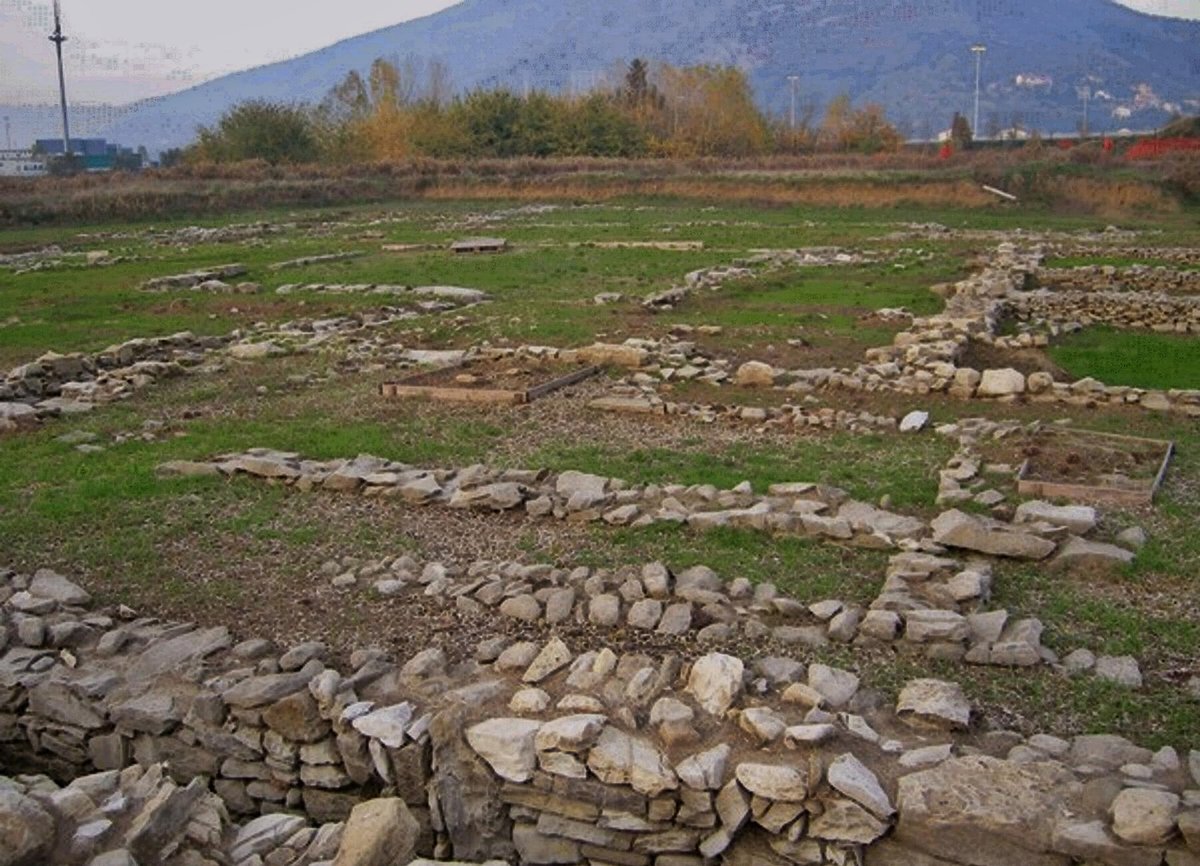 After exploring the industrial archaeology of the Calamai Wool Mill, the route takes us to a completely different site: the Gonfienti archaeological area along Via del Ciliegio. Here, among modern residential buildings, traces emerge of an Etruscan settlement from the 6th century BC that scholars identify as an important commercial center along the communication routes between Padanian Etruria and Tyrrhenian Etruria. The excavations have brought to light stone building foundations, drainage systems, and ceramic artifacts that testify to an organized and productive community. The particularity of this site is its strategic position, which allowed control of traffic between the Val di Bisenzio and the Florentine area. The visit offers a fresh perspective on the territory's history, showing how Prato's identity has roots well before the medieval and industrial eras.
- Via del Ciliegio, Prato (PO)
- Open in Google Maps
- View on Google Images
You should go if...
Day 2 - Stop no. 1
Medici Stables
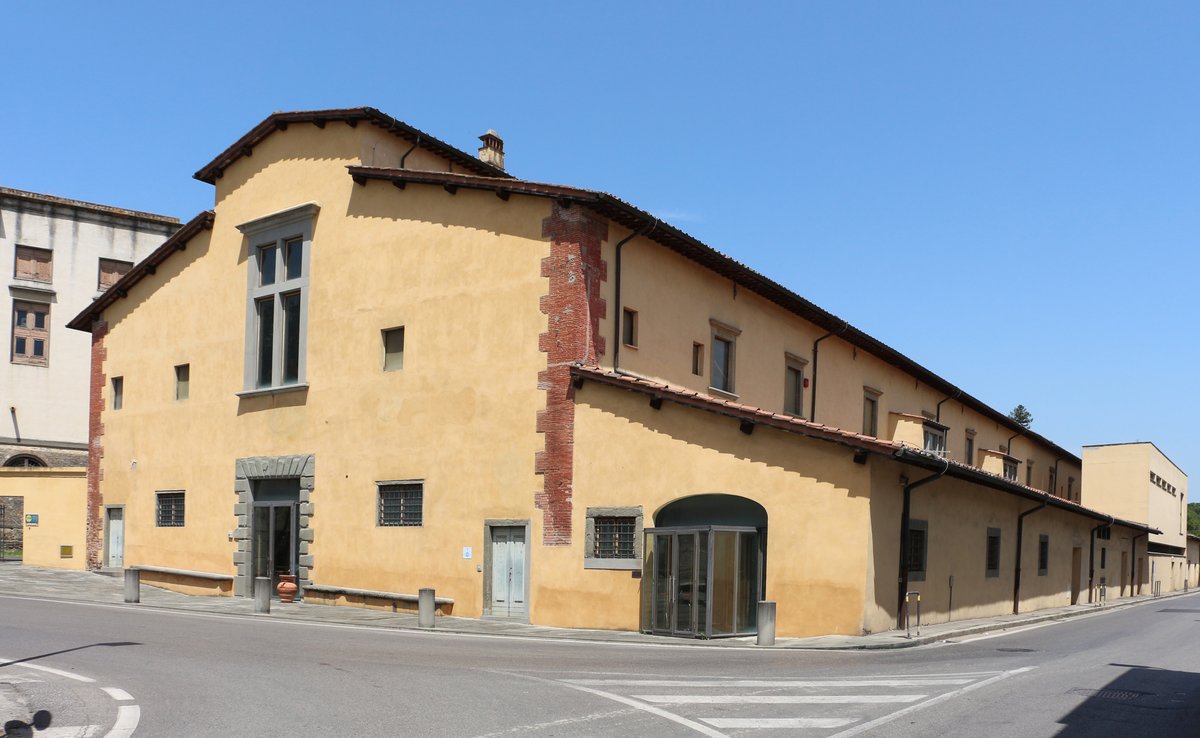 The second day of our itinerary begins with the Medici Stables in Poggio a Caiano, a sixteenth-century architectural complex that was part of the Medici villas system. These structures, located along Via Pratese, were intended for breeding court horses and managing agricultural activities connected to the nearby Medici Villa. The building still preserves its original layout with spacious porticoes, stables, and service rooms that testify to the organization of courtly life. Today the stables host temporary exhibitions and cultural events, keeping alive the connection with the territory's history. The visit allows you to appreciate Tuscan Renaissance architecture and understand how the Medici organized their properties into an integrated system of residences and productive structures.
- Via Pratese, Poggio a Caiano (PO)
- Open in Google Maps
- View on Google Images
You should go if...
Day 2 - Stop no. 2
Artimino Francesco Nicosia Archaeological Museum
 The second day of our itinerary continues with a fundamental stop to understand the most ancient roots of this territory. The Artimino Francesco Nicosia Archaeological Museum is located right in the village of Artimino, just steps away from the famous Villa Medicea La Ferdinanda. Here you won't find just isolated artifacts, but a journey that reconstructs the daily life of the Etruscans who inhabited these hills. The display cases house funerary objects from local necropolises, including that of Montefortini, with cinerary urns, painted vases, and personal ornaments that tell of rituals and beliefs. Particularly significant are the artifacts related to wine production, evidence of an activity that still characterizes Carmignano's economy today. The museum, named after the archaeologist who extensively studied this area, offers a perfect overview before visiting the open-air archaeological sites in the surrounding area.
- Piazza San Carlo 3, Carmignano (PO)
- https://www.parcoarcheologicocarmignano.it/
- Open in Google Maps
- View on Google Images
You should go if...
Day 2 - Stop no. 3
Etruscan Tumulus of Montefortini
 After exploring the artifacts at the Archaeological Museum of Artimino, we move toward one of the most fascinating Etruscan archaeological sites in Tuscany. The Montefortini Tumulus rises majestically along Via di Montefortini, an artificial hill concealing high-ranking burials dating back to the 7th-6th centuries BC. Here, excavations have uncovered two chamber tombs with exceptionally rich funerary goods, including gold jewelry, ivories, and imported Greek ceramics that testify to the commercial contacts of the era. The perfectly preserved structure allows us to imagine the funeral rituals and social organization of this civilization. Visiting the tumulus means walking among the oldest roots of the Prato territory, in a place where history and landscape merge into a unique experience.
You should go if...