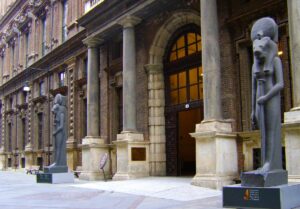
A 3-day itinerary exploring the Monferrato Alessandrino, a land of medieval castles and imposing fortresses. Start in Cremolino, a hilltop village with its castle overlooking the rolling hills. Continue to the Citadel of Alessandria, one of Europe’s largest fortresses, with its star-shaped walls and underground galleries. End in Gabiano, where the inhabited castle overlooks UNESCO World Heritage vineyards. Each stop combines history, architecture, and unique landscapes, with opportunities to taste local wines and products. A perfect itinerary for a long weekend discovering authentic villages and timeless atmospheres.
🗺️ Your trip at a glance
A 3-day journey through castles and fortresses in Monferrato.
- Ideal for enthusiasts of history and villages.
- Highlights: Citadel of Alessandria, Gabiano Castle, UNESCO landscapes.
- Who it’s for: cultural explorers and wine lovers.
Itinerary stops
Day 1 – Stop no. 1
Cremolino Castle: The Highest Fortress in Monferrato
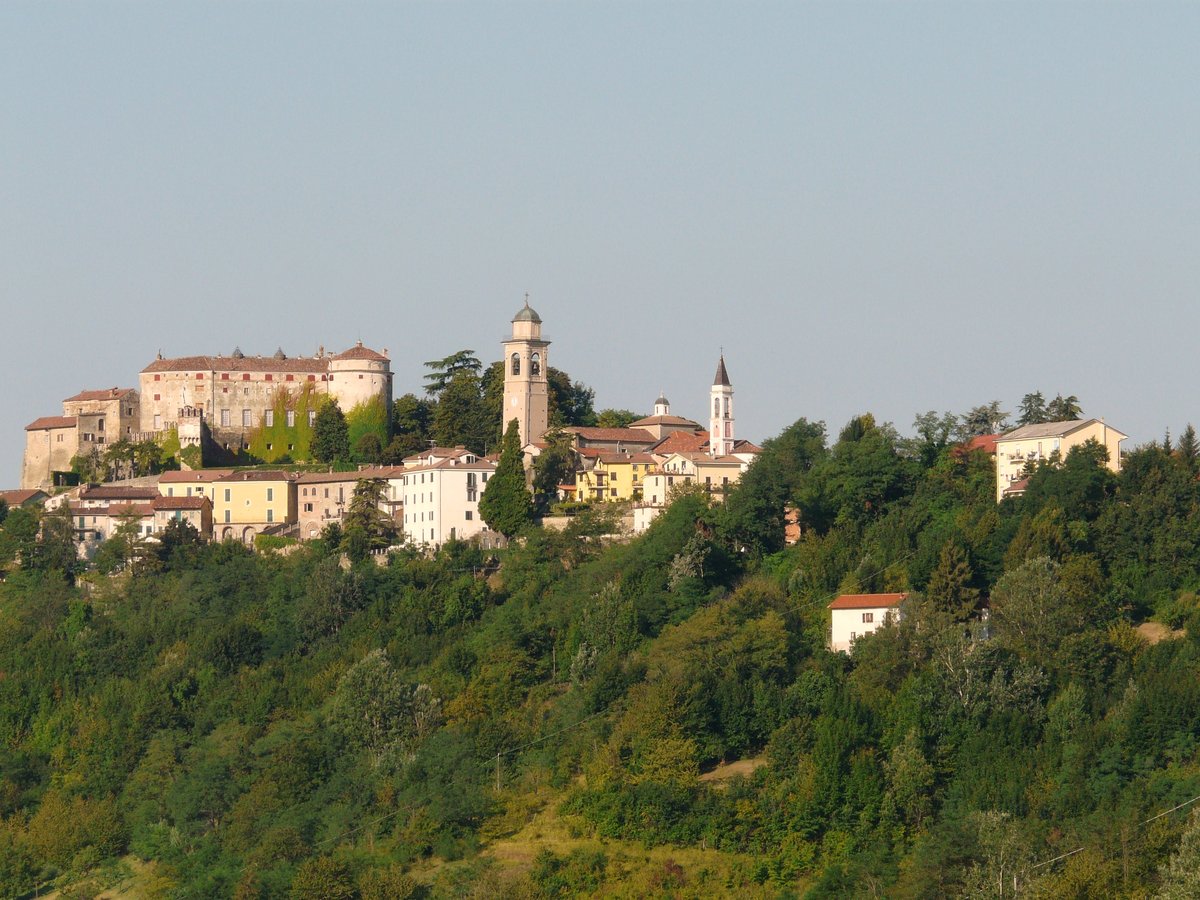 We start uphill, literally: Cremolino Castle is the tallest in the Upper Monferrato, perched at 458 meters on a rocky spur overlooking the historic village. The first stop on our itinerary immediately packs a punch. Access is still via a perfectly preserved drawbridge, a detail that makes your heart skip a beat. The structure we see today is the result of the expansion commissioned by Tommaso Malaspina between the late 13th and early 14th centuries, although its origins date back to before the year 1000. Walking among the triple ring of walls (yes, three of them!), you can breathe the air of a past centered on defense and control. The ramparts offer a 180-degree view stretching from the Alps to the Apennines, with Monviso standing out on the horizon. Today, it is inhabited by the owners who open it to visitors: a rare opportunity to see a medieval fortress still alive, with its Ghibelline battlements and interior rooms rich in history.
- Go to the page: Cremolino Castle: Historic Wineries and Monferrato Views
- Via amorina, Cremolino (AL)
- Open in Google Maps
- View on Google Images

You should go if…
Day 1 – Stop no. 2
Mornese Castle: Home of the Doria
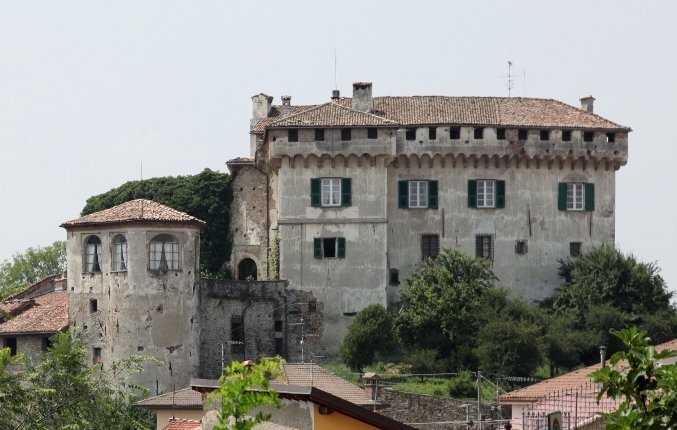 As you ascend towards the hill of Berguato in Mornese, you come upon Castello Doria, a medieval fortress overlooking the village. Its origins date back to the 13th century, when the Rosso della Volta family built the first fortification. In 1404, Genoese troops destroyed it, but it was rebuilt a few years later. The current appearance dates from the 18th century, when it was converted into a stately residence. The layout is complex, with two towers and a keep. One of these towers, used as an artist’s studio in the 19th century, offers a spectacular view of the Alps and the Apennines. The castle is still owned by the Doria family and is inhabited: it is not open to the public except for events or as a charming accommodation. It is worth admiring from the outside, strolling through the alleys of Borgo Alto. From the small square of the former town hall, a steep climb leads up to the manor. A place steeped in history, with corbels and battlements, perfect for a contemplative stop on the Monferrato Alessandrino itinerary.
- Via Andrea Doria, Mornese (AL)
- Open in Google Maps
- View on Google Images
You should go if…
Day 1 – Stop no. 3
Tagliolo Monferrato Castle
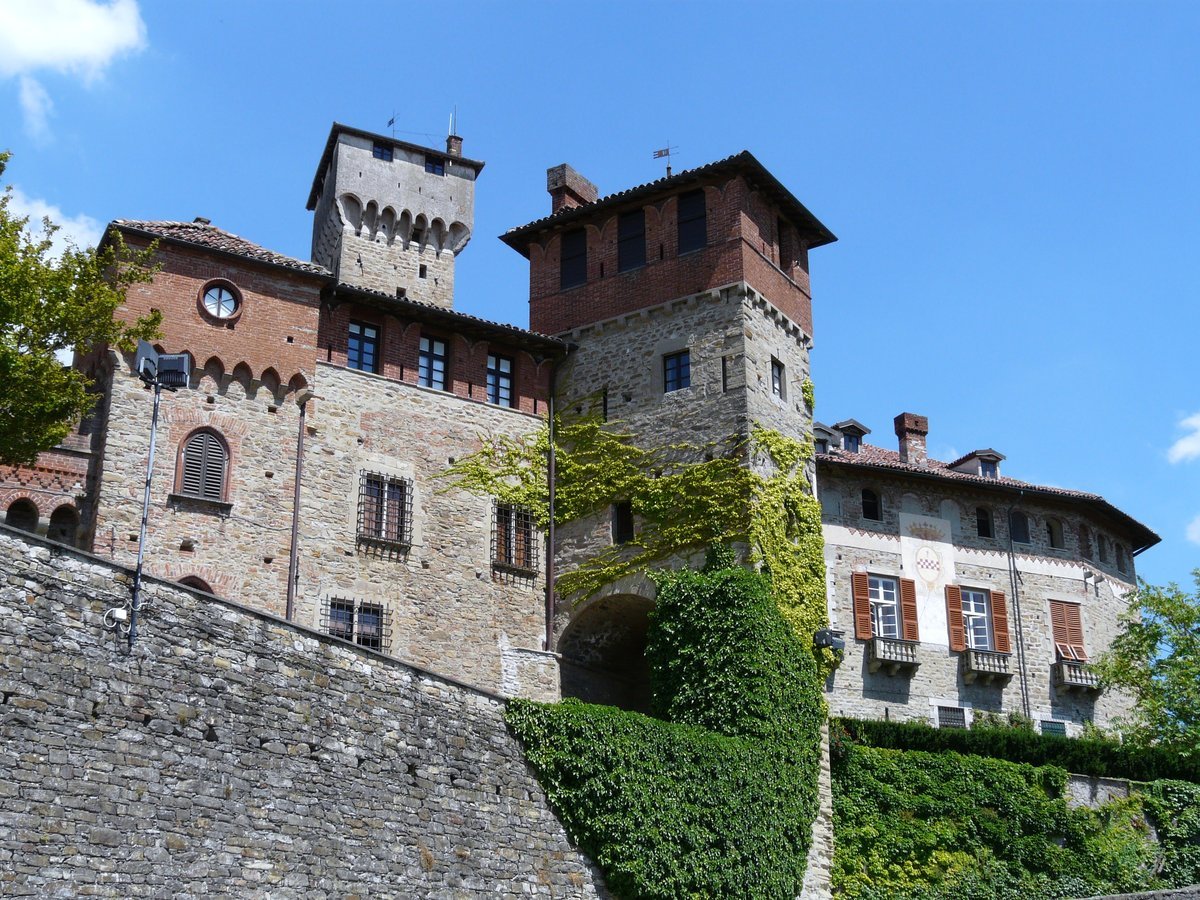 After Mornese, head up to Tagliolo Monferrato, where the castle dominates the Dolcetto hills. Its square tower, 38 meters high, is the oldest part, dating back to the 10th century, used to spot the Saracens. In the 1600s the fortress became a noble residence, and today the Marquises Pinelli Gentile still live there, producing wine in the ancient cellars. The guided tour takes you to the secret garden, the armory room with the Divine Comedy illustrated by Amos Nattini, and the bigattiera, once a silkworm breeding farm, now a venue for events. In the medieval village, you can breathe an old-world atmosphere through stone alleys. I recommend booking a tasting of Dolcetto di Ovada DOCG: an experience that combines history and authentic flavors.
- Strada Tagliolo, Tagliolo Monferrato (AL)
- Open in Google Maps
- View on Google Images
You should go if…
Day 2 – Stop no. 1
Gabiano Castle: A Dive into Restored Medieval Splendor
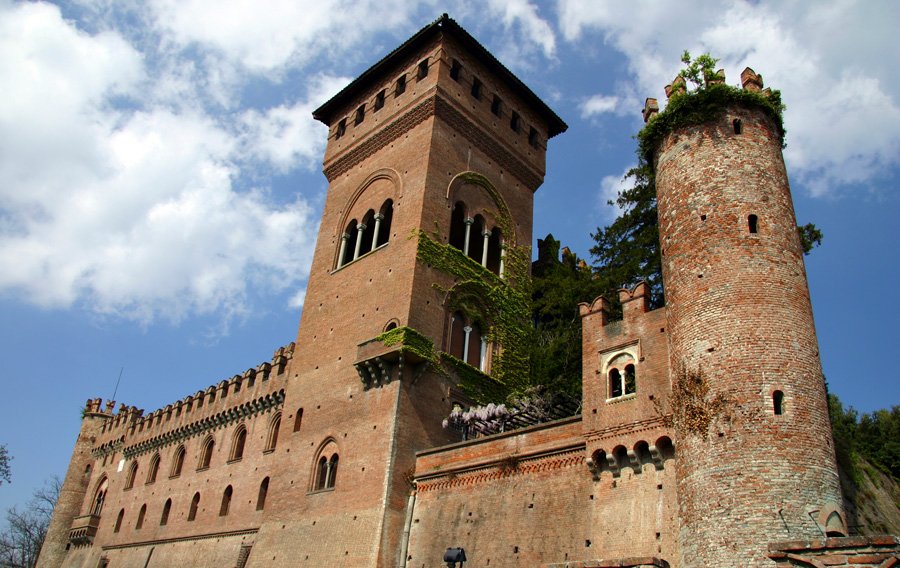 The second day of your Monferrato journey begins with one of the area’s most enchanting castles: Gabiano Castle. With a history dating back to the 8th century – when it was already mentioned as a ‘cortem magnam’ – this manor dominates the Po Valley from an enviable position. Its current appearance is the result of a philological restoration commissioned by the Durazzo Pallavicini marquises between 1908 and 1935, which erased 19th-century modifications to bring back its medieval soul. The result? A neo-medieval gem with towers, battlements, and a romantic park housing one of the few surviving boxwood labyrinths in Piedmont, created in the 1930s. Beyond its architectural beauty, you can breathe in the winemaking tradition: the 12th-century cellars produce Gabiano DOC, a small but high-quality appellation. After the visit, don’t miss a tasting at the ancient vinegar factory turned restaurant, ‘3 Orologi’, where local flavors meet history. If you have time, explore the medieval village and the shop under the arcades to buy wines and local products.
- Go to the page: Gabiano Castle: Among Vineyards and a Maze, a Historic Residence in Monferrato
- Via San Defendente 2, Gabiano (AL)
- http://www.castellodigabiano.com
- Open in Google Maps
- View on Google Images
You should go if…
Day 2 – Stop no. 2
Castello di Camino: A Thousand Years of History Amid Towers and Legends
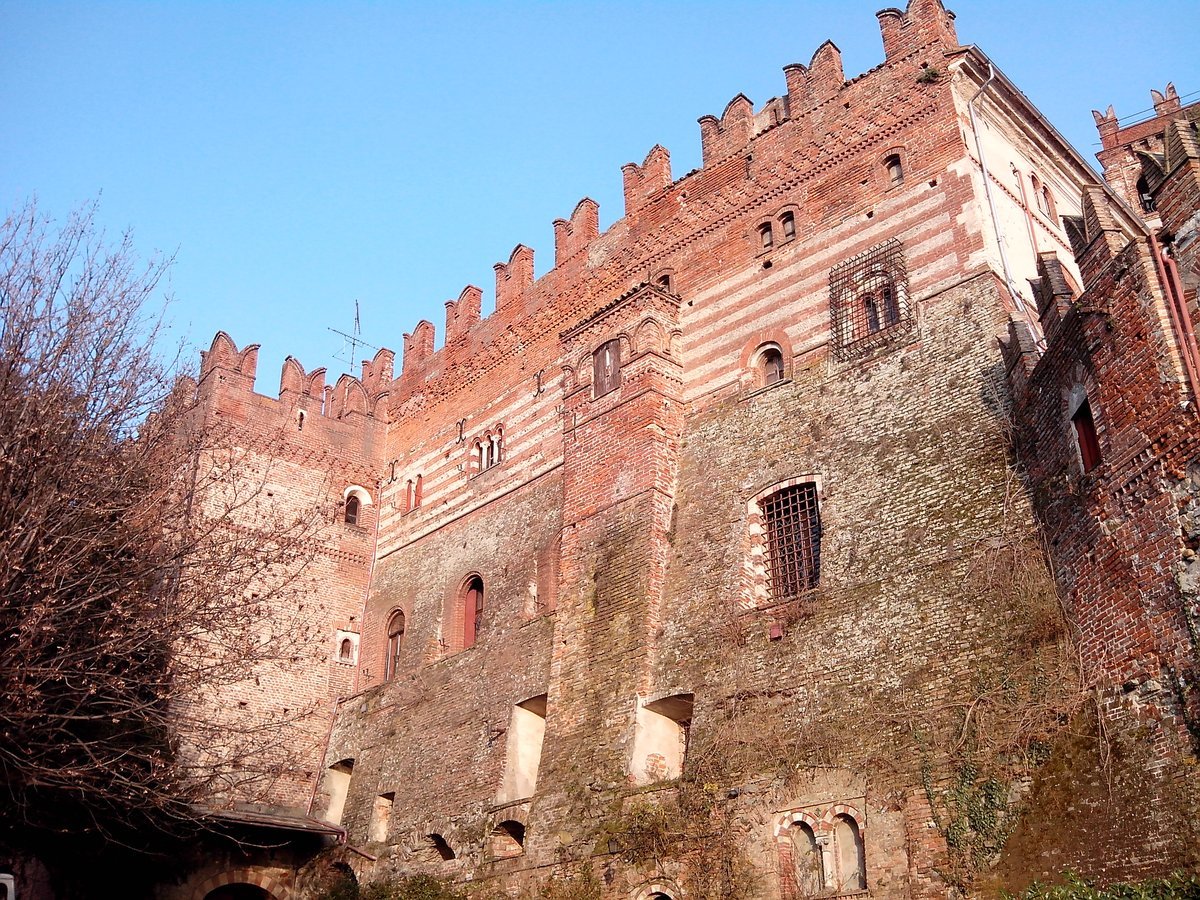 The Castello di Camino dominates the Lower Monferrato from a hill, with its 44-meter crenellated tower gazing over the Po plain and the Alps. Its origins date back to the 11th century, when it was built as a defensive fortress. In the 14th century, it passed to the Scarampi family, bankers from Asti who held it until 1952, transforming it into a noble residence. Today, after years of closure, the castle can be visited again by reservation: you can admire the baroque hall with paintings by Domenico Guala, the chapel with a triptych attributed to Macrino d’Alba, and the evocative King’s Hall, prepared for Vittorio Emanuele II. The visit concludes with a tasting of wines produced from the castle’s vineyards, such as Barbera and Grignolino. But beware: according to legend, the ghost of Count Scarampo Scarampi still wanders headless through the halls, while his wife Camilla weeps from the tower. A place that blends history, charm, and a touch of mystery.
- Via Castello, Camino (AL)
- Open in Google Maps
- View on Google Images
You should go if…
Day 2 – Stop no. 3
Museum of Champions
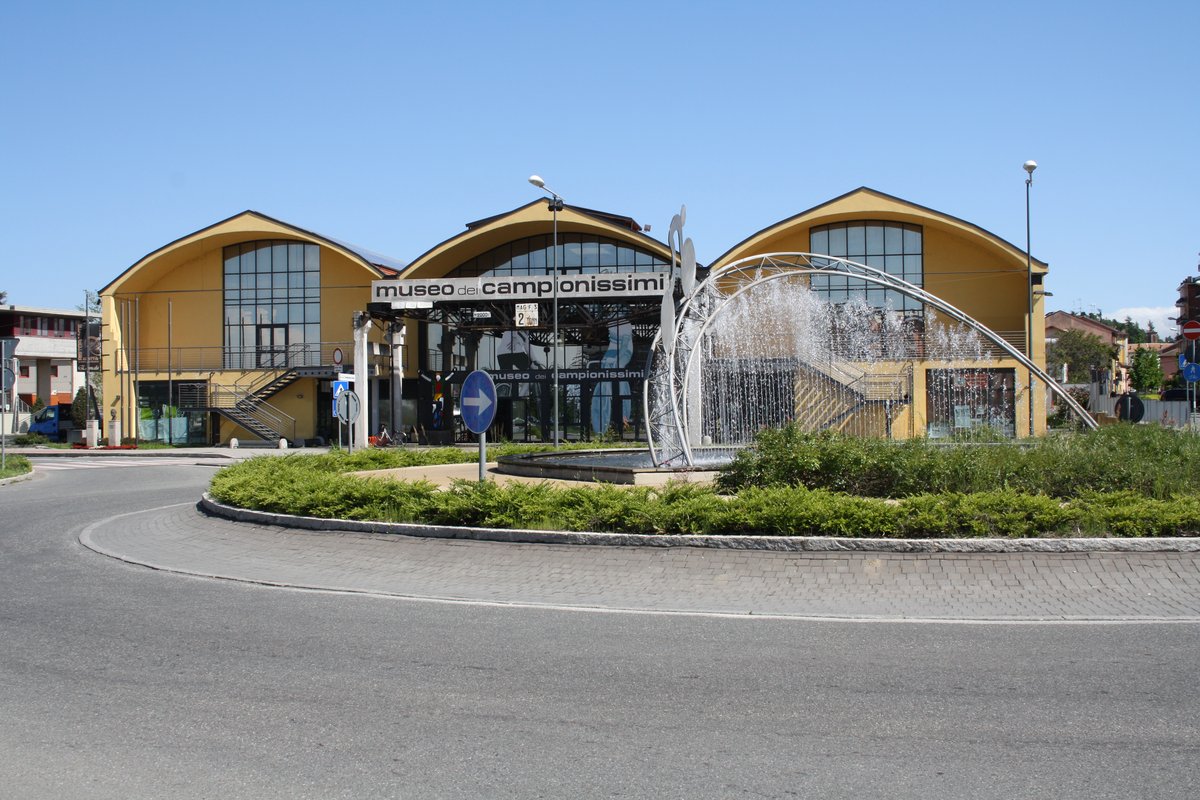 After the medieval allure of Castello di Camino, we shift gears – literally – with the Museum of Champions. Housed in an early 20th-century industrial warehouse, this 3,000 m² museum is a paradise for cycling enthusiasts. Opened in 2003, it celebrates two local champions: Fausto Coppi and Costante Girardengo. The route revolves around a special central track that changes surfaces: dirt, cobblestone, asphalt, steel, symbolizing road evolution. Along it, 40 bicycles tell the story of the vehicle, from Leonardo da Vinci’s wooden model to titanium prototypes. In the side rooms, vintage photos and pages from the Gazzetta dello Sport retrace the Giro d’Italia, while eight multimedia totems offer in-depth insights. Don’t miss the Hall of Champions, with memorabilia and videos of Coppi and Girardengo’s feats, and the curious section on work bicycles: the chestnut seller’s, the knife grinder’s, the baker’s. The museum is family-friendly and offers workshops for children. Full ticket €7, reduced €4. Open Friday, Saturday, Sunday, and holidays.
- Viale dei Campionissimi 2, Novi Ligure (AL)
- http://www.museodeicampionissimi.it/
- Open in Google Maps
- View on Google Images
You should go if…
Day 3 – Stop no. 1
Citadel of Alessandria: the Savoy Fortress
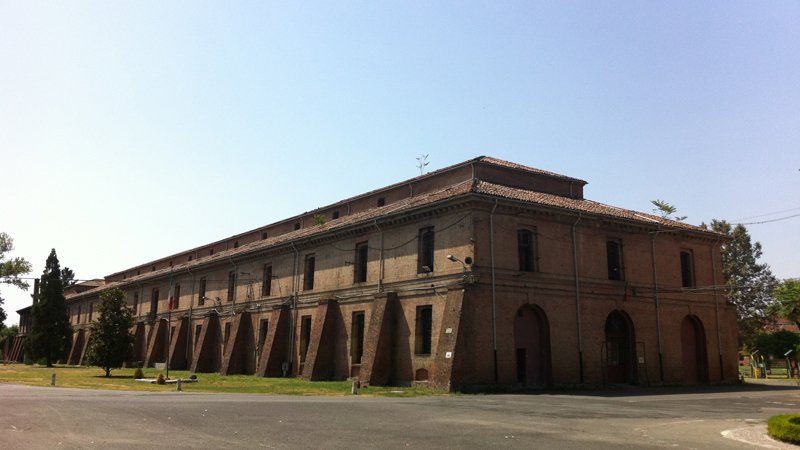 The third day kicks off with a stunning sight: the Citadel of Alessandria, one of the best-preserved 18th-century fortresses in Europe. Built by the Savoys starting in 1732 based on a design by Ignazio Bertola, it is a six-pointed star spreading over 60 hectares, surrounded by moats (once fed by the Tanaro River). Entry is free, and you can freely wander among bastions, the Parade Ground (22,000 m²), and historic buildings such as the Governor’s Palace. Don’t miss the Bastione Sant’Antonio, where on 10 March 1821 the Italian tricolour was raised for the first time: a truly moving spot. Inside the Beleno Barracks, there’s a small museum with uniforms and memorabilia of the Royal Army (1848-1946). The Citadel is also a UNESCO candidate, and while some parts show signs of age, restoration is ongoing. The modern bridge by Richard Meier (2016) connects the fortress to the city. I’d recommend setting aside at least a couple of hours, perhaps with a guided tour by FAI (on Saturdays and Sundays).
- Lungo Tanaro San Martino, Alessandria (AL)
- Open in Google Maps
- View on Google Images
You should go if…
Day 3 – Stop no. 2
Marengo Museum: The Napoleonic Heart of Monferrato
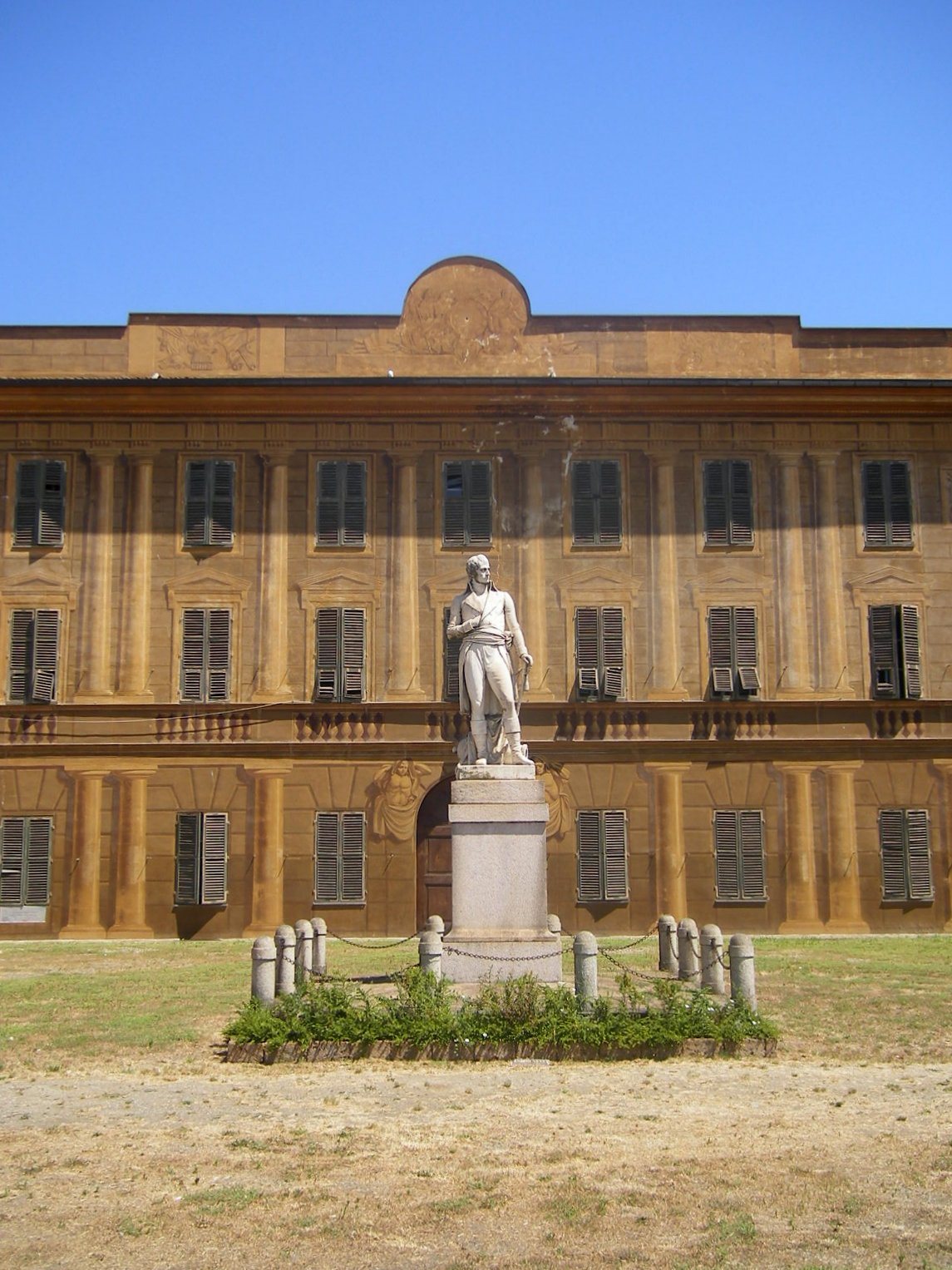 Just a few kilometres from the centre of Alessandria, in the hamlet of Spinetta Marengo, stands the Marengo Museum, dedicated to the famous battle of 14 June 1800 in which Napoleon Bonaparte defeated the Austrians. Housed in Villa Delavo, built in 1847 as a monument to the Emperor, the museum’s entrance is marked by a cast-iron pyramid evoking the Napoleonic edict. The exhibition unfolds over three floors: the ground floor reconstructs the historical context, the first floor features the battle itself with a large scale model, paintings and interactive videos, while the second floor hosts temporary exhibitions. Among the display cases, period uniforms, weapons and objects stand out, telling the soldiers’ stories. The visit is enriched by multimedia panels and videos that make history accessible even to children. Full ticket costs €5, reduced €3 for students and over 65s, free for under 12s. Please note: the museum is open only on weekends (Saturday and Sunday 3-7 pm), but during the week it’s possible to book visits for groups and schools. A place that promises to bring the Napoleonic epic to life in a charming corner of Piedmont.
You should go if…
Day 3 – Stop no. 3
Piazza della Libertà
 After the Marengo Museum, return to the city center and let yourself be captivated by Piazza della Libertà, the true beating heart of the city. Built in 1803 on the ashes of the ancient medieval cathedral, the square is a triumph of architecture and history. Here stands the majestic Palazzo Ghilini in baroque style, with its octagonal vestibule and frescoes by Cucchi, while the Palazzo delle Poste boasts a 38-meter-long mosaic by Gino Severini. In the center, the statue of Urbano Rattazzi watches over a large tree-lined area, ideal for a break. Attention: from the end of June 2026, another section of the square will become pedestrianized, to benefit residents and tourists. It’s the perfect place to breathe in local life: between a coffee and a stroll among the market stalls, you’ll feel part of the city.
- Alessandria (AL)
- Open in Google Maps
- View on Google Images
You should go if…