Cremolino Castle: Historic Wineries and Monferrato Views

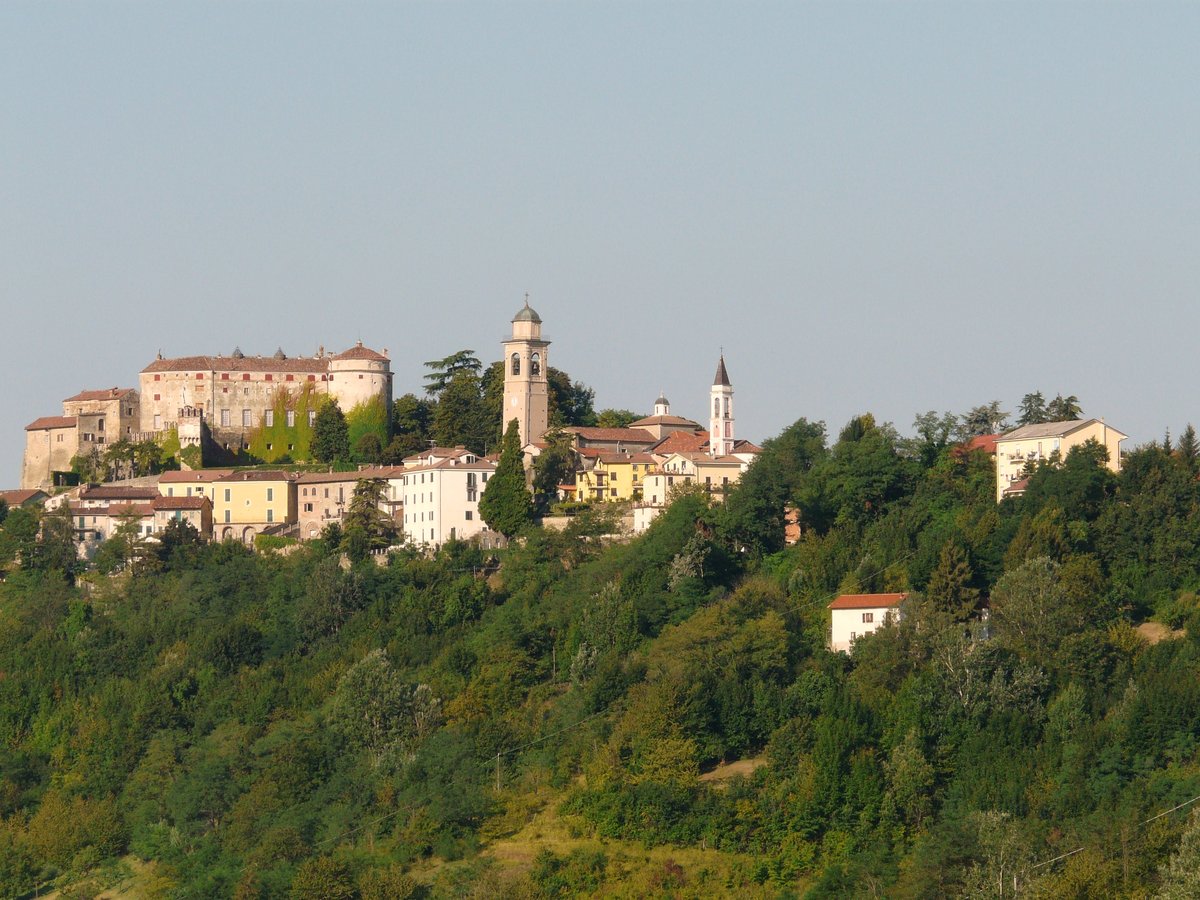
Cremolino Castle, perched on the hills of Monferrato in the Alessandria region, is a perfectly preserved medieval manor where history blends with food and wine. Its historic cellars produce the renowned Dolcetto di Ovada DOCG, which you can taste on-site. The view from the walls stretches across the surrounding hills, offering breathtaking panoramas.

  • Historic cellars with Dolcetto di Ovada DOCG tastings included in the ticket
  • Views from the tower over the Monferrato hills and the Alpine arc
  • Inhabited medieval castle with authentic, non-museum-like atmosphere
  • Cremolino village with cobblestone lanes in authentic rural Piedmont


Events nearby


Copertina itinerario Cremolino Castle: Historic Wineries and Monferrato Views
Visit the medieval castle with tastings of Dolcetto di Ovada DOCG in centuries-old cellars. Admire the views from the tower and explore the village of Cremolino.

Good to know


Introduction

The Cremolino Castle is not just a monument, but an experience that envelops you the moment you arrive. Perched on the hills of Monferrato Alessandrino, it dominates the landscape with its imposing structure, offering breathtaking panoramic views. Here, history and wine blend in a unique way: the ancient medieval walls house centuries-old cellars where premium wines are born. This isn’t your typical postcard castle, but a living place where you can taste Dolcetto di Ovada right in the halls that once hosted local lords. The atmosphere is authentic, unadorned, perfect for those seeking more than just a simple visit. Come discover how such a tiny village can hold so much richness.

Historical Overview

The castle’s origins date back to the 13th century, when it was built as a fortress by the Del Carretto marquises, a family that significantly shaped the region’s history. In the 16th century, it passed to the Guasco family, who transformed it into a noble residence, adding Renaissance elements to the medieval structures. During the 19th century, it became the property of the Sappa counts, who developed viticulture, forever linking the castle to the production of local wines. Today, it is still inhabited and managed by descendants who have maintained the strong connection to the land.

  • 13th century: construction as a fortress
  • 16th century: transformation into a residence
  • 19th century: development of winemaking
  • Today: private property with active wineries

The Historic Wineries

Entering the castle cellars is like stepping back in time. The rooms, carved into the stone, preserve wooden barrels that smell of oak and aged wines. Here, they mainly produce Dolcetto di Ovada DOCG, a full-bodied red that expresses the character of the territory. Guided tours allow you to taste directly in the cellar, with tastings that explain the production techniques passed down through generations. It’s not just a wine shop: it’s a sensory experience, where the flavor of the wine blends with the history of the walls. Take a bottle home: it’s the most authentic souvenir you can find.

The Views from the Tower

Climbing the main tower is worth the visit alone. From up here, the view stretches across the Monferrato hills, dotted with vineyards and medieval villages like Morsasco and Prasco. On clear days, you can even spot the Alpine arc in the distance. The contrast between the ancient stones and the lush landscape creates an unforgettable image. Bring your camera: every corner offers perfect shots, especially at sunrise or sunset, when the light makes everything magical. It’s a privileged observation point that helps you understand why this place is so special.

Why Visit

Three concrete reasons not to miss it: first, wine tastings in the cellar are included in the ticket and let you sample wines that are hard to find elsewhere. Second, the castle is still inhabited, so the atmosphere is authentic, not museum-like. Third, the views from the tower are among the most beautiful in Lower Piedmont, perfect for memorable photos. Plus, there are often events like art exhibitions in the historic halls, which enrich the experience. Come if you love history without rhetoric and authentic flavors.

When to Go

The best time is in autumn, during the grape harvest, when the vineyards turn red and the air is filled with the scent of must. The wineries are more vibrant, and you can witness the grape processing. Spring is also ideal, with the hills in bloom and perfect weather for exploring. Avoid rainy days: the views are especially worth it in the sunshine. Plan your visit for the morning or late afternoon to enjoy the best light.

In the Surroundings

Just a few minutes away, visit the Castello di Morsasco, another medieval gem with a centuries-old park and equally fascinating wine cellars. For an authentic food and wine experience, stop in Ovada, where you can sample local specialties in traditional restaurants and discover other producers of Dolcetto. Both locations perfectly round out your day, adding pieces to the area’s rich history.

Itineraries nearby


💡 Did You Know…?

Legend has it that the castle was connected by secret underground passages to the village below, used during sieges. Today, in the rock-carved cellars, wines that have won international awards are produced. The owning family preserves 16th-century documents attesting to the first wine productions, making this place a rare example of continuity between ancient history and a still-living winemaking tradition.