Paleologi Castle: Frescoed Halls and Medieval Towers in Casale Monferrato

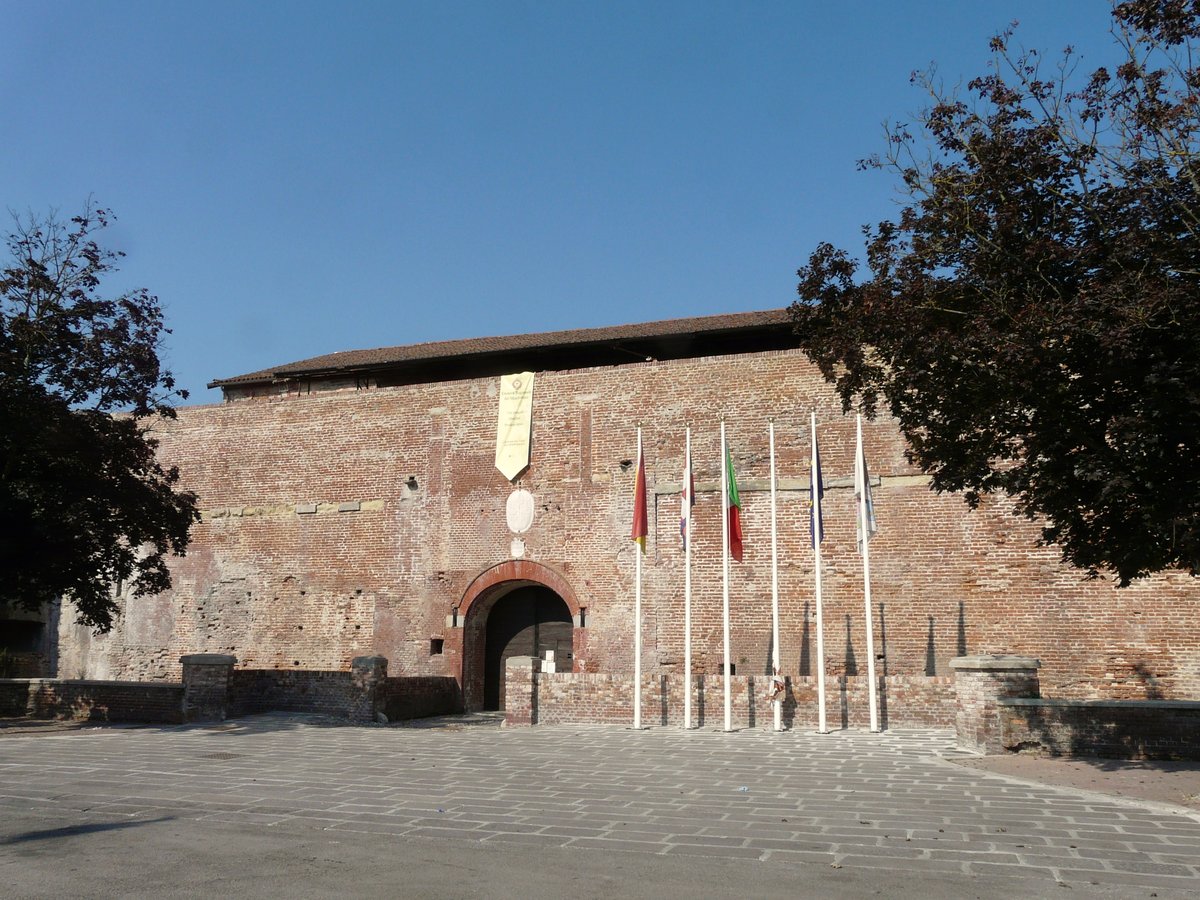
The Paleologi Castle in Casale Monferrato is a medieval fortress built between the 13th and 15th centuries, serving as the residence of the Paleologi marquises and later as a Savoy stronghold. Today, it dominates the historic center with massive towers and crenellated walls, offering an immersive experience in the history of Monferrato.

  • Frescoed halls with Paleologo heraldic symbols and medieval court scenes
  • Towers with 360-degree views over Casale Monferrato and the Monferrato hills
  • Inner courtyards and surrounding park for relaxing walks
  • Cultural events and temporary exhibitions in a unique historical setting


Events nearby


Copertina itinerario Paleologi Castle: Frescoed Halls and Medieval Towers in Casale Monferrato
A medieval fortress featuring frescoed halls of the Paleologo family and towers offering panoramic views over Casale Monferrato and the surrounding hills. Discover the marquisate history and Renaissance art.

Good to know


Introduction

As soon as you arrive in Casale Monferrato, the Paleologi Castle captures your gaze with its massive towers rising above the city’s skyline. It’s not just a monument, but an experience that transports you back in time. As you climb toward the entrance, you feel the weight of history within the stone walls and silent courtyards. Inside, the frescoed halls and patrol walkways offer unique glimpses of the surrounding plains, while the intimate atmosphere of the inner courtyard invites a moment of reflection. This castle isn’t just to be seen, but to be lived: every corner tells centuries of marquis power and daily life, making the visit an unforgettable moment for those who love to immerse themselves in the past without losing touch with the present.

Historical Overview

The Paleologi Castle was built in the 14th century as a defensive fortress commissioned by the Paleologo family, who ruled the Marquisate of Monferrato. In 1435, following the death of the last Paleologo marquis, the castle passed to the Gonzaga of Mantua, who transformed it into a noble residence, enriching it with frescoes and expansions. During the 17th century, it was involved in the wars for control of Monferrato, suffering sieges and damage. After the unification of Italy, it became municipal property and today hosts cultural events and exhibitions. Its history is a tapestry of power, art, and conflict, making it a living symbol of the region.

  • 14th century: construction as a Paleologo fortress
  • 1435: transfer to the Gonzaga of Mantua
  • 17th century: wars and sieges in Monferrato
  • 19th century: municipal acquisition and restoration

Frescoed Halls and Artistic Details

Stepping into the frescoed halls of the castle is like turning the pages of a medieval and Renaissance art book. In the Council Hall, the mural paintings depict court scenes and heraldic symbols of the Paleologo family, with vibrant colors that have stood the test of time. Ascending to the main tower, you’ll access a room with cross-vaulted ceilings adorned with geometric patterns, where light filters through the arrow slits creating evocative plays of shadow. Don’t miss the patrol walkways: from there, besides the panoramic view, you’ll notice carvings left by guards over the centuries. These details, along with the period furniture displayed in some rooms, make the visit an intimate exploration of Monferrato’s art and daily life.

Towers and Breathtaking Views

The castle towers are not just architectural elements, but privileged vantage points for admiring Casale Monferrato and the surrounding hills. Climbing the north tower offers a 360-degree view: to the south, the historic center with the Cathedral and noble palaces; to the north, the green Monferrato hills dotted with vineyards. On clear days, the gaze reaches as far as the Alpine arc. The west tower, on the other hand, provides a more intimate panorama of the inner courtyard and the gardens below, ideal for photography. The climb is steep but short, and the reward is a visual experience that helps you understand why this location was strategic: it dominated not only the city but the entire plain.

Why Visit It

Visiting the Paleologi Castle is worthwhile for three concrete reasons. First, the frescoed halls are a concentration of medieval and Renaissance art, with unique details like the heraldic symbols of the Paleologi that you won’t find elsewhere. Second, the views from the towers offer stunning panoramas of Casale Monferrato and the Monferrato hills, perfect for memorable photos without the need for special equipment. Third, it’s a living place: it often hosts temporary exhibitions and cultural events, so you can combine history and entertainment in a single visit. Plus, access is easy and doesn’t require long bookings, ideal for a spontaneous experience.

When to Go

The most enchanting time to visit the castle is in the late autumn afternoon, when the warm sunlight enhances the colors of the stones and frescoes, creating a magical atmosphere. During this season, crowds are smaller, allowing you to enjoy the views from the towers in peace, perhaps even catching the golden hues of the vineyards on the nearby hills. Avoid the midday hours in summer, as the heat can make the climb to the towers quite strenuous. Instead, a clear spring day is ideal for crisp views of the Alpine arc.

In the Surrounding Area

After visiting the castle, explore the historic center of Casale Monferrato, featuring the Cathedral of Sant’Evasio with its Romanesque crypt – a true gem of religious architecture. Nearby, the Synagogue and the Silver Museum bear witness to the area’s rich Jewish heritage. For a culinary experience, stop at one of the surrounding hilltop wineries to sample Monferrato wines like Barbera or Grignolino, paired with local specialties such as krumiri biscuits.

Itineraries nearby


💡 Did You Know…?

Legend has it that a secret passage connected the castle to the Duomo of Sant’Evasio, used by the marquises to escape enemies. In reality, the underground hides ancient prisons and cisterns, while the 40-meter-high Angioletta Tower was a strategic lookout point. During restorations, hidden frescoes depicting court scenes emerged, a unique testimony to the life of the Paleologi.