
If you only have one day to discover Viterbo, this medieval Viterbo itinerary is perfect for you. I'll take you to explore the treasures of the historic center, starting from the imposing Papal Palace, a symbol of papal power in the 13th century, then immersing you in the authentic atmosphere of the San Pellegrino Quarter, one of Italy's best-preserved medieval districts. We'll walk among historic churches like Santa Maria Nuova and San Francesco, discovering hidden corners and curiosities that make Viterbo a gem to be experienced. An easy, concentrated walking route for those who want to savor the essence of the city without wasting time.
🗺️ Your trip at a glance
A one-day walking itinerary through the medieval heart of Viterbo, from the Papal Palace to the Sanctuary of Santa Rosa. Perfect for those seeking a focused and authentic cultural experience, away from the busier tourist circuits.
- Ideal for: travelers looking for a one-day cultural city break, enthusiasts of medieval history and Romanesque architecture.
- Highlights: an easy and concentrated walking route through the historic center, with 8 main stops including the San Pellegrino Quarter and an interactive map for navigation.
- Who it's for: suitable for those with limited time who want to capture the essence of the City of Popes, exploring historic churches, authentic squares, and corners off the main paths.
Itinerary stops
Stop no. 1
Papal Palace
 Starting the Medieval Viterbo in One Day itinerary at the Papal Palace is the perfect choice to immediately immerse yourself in the atmosphere of the 13th century. Located in Piazza San Lorenzo, this building served as the papal residence from 1257 to 1281, a crucial period in Church history. Its Gothic architecture, with the characteristic loggia of blessings and frescoed halls, tells of conclaves and decisions that influenced Europe. Upon entering, you can feel the weight of history: it was here that the long conclave of 1268-1271 took place, leading to the election of Gregory X. The palace is not just a museum, but a journey through time, with details like the inner courtyard and stone staircases that evoke the daily life of the popes. It's the perfect starting point to understand why Viterbo is called the 'City of Popes,' offering a solid foundation for exploring the rest of the historic center.
- Piazza San Lorenzo, Viterbo (VT)
- Open in Google Maps
- View on Google Images

You should go if...
Stop no. 2
St. Lawrence Cathedral
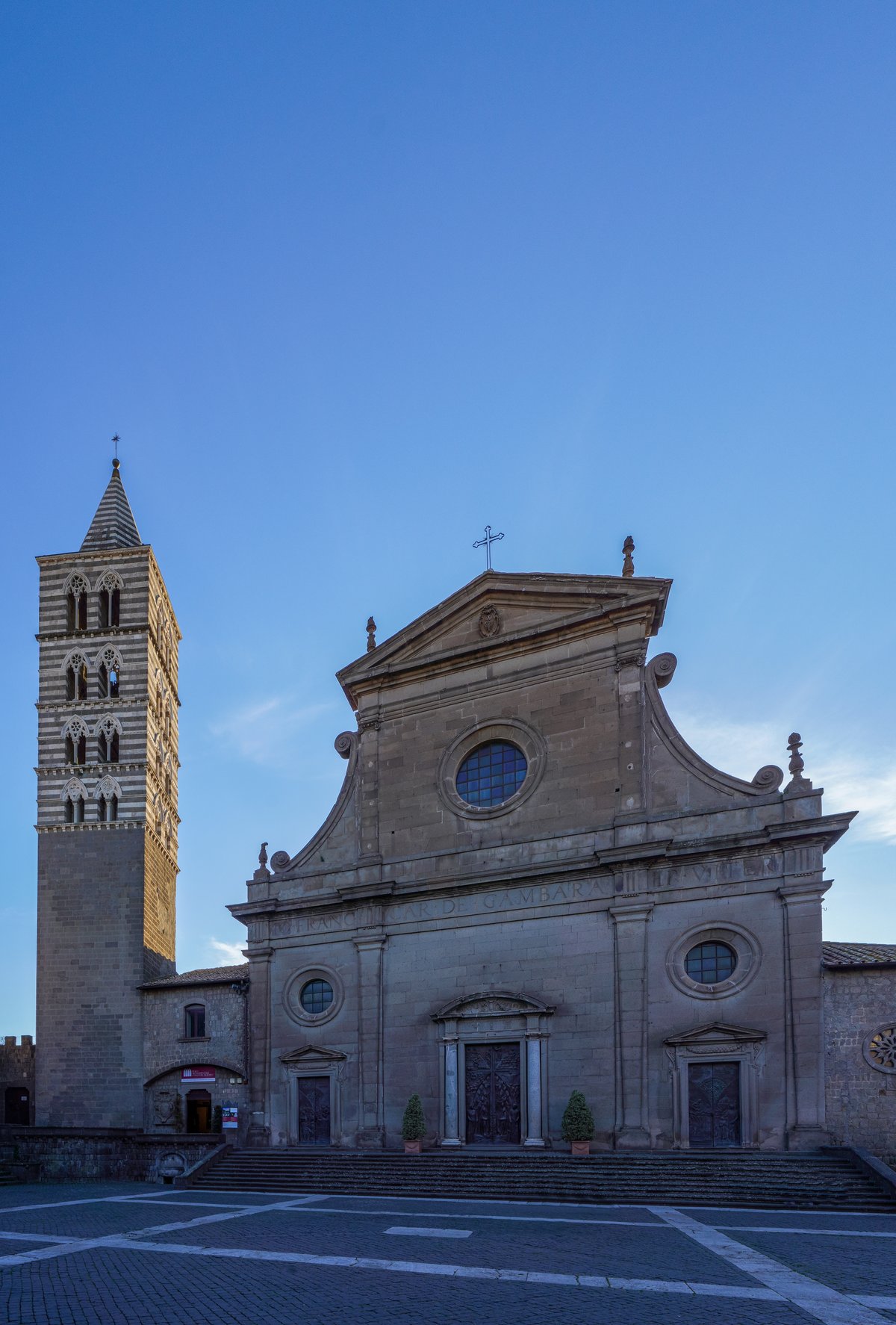 St. Lawrence Cathedral stands majestically in Piazza San Lorenzo, dominating the panorama of Viterbo's historic center. This sacred building, dedicated to the city's patron saint, represents a masterpiece of Romanesque architecture with Gothic elements added in subsequent centuries. Inside, visitors are struck by the gilded coffered ceiling and the intimate atmosphere that invites contemplation. Particularly significant is the chapel dedicated to St. Rose, patron saint of Viterbo, where precious relics are preserved. The façade, although remodeled after damage from World War II, maintains its austere charm with the central rose window filtering light into the nave. It's worth observing up close the thirteenth-century bell tower, one of the city's most recognizable symbols, which rises above the roofs of the medieval quarter. Its location next to the Papal Palace creates a monumental complex of extraordinary historical importance.
- Piazza San Lorenzo, Viterbo (VT)
- Open in Google Maps
- View on Google Images
You should go if...
Stop no. 3
Museum of the Cathedral Hill
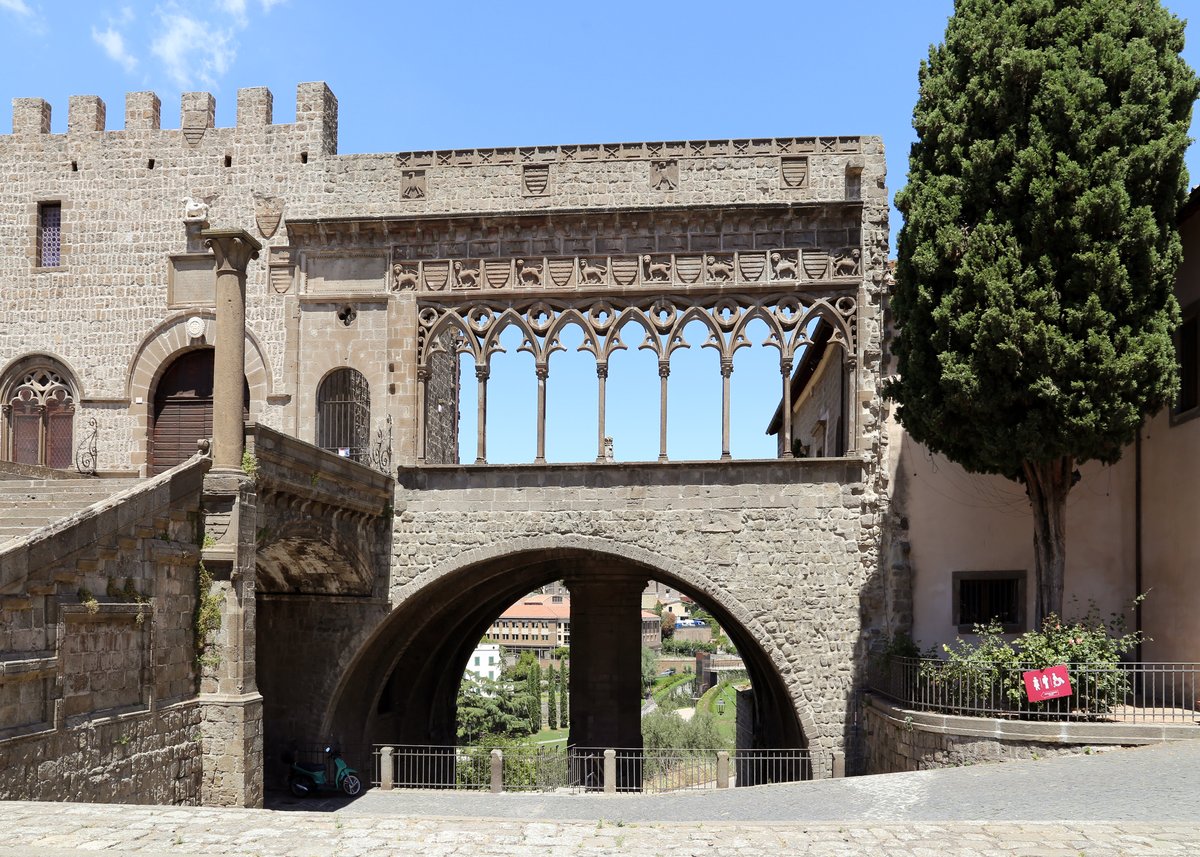 Just outside the Cathedral, you'll find the Museum of the Cathedral Hill, located right at 10 Piazza San Lorenzo. This exhibition space offers a comprehensive exploration of Viterbo's history through artifacts spanning from the Etruscan era to the Middle Ages. Among the most significant works are the 13th-century sculptural fragments from the nearby Papal Palace and a collection of medieval ceramics that showcase the vibrancy of local craftsmanship. Particularly fascinating is the section dedicated to sacred vestments and liturgical furnishings, which complete the understanding of religious life during the papal period. The museum's strategic location, just steps away from the main monuments, makes it an essential stop for anyone wanting to fully grasp the essence of medieval Viterbo.
- Piazza San Lorenzo 10, Viterbo (VT)
- https://www.archeoares.it/museo-colle-del-duomo/
- Open in Google Maps
- View on Google Images
You should go if...
Stop no. 4
San Silvestro
 Leaving the Museo del Colle del Duomo behind, you'll immerse yourself in the intimate atmosphere of Piazza del Gesù, where the Church of San Silvestro stands. This religious building, dating back to the 12th century, represents one of the best-preserved examples of Viterbo Romanesque architecture. The facade made of local peperino stone, characterized by the portal surmounted by a bifora window, retains its original charm intact. Inside, the single nave with its wooden truss ceiling preserves traces of 14th-century frescoes depicting episodes from the lives of saints. Particularly interesting is the side chapel dedicated to Saint Bartholomew, with its decorated altar. The church's location in the heart of the medieval quarter makes it a silent witness to city life through the centuries, offering a moment of contemplative pause during your exploration of the historic center.
- Piazza del Gesù, Viterbo (VT)
- Open in Google Maps
- View on Google Images
You should go if...
Stop no. 5
Gesù Fountain
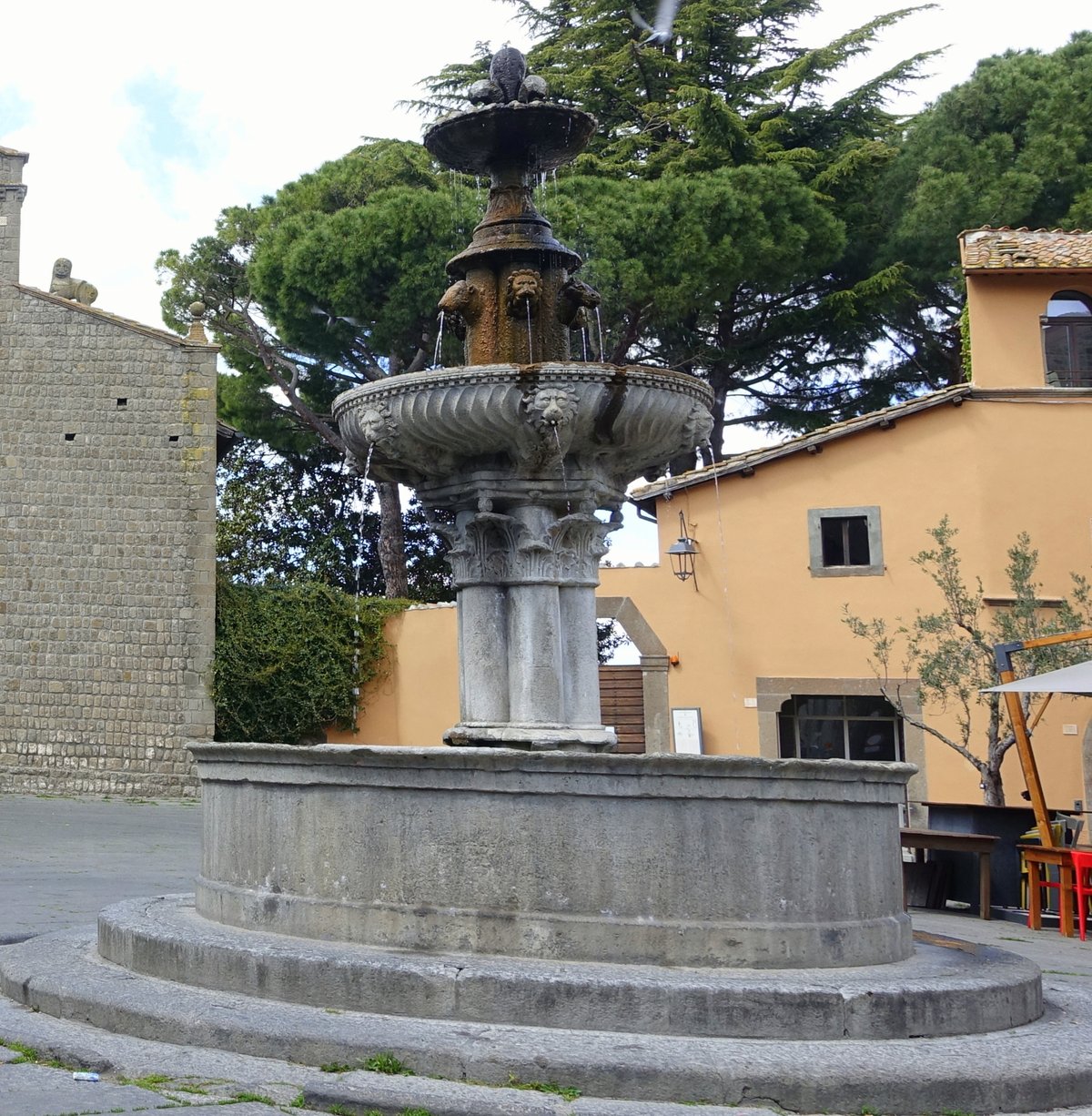 Continuing your exploration of Piazza del Gesù after visiting San Silvestro, you'll encounter the Gesù Fountain, a 13th-century masterpiece that embodies Viterbo's medieval hydraulic ingenuity. Crafted from local peperino stone, it features an octagonal structure with bas-relief decorations depicting vegetal motifs and heraldic symbols, showcasing the sculptural artistry of the era. Its four water spouts, still functional today, once supplied the neighborhood residents, making it a social hub. The central location, adjacent to the namesake church, makes it an ideal stopping point to admire the circular architecture and reflect on the role of fountains in medieval communal life, offering an authentic and intimate atmosphere.
- Piazza del Gesù, Viterbo (VT)
- Open in Google Maps
- View on Google Images
You should go if...
Stop no. 6
Santa Maria Nuova
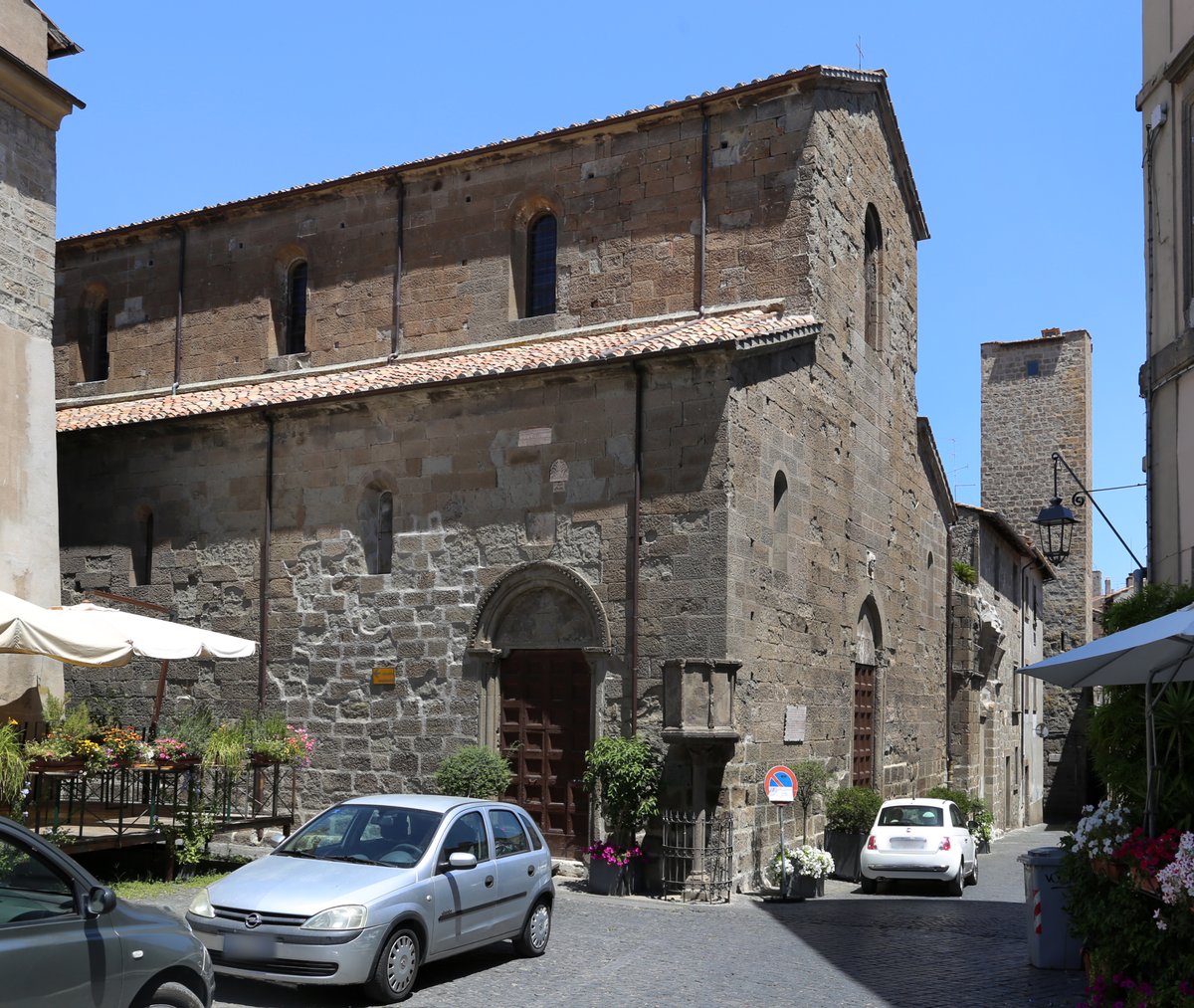 Leaving the Fontana del Gesù behind, you'll reach Santa Maria Nuova, considered Viterbo's oldest church, founded in the 8th century. The Romanesque building features a distinctive bell gable and interiors that reveal 13th-14th century frescoes, including notable works from the Viterbo school. Particularly remarkable are the painted starry sky on the ceiling and the reused Roman columns, evidence of historical layering. Its location in the square offers an intimate atmosphere, away from the main tourist flow, ideal for appreciating the city's medieval essence through authentic architectural details and contemplative silence.
- Piazza Santa Maria Nuova, Viterbo (VT)
- Open in Google Maps
- View on Google Images
You should go if...
Stop no. 7
San Sisto
 Arriving at Piazza San Sisto, you're welcomed by an intimate atmosphere that contrasts with the livelier rhythms of the city center. The Church of San Sisto, built in the 12th century, represents a jewel of Viterbo's Romanesque architecture, with its local stone facade showing the marks of time. Inside, the 14th-century frescoes stand out, narrating sacred stories, while the structure preserves original elements such as reused Roman columns. Its secluded location allows you to appreciate the architectural details without crowds, offering a moment of reflection on the city's medieval past. This is a place where history can be touched firsthand, through the stones and artworks that have withstood the centuries.
- Piazza San Sisto, Viterbo (VT)
- Open in Google Maps
- View on Google Images
You should go if...
Stop no. 8
Santa Rosa
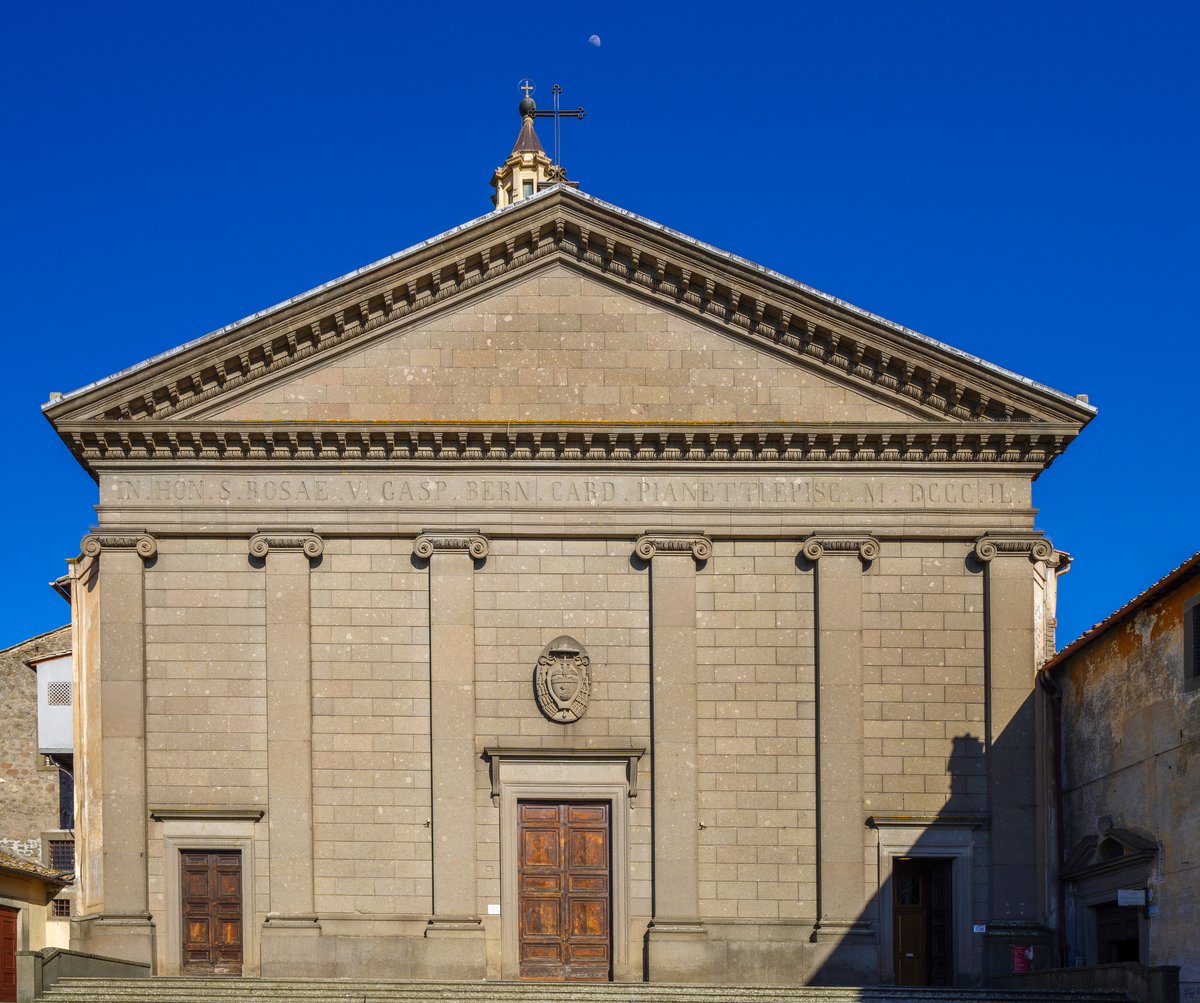 Leaving behind the tranquility of San Sisto, you'll immerse yourself in the devotional atmosphere of Via Santa Rosa, where the sanctuary dedicated to Viterbo's patron saint safeguards the remains of this 14th-century saint. The church, rebuilt in the 17th century over a previous medieval structure, features a Baroque facade that contrasts with the essentiality of its interiors, dominated by the chapel housing Santa Rosa's incorrupt body. Here, every September 3rd, the famous Macchina di Santa Rosa comes to life—a towering structure over 30 meters high that processes through the city streets in a centuries-old ritual. Visitors can admire the ex-votos and paintings recounting the saint's miracles, breathing in the profound spirituality that animates this symbolic place of Viterbo's identity.
- Via Santa Rosa, Viterbo (VT)
- Open in Google Maps
- View on Google Images
You should go if...