Introduction
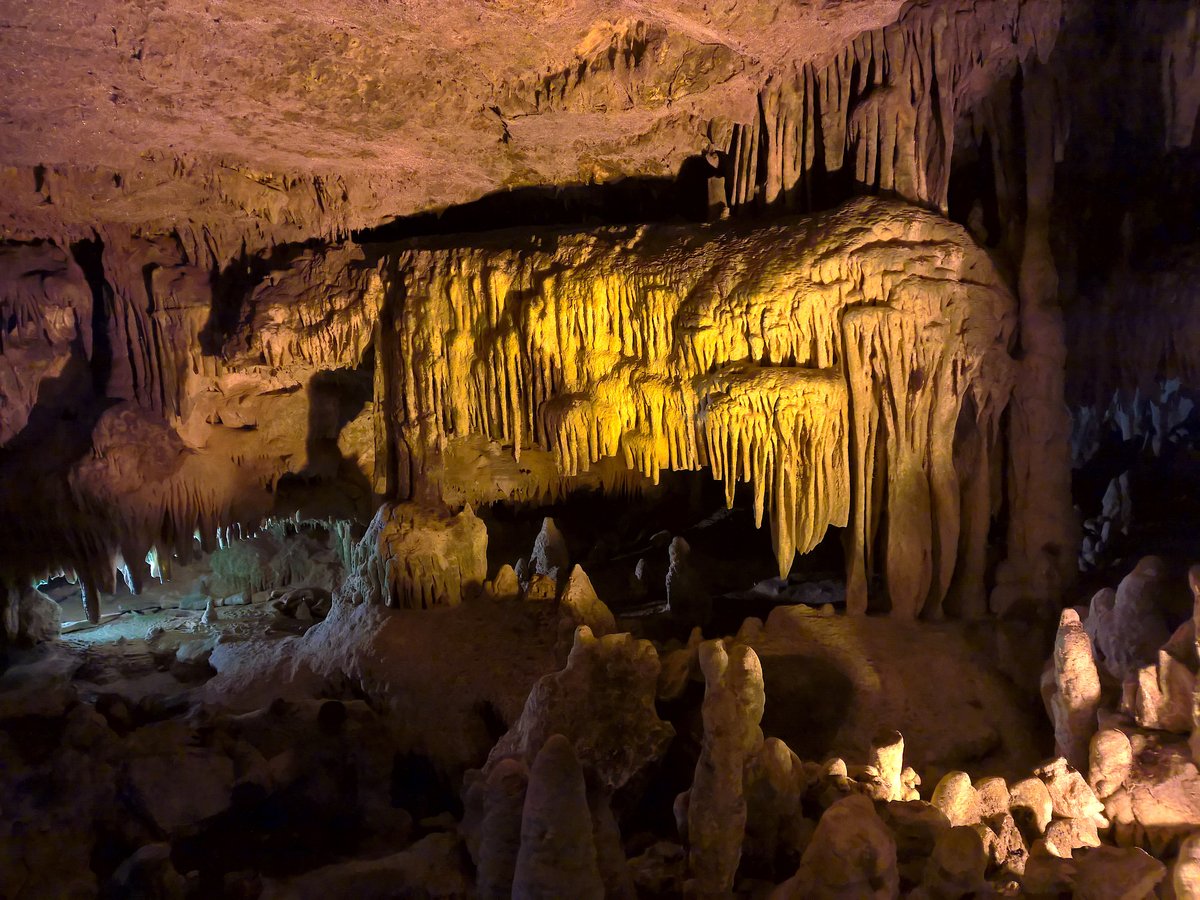
Descending into the Castellana Caves is like stepping onto another planet. I’m not exaggerating: as soon as you cross the entrance, the Apulian heat vanishes, and you find yourself in a world of damp silence and impossible shapes. Stalactites hang like gigantic stone droplets, stalagmites look like sculptures shaped by a mad artist, and the air carries that scent of damp earth that lingers on you. The White Cave in particular is a spectacle: walls so white they seem made of spun sugar, illuminated in a way that creates surreal plays of light. I went there with my ten-year-old nephew, and he didn’t stop whispering ‘wow’ for a full hour. It’s not just a visit; it’s a total sensory experience that makes you completely forget what’s above.
Historical Notes
These caves have existed for millions of years, but we humans only discovered them in 1938. The story is almost cinematic: a group of local speleologists, led by Vito Matarrese, descended into what appeared to be a simple karst sinkhole and found this underground labyrinth. Imagine their faces when their torches first illuminated the Cavern of Monuments. In the 1950s, work began to make them safely accessible to visitors, and today they are one of Italy’s most important hypogean complexes.
- 1938: official discovery during a speleological expedition
- 1950s: start of safety works and path setup
- Today: over 3 km of illuminated and accessible tourist route
The Path of Wonders
There are two main routes, but I highly recommend the complete one if you have no mobility issues. You start at the Grave, the enormous 60-meter-high entrance cave that takes your breath away just by itself. Then you gradually descend through narrow corridors and immense halls. The Wolf’s Cave gets its name from a formation that resembles a crouching wolf—it took me a while to see it, but once you spot it, you won’t forget it. The highlight comes towards the end: the aforementioned White Cave, but also the Nativity Hall with its columns that look like petrified trees. Watch out for the lower passages: being tall, I had to duck a couple of times, but it’s absolutely worth it. The guide explains everything with passion, without becoming boring.
Microclimate and Sensations
One thing I didn’t expect is how different the environment is down there. Outside, it might be 35 degrees Celsius with the sun beating down, but inside, the temperature stays around 16-18°C, with humidity nearing 90%. The initial impact is almost a shock, but after five minutes, you get used to it. The air is so clean it feels like you’re breathing better, even though the humidity fogs up glasses a bit. The silence is almost tangible, broken only by the echo of voices and the steady drip of water that continues to shape the formations. Sometimes, the guides turn off all the lights to let you experience total darkness: a disorienting experience that makes you feel very small. I recommend bringing a light sweatshirt even in summer, and comfortable shoes with non-slip soles—the floor is wet in some sections.
Why Visit
First: it’s highly accessible. There are trails suitable for everyone, families included, and the guides make the visit interesting without being overwhelming. Second: it’s a living piece of natural history. Those formations grow just a few millimeters each year, so what you’re seeing took geological ages to form. Third: it offers a completely different perspective on Puglia. Everyone knows the sea and the trulli, but few realize that beneath the typical olive groves lies this parallel world. Personally, it impressed me more than many museums: here, nature is the artist, and the result is unpredictable and always different depending on how the light hits the formations.
When to Go
The beauty is that it works well in any season. In summer, it’s a cool refuge when it’s scorching outside; in winter, it shelters you from the damp cold. But if I really have to choose, I’d say autumn. Why? Because after the visit, you can enjoy the warm colors of the Apulian countryside, and perhaps stop at a masseria to taste the new olive oil. Inside the caves, nothing changes, but the combination with the autumn atmosphere outside creates a pleasant contrast. I’d avoid days of heavy rain only because the entrance might be a bit more crowded with people seeking shelter.
In the Surroundings
After exiting the caves, don’t rush away. Castellana Grotte itself is worth a stroll through its historic center, with its white houses and narrow streets. Not far away is Alberobello with its iconic trulli – it might seem obvious, but it’s truly worthwhile, especially if you’ve never seen them in person. If you want to continue the underground theme, nearby there are other karst cavities that are less touristy but interesting for enthusiasts. I combined caves and trulli in one day, and the contrast between the architecture above ground and the natural formations below was the perfect connecting thread.