Noto Antica: The Ruins of the City Destroyed by the 1693 Earthquake

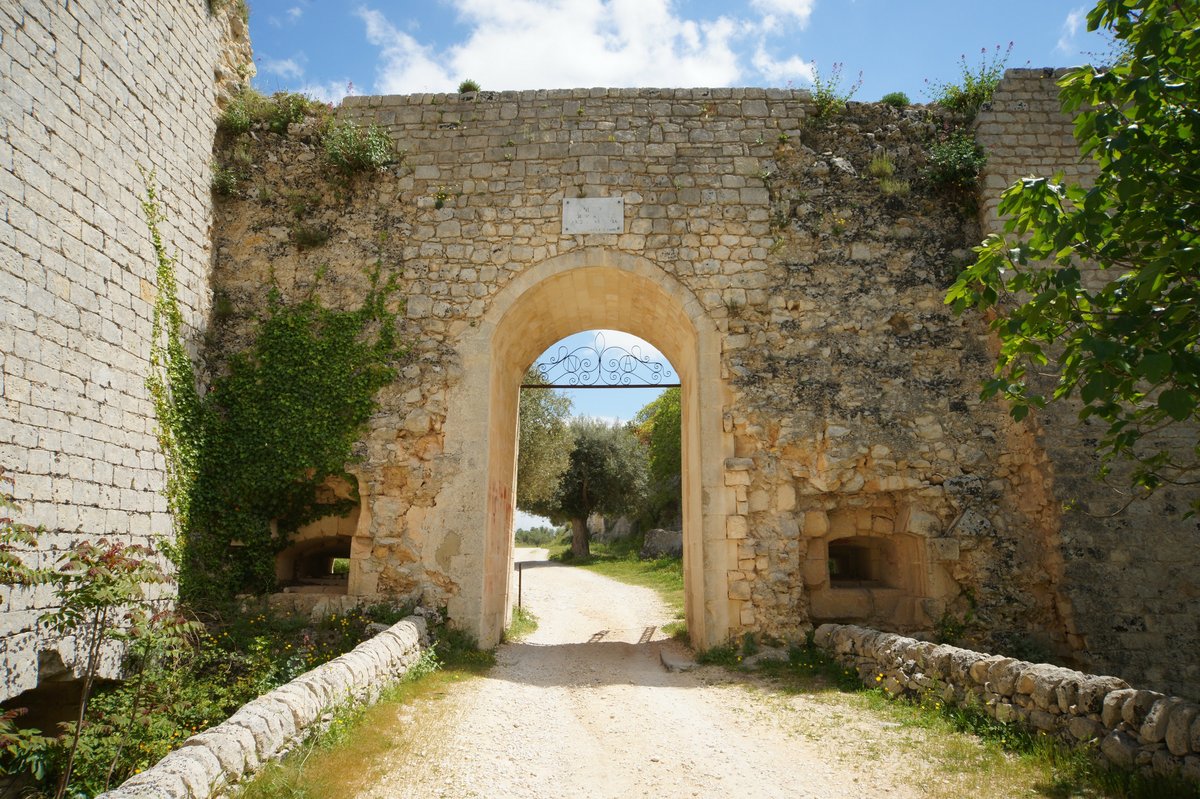
Noto Antica is the site of the ancient city of Noto, abandoned after the 1693 earthquake and now a fascinating complex of medieval ruins immersed in nature. Perfect for a half-day excursion, it offers a dive into Sicilian history away from the crowds. Well-preserved medieval ruins such as the Porta Reale and the remains of the Castle. Breathtaking panoramas over the Noto Valley and Monte Alveria. Hiking trail of about 2 km starting from Noto, suitable for everyone. Evocative and silent atmosphere, ideal for photography and reflection.


Events nearby


Copertina itinerario Noto Antica: The Ruins of the City Destroyed by the 1693 Earthquake
The evocative ruins of Noto Antica, the ancient city destroyed by the 1693 earthquake, featuring medieval remains and valley views. Accessible via a trail from Noto, ideal for historical excursions.

Good to know


Introduction

Leave behind the Baroque splendor of Noto and take the path leading to Noto Antica. It’s a leap back in time, a place where silence speaks louder than the stones. Reaching the top, you’re greeted by a breathtaking panorama over the Asinaro Valley, with ruins emerging from the vegetation. This isn’t a perfectly curated museum site; it’s an authentic, somewhat wild spot where you can touch the history that abruptly halted here. The atmosphere is incredibly evocative: you can almost hear the echo of the 1693 earthquake that erased this city from the map, shifting everything downhill. An experience that makes you reflect, more than just a simple visit.

Historical Overview

Noto Antica was not always a ruin. For centuries it was a thriving Arab-Norman city, perched on this hill for defense. Then, on January 11, 1693, the great earthquake that shook southeastern Sicily almost completely leveled it. The decision was drastic: rebuild the city further down the valley, giving birth to the Baroque Noto we know today, a UNESCO World Heritage site. Up here, the remains were left, slowly reclaimed by nature. Walking among the ruins, you can still recognize traces of the castle, the cathedral, and some churches, like San Michele Arcangelo. A timeline for orientation:

  • Ancient Era: Sicilian and Greek settlements in the area.
  • Middle Ages: fortified city under Arab and Norman rule.
  • January 11, 1693: catastrophic earthquake.
  • Late 1600s: abandonment and reconstruction in the valley.
  • Today: archaeological-natural site.

What to see among the ruins

Don’t expect explanatory signs everywhere. The beauty of Noto Antica lies precisely in discovering with your own eyes. Look for the remains of the Porta Reale, the original entrance to the city, and then lose yourself among the dry stone walls of medieval houses, where cacti and prickly pears sprout. The most exciting point, in my opinion, are the ruins of the Cathedral of San Nicolò: only the apses and part of the nave remain, but they give an idea of the lost grandeur. Not far away, the church of San Michele still preserves a few arches. The castle, in a dominant position, offers the best view. Bring a bottle of water and comfortable shoes: the terrain is uneven and in some places the vegetation is thick. It’s an exploration, not a stroll in the city center.

The Trail and the Arrival

Reaching Noto Antica is an integral part of the experience. The well-marked trail starts right from the center of Noto (from Porta Reale or the nearby road to Testa dell’Acqua). It’s a moderately challenging uphill walk that winds through olive groves and fields. It’s not very long, but the incline is noticeable. As you climb, the view of the valley opens up, and the Baroque town of Noto becomes increasingly small below. Arriving among the ruins rewards every effort. Personally, I find that the trail helps disconnect from modernity and mentally prepares you to enter that ancient world. Note: there are no facilities at the top, so organize everything before setting out.

Why Visit It

For at least three concrete reasons. First: it’s a powerful contrast with the Baroque perfection of Noto. Moving from the opulence of the churches on Via Nicolaci to these austere ruins is an experience that adds depth to the journey. Second: it’s a free and unrestricted place, away from the crowds, where you can stay as long as you like without schedules. Third: the view over the Asinaro Valley and, on the clearest days, all the way to the sea, is simply spectacular and offers unique photographs. It’s the kind of destination that satisfies those seeking real history, not just postcards.

When to Go

Avoid the midday hours on summer days: it gets intensely hot and there’s no shade. The best time, in my experience, is early morning or late afternoon. The light is low, warm, and highlights the textures of the stones and the colors of the valley. In spring, between April and May, the vegetation is lush and in bloom, while in autumn the air is cooler and the colors are warm. In winter it can be windy, but clear days offer exceptional visibility. In short, it’s good almost anytime, as long as you plan your clothing accordingly.

In the Surroundings

The visit to Noto Antica pairs perfectly with two nearby experiences. First, of course, explore Noto, the reconstructed Baroque city, with its Cathedral and Palazzo Nicolaci. It’s the immediate comparison between the ‘before’ and ‘after’. Secondly, if you enjoyed the archaeological-naturalistic aspect, consider a trip to Vendicari, the natural reserve with its coastal towers, salt pans, and trails through Mediterranean scrubland. It’s another facet of the territory, more connected to the sea and wild nature. Two different worlds, just a few kilometers apart.

Itineraries nearby


💡 Did You Know…?

Noto Antica was not just destroyed by the earthquake: according to local chronicles, some inhabitants refused to abandon it, believing that the medieval walls would protect them better than the new constructions. Today, among the ruins, one can still see the signs of the fires set to force them to move to the new Baroque Noto. A detail that makes the visit even more vivid.