
The Diocesan Museum of Ascoli Piceno, housed in the Bishop’s Palace, offers a journey through centuries of religious and artistic history in the Marche region. The collection spans from the Middle Ages to the Renaissance, featuring unique works that illuminate the connection between art and faith in the area. The intimate and serene atmosphere invites visitors to linger over the details of the artworks, away from the more crowded tourist paths.
- Gilded leather altar frontals – an artistic specialty of Ascoli between the 16th and 17th centuries, with unique reliefs and luminosity
- Sacred goldsmithing – chalices, monstrances, and reliquaries in precious metals, including a 15th-century bust reliquary
- 15th-century illuminated manuscripts – manuscripts showcasing the skill of Ascoli’s artisans
- Liturgical vestments – fabrics embroidered with gold thread and silk from the 18th century
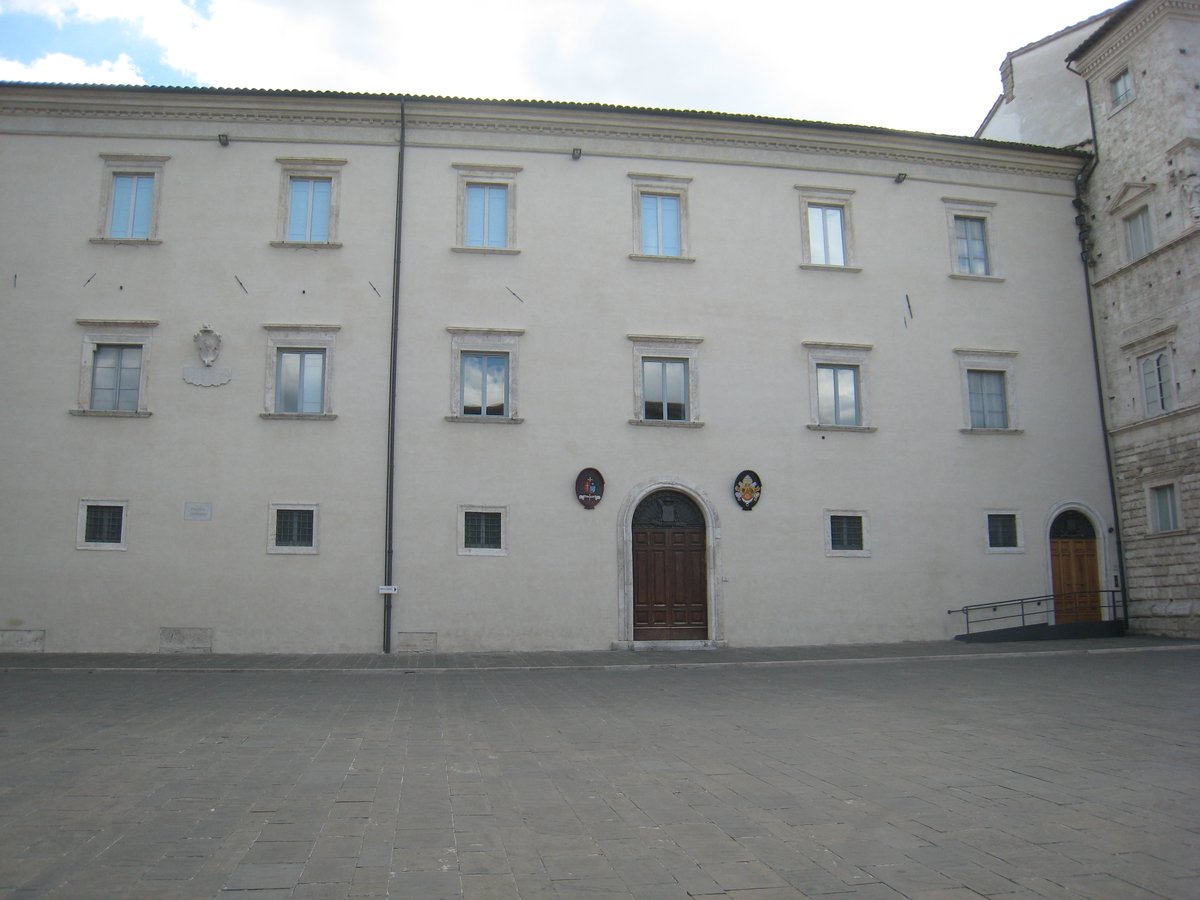
Sacred Art from the Middle Ages to the Renaissance in the Bishop’s Palace: gilded leather altar frontals, 15th-century illuminated manuscripts, reliquaries, and liturgical vestments. A well-organized exhibition route in the historic center.
- https://www.museodiocesanoascoli.it/
- Piazza Arringo 10, Ascoli Piceno (AP)
- Open in Google Maps
- View on Google Images Museo Diocesano a Ascoli Piceno
Good to know
Introduction
Historical Overview
- 12th-14th centuries: Processional crosses and reliquaries in embossed copper.
- 15th-16th centuries: Altar frontals in gilded leather and panel paintings.
- 1961: Official opening of the museum in the former bishop’s palace.
- Today: Ongoing activities of study and enhancement.
The Treasure of Goldsmithing
The Paliotti: An Ascoli Rarity
Why Visit
When to Go
In the Surroundings
💡 Did You Know…?
A curiosity that makes the visit special: the museum houses a reliquary in the shape of an arm that, according to tradition, contained the relics of Saint Emygdius, the patron saint of Ascoli Piceno. This object, made of silver and precious stones, was carried in procession during patronal festivities. Another fascinating detail concerns some 18th-century liturgical vestments, embroidered with gold and silk threads, showing how local textile production was renowned centuries ago. These elements are not just works of art, but living testimonies of the devotion and craftsmanship that have shaped the identity of this city.