Diocesan Museum of Ancona: 14th-Century Crucifix and Marche Region Sacred Art

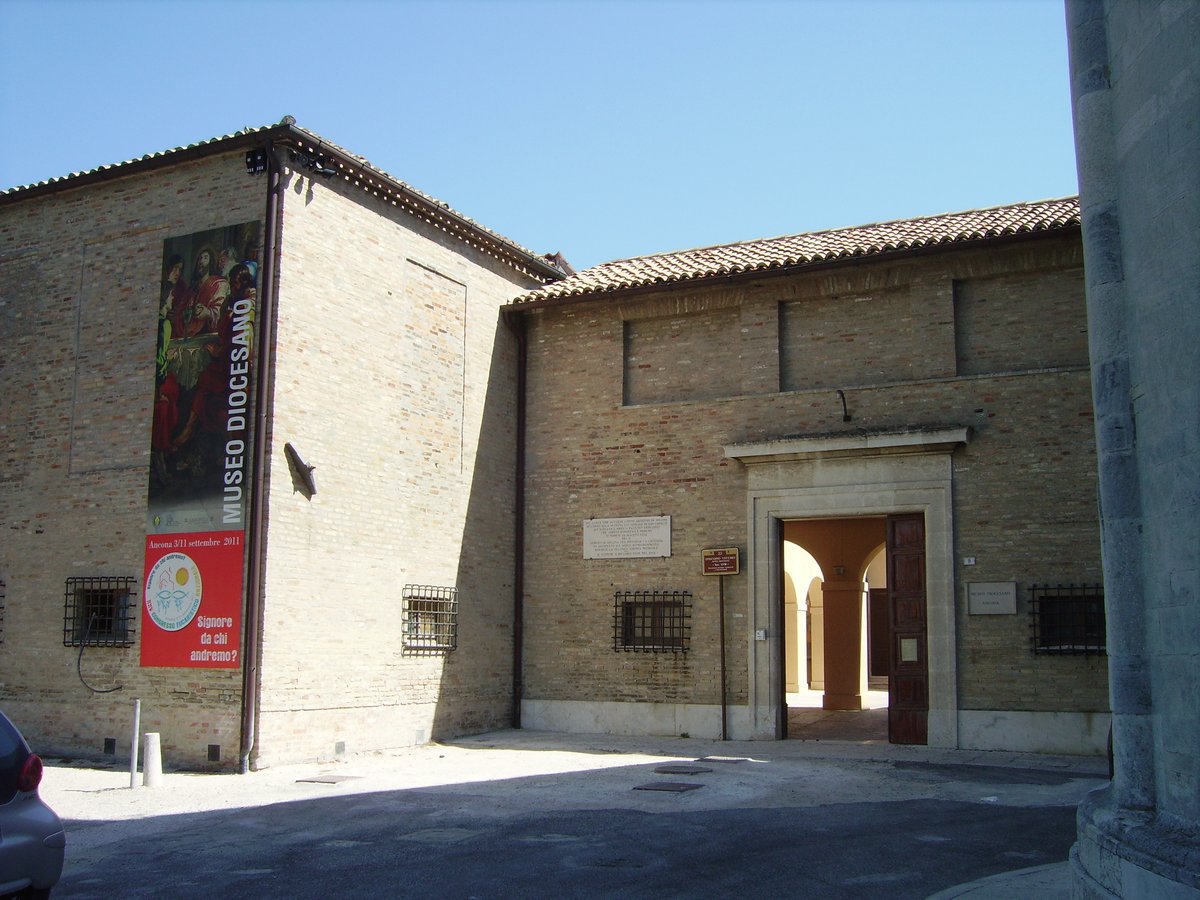
The Diocesan Museum of Ancona, located in the Bishop’s Palace just steps from the Cathedral, preserves the artistic heritage of the diocese with works spanning from the Middle Ages to the Baroque era. It is an intimate and well-maintained space, away from the crowds, offering a cultural pause in the heart of the historic center.

  • 14th-century wooden Crucifix with an intense expression of Christ
  • Paintings by Andrea Lilli, a 16th-century Ancona painter
  • Embroidered sacred vestments and silver chalices in illuminated display cases
  • Chronological journey from the Middle Ages to the Baroque period with clear captions

Copertina itinerario Diocesan Museum of Ancona: 14th-Century Crucifix and Marche Region Sacred Art
The museum in the Bishop’s Palace displays sacred art from the Middle Ages to the Baroque period, featuring works by Andrea Lilli and a chronological journey through Ancona’s historic center.

Good to know


Introduction

As soon as you cross the threshold of the Diocesan Museum of Ancona, you’re greeted by an atmosphere steeped in history and devotion. It’s not just a museum, but a true treasure trove of sacred art nestled in the heart of the city, just steps away from the Cathedral of San Ciriaco. Here, time seems to stand still, among works that tell centuries of faith and creativity in the Marche region. The feeling is that of entering an intimate, almost secret place, where every piece has a story to reveal. Personally, I was struck by how well-maintained the spaces are, yet without the coldness sometimes found in larger museums. It’s a place that speaks directly, without needing lengthy explanations.

Historical Background

The museum was established in 1990 by the will of the Archbishop, with the aim of collecting and preserving the artistic heritage of the Archdiocese of Ancona-Osimo. The works come from churches in the province, some of which have been deconsecrated or damaged, thus saved from dispersion. This is not a collection that came about by chance, but the result of a precise conservation project. Among the oldest pieces are medieval wooden sculptures, while the most substantial core dates from the Renaissance and Baroque periods, times of great artistic flourishing for Ancona. The location itself, in the premises of the former Archbishop’s Seminary, adds an additional layer of historical significance.

  • 1990: Foundation of the museum
  • Middle Ages-Renaissance: Acquisition of the first works from local churches
  • 2000s: Reorganization and expansion of exhibition spaces

Works That Make You Stop

Walking through the halls, two things made me pause longer. The first is a 14th-century wooden crucifix, with an expression of Christ so intense it seems alive. It’s one of those works that, even if you’re not an expert, conveys a strong emotion. Then there are the paintings by Andrea Lilli, a 16th-century painter from Ancona who may not be as famous as others, but here he stands out with his canvases rich in details and colors. Seeing his works in the context for which they were created, that is, local devotion, gives a sense of authenticity rarely found elsewhere. I found myself searching for details in the drapery and backgrounds, almost as if I were on an artistic treasure hunt.

The Exhibition That Tells a Story

It’s not just what you see, but how it’s shown to you. The museum features a well-designed path that chronologically guides you from the Middle Ages to the Baroque period, ensuring you never feel lost. The captions are clear without being overly technical, making it easy to immerse yourself effortlessly. I particularly appreciated how some works are displayed to take advantage of the natural light filtering through the windows, creating shadow plays that change throughout the day. It’s a detail that makes the visit dynamic, almost as if the artworks are breathing with you. Perhaps it’s not a huge museum, but this attention to detail makes all the difference.

Why Visit It

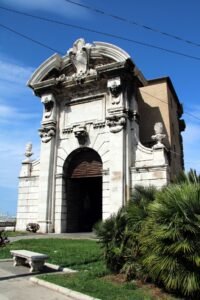
Three concrete reasons to include it in your itinerary. First, it’s a concentrated showcase of Marche art that you’ll rarely find elsewhere so well contextualized. Second, the location is strategic: in Ancona’s historic center, just a few minutes’ walk from other points of interest like the Arch of Trajan. Third, it offers a peaceful break from the city’s hustle and bustle, perfect for reflection or simply enjoying a moment of beauty without crowds. And let’s be honest, it’s a way to discover a lesser-known aspect of Ancona, beyond the port and beaches.

When to go

The best time? An autumn afternoon, when the warm sunlight streams through the windows and magically illuminates the artworks. Or, if you prefer to avoid the summer heat, a spring morning as the city slowly wakes up. I’d avoid the midday hours on the hottest days, not because of the museum itself, which is well air-conditioned, but because the climb up to the Duomo can be tiring. Personally, I visited on a Sunday and it was quiet, almost like having the place to myself. The light truly makes a difference here, so play with it.

In the Surroundings

After leaving the museum, two thematic experiences await you just steps away. The first is obvious but unmissable: the Cathedral of San Ciriaco, which overlooks the city from the top of Guasco Hill. The view of the port and the Adriatic Sea alone makes the climb worthwhile. Then, if sacred art has captured your interest, take a quick trip to the Church of Santa Maria della Piazza, with its Romanesque facade and the remains of early Christian mosaics beneath the floor. Both are places that complete the story begun at the museum, like chapters of the same book.

Itineraries nearby


💡 Did You Know…?

Among the most significant works is the Reliquary of San Ciriaco, crafted by local goldsmiths in the 15th century and still venerated during patron saint festivities. A detail few notice: some paintings feature panels with scenes of medieval daily life alongside sacred representations, offering a unique glimpse into the society of the time. The silverware room houses an 18th-century chalice with engravings so fine they seem traced with a needle, a testament to the skill of Marche artisans.