Halaesa Arconidea, founded in 403 BC, was one of the first Siceliote cities to ally with Rome, and today its archaeological site offers remains of a forum, temples, and paved streets, set among olive groves with views of the Tyrrhenian Sea. Downstream, Castel di Tusa (Marina di Tusa) is a coastal village with Blue Flag beaches, ideal for a day at the sea among pebbles and crystal-clear waters. Don’t miss the Fish Festival in the first ten days of August, where you can relive the maritime tradition with grilled sardines and wine.
Greek-Roman ruins: forum, temples, colonnades, and a possible theater.
Blue Flag beaches: Spiaggia delle Lampare and Spiaggia Marina, free entry and clear water.
Fish Festival: summer event with fish and wine tasting.
How to get there: by car from the A20 (Tusa exit) or by train to Castel di Tusa station, renovated in 2021.
Welcome to Halaesa Arconidea
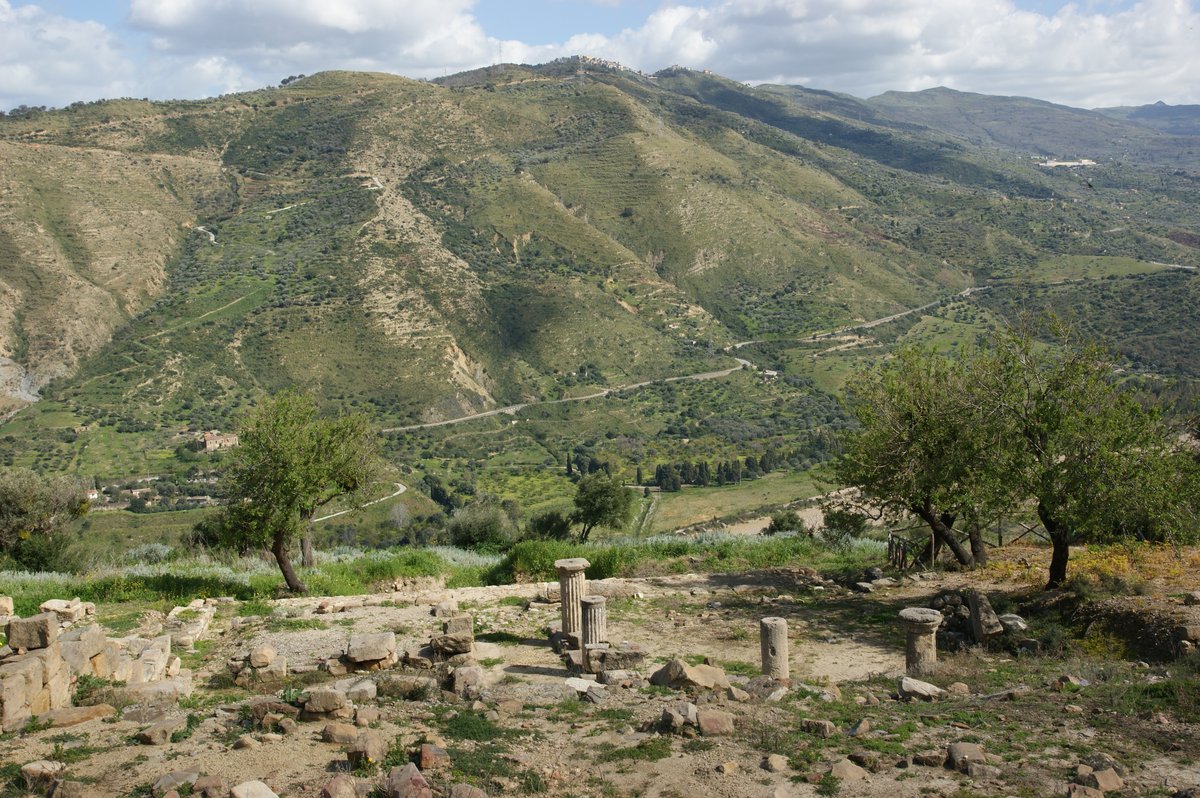
Imagine a hill covered in olive trees, with a sea view, and beneath your feet the stones of an ancient Greek city. Halaesa Arconidea, founded in 403 BC, is an archaeological park that smells of history and Mediterranean scrub. A short distance away, Castel di Tusa awaits you with its pebble beaches and a Blue Flag sea. It’s the perfect spot if you’re looking for a dive into the past without giving up a swim.
Welcome to Halaesa Arconidea
Imagine a hill covered in olive trees, with a sea view, and beneath your feet the stones of an ancient Greek city. Halaesa Arconidea, founded in 403 BC, is an archaeological park that smells of history and Mediterranean scrub. A short distance away, Castel di Tusa awaits you with its pebble beaches and a Blue Flag sea. It’s the perfect spot if you’re looking for a dive into the past without giving up a swim.
Historical Overview
Founded in 403 BC by Greek colonists, Halaesa was one of the first Siceliot cities to ally with Rome. It experienced centuries of flourishing maritime trade, until an earthquake in the 9th century AD destroyed it. The survivors later founded modern-day Tusa. In the Middle Ages, the Ventimiglia family built Castello San Giorgio (13th century) and the coastal village became the area’s natural port. Pirate raids led to the construction of defensive towers such as Torre di Selichenti. Today, the archaeological site is managed as a park.
Historical Overview
Founded in 403 BC by Greek colonists, Halaesa was one of the first Siceliot cities to ally with Rome. It experienced centuries of flourishing maritime trade, until an earthquake in the 9th century AD destroyed it. The survivors later founded modern-day Tusa. In the Middle Ages, the Ventimiglia family built Castello San Giorgio (13th century) and the coastal village became the area’s natural port. Pirate raids led to the construction of defensive towers such as Torre di Selichenti. Today, the archaeological site is managed as a park.
Strolling through the Forum and Temples
Climbing among the olive trees, you come across the remains of the Roman forum, cobbled streets, and a few still-standing columns. It’s not a huge site, but it has the charm of having been there for millennia, with the Tyrrhenian Sea as a backdrop. You can wander at ease, read the explanatory panels, and imagine the life that once flowed through it. Local guides (if you catch them) tell anecdotes that bring it all to life.
Strolling through the Forum and Temples
Climbing among the olive trees, you come across the remains of the Roman forum, cobbled streets, and a few still-standing columns. It’s not a huge site, but it has the charm of having been there for millennia, with the Tyrrhenian Sea as a backdrop. You can wander at ease, read the explanatory panels, and imagine the life that once flowed through it. Local guides (if you catch them) tell anecdotes that bring it all to life.
Castel di Tusa: Beaches and Grilled Sardines
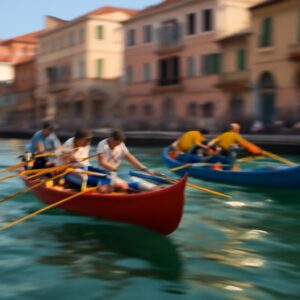
Down in the valley, Castel di Tusa is a fishing village with two free beaches: Spiaggia delle Lampare and Spiaggia Marina. Smooth pebbles and crystal-clear water. But the real highlight is the Sagra del Pesce (Fish Festival), during the first ten days of August: for over a century, the locals have offered grilled sardines and wine to everyone, to commemorate a storm in the 1900s that drove exhausted fishermen ashore, where they were revived by the community. One more reason to visit in summer.
Castel di Tusa: Beaches and Grilled Sardines
Down in the valley, Castel di Tusa is a fishing village with two free beaches: Spiaggia delle Lampare and Spiaggia Marina. Smooth pebbles and crystal-clear water. But the real highlight is the Sagra del Pesce (Fish Festival), during the first ten days of August: for over a century, the locals have offered grilled sardines and wine to everyone, to commemorate a storm in the 1900s that drove exhausted fishermen ashore, where they were revived by the community. One more reason to visit in summer.
Why Visit It
1. An archaeological park with a sea view, uncrowded and well-maintained. 2. Two free, clean beaches with Blue Flag status, perfect for families. 3. The Fish Festival: a dive into maritime tradition with the scent of sardines. It’s not just history, it’s an experience that connects past and present.
Why Visit It
1. An archaeological park with a sea view, uncrowded and well-maintained. 2. Two free, clean beaches with Blue Flag status, perfect for families. 3. The Fish Festival: a dive into maritime tradition with the scent of sardines. It’s not just history, it’s an experience that connects past and present.
When to Go
If you want to experience the Fish Festival, go during the first ten days of August. The sea is warm and the village comes alive. But if you prefer to visit Halaesa at a leisurely pace, aim for May or September: the temperatures are mild, the sun isn’t scorching, and there are few tourists. Early morning is also magical, when the site is still in the shade.
When to Go
If you want to experience the Fish Festival, go during the first ten days of August. The sea is warm and the village comes alive. But if you prefer to visit Halaesa at a leisurely pace, aim for May or September: the temperatures are mild, the sun isn’t scorching, and there are few tourists. Early morning is also magical, when the site is still in the shade.
In the Surroundings
A few kilometers away, the medieval village of Tusa (the one on the hill) is worth a visit, with its urban layout and mother church. Still in the area, you can follow the coastal road eastwards and discover other hidden coves. If you love strong flavors, head straight to Cefalù (30 km) for a dive into the historic center.
In the Surroundings
A few kilometers away, the medieval village of Tusa (the one on the hill) is worth a visit, with its urban layout and mother church. Still in the area, you can follow the coastal road eastwards and discover other hidden coves. If you love strong flavors, head straight to Cefalù (30 km) for a dive into the historic center.