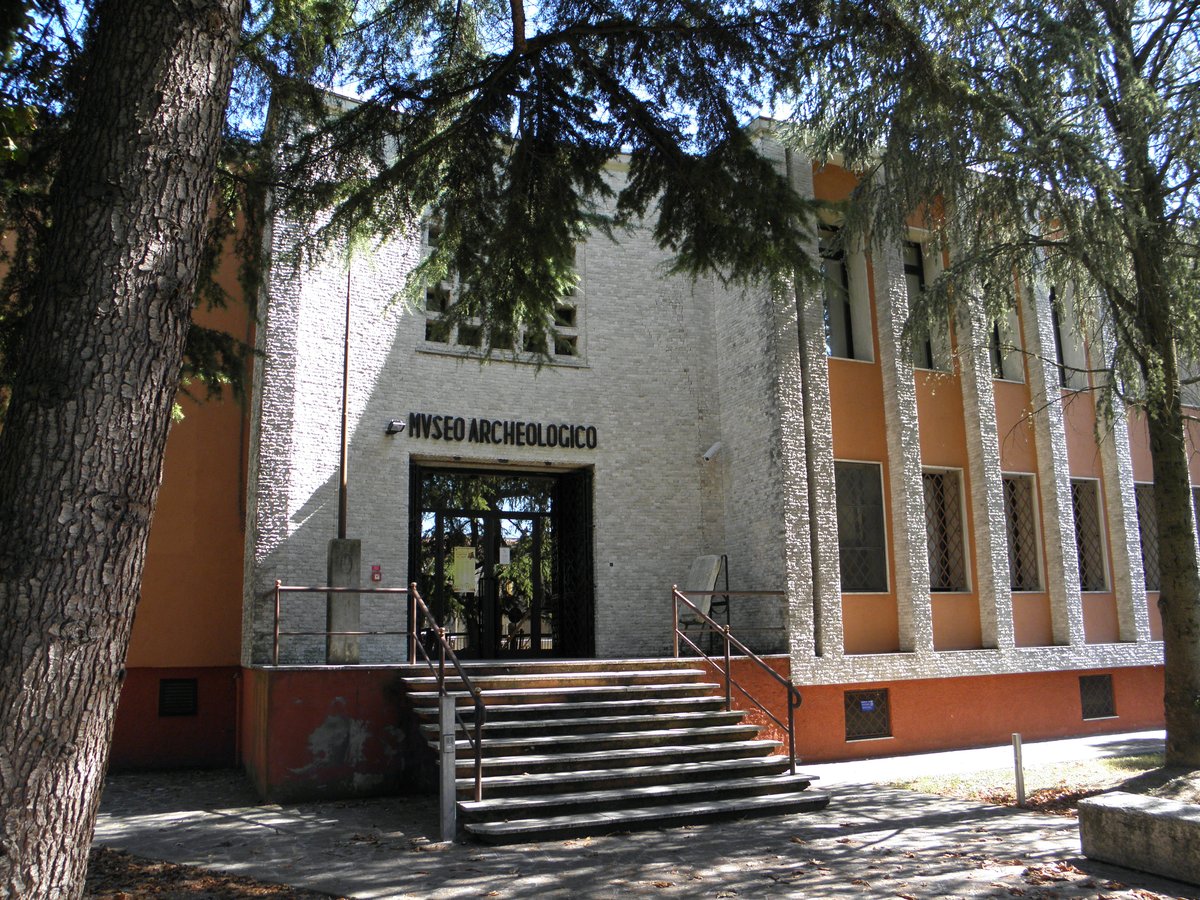
Introduction
Stepping into the National Archaeological Museum of Adria is like opening a window onto the most distant past of the Polesine region. You’re welcomed by an intimate atmosphere where every display case tells stories of peoples who traversed these lands when Adria was a major trading port. The Etruscan collection is among the most significant in northern Italy, with artifacts that testify to the exchanges between the Adriatic civilization and the Mediterranean. Don’t expect a huge museum, but rather a treasure chest where every object carries precise historical weight. The chronological layout naturally guides you through the centuries, from the Paleo-Venetian period to the Roman era, making the visit intuitive even for non-experts.
Historical Overview
The museum was established in 1904 to preserve the artifacts unearthed during excavations that revealed Adria’s significance as a commercial crossroads. The city takes its name from the Adriatic Sea, which once lapped these shores. The Etruscans established a trading post here as early as the 6th century BC, followed by the Romans who made it a municipium. The collections primarily originate from local necropolises, such as Ca’ Cima, which have yielded exceptional funerary assemblages.
- 6th century BC: Documented Etruscan presence
- 4th century BC: Celtic influence
- 2nd century BC: Romanization of the territory
- 1904: Museum foundation
- 2015: Latest major restoration
Etruscan Jewels
The Etruscan section is the heart of the museum, with artifacts that astonish through their sophistication. The gold and amber jewelry pieces are among the most precious in northern Italy, showcasing the wealth of trade exchanges. Particularly impressive are the grave goods from the Tomb of the Biga, featuring the almost intact funeral chariot and bronze harnesses. The Attic black-figure and red-figure ceramics testify to contacts with Greece, while the Etruscan inscriptions on vases and personal items reveal a cultured and organized society. Each display case tells the story of merchants, artisans, and aristocrats who made Adria a leading center in the ancient Adriatic.
Roman Daily Life
The Roman section immerses you in the everyday life of ancient Adria. The floor mosaics from patrician homes preserve vibrant colors despite the centuries, with geometric and figurative patterns that speak of wealth and artistic taste. The bronze surgical instruments discovered testify to an advanced level of medicine, while the lamps and household objects reconstruct family habits. Particularly interesting is the collection of glassware, with cups and bottles showcasing the mastery of local artisans. The funerary inscriptions tell personal stories of freedmen, soldiers, and merchants who populated the city.
Why Visit
Three concrete reasons not to miss this museum: first, the Etruscan collection is unique in its kind for northern Italy, with artifacts that are rare elsewhere; second, the visit is focused and well-organized, ideal even for those with limited time who want to grasp the essence of local history; third, the admission ticket is affordable and often includes temporary exhibitions that delve into specific aspects of Polesine archaeology. In an hour and a half, you can get a complete overview of this territory’s evolution, from its origins to the Roman era.
When to Go
The best time to visit is in the early afternoon, when natural light streams through the high windows, perfectly illuminating the artifacts in the display cases. During the spring and autumn months, visitor numbers are more manageable, allowing you to calmly admire the most significant pieces. Avoid holiday weekends, when school groups crowd the halls. If you prefer tranquility, weekdays are ideal for enjoying the museum’s intimate atmosphere at your own pace.
In the Surroundings
Complete your archaeological experience with a visit to the Museum of the Great Rivers in Rovigo, which explores the relationship between humans and water in the Polesine region. For a striking contrast, head to the Adria Cathedral, built on ancient Roman foundations and housing medieval and Renaissance artworks. Both sites are within walking distance from the museum and offer different perspectives on the area’s history.