Ostiano Castle: Medieval Fortress with Perfect Walls and Views Over the Plain

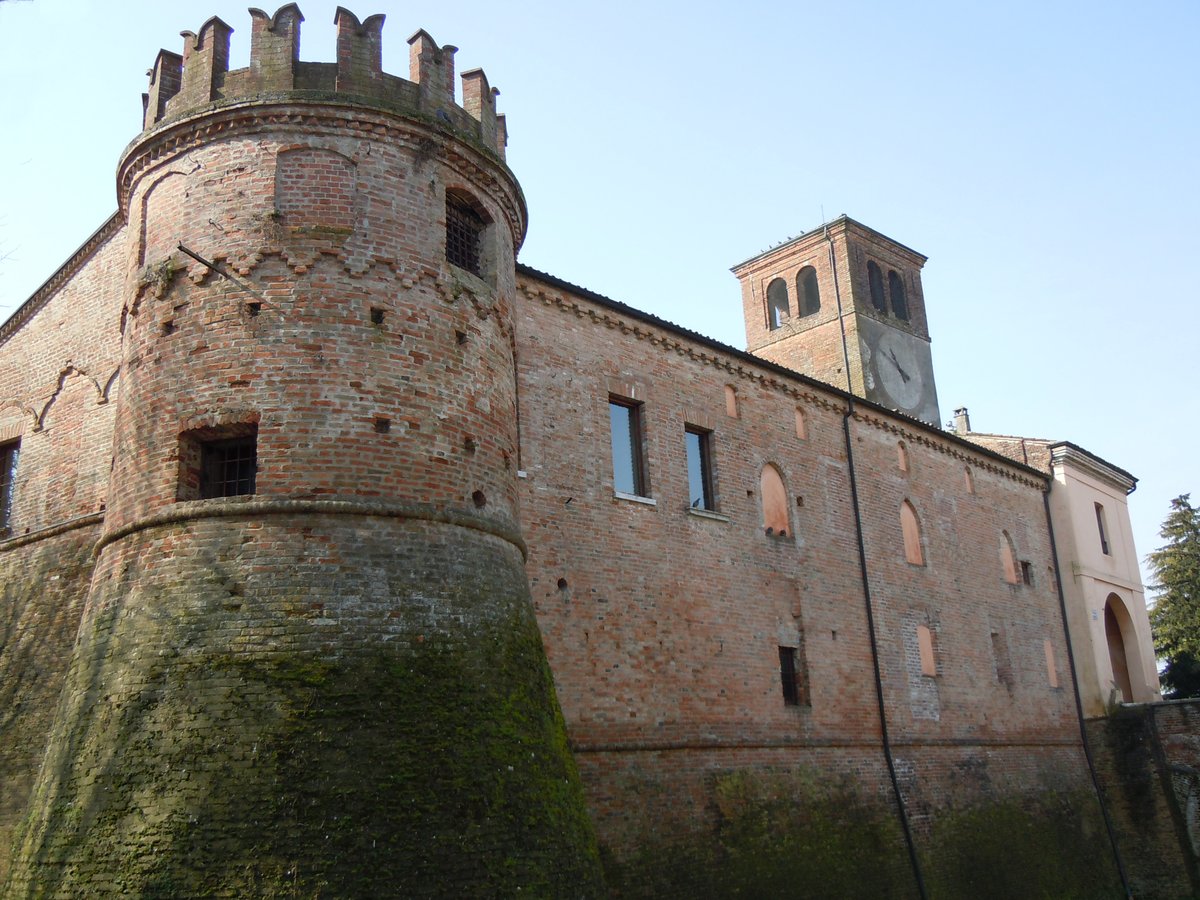
Ostiano Castle is a perfectly preserved medieval fortress overlooking the Cremonese village. Its brick and mortar walls tell centuries of history between the Visconti and Gonzaga families, with a strategic position on the Via Postumia. The authentic atmosphere, away from mass tourism, makes the visit a unique experience.

• Medieval defensive architecture with a quadrangular layout and corner towers
• Panoramic view over the Cremonese plain from the artificial hillock
• Walks through the cobbled alleys of the historic village
• Opportunity to taste Cremonese specialties like salami and mostarda
Copertina itinerario Ostiano Castle: Medieval Fortress with Perfect Walls and Views Over the Plain
A medieval brick fortress with a quadrangular layout and perfectly preserved corner towers. Admire the defensive architecture, stroll through the cobbled alleys, and enjoy the panoramic view from the hillock. Free access to the exterior spaces.

Good to know


Introduction

The Castle of Ostiano rises from the Po Valley as an imposing medieval fortress that dominates the small Cremonese village. Its perfectly preserved brick and terracotta walls tell centuries of history across the Lombard lands. Walking through the cobblestone alleys surrounding the castle, you breathe in an authentic atmosphere, far from mass tourism. The view from the main tower embraces the surrounding countryside, with cultivated fields stretching to the horizon. This is not just a monument, but a living place where the Ostianese community keeps traditions alive. The structure, with its dry moat and sturdy walls, offers unique photographic perspectives, especially at sunset when the warm light enhances the brick colors.

Historical Overview

Ostiano Castle has origins dating back to the 12th century, when it was built as a defensive outpost by the Cremonese against Brescia. In 1335, it came under the rule of the Visconti of Milan, becoming an important military garrison. During the Renaissance, it was contested between Venice and the Duchy of Milan, enduring several sieges. In 1707, with the arrival of the Austrians, it lost its military function and was converted into a noble residence. Today, it belongs to the Municipality and has been restored while preserving its original medieval structure. Its walls have hosted historical figures such as Francesco Sforza and were the scene of battles during the Italian Wars.

  • 12th century: construction as a Cremonese fortress
  • 1335: Visconti rule
  • 15th century: disputes between Venice and Milan
  • 1707: end of military function under the Austrians
  • Today: municipal ownership and conservative restoration

Unique Military Architecture

The uniqueness of Ostiano Castle lies in its quadrangular layout with corner towers that majestically rise above the walls. The exposed brickwork, typical of Lombard architecture, creates a chromatic effect that changes with the daylight. Inside, you can still see the archer slits and the perfectly preserved patrol walkways. The inner courtyard, spacious and paved, was the beating heart of castle life. It occasionally hosts cultural events that evoke the medieval atmosphere. The dungeons, accessible on special occasions, show how the manor’s defense was organized. Every architectural detail tells the story of a fortress that has withstood the test of time.

Local Gastronomic Traditions

Visiting Ostiano also means tasting the Cremonese specialties found in the establishments near the castle. Cremona salami and fruit mostarda are the stars of the tastings organized in the village. During the autumn festivals, you can try marubini, typical stuffed tortelli filled with slow-cooked meat, prepared according to ancient recipes passed down through generations. Local wineries offer regional wines like San Colombano, which pair perfectly with traditional dishes. Don’t miss the cheeses from the Po Valley, including Grana Padano produced in the surrounding farmsteads. A complete food and wine stop enhances your castle visit experience.

Why Visit It

Three concrete reasons to include Ostiano Castle in your itinerary: first, the free accessibility of the outdoor areas allows you to admire the architecture without any cost; second, the isolated location ensures a peaceful visit, away from the crowds; third, the proximity to local farms offers the opportunity to combine your visit with authentic food and wine experiences. Additionally, photos taken from the walls provide unique views of the Cremonese countryside. The castle is perfect for those seeking an authentic and less commercialized corner of Lombard history.

When to Go

The most enchanting time to visit Ostiano Castle is during the summer evenings, when the setting sun casts a red glow on the brick walls and the air fills with the scents of the countryside. In spring, the blooming fields surrounding the village create a spectacular color contrast with the medieval architecture. Avoid the midday hours on the hottest summer days, opting instead for early morning or late afternoon to enjoy the best light for photography. On September weekends, local events often bring the castle courtyard to life.

In the Surroundings

To complete your visit, head to the Civic Museum of Crema, which houses medieval artifacts connected to the history of the Cremona area. For a culinary experience, stop at one of the wineries along the Cremonese Flavor Route to sample local wines paired with regional cured meats and cheeses. Both locations perfectly complement your exploration of Ostiano Castle, offering deeper insights into the culture and traditions of this part of Lombardy.

💡 Did You Know…?

Few know that the castle hosted the famous condottiero Giovanni dalle Bande Nere in 1525, wounded in the Battle of Pavia. Legend has it that his ghost still appears on full moon nights, wandering among the walls. Another curiosity: beneath the keep, secret tunnels are said to extend, connecting the castle to the village houses, used during sieges for supplies and escapes.