Palazzo Roverella in Rovigo: Art Exhibitions of Chagall and De Chirico in a Renaissance Palace

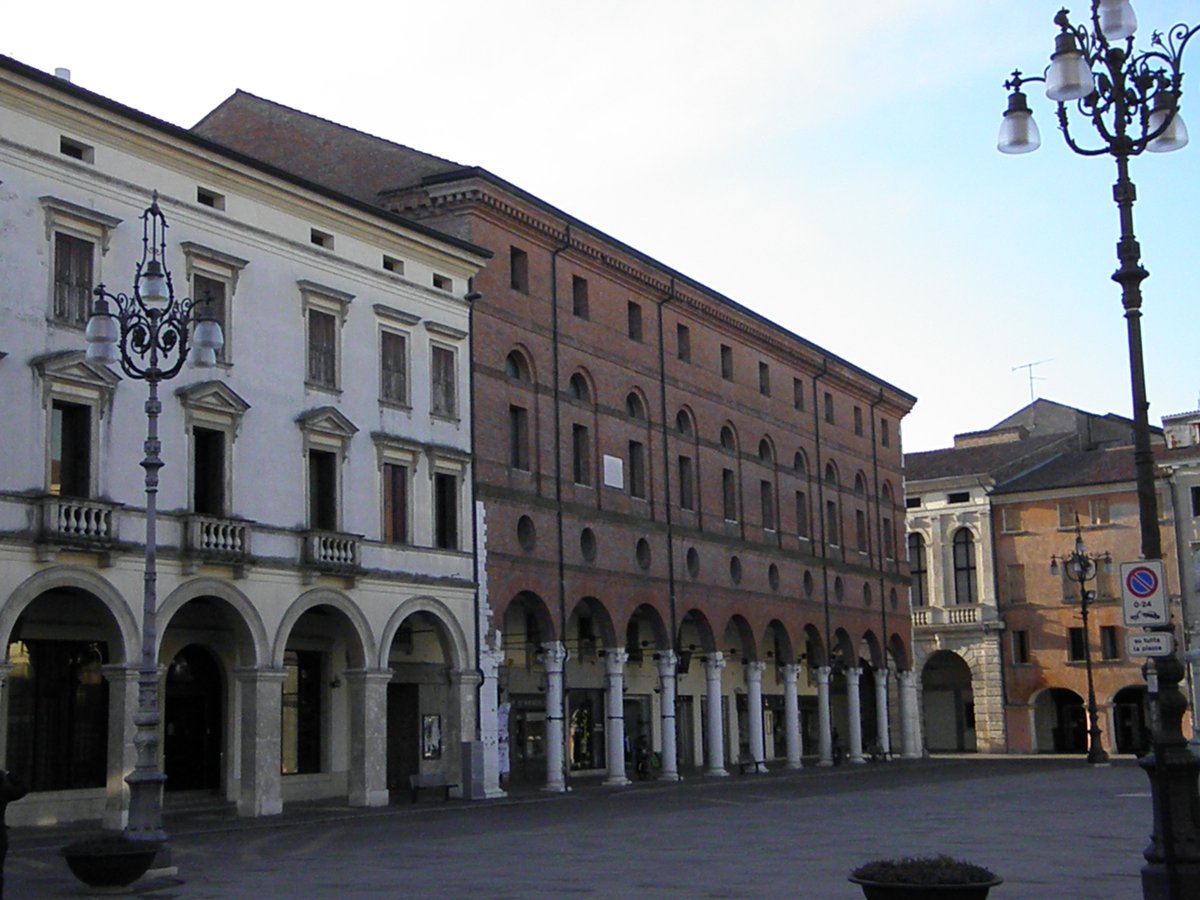
Palazzo Roverella is a Renaissance cultural hub in the center of Rovigo that hosts temporary exhibitions of artists like Chagall and De Chirico, often with loans from international museums. The building itself, with its brick and Istrian stone facade, porticoed courtyard, and frescoed halls, offers an intimate and authentic cultural experience away from the crowds of major art cities.

  • High-level temporary exhibitions featuring works by international artists
  • Renaissance building with brick facade, porticoed courtyard, and frescoed halls
  • Intimate and authentic atmosphere ideal for stress-free visits
  • Admission ticket often includes detailed audio guides
Copertina itinerario Palazzo Roverella in Rovigo: Art Exhibitions of Chagall and De Chirico in a Renaissance Palace
Palazzo Roverella in Rovigo hosts high-level temporary exhibitions featuring works by international artists within a Renaissance building boasting a porticoed courtyard and frescoed halls in the historic center.

Good to know


Introduction

As soon as you arrive in Piazza Vittorio Emanuele II, Palazzo Roverella immediately catches your eye: it’s a Renaissance jewel that dominates the center of Rovigo with its brick facade and elegant mullioned windows. It’s not just a historic building, but a vibrant cultural hub hosting high-level temporary exhibitions, attracting enthusiasts from all over Italy. Upon entering, you breathe in a unique atmosphere where contemporary art dialogues with ancient structures, creating an immersive experience. It’s the beating heart of Rovigo’s culture, perfect for those seeking more than just a simple museum visit.

Historical Overview

Palazzo Roverella was built in 1508 by order of Cardinal Bartolomeo Roverella, a member of a powerful Ferrara family. Originally conceived as a noble residence, it has changed its purpose several times over the centuries, also serving as a public institution. Today, after careful restoration, it is managed by the Fondazione Cassa di Risparmio di Padova e Rovigo and has established itself as a nationally significant exhibition center, hosting temporary exhibitions dedicated to great masters of art, from Chagall to De Chirico.

  • 1508: Construction commissioned by Cardinal Bartolomeo Roverella
  • Subsequent centuries: Various uses, including as a public institution
  • Modern restoration: Reopening as a cultural hub
  • Today: Venue for high-profile temporary exhibitions

Temporary Exhibitions

The true soul of Palazzo Roverella lies in its temporary exhibitions, which change every season and range from ancient to contemporary art. Recently, it has hosted exhibitions such as “Chagall. A Tale of Two Worlds” and “De Chirico and Metaphysics”, attracting thousands of visitors. The well-lit and carefully arranged rooms allow visitors to admire works by great masters in an intimate and cozy setting, away from the crowds of the city’s major museums. It’s a unique opportunity to discover masterpieces often on loan from international collections, with a focus on quality rather than quantity.

Architecture and Interiors

Beyond the exhibitions, it’s worth taking a closer look at the palace’s architecture: the brick facade features ornate biforas and triforas, typical of Venetian Renaissance style, while inside you’ll find coffered ceilings and spacious halls that retain traces of their former grandeur. During your visit, don’t miss the internal courtyard, a quiet corner where time seems to have stood still. The spaces have been skillfully adapted to modern exhibition needs without compromising their historical character, creating a perfect balance between past and present.

Why Visit It

Visit Palazzo Roverella for three concrete reasons: first, the exhibitions are always top-notch, featuring works by internationally recognized artists; second, the environment is intimate and accessible, ideal for a stress-free visit; third, the admission ticket often includes detailed audio guides that enrich the experience. It’s an excellent alternative to the crowded museums of big cities, with the advantage of being in the heart of Rovigo, just steps away from other points of interest.

When to Go

The best time to visit Palazzo Roverella is during morning hours on weekdays, when there are fewer crowds and you can enjoy the artworks at your leisure. Avoid the opening weekends of the most anticipated exhibitions, which tend to be very crowded. In terms of season, autumn and winter are ideal for a cultural visit, with the city of Rovigo offering a tranquil and evocative atmosphere.

In the Surroundings

Complete your cultural day with a visit to the Church of the Blessed Virgin of Succour, known as “La Rotonda”, just a few minutes’ walk away – an architectural gem featuring works by Palma il Giovane. Or, if you love nature, head to the Museum of the Great Rivers, which tells the story of Polesine and its relationship with water, a central theme for this land.

💡 Did You Know…?

The palace takes its name from the Roverella family, powerful Renaissance cardinals and patrons. An interesting fact: during restoration work, traces of ancient artisan workshops were discovered beneath the foundations, evidence of Rovigo’s commercial vitality in the 1500s. Today, by hosting exhibitions like those on Boldini or Divisionism, it continues its mission of creating dialogue between past and present.