St. Stephen’s Cathedral in Biella: A Journey Between Faith and Artistic Treasures

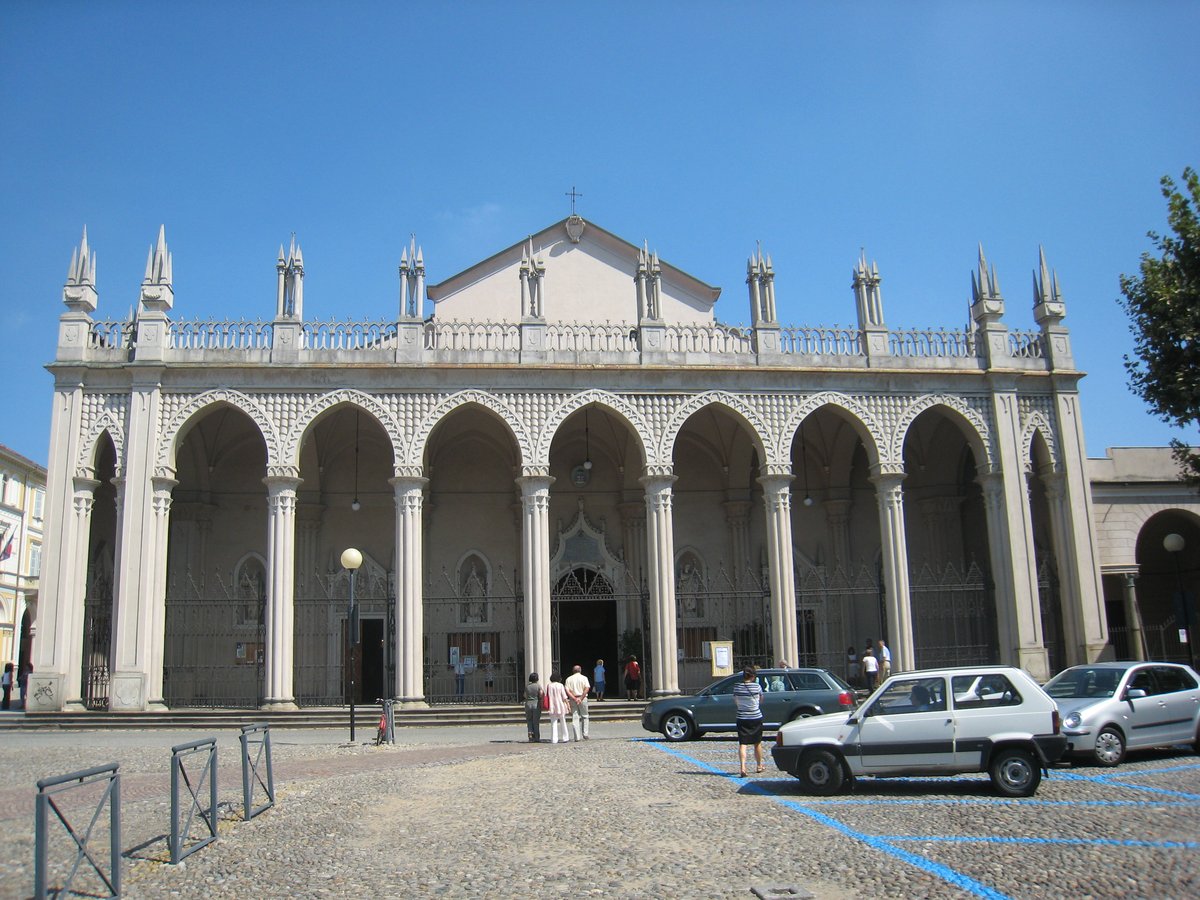
In the heart of Biella, St. Stephen’s Cathedral (Duomo) welcomes you with its Neo-Gothic façade and a history-rich interior. Built starting in 1402 as a vow against the plague, it houses treasures such as the Christ of Sunday fresco and paintings by Galliari and Fea. Here’s what not to miss:
Christ of Sunday Fresco: a rare 15th-century painting showing Christ pierced by work tools, a reminder to keep the Sabbath holy.
Artworks: admire Cogrossi’s Assumption of the Virgin and decorations by Galliari, Fea, Sevesi, and Gonin.
Baptistery of St. John: a Romanesque jewel with medieval frescoes next to the cathedral.
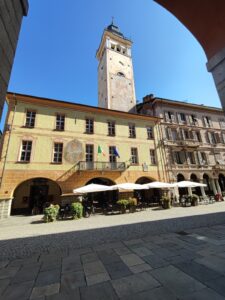
Romanesque Bell Tower: from the 11th century, witness to the ancient church of St. Stephen the Old.


Events nearby

Copertina itinerario St. Stephen's Cathedral in Biella: A Journey Between Faith and Artistic Treasures
St. Stephen’s Cathedral, the Duomo of Biella, is a Neo-Gothic masterpiece with 18th-century frescoes and the iconic Christ of Sunday. Discover opening hours, history, and works by Galliari and Fea in this captivating place of worship.

Good to know


Evocative Introduction

Entering Piazza Duomo in Biella is like leafing through an open-air history book. At its center stands the Cathedral of Saint Stephen, with its neo-Gothic façade that looks painted from a storybook. But it’s inside that the real treasure is revealed: frescoes that tell centuries of faith, and a unique masterpiece, the Christ of Sunday, which leaves you breathless. This is no ordinary church; it’s a journey through time between art and devotion.

Evocative Introduction

Entering Piazza Duomo in Biella is like leafing through an open-air history book. At its center stands the Cathedral of Saint Stephen, with its neo-Gothic façade that looks painted from a storybook. But it’s inside that the real treasure is revealed: frescoes that tell centuries of faith, and a unique masterpiece, the Christ of Sunday, which leaves you breathless. This is no ordinary church; it’s a journey through time between art and devotion.

Historical Notes

The cathedral stands on the site of an 11th-century church. The current building was commissioned by the people of Biella as a vow during the plague of 1399: work began in 1402 under master builder Giovanni Borri. In 1772 it became a cathedral with the establishment of the diocese, and architect Ignazio Giulio enlarged it. The neo-Gothic façade is by Felice Marandono (19th century). Here are the key moments:

Historical Notes

The cathedral stands on the site of an 11th-century church. The current building was commissioned by the people of Biella as a vow during the plague of 1399: work began in 1402 under master builder Giovanni Borri. In 1772 it became a cathedral with the establishment of the diocese, and architect Ignazio Giulio enlarged it. The neo-Gothic façade is by Felice Marandono (19th century). Here are the key moments:

The Artworks: From the Sunday Christ to the Frescoes

Inside, the Sunday Christ stands out, a fresco from around 1470: Christ pierced by work tools, a warning to keep the Sabbath holy. Nearby, in the Hall of the Guilds, a fifteenth-century Madonna. The side aisles are decorated by Giovanni Antonio Galliari and Pietro Fea with biblical scenes: Baptism, Resurrection, Last Supper. The apse houses the Assumption of the Virgin by Carlo Cogrossi (1874). A true open-air museum.

The Artworks: From the Sunday Christ to the Frescoes

Inside, the Sunday Christ stands out, a fresco from around 1470: Christ pierced by work tools, a warning to keep the Sabbath holy. Nearby, in the Hall of the Guilds, a fifteenth-century Madonna. The side aisles are decorated by Giovanni Antonio Galliari and Pietro Fea with biblical scenes: Baptism, Resurrection, Last Supper. The apse houses the Assumption of the Virgin by Carlo Cogrossi (1874). A true open-air museum.

Neo-Gothic Architecture and a Millenary Bell Tower

The neo-Gothic facade, with pointed arches and spires, was designed by Felice Marandono. Inside, three naves with cruciform pillars and an austere atmosphere. Next to it, the Romanesque bell tower from the 11th century, a survivor of the ancient church of Santo Stefano Vecchio. The Baptistery of San Giovanni, with a square plan and semicircular apses, preserves fragments of medieval frescoes. A corner of Piedmont that feels like northern Europe.

Neo-Gothic Architecture and a Millenary Bell Tower

The neo-Gothic facade, with pointed arches and spires, was designed by Felice Marandono. Inside, three naves with cruciform pillars and an austere atmosphere. Next to it, the Romanesque bell tower from the 11th century, a survivor of the ancient church of Santo Stefano Vecchio. The Baptistery of San Giovanni, with a square plan and semicircular apses, preserves fragments of medieval frescoes. A corner of Piedmont that feels like northern Europe.

Why Visit It

1) The Christ of Sunday: a rare iconography, almost impossible to find elsewhere. 2) The frescoes by Galliari and Fea: a lesson in 18th-century sacred art. 3) The intimate atmosphere and the opportunity to attend a mass in a place steeped in history. Not just tourism, but an experience of faith and art.

Why Visit It

1) The Christ of Sunday: a rare iconography, almost impossible to find elsewhere. 2) The frescoes by Galliari and Fea: a lesson in 18th-century sacred art. 3) The intimate atmosphere and the opportunity to attend a mass in a place steeped in history. Not just tourism, but an experience of faith and art.

When to go

I recommend visiting it at Easter, when the procession from the cathedral to the baptistery recalls ancient baptismal rites. But also on a weekday afternoon, when the low light filters through the stained glass and the naves fill with silence. Avoid the rush hour of Masses if you want to enjoy the art in peace.

When to go

I recommend visiting it at Easter, when the procession from the cathedral to the baptistery recalls ancient baptismal rites. But also on a weekday afternoon, when the low light filters through the stained glass and the naves fill with silence. Avoid the rush hour of Masses if you want to enjoy the art in peace.

Around the Area

Just outside, don’t miss the Baptistery of San Giovanni, a Romanesque masterpiece with 13th-century frescoes. And in the square, the Moses Fountain (1885) by Biella-born sculptor Giuseppe Bottinelli. For a dive into devotion, a few kilometers away is the Oropa Sanctuary, but even Biella’s center is worth a stroll.

Around the Area

Just outside, don’t miss the Baptistery of San Giovanni, a Romanesque masterpiece with 13th-century frescoes. And in the square, the Moses Fountain (1885) by Biella-born sculptor Giuseppe Bottinelli. For a dive into devotion, a few kilometers away is the Oropa Sanctuary, but even Biella’s center is worth a stroll.

Itineraries nearby


💡 Did You Know…?

A little-known fact: the Christ of Sunday is not just an artwork but a popular warning. According to tradition, peasants who worked on Sundays were depicted pierced by their own tools. During Easter, an evocative procession starts from the cathedral to the baptistery, recalling ancient baptismal rites.