
🧭 What to Expect
- Ideal for those seeking authenticity and medieval heritage away from mass tourism.
- Highlights: Monforte Castle with panoramic views at 790 meters, Samnitic Museum with archaeological artifacts, and Romanesque churches from the 12th-14th centuries.
- Includes an interactive map with 6 stops in the historic center, from the castle to churches like San Bartolomeo and Sant'Antonio Abate.
- Experience a leisurely stroll through charming alleys, perfect for discovering hidden corners and a serene atmosphere.
The City of Campobasso is the capital of Molise, a destination that surprises with its authenticity and rich historical heritage. The Monforte Castle dominates the city from above, offering breathtaking panoramic views of the surrounding mountains. Descending towards the center, the Samnitic Museum at Palazzo Mazzarotta houses archaeological finds that tell the story of the ancient Samnites. Medieval churches like San Leonardo, San Giorgio, and Sant'Antonio Abate bear witness to centuries of art and devotion. Walking through the streets of the historic center means discovering charming corners and savoring the tranquility of a city built on a human scale, far from mass tourism.
Overview
Itineraries nearby
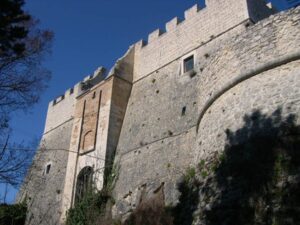
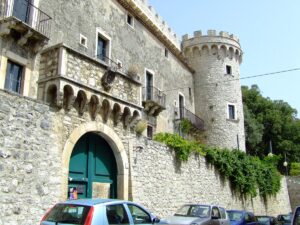

Monforte Castle
- Viale delle Rimembranze, Campobasso (CB)
- Open in Google Maps
- View on Google Images
 The Monforte Castle is the undisputed symbol of Campobasso, an imposing fortress that rises 790 meters above sea level on the city's highest hill. Built in 1459 by the will of Nicola II Monforte, this castle represents one of the best-preserved examples of military architecture in Molise. Its strategic position will reward you with a breathtaking view of the entire city and the surrounding valley, a panorama that alone makes the visit worthwhile. The structure features its characteristic square towers and massive walls that have withstood earthquakes and sieges over the centuries. Inside, you can admire the remains of ancient cisterns for rainwater collection and the rooms once used as prisons. Particularly evocative is the inner courtyard, where cultural events and summer concerts are often organized. The climb to the castle, through the characteristic alleys of the historic center, is in itself an experience that immerses you in the medieval atmosphere of Campobasso. On clear days, from the top of the walls, you can even glimpse the Matese mountains on the horizon. The castle is open year-round and admission is free, though it's always best to check the opening hours as they may vary seasonally.
Sannitic Museum Mazzarotta Palace
- Via Anselmo Chiarizia 12, Campobasso (CB)
- https://www.musei.molise.beniculturali.it/musei?mid=208&nome=museo-sannitico
- Open in Google Maps
- View on Google Images
- pm-mol@beniculturali.it
- +39 0874 412265
 If you're in Campobasso, the Sannitic Museum Mazzarotta Palace is an essential stop for anyone wanting to immerse themselves in the ancient history of Molise. Located in the historic center, this museum is housed in an 18th-century palace that's worth visiting for its elegant architecture alone. The collection is primarily dedicated to the Samnite civilization, with artifacts ranging from the 6th century BC to the Roman era. Among the most significant pieces are the iron weapons, bronze jewelry, and decorated ceramics that tell the story of daily life and traditions of this warrior people. Don't miss the section dedicated to sanctuaries, with votive offerings and statuettes that testify to the religious cults of the time. The museum is well-organized, with clear explanatory panels that guide you through the various rooms. The atmosphere is intimate and allows you to appreciate every detail without rushing. If you're an archaeology enthusiast, you'll find plenty to sink your teeth into here, but even those less experienced will be fascinated by the richness of these artifacts. A tip: dedicate at least an hour to your visit so you don't miss anything. The staff is available and competent, ready to answer your questions. Admission is charged, but the price is affordable and worth every penny.
San Leonardo
- Via Anselmo Chiarizia, Campobasso (CB)
- Open in Google Maps
- View on Google Images
 If you're looking for a place that captures the essence of Campobasso, San Leonardo is an unmissable stop. This church, located in the historic center, is a true treasure trove of medieval history and art. Built between the 12th and 13th centuries, it represents one of the most significant examples of Romanesque architecture in Molise. The façade, made of local stone and both sober and elegant, conceals interiors that house valuable frescoes, including those depicting Saint Leonard of Noblac, the patron saint of prisoners and travelers. The single nave, with its barrel vaults, creates an intimate and evocative atmosphere, perfect for a moment of reflection. Look closely at the column capitals: they are carved with vegetal motifs and symbolic figures that tell stories of devotion and daily life in the Middle Ages. The church is also tied to local traditions, such as the feast of Saint Leonard celebrated in November, an opportunity to discover ancient rituals and take part in community life. San Leonardo is not just a monument, but a living place where art and faith intertwine in a unique way. Perfect for those who love Romanesque architecture or seek a quiet corner away from the urban chaos, it offers an authentic glimpse of the most genuine Campobasso. Remember to check the opening hours, often linked to religious services, so you don't miss this hidden gem.
San Giorgio in Campobasso
- Largo Don Giovanni Battista, Campobasso (CB)
- Open in Google Maps
- View on Google Images
 When visiting Campobasso, you can't miss the Church of San Giorgio, a medieval gem that stands in the city's historic center. Built in the 12th century, this church represents one of the most significant examples of Romanesque architecture in Molise. The façade, made of local stone and both sober and elegant, conceals an interior that houses 14th-century frescoes of remarkable value, including scenes from the life of Saint George and decorative motifs that tell the story of popular devotion of the time. Upon entering, you'll immediately notice the intimate atmosphere, enhanced by the light filtering through the narrow windows, typical of the Romanesque style. The church has been restored several times but has retained its original character, as evidenced by the carved capitals with zoomorphic and vegetal figures adorning the internal columns. One striking detail is the crypt, accessible via a side staircase, where remnants of ancient flooring and traces of older frescoes are preserved. San Giorgio is not just a place of worship but a true witness to the history of Campobasso, linked to the stories of local families and the city's urban transformations. Its location, in a quiet little square, makes it an ideal stop for those seeking a moment of peace away from the hustle and bustle. During holidays, such as the patronal feast of San Giorgio on April 23rd, the church becomes the heart of celebrations, with processions and events involving the community. In short, visiting San Giorgio means immersing yourself in an authentic piece of Molise, where art, faith, and history blend into a unique experience.
Saint Anthony Abbot
- Via Sant'Antonio Abate, Campobasso (CB)
- Open in Google Maps
- View on Google Images
 The Church of Saint Anthony Abbot is one of those places that immediately makes you realize you're somewhere special. Located in the heart of Campobasso's historic center, this church dates back to the 14th century and represents one of the most interesting examples of medieval religious architecture in Molise. The façade of local stone, sober and elegant, conceals an interior that surprises with its simplicity and intimate atmosphere. What makes this church unique is its strategic position along the ancient route connecting Monforte Castle to the lower city, testifying to its central role in the religious and social life of medieval Campobasso. Inside, the raised presbytery and the particular arrangement of spaces stand out, reflecting Benedictine architectural influences. The church is dedicated to Saint Anthony Abbot, protector of animals and fire, and this devotion still manifests today during the saint's feast on January 17th, when animals were traditionally blessed. Today, despite the modifications it has undergone over the centuries, it maintains its ancient charm intact. The visit also offers the opportunity to admire some original decorative elements and to perceive that particular atmosphere of spirituality that characterizes the oldest places of worship. For those visiting Campobasso, Saint Anthony Abbot represents an essential stop to fully understand the history and traditions of this city.
San Bartolomeo
- Salita Santa Maria Maggiore, Campobasso (CB)
- Open in Google Maps
- View on Google Images
 The church of San Bartolomeo is one of Campobasso's hidden treasures, an authentic architectural gem dating back to the 12th century. Located in the oldest part of the city, this Romanesque church stands out for its local stone facade and the discreet bell gable that rises among the alleys of the historic center. The main entrance, with its simple yet elegant portal, welcomes you into an atmosphere of tranquility that pleasantly contrasts with the city's hustle and bustle.
Inside, the single nave preserves traces of medieval frescoes that deserve careful attention. Look closely at the walls: you might spot sacred figures emerging from the plaster, precious testimonies of ancient devotion. The light filtering through the small windows creates chiaroscuro effects that enhance the simplicity of Romanesque architecture, characterized by essential lines and pure volumes.
Particularly interesting is the church's location: it lies along what was once the route for pilgrims heading to the Sanctuary of San Michele on Gargano. This historical detail adds an extra layer of meaning to your visit, transforming it into a small journey through time. The church is always open to the public during daylight hours, so you can plan your visit flexibly. Remember to dress appropriately, as in all places of worship, and bring a camera to capture the most significant architectural details.