
🧭 What to Expect
- Ideal for those seeking authentic Piedmontese charm and a well-preserved historic center.
- Highlights: Piazza Galimberti with its arcades, the panoramic Civic Tower, and the San Francesco Complex.
- Includes urban parks such as Parco della Resistenza and Parco Ferruccio Parri.
- Offers sacred art at the Diocesan Museum and contemporary sculptures like the Curva di Peano.
The City of Cuneo, with its characteristic wedge shape that gives the city its name, offers a well-preserved historic center where you can breathe the authentic Piedmontese atmosphere. Piazza Galimberti is the beating heart of the city, surrounded by centuries-old arcades and historic buildings. The Monumental Complex of San Francesco represents one of the architectural gems, while the Civic Tower dominates the urban skyline. City parks like Parco Ferruccio Parri and Parco della Resistenza offer green spaces for moments of relaxation. The Diocesan Museum of San Sebastiano houses sacred art works of considerable interest. The city keeps Piedmontese traditions alive through its typical local establishments and historic workshops.
Overview
- Monumental Complex of San Francesco
- Piazza Tancredi Galimberti
- Civic Tower
- San Sebastiano Diocesan Museum
- Ferruccio Parri Park
- Resistance Park
- Resistance Monument
- Peano Curve
- Allegory of the Gesso and Stura Rivers
- Fallen Workers
- Giuseppe Barbaroux
- Via Luigi Parola
- Via Lelio Della Torre
- Spiderman of the trees
Monumental Complex of San Francesco
- Via Santa Maria 10, Cuneo (CN)
- http://www.comune.cuneo.it/cultura/museo
- Open in Google Maps
- View on Google Images
- museo@comune.cuneo.it
- +39 0171 634175
 The Monumental Complex of San Francesco is one of the most evocative sites in Cuneo's historic center, a true architectural gem that encapsulates centuries of history and spirituality. Founded in the 13th century by Franciscan friars, this complex centers around a perfectly preserved 15th-century cloister, with pointed arches and stone columns that create an atmosphere of profound peace. The church, in Lombard Gothic style, houses 14th-century frescoes from the Piedmontese school depicting Franciscan stories and biblical scenes, including a Madonna and Child of rare beauty. Today, the complex is not only a place of worship but also a vibrant cultural hub hosting temporary exhibitions, classical music concerts, and literary events in the evocative setting of the former refectory. The Chapel of San Bernardino, added in the 15th century, preserves a pictorial cycle dedicated to the saint's life, while the Romanesque bell tower offers a privileged view of the city and the Maritime Alps. Admission is free and the complex is open year-round, with extended hours during exhibitions. Don't miss the chance to admire the facade's rose window, one of the few examples of Flamboyant Gothic in Piedmont, and discover the details of the cloister's capitals, each with different symbols narrating Franciscan life.
Monumental Complex of San Francesco
Piazza Tancredi Galimberti
- Piazza Tancredi Galimberti, Cuneo (CN)
- Open in Google Maps
- View on Google Images
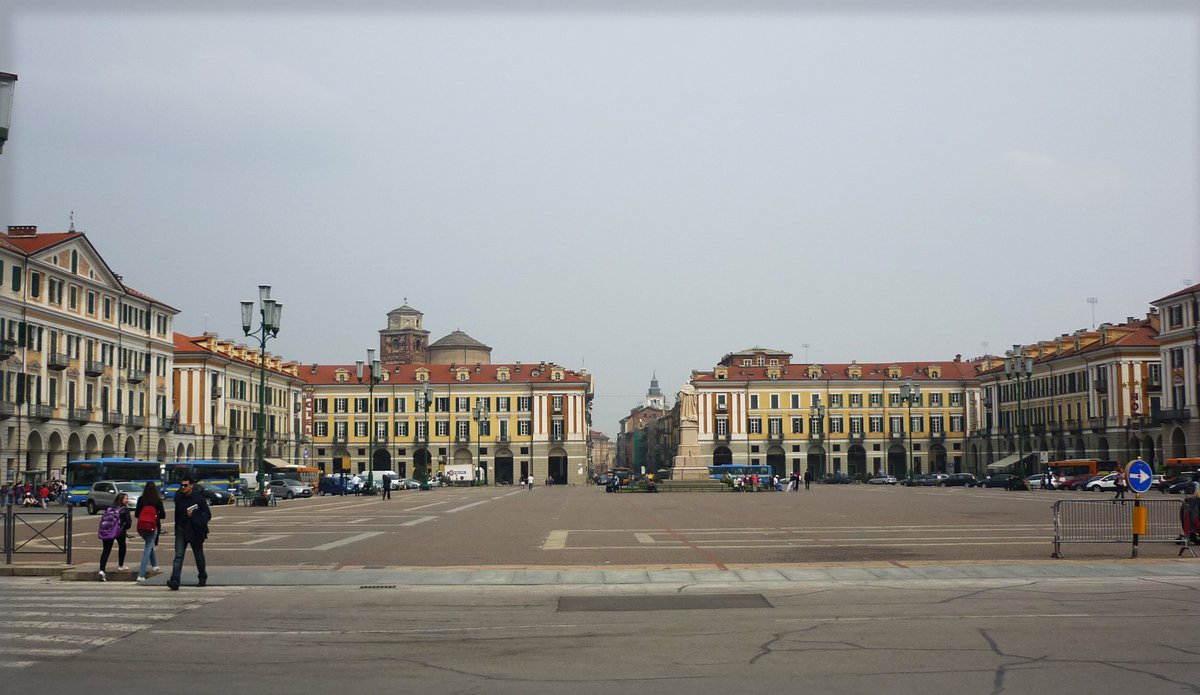 Piazza Tancredi Galimberti is the true nerve center of Cuneo, a place where history blends with everyday life. Also known as Piazza Duomo due to the presence of the Cathedral of Santa Maria del Bosco, this square is the ideal starting point for exploring the city. Its name pays homage to Tancredi Galimberti, a local Resistance hero, and this connection to recent history is palpable in the atmosphere. At the center of the square stands the Fraterna Fountain, a stonework dating back to the 16th century that once served as the main water source for the people of Cuneo. Surrounding it, the characteristic arcades host historic cafés and shops, perfect for a break between excursions. The square also serves as the stage for events like the Piazza Market, held on Tuesdays and Fridays, where you can find local products such as cheeses from the Cuneo valleys and apples from the area. The view of the Civic Tower and the Cathedral's bell tower completes the picture, offering photogenic glimpses especially at sunset. It's a place that invites you to stop, observe, and savor the slow pace of provincial life.
Piazza Tancredi Galimberti
Civic Tower
 If you're looking for the beating heart of Cuneo, the Civic Tower is the essential starting point. This 55-meter tall bell tower rises imposingly over Piazza Galimberti and represents the most recognizable symbol of the city. Built in the 13th century as part of the defensive system, it has undergone numerous interventions over the centuries while maintaining its medieval charm. The feature that immediately stands out is the three-faced clock, unique of its kind in Italy, which allows you to read the time from three different angles of the square. Climbing the 130 steps to the bell chamber rewards you with a breathtaking 360-degree view: on one side you admire the historic center with its characteristic porticoes, while on the other your gaze sweeps toward the Maritime Alps surrounding the city. The bells, still functioning today, mark the time for Cuneo's residents with their distinctive chime. The tower is visitable year-round and represents not only a historical monument but also the perfect vantage point to understand the distinctive wedge shape that gives the city its name. On clear days, from the summit you can clearly distinguish the main peaks of the surrounding valleys, offering a unique perspective on the territory.
Civic Tower
San Sebastiano Diocesan Museum
- Via Mondovì 15, Cuneo (CN)
- http://www.museodiocesanocuneo.it/index.php?id=museodiocesanocuneo
- Open in Google Maps
- View on Google Images
- museo@operediocesicuneo.it
- +39 0171 67725
 The San Sebastiano Diocesan Museum is a hidden gem in the heart of Cuneo, housed in the former monastery of the Clarissan nuns dating back to the 17th century. Upon entering, visitors are immediately struck by the intimate atmosphere and the richness of the collections, which span from the Middle Ages to the Baroque period. Among the most significant pieces stand out the embroidered sacred vestments, liturgical silverware, and wooden sculptures from the Piedmontese school. Particularly moving is the section dedicated to illuminated manuscripts and archival documents, which recount the religious and social history of the area. The exhibition route winds through carefully restored rooms, where original frescoes and barrel vaults stand out. Don't miss the internal chapel, with its Baroque altar and devotional paintings. The museum also offers a suggestive view of the inner courtyard, a peaceful corner in the city center. The setup is modern and accessible, with clear explanatory panels that guide visitors without weighing down the experience. A perfect place for those seeking an authentic cultural experience, away from the crowds.
San Sebastiano Diocesan Museum
Ferruccio Parri Park
- Cuneo (CN)
- Open in Google Maps
- View on Google Images
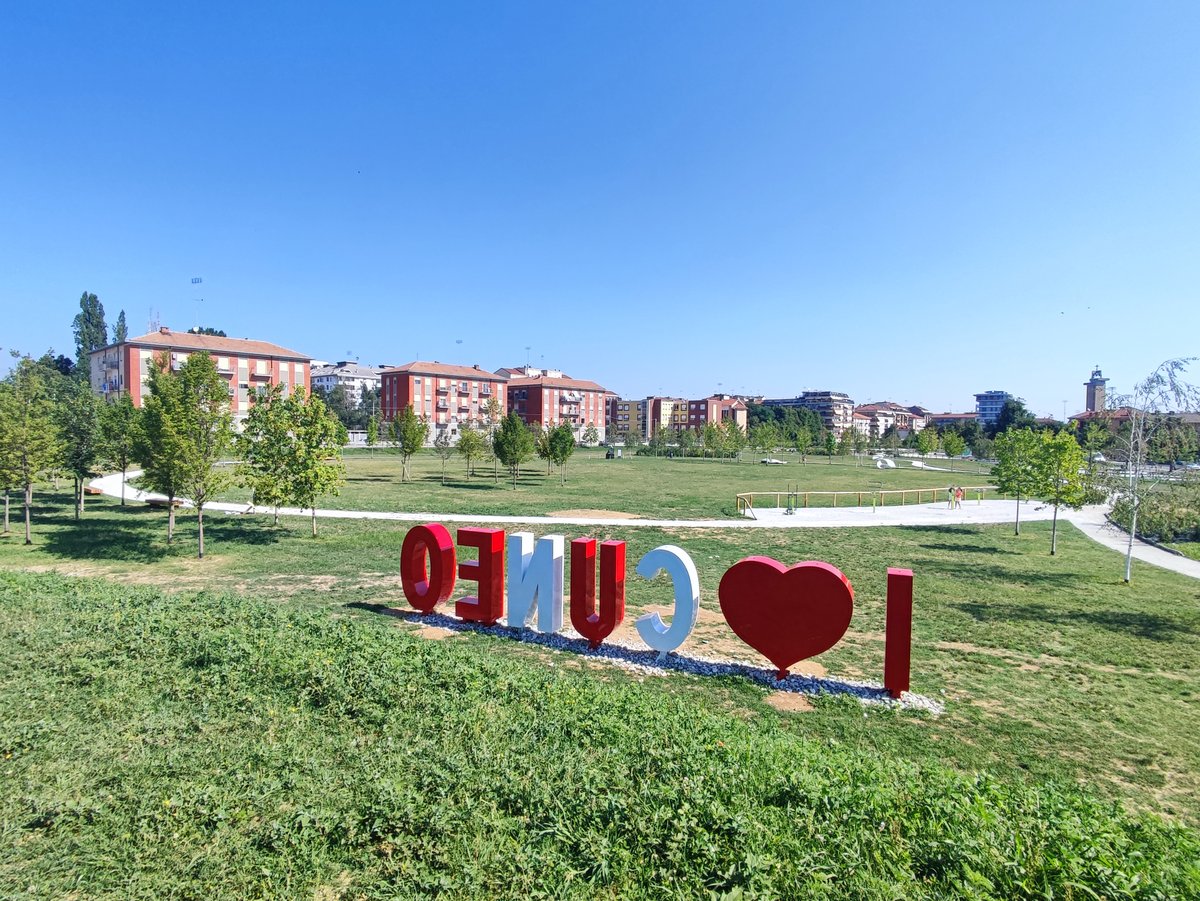 **Ferruccio Parri Park** is one of those places that immediately helps you understand the soul of Cuneo: an oasis of tranquility just steps from the city center, perfect for a refreshing break. Located between Via Roma and Corso Nizza, this urban park extends over an area of approximately 12,000 square meters and represents a true green lung for the city. The name pays homage to Ferruccio Parri, an important figure in the Italian Resistance, thus linking the place to the historical memory of the territory. What immediately stands out is the atmosphere: well-maintained pathways wind through flower beds and spacious grassy areas, ideal for a picnic or simply lying in the sun. The wooden benches, often shaded by centuries-old trees, invite you to stop and read. There are also play areas for children, with slides and swings that make the park a family-friendly destination. But Ferruccio Parri Park is not just about relaxation: here you can also breathe in culture. Throughout the year, especially in spring and summer, the park hosts outdoor events, small concerts, and cultural initiatives that enliven the spaces with music and social interaction. Its central location makes it easily accessible on foot from many points in the city, and its proximity to other symbolic places like Piazza Galimberti makes it a natural stop during a visit to Cuneo. Whether you want to take a walk, read a book, or observe the daily life of Cuneo's residents, this park offers a corner of peace without leaving the beating heart of the city.
Ferruccio Parri Park
Resistance Park
- Cuneo (CN)
- Open in Google Maps
- View on Google Images
 The Resistance Park is one of the most beloved spots among Cuneo residents and visitors seeking a peaceful corner in the city center. Located just steps from the historic center, this park spans approximately 3 hectares and serves as a true urban green lung. Its unique feature? It seamlessly blends nature with historical memory. Inside, you'll find expansive lawns perfect for picnics, tree-lined paths ideal for leisurely strolls, and various tree species that create natural shaded areas. The heart of the park is dominated by the Resistance Monument, an imposing sculpture commemorating the fallen partisans of the Second World War. This element gives the place a deeply symbolic meaning for the local community. But it's not just about history: the park also offers well-equipped children's play areas, strategically placed benches to enjoy city views, and spaces dedicated to outdoor sports. The location is strategic: situated between Via Roma and Corso Nizza, it's easily accessible on foot from anywhere in the center. Cuneo residents frequent it year-round: in summer to escape the heat under ancient trees, in winter for refreshing walks. It's the perfect spot for a break during city exploration, to read a book, or simply observe daily life unfolding. Maintenance is always meticulous, with green lawns and seasonal blooms making every visit enjoyable.
Resistance Park
Resistance Monument
- Corso Secondo Solaro, Cuneo (CN)
- Open in Google Maps
- View on Google Images
 The Resistance Monument in Cuneo is not just a sculpture, but a place of memory that speaks directly to the visitor. Located on Via Lelio Della Torre, this memorial celebrates the partisans who fought for liberation during World War II. Made of bronze and stone, it features stylized human figures emerging from the rock, symbolizing the resistance that arose from hardship. Its location is not coincidental - it stands in a green area frequented by Cuneo residents, creating an ongoing dialogue between past and present. Visiting it means grasping a fundamental piece of the city's identity: Cuneo was indeed an active center of the Italian Resistance, and the monument commemorates the sacrifices of those who fought for freedom. The work, modest in size but with strong emotional impact, invites a reflective pause. It's particularly evocative at sunset, when the grazing light accentuates the volumes of the figures. For those wanting to delve deeper, the monument is part of a broader itinerary that includes the nearby Resistance Park, dedicated to the same theme. A tip: take advantage for a walk in the area, discovering how Cuneo has transformed history into a perpetual reminder.
Resistance Monument
Peano Curve
- Corso Guglielmo Marconi, Cuneo (CN)
- Open in Google Maps
- View on Google Images
 The Peano Curve is one of those places that surprises you with how it blends mathematics and urban art. Located in the center of Cuneo, this installation pays homage to mathematician Giuseppe Peano, who was born right in Cuneo province. It's not just a simple sculpture: it represents a space-filling curve, a revolutionary mathematical concept transformed into tangible form. You can easily find it on Via Roma, near other points of interest like Piazza Galimberti. It's perfect for an original photo, especially when sunlight creates interesting shadow plays on its metallic structure. The artwork is accessible to everyone and can be visited in just a few minutes, making it ideal to include in a walking itinerary to explore the historic center. Many consider it a must-see stop for those who love contemporary art or want to discover an unusual side of the city. The contrast between Cuneo's traditional architecture and this modern creation makes the place even more fascinating. If you pass by here, stop to observe the details: every curve tells a story of precision and creativity.
Peano Curve
Allegory of the Gesso and Stura Rivers
- Lungogesso Papa Giovanni Ventitreesimo, Cuneo (CN)
- Open in Google Maps
- View on Google Images
 The Allegory of the Gesso and Stura Rivers is a monumental sculpture that immediately catches the eye in the center of Cuneo. Made of bronze, it depicts two male figures symbolizing the two waterways that define and characterize the city: the Gesso and the Stura. The strategic location of the sculpture, often placed in an easily accessible pedestrian area, makes it an essential stop during a visit to the historic center. The artwork is not merely decorative but tells the profound connection between Cuneo and its rivers, fundamental elements for the development of the city and the surrounding territory. Observing the sculpture's details up close, one notices references to flowing water and the vital force the rivers represent for the community. Many visitors stop to photograph the work, drawn by its expressiveness and the cultural significance it carries. It is interesting to note how the artist managed to capture the essence of the two rivers, different in character and course, uniting them in a single harmonious representation. The sculpture fits perfectly into the urban context, engaging in dialogue with the surrounding historic buildings and offering a moment for reflection on the relationship between humans and nature. A work that deserves careful attention, not only for its formal beauty but for the message it conveys about the identity of Cuneo and its territory.
Allegory of the Gesso and Stura Rivers
Fallen Workers
- E 74, Cuneo (CN)
- Open in Google Maps
- View on Google Images
 The Fallen Workers Monument in Cuneo is a moving testimony that honors workers who died on the job, a work that speaks directly to the soul of the city. Located in Piazza Galimberti, the beating heart of the historic center, this memorial stands out for its essentiality and expressive power. Made of bronze, it depicts human figures that seem to emerge from the material itself, symbolizing the toil and sacrifice of generations of workers and artisans. The sculpture, set in a vibrant urban context, creates a significant contrast between the daily life flowing by and the memory of those who lost their lives while working. Its strategic location, near the arcades and historic venues, invites a moment of reflection during the city visit. It is not just a work of art, but a meeting point between past and present, where the Cuneo community recognizes itself and honors its working-class roots. The attention to detail, from the facial expressions to the bronze texture, demonstrates the artist's care in conveying authentic emotions. Visiting this monument means better understanding Cuneo's identity, a city that has always known how to combine tradition and progress through the work of its citizens.
Fallen Workers
Giuseppe Barbaroux
- Piazza Tancredi Galimberti, Cuneo (CN)
- Open in Google Maps
- View on Google Images
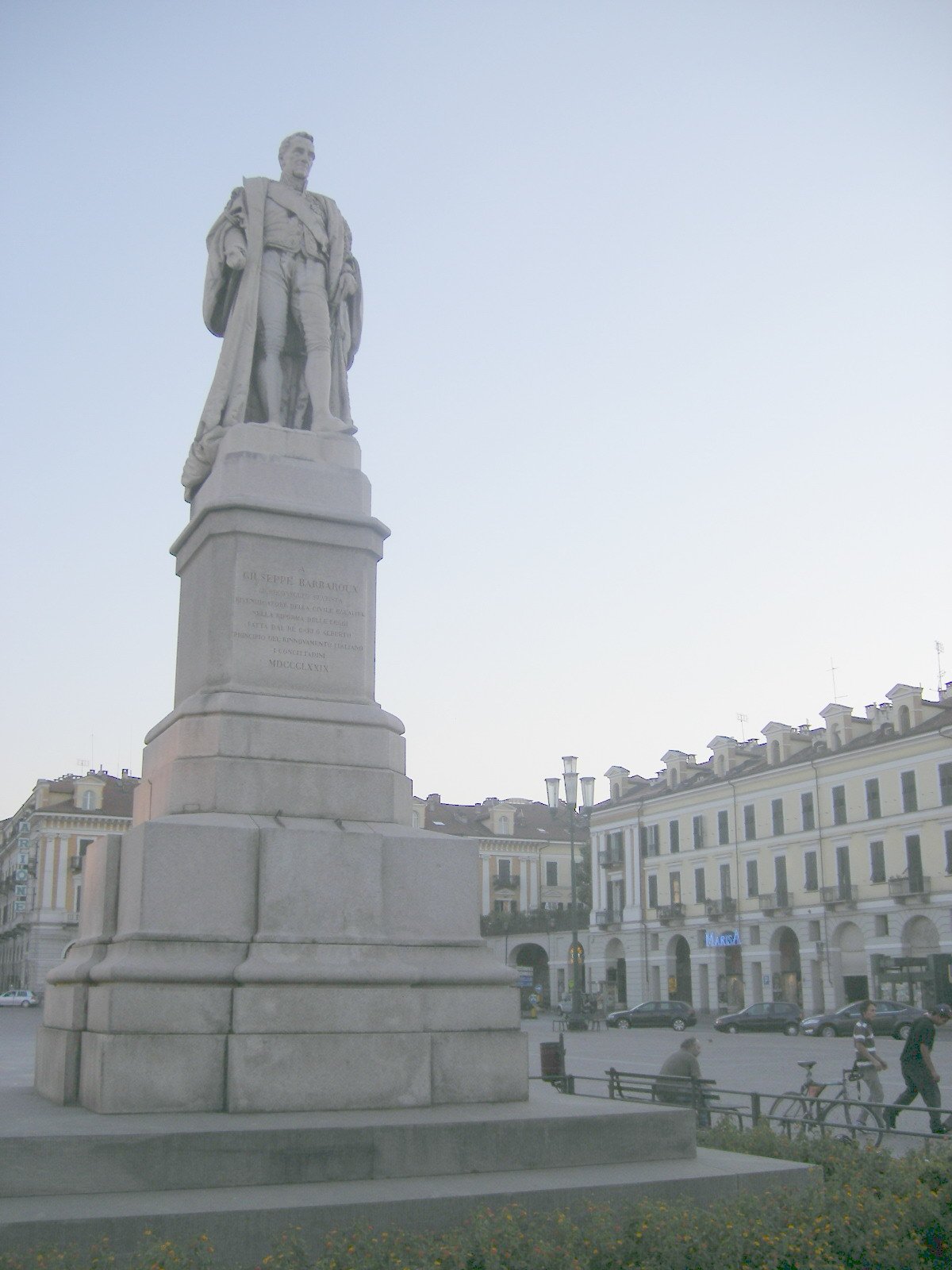 While strolling through Cuneo's historic center, you'll come across a small square named Giuseppe Barbaroux, a place that holds stories of civic engagement and moments of everyday tranquility. This space, located between Via Roma and Via Mondovì, is not just a passage point but a true urban living room where locals gather for a break. The square is dominated by an imposing bronze statue depicting Barbaroux himself, a 19th-century lawyer and politician remembered for his role during the 1821 uprisings. Up close, you'll notice the realistic details of his face and period clothing, conveying a sense of authority and dedication. Surrounding it, stone benches and well-kept flowerbeds invite you to sit down, perhaps to read a book or simply enjoy the atmosphere. Here, away from the traffic noise, you breathe an air of times gone by, with historic buildings framing conversations among friends. It's an ideal spot for a break during your city visit, especially if you want to discover a less touristy corner that's rich in meaning for the local community. The square occasionally hosts cultural events and small exhibitions, adding a touch of vibrancy to its intimate essence. If you pass by at sunset, the warm light enveloping the statue creates an almost magical atmosphere, perfect for a souvenir photo.
Giuseppe Barbaroux
Via Luigi Parola
- Via Luigi Parola, Cuneo (CN)
- Open in Google Maps
- View on Google Images
 Walking along Via Luigi Parola means immersing yourself in one of the most authentic corners of Cuneo's historic center. This street, named after the 19th-century patriot and politician of the same name, stands out for its intimate atmosphere and the well-preserved architecture of its historic buildings. Here you'll find palaces with stone portals and pastel-colored facades that testify to the city's urban evolution, with elements ranging from the late Middle Ages to the Baroque era. The street is lightly trafficked, ideal for a peaceful stroll away from the hustle and bustle of the main thoroughfares, and offers charming glimpses of inner courtyards and decorative details that enrich the residences. Look closely at the wrought-iron balconies and arched windows: they are small treasures of local craftsmanship that tell stories of families and ancient trades. Via Luigi Parola is also a perfect starting point for exploring nearby attractions, such as Piazza Galimberti and the Civic Tower, reachable within a few minutes on foot. If you love photography, don't miss the play of light at sunset, when the sun's rays gently caress the pavement stones, creating an almost timeless atmosphere. It's a place where history can be felt with every step, not through grand monuments, but through the simplicity of a street that has preserved its character intact.
Via Luigi Parola
Via Lelio Della Torre
- Via Lelio Della Torre, Cuneo (CN)
- Open in Google Maps
- View on Google Images
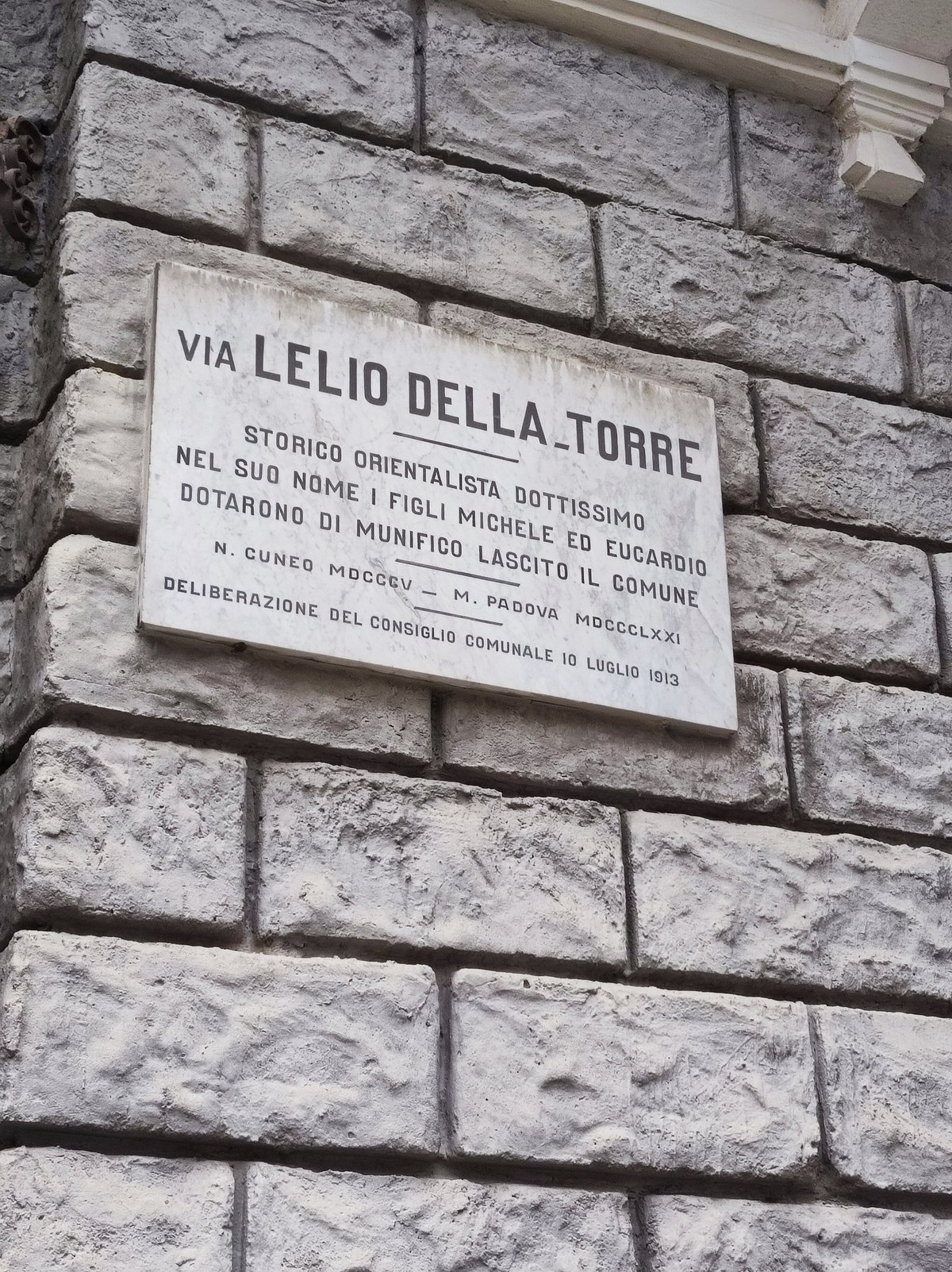 Via Lelio Della Torre is one of those streets that immediately captures your attention with its discreet elegance and intimate atmosphere. Located in Cuneo's historic center, this street stands out for its perfectly preserved 19th-century palaces that testify to the city's golden age. Walking along its cobbled path, you'll immediately notice the architectural harmony: decorated facades, wrought-iron balconies, and imposing doorways that tell stories of bourgeois families and ancient traditions. The street takes its name from Lelio Della Torre, a distinguished scholar and 19th-century rabbi born right here in Cuneo, adding an extra layer of cultural significance to the route. Today the street maintains a residential character without losing its charm, with local artisan shops alternating with professional studios and private residences. It's particularly evocative at sunset, when the slanting light enhances the decorative details and creates plays of shadow between the buildings. It's the perfect place for a peaceful stroll away from the hustle and bustle of main streets, completely immersing yourself in the authentic atmosphere of genuine Cuneo. Its central location makes it ideal as a starting point for exploring the rest of the historic center, with Piazza Galimberti just steps away and the opportunity to discover lesser-known but equally fascinating corners of the city.
Via Lelio Della Torre
Spiderman of the trees
- Via Canale Miglia, Cuneo (CN)
- Open in Google Maps
- View on Google Images
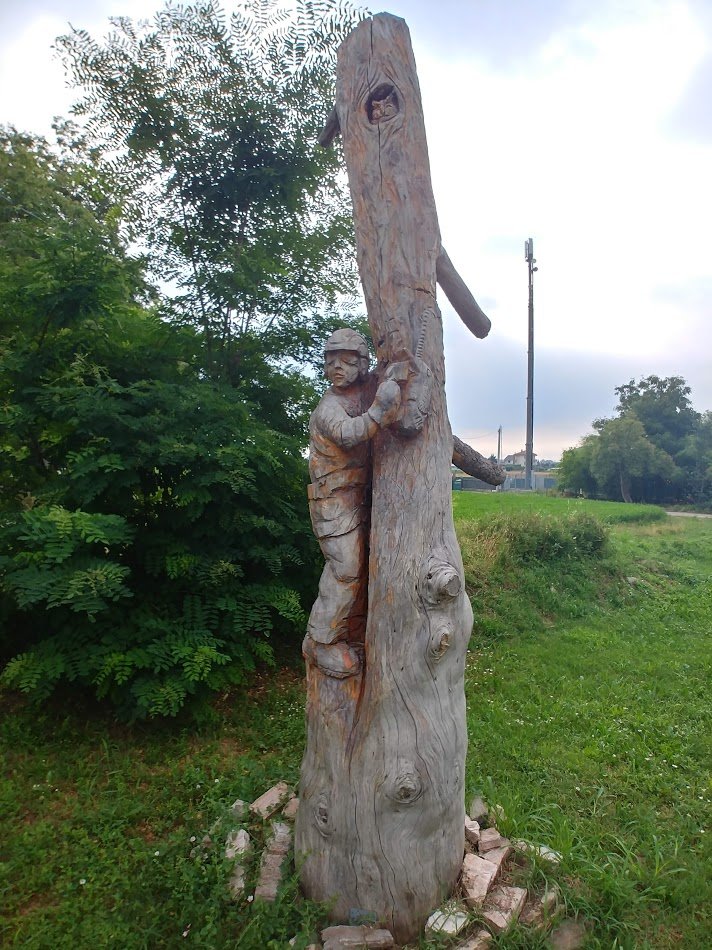 In the heart of Parco della Resistenza, just steps from Cuneo's historic center, you'll stumble upon a surprise that brings a smile: Spiderman of the trees. It's not an official installation, but a spontaneous sculpture, a tribute to the superhero who has been 'climbing' a tree trunk along the main avenue for years. Made with recycled materials and painted in the classic red and blue colors, this figure has become a landmark for park visitors, especially families with children. The dynamic pose, with one arm reaching upward, seems to invite you to look beyond, toward the canopies of the ancient trees that shade the area. It's a curious detail that blends fantasy and nature, perfect for a memorable photo or to break the routine of an outdoor day. The park, already rich with green spaces and benches, gains a touch of lightness, showing how informal art can enliven public spaces. Visit on a sunny day: the light filtering through the leaves creates shadow plays that make the scene even more evocative. Remember to respect the environment: do not touch the sculpture, to preserve it over time.
Spiderman of the trees