
🧭 What to Expect
- Ideal for cultural weekends and strolls between history and the sea.
- Highlights: Basilica of Saint Nicholas with its crypt, Swabian Castle perched over the sea, Petruzzelli Theatre in Liberty style.
- Includes an interactive map with 15 locations and a walking route through the compact city center.
- Experience: authenticity in the alleyways, art in the museums, and panoramic views from the Lighthouse.
Events nearby

The City of Bari is a surprising destination: not just a gateway to the Adriatic Sea, but a true concentration of history, culture, and daily life. Its beating heart is Bari Vecchia, the medieval historic center enclosed within walls, where you can get lost among narrow alleys, Romanesque churches, and the scent of handmade orecchiette pasta prepared by local women on doorsteps. Here stands the majestic Basilica of San Nicola, guardian of the relics of the patron saint and a landmark for pilgrims. Nearby, the Swabian Castle dominates the skyline with its grandeur. Stepping outside the walls, the seafront offers spectacular walks, while the Petruzzelli Theatre, a symbol of the city's cultural life, awaits opera lovers. For a complete experience, don't miss a stop at the fish market or a taste of warm focaccia barese. Bari is authentic, vibrant, and welcoming: ready to reveal itself unfiltered to those who visit with curiosity.
Overview
- Basilica of Saint Nicholas
- Swabian Castle of Bari
- Teatro Petruzzelli: The Cultural Heart of Bari
- Corrado Giaquinto Metropolitan Art Gallery
- Cathedral Crypt
- Santa Scolastica Archaeological Museum
- Nicolaian Museum
- Teatro Margherita
- Teatro Piccinni
- Punta San Cataldo Lighthouse
- Piazza Giuseppe Garibaldi
- Kursaal Santalucia Theater
- Fizzarotti Palace
- Diocesan Museum of Bari
- Bari Civic Museum
Itineraries nearby


Basilica of Saint Nicholas
- Go to the page: Basilica of Saint Nicholas in Bari: relics of the saint and Apulian Romanesque architecture
- Lago Abate Elia 13, Bari (BA)
- Open in Google Maps
- View on Google Images
 If there's one place that tells the soul of Bari, it's the Basilica of Saint Nicholas. It's not just a church, but a true symbol of the city, built between the 11th and 12th centuries to house the relics of Saint Nicholas, brought here from Myra in 1087. The facade is a masterpiece of Apulian Romanesque sobriety, with its white color shining under the sun and those two asymmetrical bell towers giving it a unique character. Upon entering, you're immediately struck by the underground crypt, where the saint's remains rest: it's a suggestive, almost hypnotic space, with ancient columns and an atmosphere that makes you feel outside of time. Personally, I've always been fascinated by the fact that this basilica is a meeting point between Catholics and Orthodox Christians, a detail that makes it even more special in the Italian landscape. Inside, don't miss the 12th-century ciborium, one of the oldest in Southern Italy, and Bishop Elias's episcopal throne, a sculptural work that seems to speak for itself. The light filtering through the windows creates plays of shadows on the stone walls, and if you're lucky, you might witness one of the celebrations blending Latin and Byzantine rites. A piece of advice? Take a moment to sit in a corner and observe the pilgrims arriving from all over the world: there's a quietness that envelops you, even when there's chaos outside in the historic center. And don't forget to take a look at the basilica's treasury, with sacred objects telling centuries of history. Perhaps it's not the most showy place, but it's the one that stays with you, with that aura of authenticity that's hard to find elsewhere.
Swabian Castle of Bari
- Go to the page: Swabian Castle of Bari: Frederick II's Fortress with Courtyards and Towers Overlooking the Sea
- Via Boemondo, Bari (BA)
- Open in Google Maps
- View on Google Images
 As you approach Bari's seafront, the Swabian Castle immediately catches the eye with its massive structure and towers that seem to watch over the old town. It's not just a monument to photograph from afar: crossing its portal means immersing yourself in layers of history spanning from the Romans to the Bourbons. What struck me the most? Its foundations rest on Byzantine and Norman remains, visible during the visit. Inside, the spaces are surprisingly spacious: courtyards, exhibition halls (it often hosts interesting temporary exhibitions), and even a hanging garden. Climbing the walls, the view of the Adriatic Sea and the rooftops of Bari Vecchia is simply spectacular – one of those moments when you understand why this place has been contested for centuries. Pay attention to the details: look for the hidden spiral staircases and the arrow slits that tell of its defensive function. Personally, I find it fascinating how the castle has been transformed multiple times: from fortress to residence, and even to a prison. Today, besides the museum route, cultural events and summer concerts are often held in the courtyard. A practical tip: always check the opening hours as they may vary depending on current exhibitions. If you visit Bari Vecchia, the castle is a must-see not only for its history but for that sense of power it still emanates today, perched above the sea.
Teatro Petruzzelli: The Cultural Heart of Bari
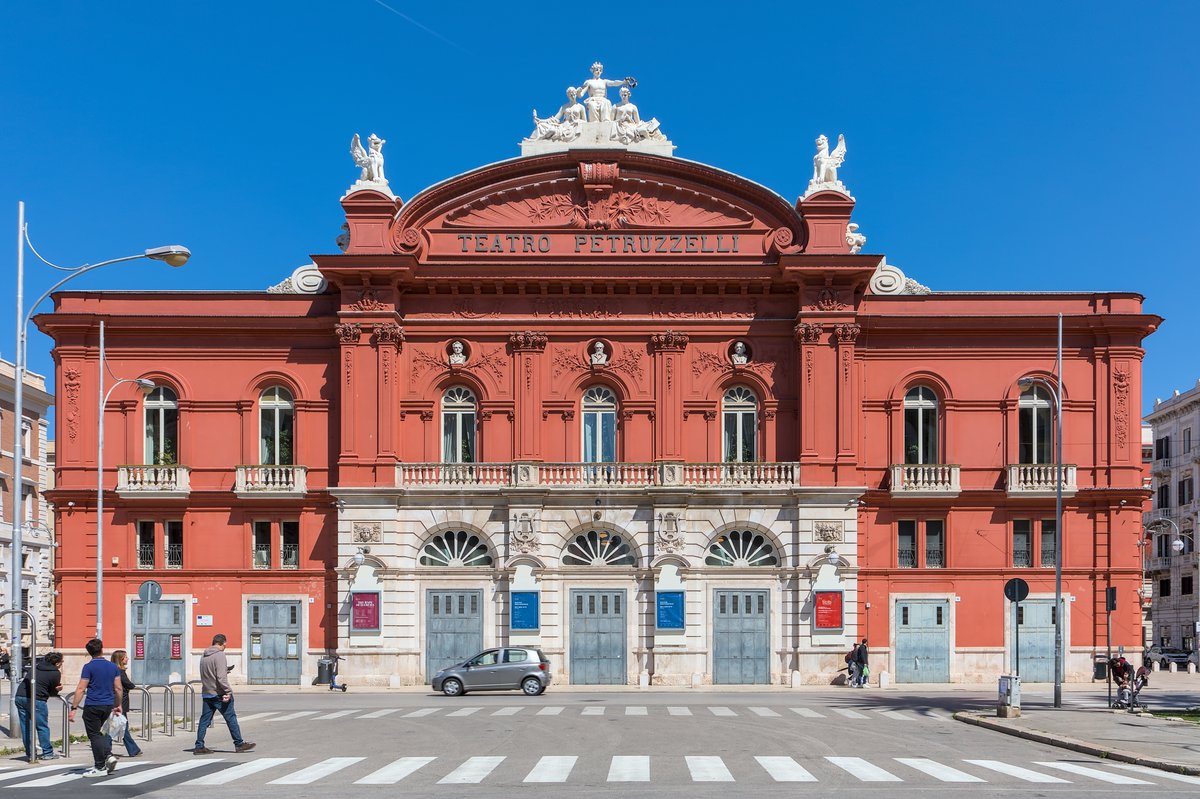 When you think of Bari, you probably picture the sea, focaccia, and the alleys of Bari Vecchia. But there's a place that tells a different story, one of beauty, tragedy, and rebirth: the Teatro Petruzzelli. It's not just a theater; it's a symbol. You notice it immediately while strolling along Corso Cavour, with its imposing Art Nouveau facade that seems to belong to another era. Stepping inside is an experience. The atmosphere is warm, almost intimate despite its size, with its four tiers of boxes wrapping around the orchestra like an embrace. The history of the Petruzzelli is dramatic: inaugurated in 1903, it was for decades one of Italy's most important theaters, then devastated by a fire in 1991. It took years of battles and restoration to bring it back to its original splendor, and today it's alive again, with a program ranging from opera to ballet, from symphonic concerts to musicals. What strikes you is how the people of Bari are attached to this place. It's not just a theater; it's part of their identity. If you pass by, try to peek inside just to admire the frescoed ceiling and that enormous chandelier that seems suspended in time. And if you can, get a ticket for a show: the acoustics are phenomenal, they say, and the emotion of sitting where Caruso or Callas sang is palpable. Personally, I find that the Petruzzelli teaches an important lesson: that beauty, even when it seems lost, can always shine again.
Corrado Giaquinto Metropolitan Art Gallery
 If you think Bari is just sea and focaccia, prepare for a surprise. The Corrado Giaquinto Metropolitan Art Gallery is one of those places that makes you realize how layered the artistic history of this city is. It's located in the Provincial Palace, right on the Nazario Sauro waterfront, and the building itself—a 19th-century palace—is worth a stop. You enter and are greeted by a hushed silence, far from the chaos of the city center. The collection is a true journey through Apulian painting from the Middle Ages to the 20th century. Don't expect only sacred paintings, although there are masterpieces like Paolo Veneziano's Madonna and Child. What stands out is the section dedicated to the 19th and early 20th centuries, with works by local artists often overlooked in major circuits. I lost myself in front of the paintings by Corrado Giaquinto, after whom the gallery is named: there's a light, a rendering of colors that seems to capture the very atmosphere of Apulia. Then there are the ceramics from Laterza and Grottaglie, a piece of craftsmanship that tells another side of the region. The layout isn't huge; you can visit in about an hour or a little more, but it's well curated. One thing I appreciated? The windows that open directly onto the Adriatic Sea: between one room and the next, a glance at the blue and you feel like taking a breath. Perfect for a cultural break when the sun is too strong. Pay attention to the hours: it's usually closed on Mondays, so it's better to always check beforehand.
Cathedral Crypt
- Go to the page: Bari Cathedral Crypt: 6th-Century Paleochristian Mosaics and Archaeological Finds
- Piazza dell'Odegitria, Bari (BA)
- Open in Google Maps
- View on Google Images
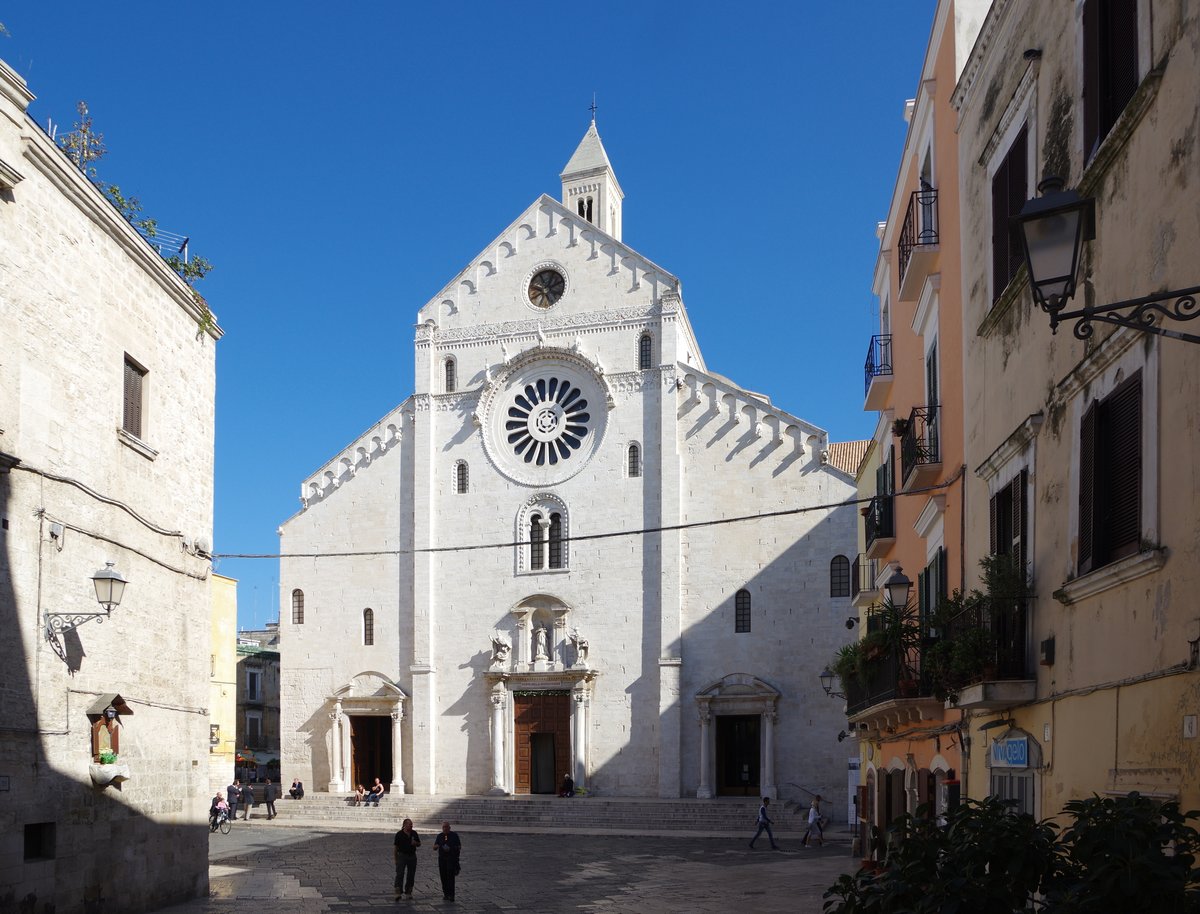 If you think you've seen everything in the Cathedral of San Sabino, prepare for a surprise. The Cathedral Crypt is that underground treasure that many visitors pass by without knowing. You enter through a side door, almost hidden, and as you descend the stairs, it feels like stepping into another dimension. It's not just a crypt, but a true archaeological journey that traces the historical layers of Bari. You can see the remains of a Paleo-Christian basilica, then a Byzantine church, and finally the foundations of the Romanesque cathedral we know today. The sensation is strange: you walk on floors that are over a thousand years old, touch walls that have seen pilgrims, Normans, and Swabians pass by. The atmosphere is intimate, almost secluded, far from the noise of the square. Personally, I was struck by the mosaic floor with well-preserved geometric patterns: it looks like an ancient carpet that no one has truly walked on. There's also a small, simple altar that gives a sense of peace. Don't expect lavish decorations or frescoes: here, beauty lies in the bare stone and the history it tells. Perhaps it's this very simplicity that makes the place so authentic. A piece of advice? Take your time, let your eyes adjust to the dim light, and discover the details: the carvings on the columns, fragments of capitals, traces of ancient colors. It's a piece of Bari that few know, and perhaps that makes it even more precious.
Santa Scolastica Archaeological Museum
- Via Venezia 73, Bari (BA)
- https://www.museoarcheologicosantascolastica.it/index.php/it/
- Open in Google Maps
- View on Google Images
- +39 080 099 0882
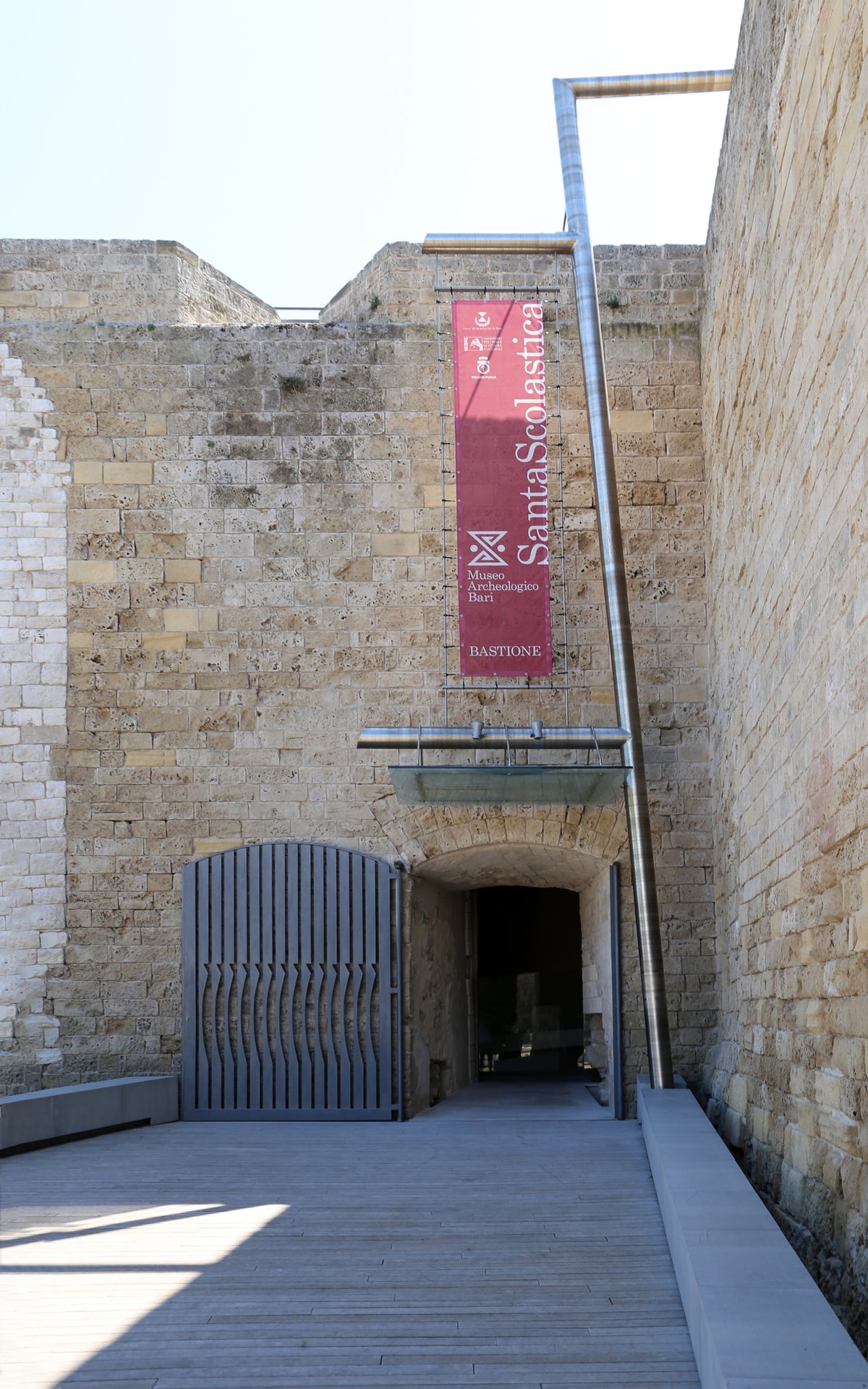 If you think Bari is just sea and focaccia, prepare to reconsider. The Santa Scolastica Archaeological Museum is one of those places that makes you understand how layered this city's history truly is. It's located right on the seafront, a stone's throw from Fortino Sant'Antonio, in a position that's worth the visit in itself: on one side the blue of the Adriatic, on the other the ancient walls. Admission is free, which is not a given, and welcomes you into a modern, well-organized space. What struck me most? The artifacts come directly from the excavations beneath the museum itself. These aren't pieces brought in from who knows where: you literally walk above the history you're looking at. You can see traces from the Roman era, medieval times, up to the 19th century, with ceramics, coins, and everyday objects that tell the story of a lived-in, hard-working Bari. There's a section dedicated to the ancient port that made me imagine ships docking here centuries ago. It may not be a huge museum, but its strength lies precisely in this visceral connection to the place. When you leave, you're left with the feeling of having seen something authentic, not a sterile collection. I recommend pairing the visit with a walk along the bastion, to continue breathing in that borderland air between land and water.
Nicolaian Museum
- Largo Urbano II, Bari (BA)
- Open in Google Maps
- View on Google Images
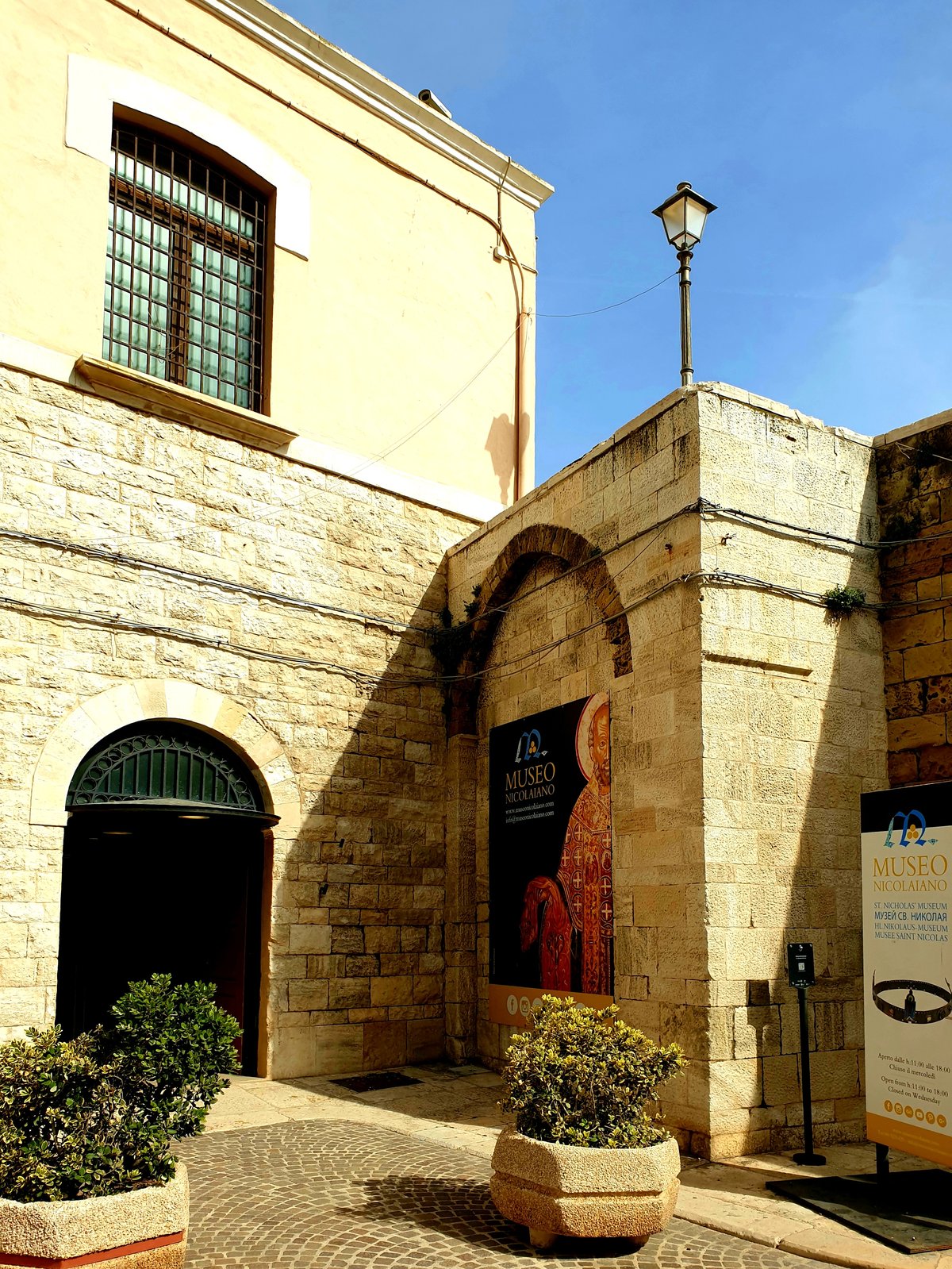 If you think the Basilica of Saint Nicholas is the only place to visit to learn about the history of Bari's patron saint, you're mistaken. The Nicolaian Museum, located right next to the basilica, is a small gem that often gets overlooked by hurried tourists, but it's absolutely worth a visit. It's not a huge or sprawling museum: it spans two floors and collects objects related to the cult of Saint Nicholas, donated by faithful individuals and institutions over the centuries. What struck me immediately is the atmosphere: it's not cold or distant like some museums, but you can almost feel the devotion that moved people to donate these pieces. On the ground floor, you'll find silverware, sacred vestments, and reliquaries of great value, some truly elaborate. Upstairs, the section dedicated to paintings and icons is perhaps the most evocative: don't expect only ancient works, there are also modern pieces that reinterpret the figure of the saint. Personally, I found a small wooden model of the basilica, meticulously detailed, fascinating. The setup is simple, without too many frills, and the captions are clear. It's a museum you can visit in about an hour, an hour and a half at most, and it's perfect for those who want to delve deeper into the spiritual and artistic dimension of the Nicolaian cult, beyond the grandeur of the basilica. A tip: always check the opening hours before going, as they can sometimes vary.
Teatro Margherita
- Lungomare Imperatore Augusto, Bari (BA)
- Open in Google Maps
- View on Google Images
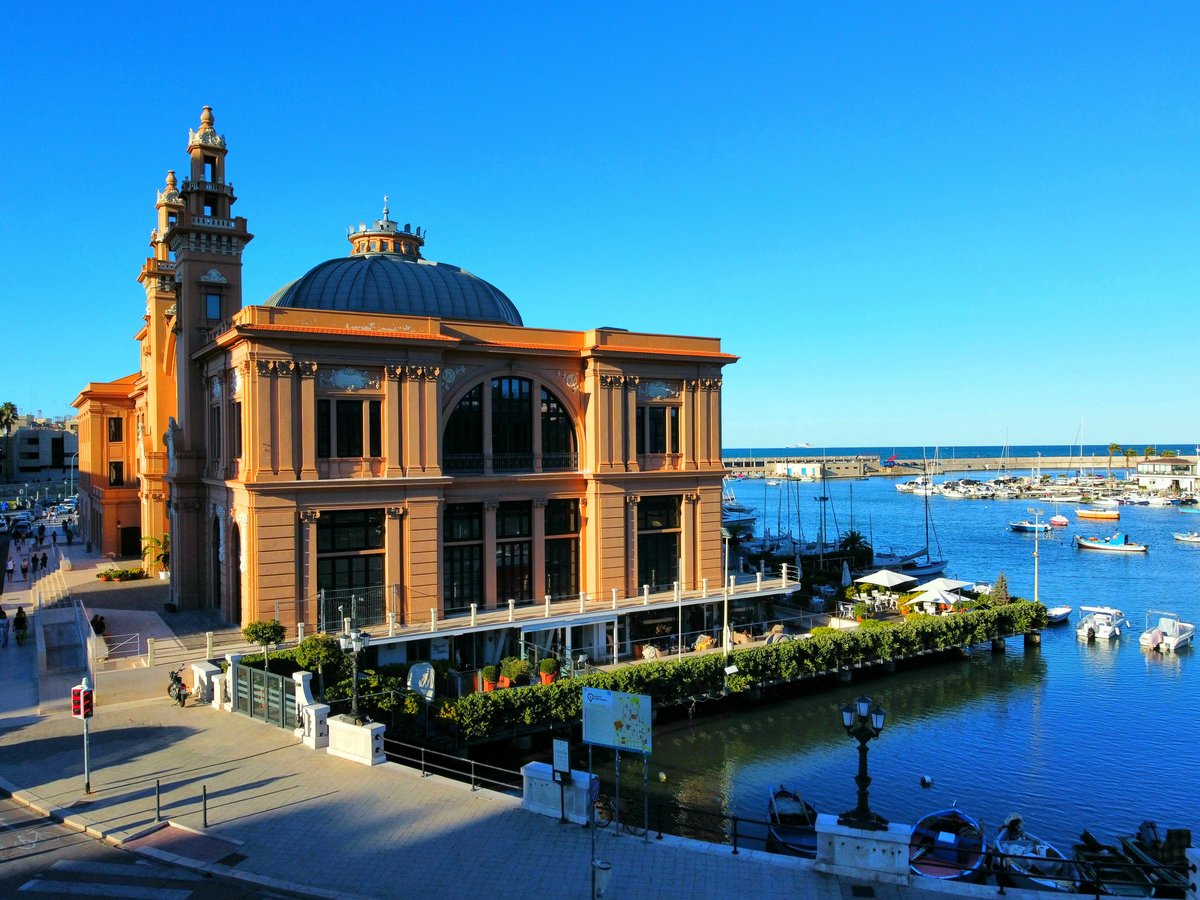 Approaching from the seafront, Teatro Margherita immediately strikes you with its position: it seems to float on the water, suspended between the old port and the open sea. Built in the early 1900s in Liberty style, this white building with elegant lines has lived many lives: first a theater, then a cinema, even a barracks during the war. For decades it remained closed, almost forgotten, until restoration returned it to the city as an exhibition space for contemporary art. Upon entering, you're struck by the light filtering through the large windows overlooking the Adriatic—a view that alone is worth the visit. The interiors preserve traces of the past, like the original ceiling decorations, but now host temporary exhibitions often dedicated to Apulian artists or themes related to the Mediterranean. Don't expect a traditional theater with a stage and velvet seats: here, art constantly dialogues with the marine landscape outside the windows. Personally, I find that the contrast between the historic architecture and modern installations creates a unique atmosphere, though sometimes the exhibitions can be a bit too experimental for all tastes. It's worth checking the schedule before going, because when there are no ongoing exhibitions, the building might be closed to the public. A detail I love: the outdoor terrace, where you can stop to watch the fishing boats return to port as the sun sets behind the old town.
Teatro Piccinni
- Go to the page: Piccinni Theatre Bari: A horseshoe-shaped hall with golden stuccoes and perfect acoustics
- Corso Vittorio Emanuele Secondo, Bari (BA)
- Open in Google Maps
- View on Google Images
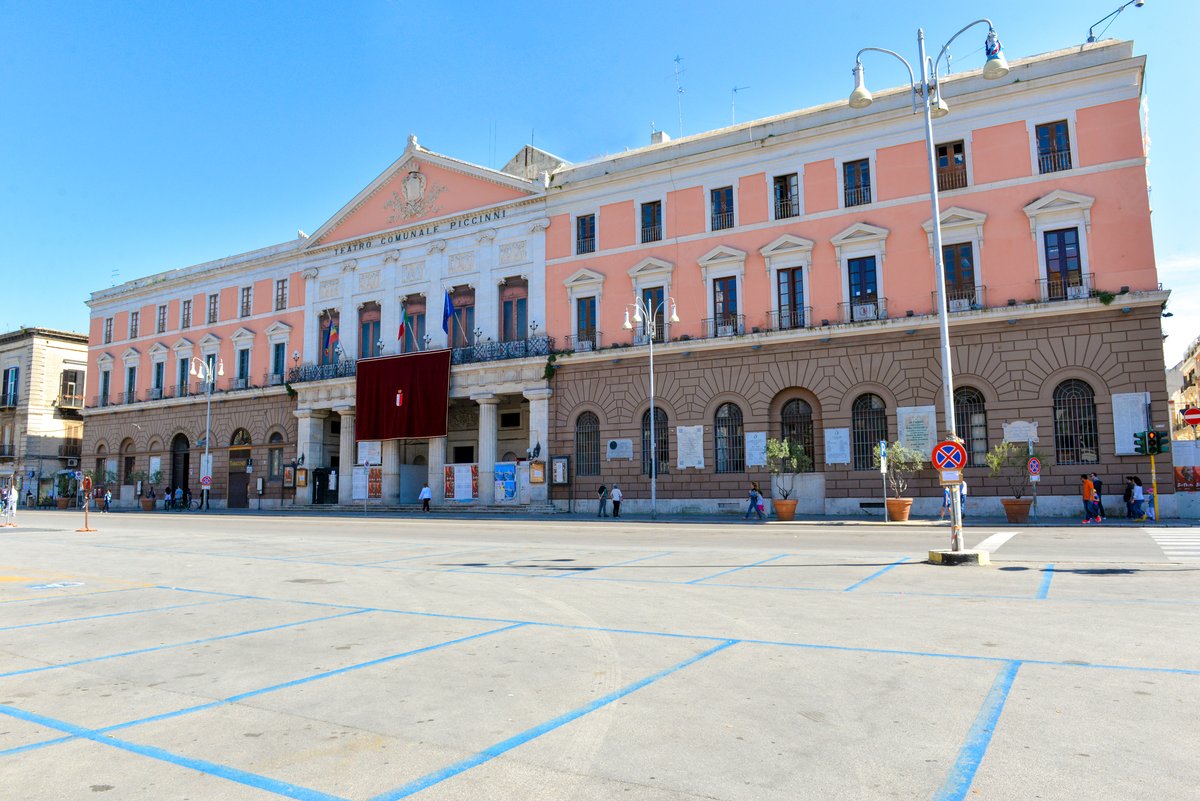 If you think Bari is just sea and focaccia, Teatro Piccinni will make you think again. This theater, named after the Bari-born composer Niccolò Piccinni, is a true neoclassical gem that often escapes the more beaten tourist paths. It's located on Via XX Settembre, just steps from the lively Corso Vittorio Emanuele, but crossing its threshold is like stepping back in time. The façade, sober and elegant, doesn't prepare you for the spectacle inside: the interior is a triumph of gilded stuccoes, red velvets, and wooden boxes that seem suspended in time. The horseshoe-shaped hall, with its four tiers of boxes, boasts exceptional acoustics that still amaze musicians and audiences today. It's not a dusty museum, though: it's a living theater, hosting seasons of drama, concerts, and festivals. I discovered it almost by chance, seeking shelter from a downpour, and fell in love with it. The great thing is that you can often visit during the day too, perhaps taking advantage of a guided tour that reveals curious anecdotes, like the fact that Verdi's opera 'Il Trovatore' debuted here in 1854, or that during World War II it was even used as a cinema. The atmosphere is intimate, cozy, far from the sometimes cold grandeur of other theaters. I recommend checking the program: attending a performance here, with that historic stage and that atmosphere, is an experience that goes beyond a simple visit. Perfect for those seeking an authentic corner of culture, away from the crowds.
Punta San Cataldo Lighthouse
- Go to the page: Punta San Cataldo Lighthouse: Panoramic View of Bari and Port from the Outer Breakwater
- Lungomare Giambattista e Pietro Starita, Bari (BA)
- Open in Google Maps
- View on Google Images
 If you're looking for a privileged viewpoint over Bari, the Punta San Cataldo Lighthouse is a stop you absolutely can't miss. This historic lighthouse, built in 1869, is located at the end of the outer pier of the new port, jutting out towards the Adriatic Sea with an imposing presence. Its approximately 30-meter-high white stone tower is a highly recognizable symbol of Bari's waterfront. The location is strategic: from here, the view spans 360 degrees, embracing the Nazario Sauro promenade, the Old City with the Basilica of San Nicola, and the blue waters fading into the horizon. It's not always open for internal visits, but even just admiring it from the outside is worth the walk. The atmosphere here is special, especially at sunset, when the golden light caresses the stone and the sound of waves mixes with the port's hustle and bustle. It's a place suspended between past and present, where the practical function of guiding ships blends with a romantic charm. Personally, I like to think of the sailors who for decades found a reference point here. The surrounding area is well-maintained, with benches to sit and enjoy the sea breeze. Note: sometimes the wind can be strong, so it's better to bring a jacket. If you're lucky, you might see some fishing boats returning at the right time, a scene that adds a touch of authenticity. A curious detail: the lighthouse is still active, with its light flashing at night, though it's now automated. For me, it represents a piece of Bari's living history, away from the more touristy crowds, perfect for a contemplative break.
Piazza Giuseppe Garibaldi
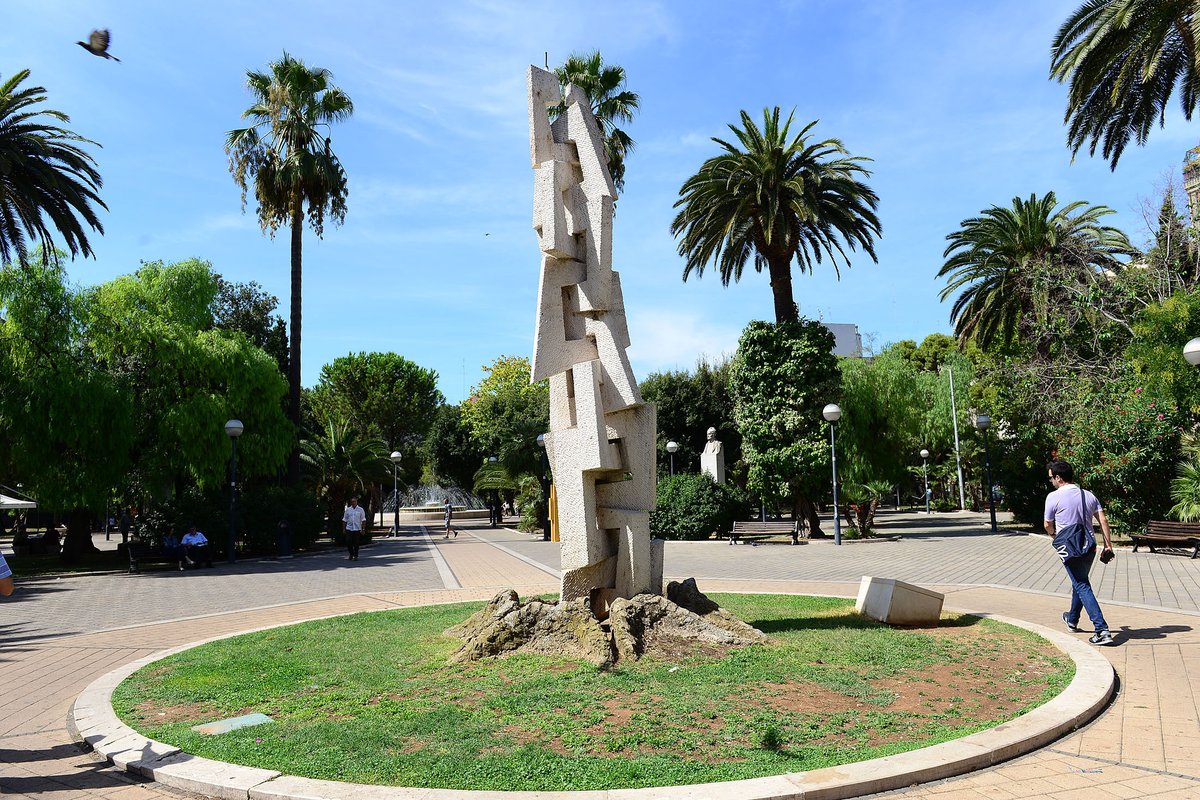 Piazza Giuseppe Garibaldi is one of those places that immediately helps you understand the soul of Bari. It's not just a square; it's a meeting point, an open-air living room where history blends with everyday life. The first thing that strikes you is its strategic location: it's situated right between the seafront and the historic center, like an ideal bridge between the sea and the ancient city. It's not huge, but it has a welcoming atmosphere, with benches shaded by trees where locals stop to chat. In the center, the statue of Garibaldi seems to placidly observe the comings and goings, while historic buildings around it tell stories of past eras. I like to think of this square as the beating heart of the modern city, a place where you immediately feel part of the urban fabric. I often see it bustling with activity: there are mothers with children, students reading, tourists consulting maps. It's an excellent starting point for exploring Bari Vecchia, but also for taking a break after a walk along the seafront. Personally, I love sitting here at sunset, when the warm light illuminates the buildings and the air fills with voices and laughter. It's not a spectacular monument, but it has an authentic charm that makes you feel at home. Some might say it's 'just a square,' but I believe it's precisely in these spaces that you grasp the true character of a city.
Kursaal Santalucia Theater
- Largo Adua 7, Bari (BA)
- Open in Google Maps
- View on Google Images
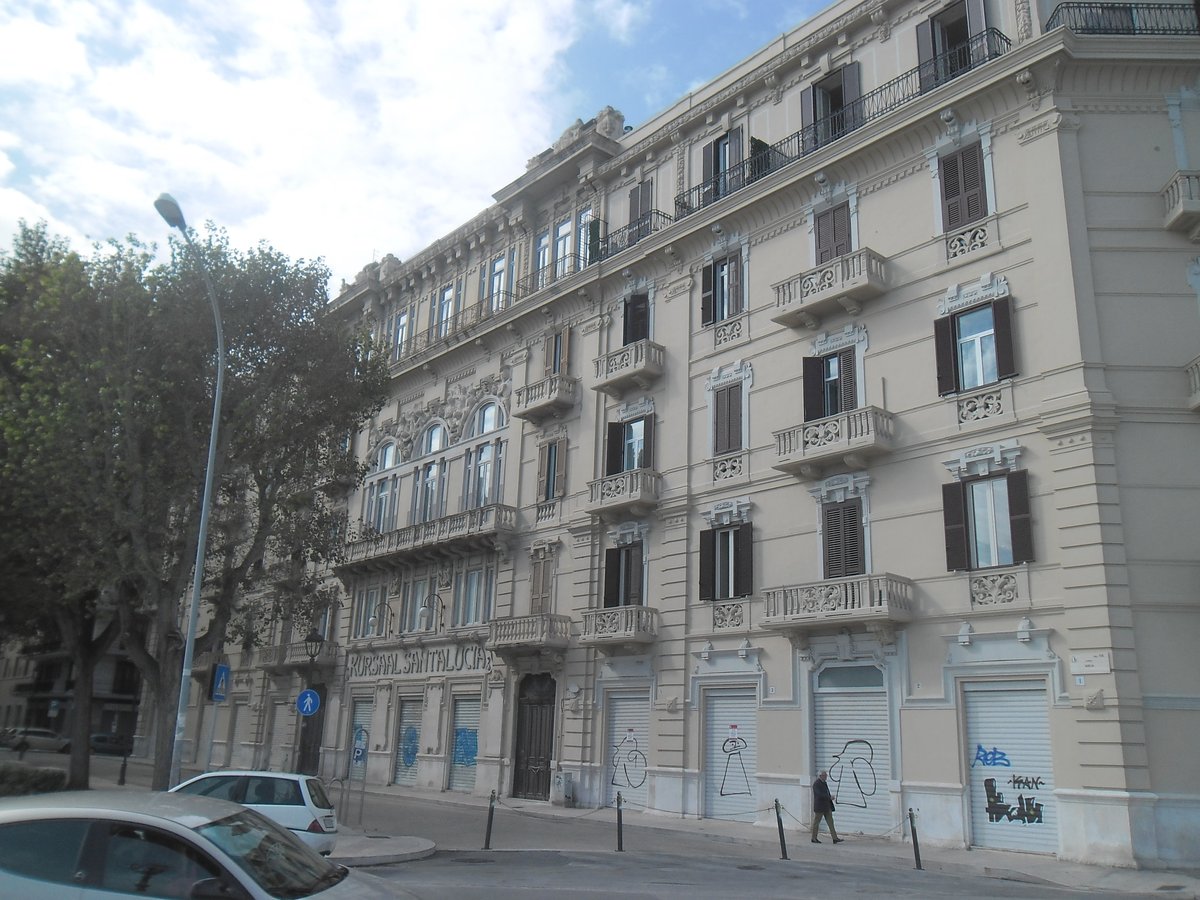 If you think Bari is just sea and basilicas, get ready for a surprise: the Kursaal Santalucia Theater is one of those discoveries that makes you completely reconsider a city. It's located on Corso Vittorio Emanuele II, right in the historic center, but it's anything but obvious. Built in 1927, this theater is a perfect example of Liberty architecture, with that elegant facade and decorations that seem to come from a golden age. Entering here is like taking a step back in time, but without dust or museum boredom. The interior is small, intimate, with an auditorium that seats about 400. Don't expect a colossus like the Petruzzelli: here the atmosphere is different, more intimate, almost familiar. The programming is varied: drama performances, concerts, cultural events. I saw a reading of Apulian poetry the last time I passed through, and I must say the acoustics are surprisingly good. A detail few notice? The ceiling decorated with floral motifs, typical of the Liberty style, which give a touch of lightness to the whole environment. Perhaps it's not Bari's most famous theater, but in my opinion, this is precisely its strength: it's not overrun by tourists, it maintains an authentic soul. I recommend checking the event calendar before going, because there are often interesting initiatives, sometimes even free ones. If you happen to be there on a performance day, it's worth stopping by: tickets are generally affordable, and the experience is definitely more engaging than many more renowned attractions. Personally, I like to think that this theater is a bit of a symbol of a Bari that never stops reinventing itself, while preserving its history.
Fizzarotti Palace
- Corso Vittorio Emanuele Secondo, Bari (BA)
- https://palazzofizzarotti.com/
- Open in Google Maps
- View on Google Images
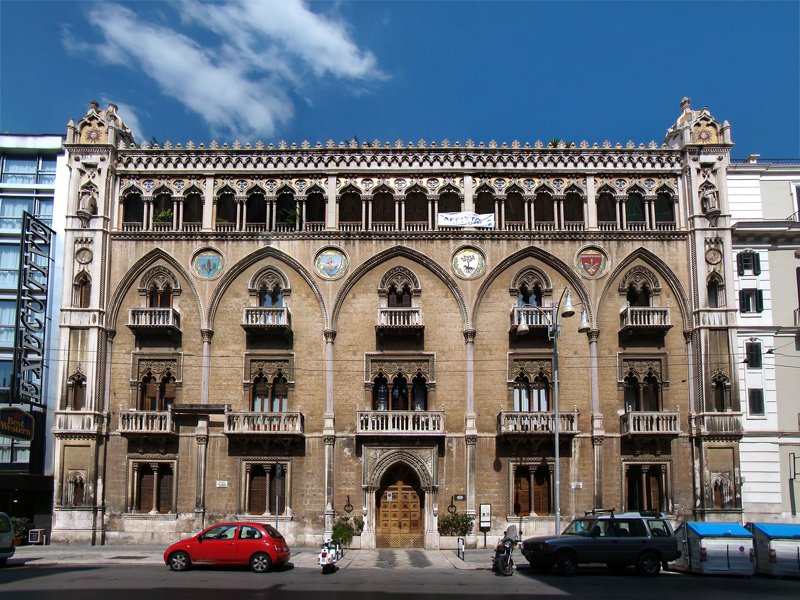 If you think of Bari and only the seafront and the Basilica of San Nicola come to mind, prepare for a pleasant surprise. Fizzarotti Palace is one of the most surprising architectures in the city center, a real eye-catcher that will make you stop in awe. It is located on Corso Vittorio Emanuele II, right in the heart of the Murattiano district, and you simply cannot miss it. What immediately strikes you is its facade: an explosion of Liberty style, with floral decorations, female figures, and geometric motifs that seem to dance on the stone. It is different from everything you expect to see here, and perhaps that is precisely its charm. The building was commissioned by textile merchant Emanuele Fizzarotti at the beginning of the 20th century, when Bari was experiencing a period of great expansion and modernity. Today, walking past it, you can almost hear the echo of that elegant and ambitious era. It is not a museum you can visit inside (it houses offices), but its beauty is entirely external, free, and always accessible. I often pass by, and each time I discover a new detail: a carved face, a wrought iron leaf, an incredibly crafted balcony. It is proof that Bari can amaze even where you least expect it, blending history, the sea, and a good dose of old-world elegance. I recommend seeing it at sunset, when the warm Apulian sun caresses the decorations and makes them shine like gold. A practical tip? It is just a stone's throw away from other attractions like the Petruzzelli Theatre and Piazza Aldo Moro, so including it in a walking tour of the center is very easy. Perhaps it is not the first thing tourist guides mention, but in my opinion, it is one of those places that make the city unique, away from the usual clichés.
Diocesan Museum of Bari
- Via Bianchi Dottula, Bari (BA)
- Open in Google Maps
- View on Google Images
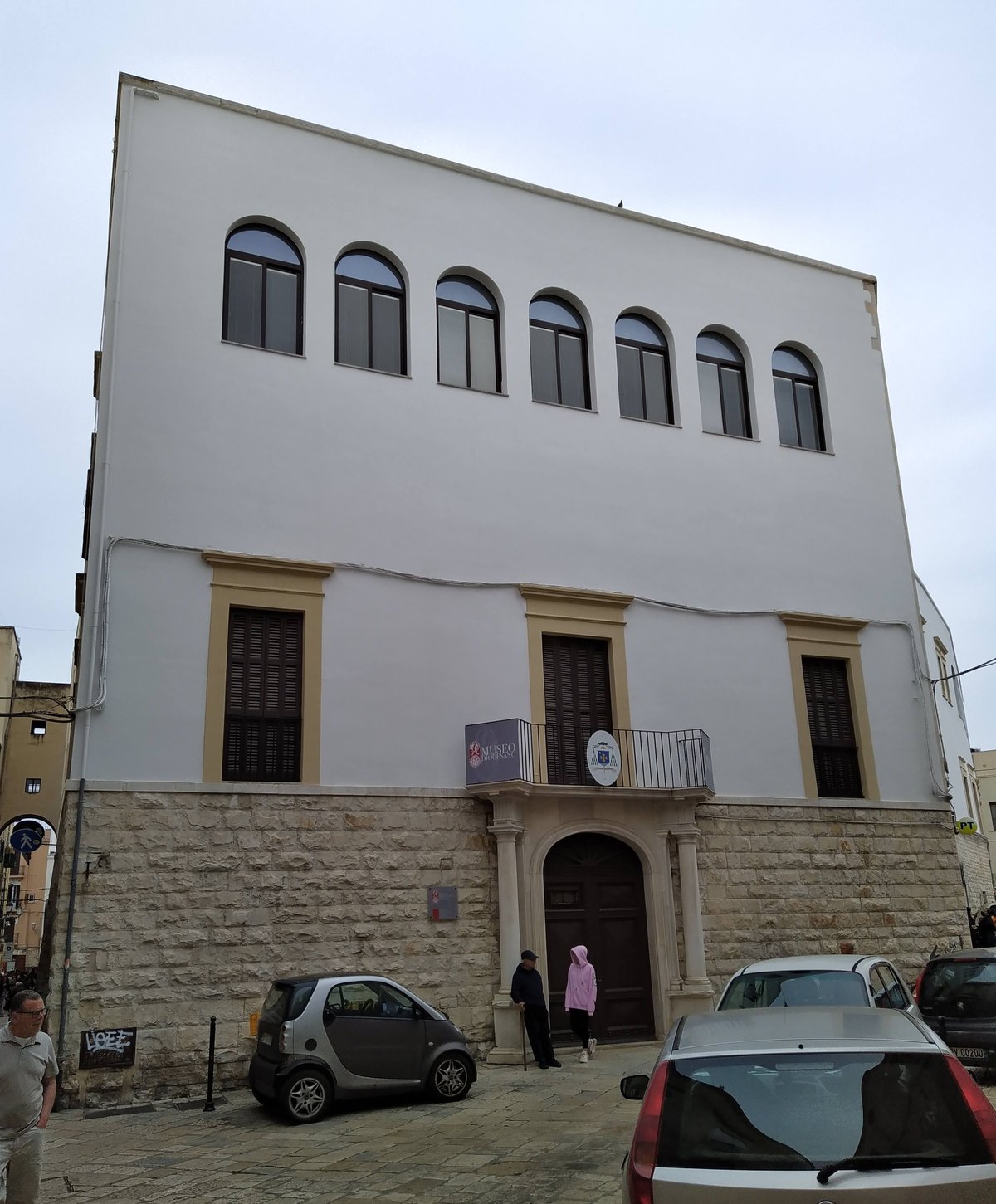 If you think Bari is just sea and focaccia, prepare for a surprise. The Diocesan Museum, nestled in the heart of the historic center right next to the Cathedral of San Sabino, is one of those places that changes your perspective on the city. It's not a huge museum, and perhaps that's its strength: here you don't get lost in endless rooms, but focus on carefully selected pieces of a thousand-year history. The entrance is discreet, almost blending with the ancient walls, but once you cross the threshold, you breathe an atmosphere of contemplation. The collection is housed in the rooms of the old seminary, and this alone makes the visit special: you walk through corridors that have shaped generations of priests. The highlight? The Cathedral Treasury, with monstrances, chalices, and sacred vestments that shine with gold and precious stones. These are objects that have witnessed centuries of prayers and ceremonies. Then there are the painted panels, illuminated manuscripts, wooden sculptures. I was particularly struck by some maritime ex-votos—small tablets telling stories of storms survived and graces received, a tangible link between faith and the seafaring life of the people of Bari. Don't expect hyper-technical explanations like in a major museum; the labels are essential, sometimes you have to rely on your own curiosity. But perhaps that's better: it gives you space to observe at your own pace. A practical note: always check the opening hours online before going, as they can vary. And if you visit the cathedral (which I highly recommend), the combined ticket for both is often a good deal. This museum isn't a must-see for those in a hurry, but for anyone wanting to understand the deeper, more devout soul of Bari, it's an unmissable stop. It takes you away for an hour from the hustle and bustle of the seafront and offers a dive into a heritage of beauty and silence.
Bari Civic Museum
- Strada Sagges 13, Bari (BA)
- Open in Google Maps
- View on Google Images
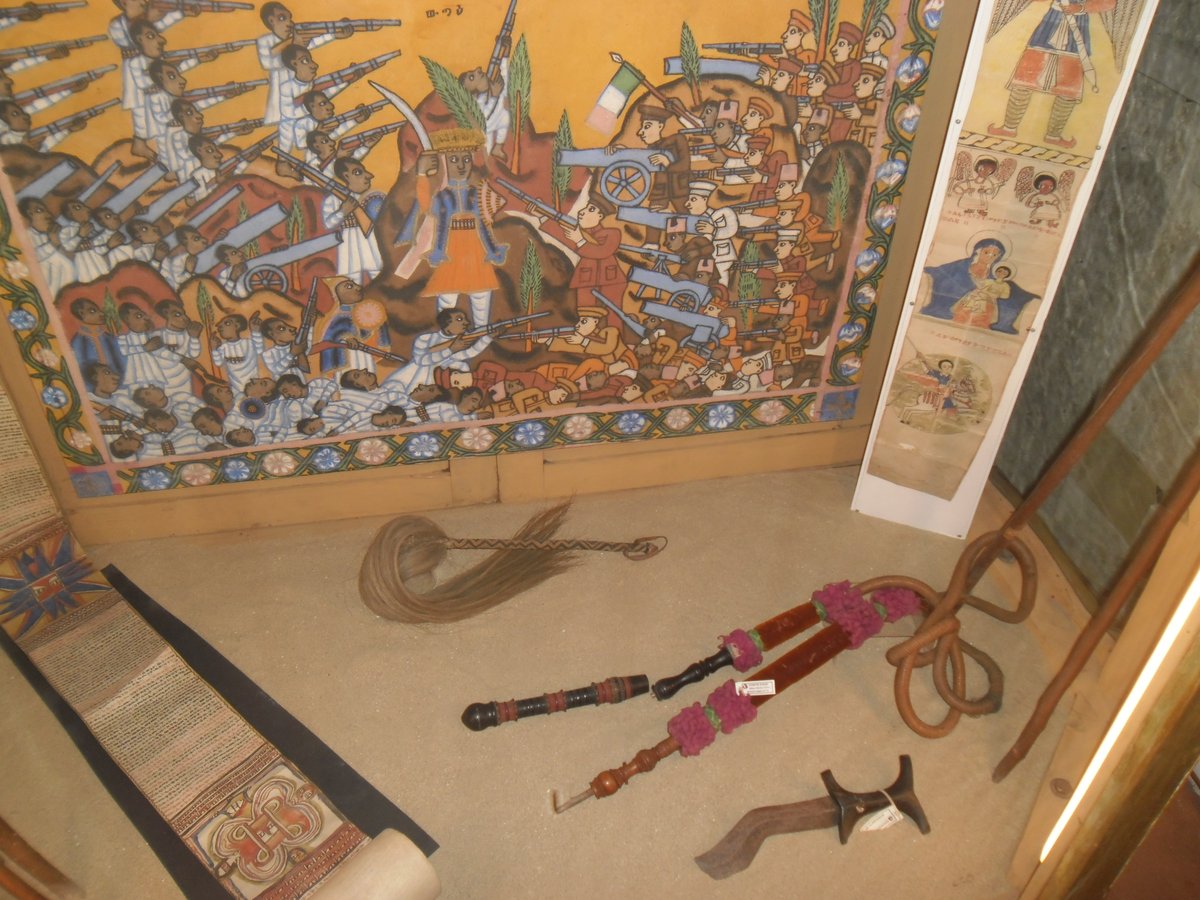 If you think Bari is just sea and focaccia, the Civic Museum will change your mind. Located in a historic building in the heart of the city center, this museum is a true treasure chest that tells the story of the city through the centuries. Don't expect a huge, sprawling place: everything here is concentrated, and in my opinion, that's an advantage. The collection ranges from archaeological finds from the Roman and medieval periods to paintings, ceramics, and documents from the 19th and 20th centuries. What struck me is how it manages to connect seemingly distant pieces of history, creating a clear narrative thread. Among the things I remember best is the section dedicated to ancient Bari, with artifacts that make you imagine daily life centuries ago. Then there are the rooms with artworks and objects that testify to the more recent past, up to the 20th century. The museum isn't just a collection of old things: it's a way to understand how Bari became what it is today. The atmosphere is intimate, almost cozy, and allows you to observe at your own pace. It might not be the most famous place in the city, but in my opinion, it's worth dedicating an hour to, especially if you want to go beyond the postcards. A tip: always check the opening hours before going, because civic museums sometimes have unexpected closures. And if you're lucky, you might find some interesting temporary exhibitions.