Arcola Castle: Medieval Fortress with Views of the Magra Valley and Apuan Alps

Arcola Castle is a 10th-century medieval fortress overlooking the Magra Valley, featuring imposing walls, a keep, and unique views of Lunigiana and the Apuan Alps. The visit includes the medieval village of Arcola with the 12th-century Church of San Nicolò.

  • Breathtaking panoramic views of the Magra Valley and Lunigiana with the Apuan Alps in the background
  • 10th-century medieval fortress with imposing walls, a keep, and remains of the chapel
  • Medieval village of Arcola with narrow alleys, stone houses, and the 12th-century Church of San Nicolò
  • Authentic atmosphere away from the crowds, ideal for peaceful walks and photography
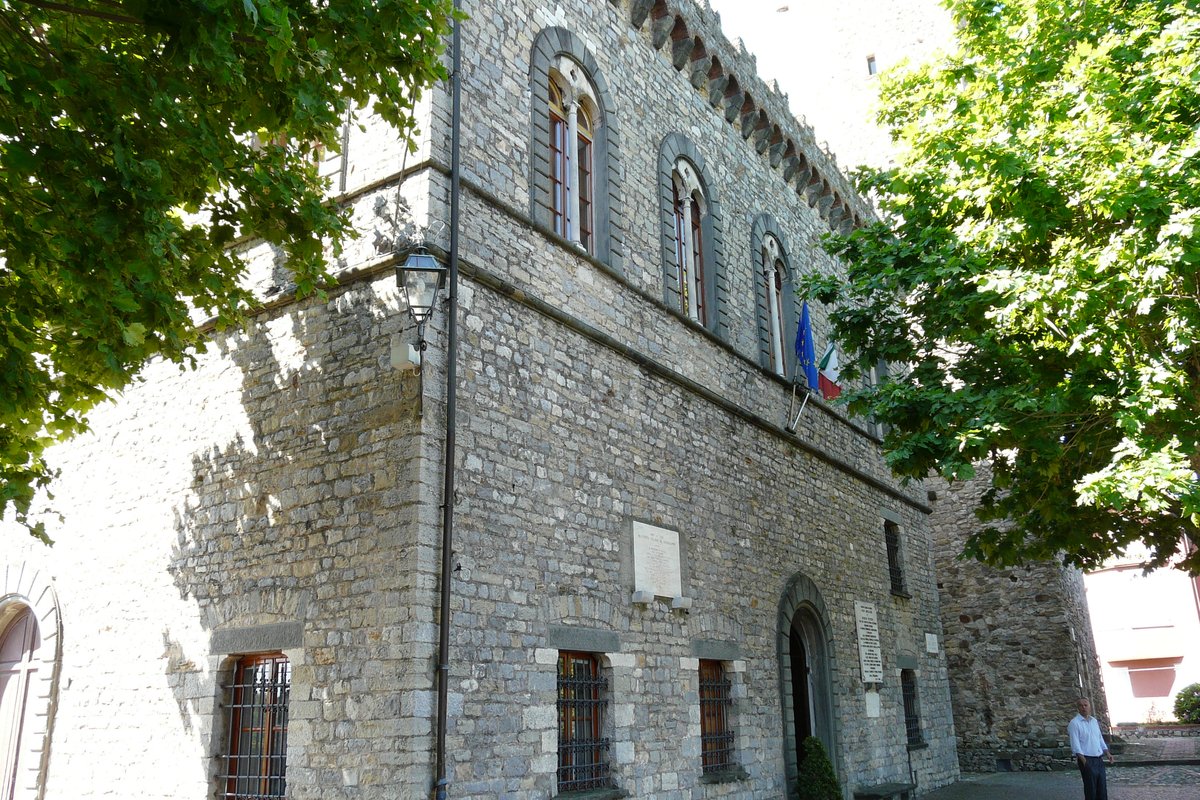
Copertina itinerario Arcola Castle: Medieval Fortress with Views of the Magra Valley and Apuan Alps
Arcola Castle, a 10th-century fortress with imposing walls and a keep, offers panoramic views of Lunigiana and the Magra Valley. Visit the medieval village of Arcola and discover the history of the Malaspina family.

Good to know


Introduction

The Castello di Arcola is not just a medieval ruin; it’s a breathtaking balcony overlooking the Val di Magra. Arriving from La Spezia, you’ll see it emerge among the hills like a silent guardian, its stone walls whispering centuries of history. Don’t expect a perfectly restored fairytale castle: here, the atmosphere is authentic, a bit rustic, and all the more captivating for it. The view of Lunigiana is one of those panoramas that makes you forget your phone. Personally, I spent an hour just watching the Magra River winding through the fields, with the Apuan Alps in the background. It’s a place for those seeking a less-trodden Liguria, far from the crowds of the Cinque Terre, where time seems to flow more slowly. If you love villages with soul, Arcola and its castle are a must-visit.

Historical Overview

The castle’s origins date back to the 10th century, when it was built as a fortress by the Obertenghi marquises to control the Via Francigena and traffic on the Magra River. During the Middle Ages, it passed to the Malaspina family, one of the most powerful in Lunigiana, who expanded it. It was not just a noble residence: during the wars between Genoa and Pisa in the 14th century, it suffered sieges and damage. Today, the perimeter walls, the main tower, and the chapel ruins remain. Walking among the stones, you can still feel the echo of that turbulent past. An interesting fact: in the 18th century, the castle was partially converted into a private residence but always retained its strategic function. The timeline summary:

  • 10th century: first fortifications by the Obertenghi marquises
  • 12th-13th centuries: Malaspina rule, expansions
  • 14th century: damage during the wars between Genoa and Pisa
  • 18th century: partial transformation into a residence
  • Today: visitable ruins with panoramic and historical significance

A Labyrinth of Stone and Green

What strikes you about Arcola Castle is the blend of military architecture and spontaneous nature. The walls, tall and massive, are wrapped in ivy and wild plants that seem to want to reclaim the stone. Inside, there are no furnished rooms or museums, but an open area where you can wander freely among the remains of the rooms and narrow passages. I noticed details like the arrow slits for archers, still visible, and the bases of ancient fireplaces. In spring, the surrounding meadows fill with yellow flowers, creating a beautiful contrast with the gray stone. It’s a perfect spot for a quiet stroll, perhaps with a book or a light picnic. Be careful, though: the ground is uneven and in some places there are steps worn by time. I recommend comfortable shoes and a bit of attention, especially if you’re with children.

The Village of Arcola: An Extension of the Castle

Visiting the castle without exploring the medieval village of Arcola would be a shame. The village is perched on a hill right below the walls, with narrow alleys and stone houses that seem fused with the rock. As you stroll, you’ll find the Church of San Nicolò, dating back to the 12th century, with a simple yet elegant Romanesque portal. I got lost among the lanes, discovering little corners with views over the valley and small vegetable gardens tended by the locals. The feeling is of being in a living place, not just a tourist spot. In the evening, the village lights up and the castle becomes a dark silhouette against the sky, creating an almost magical atmosphere. If you have time, stop at one of the local bars for a coffee or a glass of wine from the Spezzino hills: the people are friendly and often share anecdotes about the area’s history. It’s an experience that completes the visit, adding a touch of Ligurian authenticity.

Why Visit It

First, for the unique panorama over the Val di Magra and Lunigiana: from here you see a mosaic of fields, rivers, and mountains that few places in Liguria offer. Second, for the authentic atmosphere: there are no expensive tickets or crowds of tourists, just history and nature blending together. Third, because it’s an excellent base for exploring the province of La Spezia beyond the usual destinations: you immerse yourself in a rural and genuine Liguria, far from the coastal chaos. Personally, I found it ideal for a day of relaxation and discovery, without rush.

When to go

The best time is late autumn afternoon, when the light turns warm and golden, enhancing the colors of the stones and the valley. In summer, avoid the midday hours as it can get very hot and there isn’t much shade. In spring, the blooming meadows offer a natural spectacle. I visited in October and the atmosphere was perfect: silence, fresh air, and few visitors. If you want to avoid crowds, choose weekdays.

In the Surroundings

A few kilometers away is Sarzanello, with its Renaissance fortress overlooking the valley: another example of well-preserved military architecture, perfect for historical exploration. For a different experience, head to the Lunigiana Hills, where you can sample local products like testarolo or visit small villages like Pontremoli. Both locations are easily accessible and enrich the visit with a broader context of the area.

Itineraries nearby


💡 Did You Know…?

A local legend tells of a secret underground passageway leading from the castle to the Magra River, used for escapes or supplies during sieges. Historically, the fortress was long contested: the Malaspina family ceded it to Genoa in 1221, but conflicts continued. In the 15th century, it became the property of the Campofregoso family, one of the Genoese dogal families. Today, during some visits, you can still see the cistern for collecting rainwater, a vital element for withstanding sieges, and the remains of the ancient stables.