A Hidden Treasure
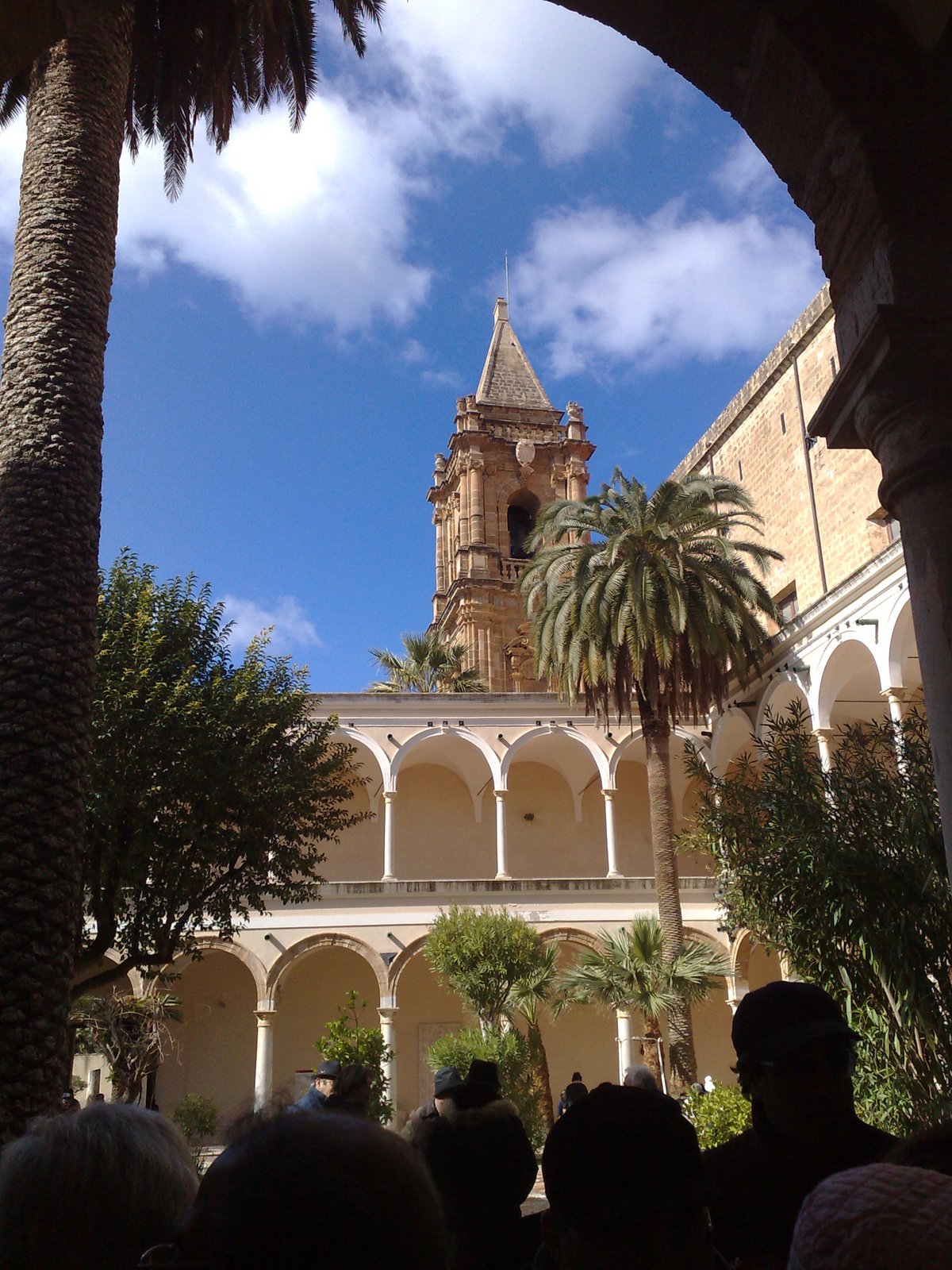
Stepping into the Pepoli Museum is like discovering a vault of beauty in the heart of Trapani. Don’t expect a huge, cold place: here, art envelops you with surprising intimacy. The cloister, with its arches and silence broken only by the sound of fountains, is reason enough to stop. I was immediately struck by the light filtering through the columns, creating shadow plays that seem designed for photos. The collection isn’t just ‘old stuff’—there’s a vitality in the sculptures and crafted corals that tells stories of the sea and devotion. The atmosphere is cozy, almost homely, making you forget you’re in a regional museum. Perfect for those wanting a break from the chaos of the historic center without going too far.
History in a Nutshell
The museum was born from the passion of Count Agostino Pepoli, a 19th-century Trapani nobleman who collected artworks as if they were personal treasures. The venue is a former 14th-century Carmelite convent, and this alone tells you that you’re not visiting just any place.
Its transformation into a public museum came in 1908, after the count donated his collection to the city. What you see today is the result of centuries of layering: from the monks’ Middle Ages to the 18th-century coral masters, up to the 19th-century elegance of the Pepoli donations. The timeline below helps you navigate:
- 14th century: construction of the Carmelite convent
- 16th-18th century: golden age of coral craftsmanship in Trapani
- 1908: official opening as a civic museum
- Today: management by the Sicilian Region with expanded collections
Corals That Look Like Jewels
The section dedicated to coral is the one that left me speechless. These are not mere decorations, but true works of art that showcase incredible craftsmanship. In the 17th and 18th centuries, Trapani artisans transformed this red material into crucifixes, tabernacles, and even sacred sculptures so detailed they resemble embroidery. There’s a Christ on the cross made entirely of coral that is of such delicate beauty—it’s hard to believe it was handcrafted centuries ago. Here you understand why Trapani was famous throughout Europe for this art. The display cases are illuminated to highlight every shade of red, and the captions clearly explain the techniques used. I recommend paying special attention to the works of Andrea Tipa, an 18th-century master of whom the museum preserves rare pieces.
Speaking Sculptures
Beyond corals, the museum houses marble and wooden sculptures that tell the story of Sicilian religiosity in a very tangible way. Antonello Gagini’s ‘Madonna degli Angeli’ is a masterpiece that alone is worth the visit: the drapery of the cloak looks like real fabric, and the facial expression has a rare sweetness. But there are also lesser-known works that strike for their immediacy, such as silver reliquary busts or processional statues that still parade through the streets of Trapani during festivals. Here, sacred art is not distant, but alive—you can almost smell the scent of candle wax. One thing I noticed: many of these sculptures were originally in the region’s churches, so visiting the museum is a bit like touring the most important places of worship without moving.
Why You Shouldn’t Miss It
First: it’s the only place to see Trapani’s coral art gathered so comprehensively. In the town center shops you’ll find modern souvenirs, but here you understand the roots of this tradition. Second: the location is super convenient, just steps from Villa Margherita and the historic center, perfect for fitting it into a day of exploration without rushing. Third: the ticket price is low and there are often interesting temporary exhibitions that enrich the experience. I went back twice because the first time I hadn’t seen everything at a leisurely pace – and the second time I discovered details I’d missed, like the small silver ex-votos in the side room.
The Right Moment
Late afternoon, when the sun begins to set, is magical. The slanting light enters the cloister and illuminates the marble with a golden warmth you won’t see at other times. In winter, on rainy days, the museum becomes a perfect refuge—it’s well-heated and nearly deserted, so you can enjoy the artworks in complete tranquility. In summer, however, avoid the hottest hours of the day: even though there’s air conditioning inside, it’s best to visit early in the morning or around 5 p.m., when the tourist crowds thin out. A personal tip: go on Wednesday or Thursday, the days when there are usually fewer organized groups.
After the Museum
After leaving the Pepoli, take a short walk to the Santuary of the Annunciation, which houses the marble statue of the Madonna of Trapani, venerated throughout Sicily. It’s an ideal connection to the sacred works you’ve just seen. If you’d rather continue with the theme of craftsmanship, look for the still-active coral workshops in the narrow streets around Via Torrearsa – some allow you to watch the master craftsmen at work. For a lighter experience, climbing up to the Castle of Terra (or Torre di Ligny) offers a breathtaking view of the sea and the Egadi Islands, perfect for ending a day of art and history on a high note.