
The Rocca di San Leo is a Renaissance fortress built on a rocky spur overlooking the Valmarecchia, designed by engineer Francesco di Giorgio Martini for the Montefeltro family. It offers an immersive experience between military history and breathtaking landscapes.
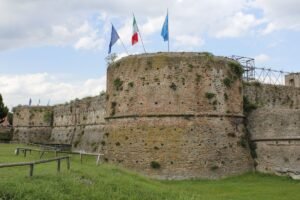
• 15th-century fortress with mighty walls directly fused into the rock
• Historical prisons where the Count of Cagliostro, a famous alchemist, was imprisoned
• 360-degree panorama over the medieval village of San Leo and the Montefeltro hills
• Interior halls with armor, period furniture, and original patrol walkways
Events nearby
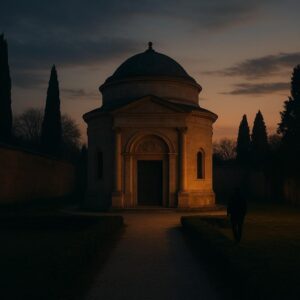
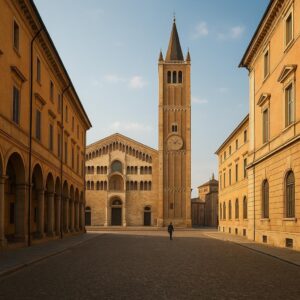
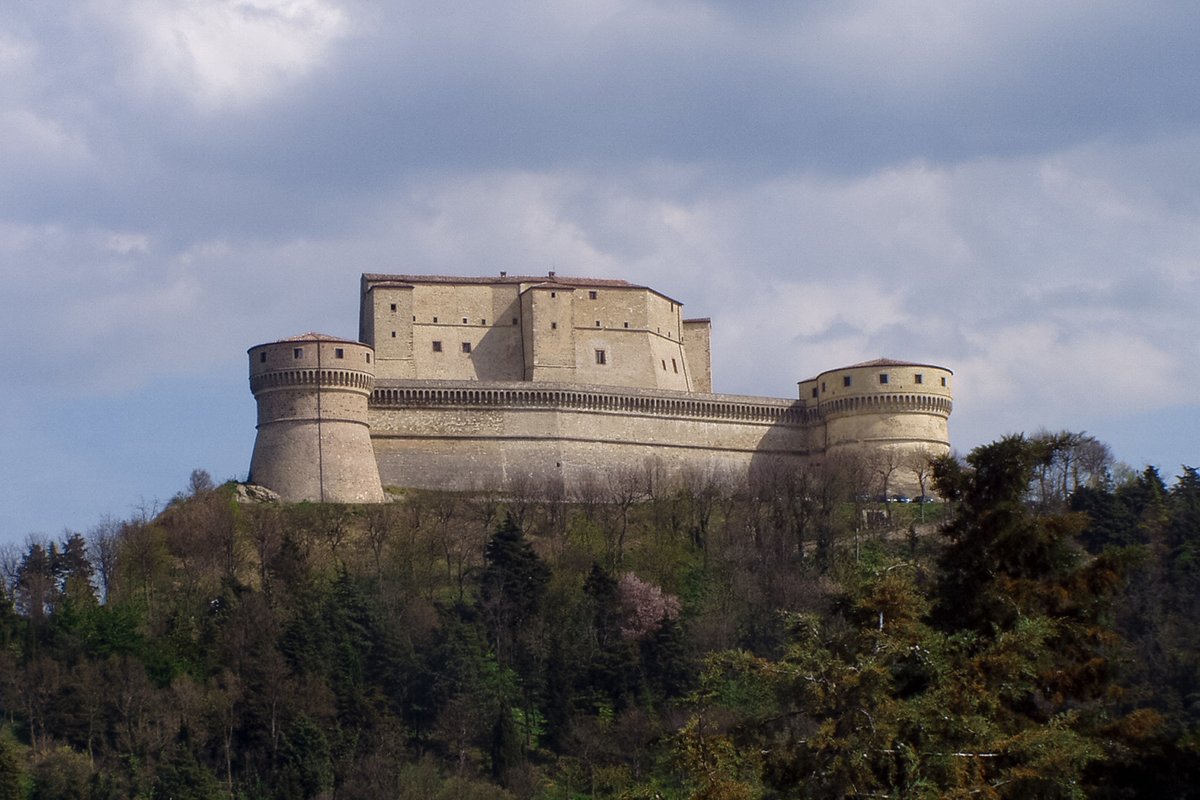
15th-century fortress designed by Francesco di Giorgio Martini, featuring the Count of Cagliostro’s prisons, walls fused into the rock, and panoramic views over Montefeltro. Explore the halls with armor and the dungeons.
- Via Giacomo Leopardi, Rimini (RN)
- Open in Google Maps
- View on Google Images Rocca di San Leo a Rimini
Good to know
Introduction
Historical Overview
- Prehistory/Romans: Early settlements on the rocky spur.
- Middle Ages: Fortification of the site by various lordships.
- 1441: Francesco Sforza conquers the fortress.
- 1479-1482: Radical renovation commissioned by Federico da Montefeltro, designed by Francesco di Giorgio Martini.
- 1631: Comes under direct control of the Papal State.
- 18th-19th Centuries: Used as a state prison. Count Cagliostro is imprisoned and dies here (1795).
- Today: National monument and museum.
Architecture: A Masterpiece of Military Engineering
The Visiting Experience: Between History and Thrills
Why Visit
When to Go
In the Surroundings
Itineraries nearby

💡 Did You Know…?
The cell where Giuseppe Balsamo, known as Cagliostro, was imprisoned is one of the most evocative spots: here the alchemist spent the last years of his life, and his mysterious story adds an aura of legend to the visit. Don’t miss the San Leo well, carved into the living rock and over 60 meters deep, an extraordinary hydraulic work for its time. According to tradition, the patron saint Leone performed miracles right in this place, giving the village its name. Climbing the towers, on clear days you can even glimpse the Adriatic Sea on the horizon.