
If you have only three days but want to savor the best of the Costa dei Trabocchi, this itinerary in Province of Chieti is for you. Starting from Francavilla al Mare and ending in Vasto, you’ll traverse a stretch of Abruzzo coastline among history, art and breathtaking views. You’ll visit the Ortona Lighthouse, Aragonese Castle, Michetti Museum and Punta Penna Tower, not forgetting the characteristic trabocchi, the ancient fishing machines that give this coast its name. Three days immersed in local culture, with stops in fishing villages and lovely beaches. Ideal for those who love slow travel, without missing out on discovering Abruzzo’s hidden gems. A perfect 3-day itinerary that will make you fall in love with this land rich in traditions and natural beauty.
🗺️ Your trip at a glance
A three-day journey between history and sea, perfect for those who want to discover the Costa dei Trabocchi authentically. Among lighthouse, castles and abbeys, each stop offers unique emotions.
- Ideal for those who love history, art and sea views.
- Highlights: iconic stops like Ortona Lighthouse and Aragonese Castle, beaches and trabocchi.
- For those seeking a cultural trip without giving up beach relaxation.
Itinerary stops
Day 1 – Stop no. 1
Convento Michetti: The Cenacle of Art
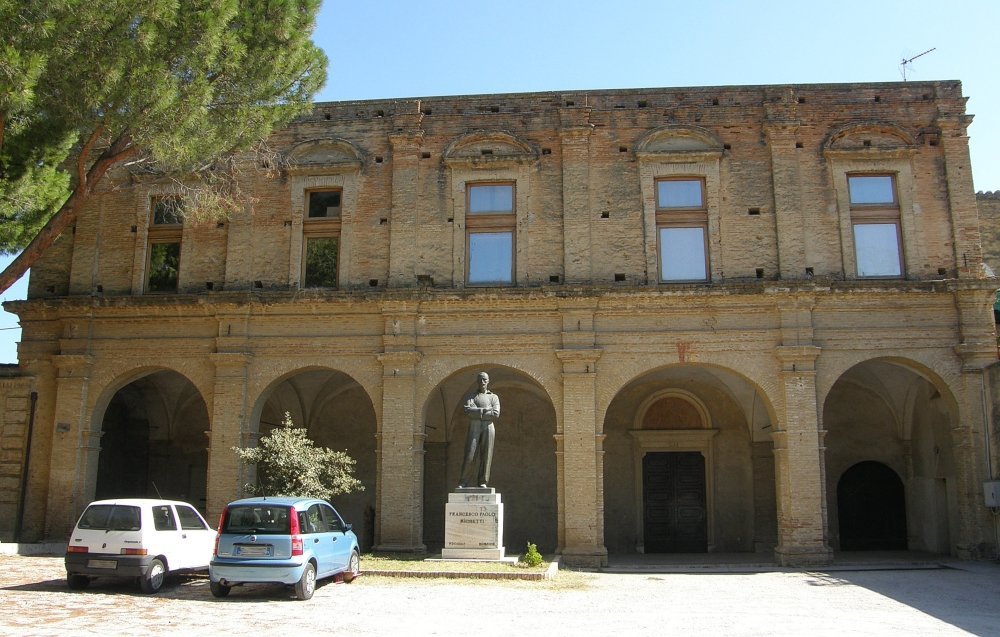 The first stop on our itinerary is a place that smells of art and history. The Convento Michetti, perched on the hill of Francavilla al Mare, was a 15th-century Franciscan convent before becoming the home-studio of painter Francesco Paolo Michetti in 1885. Here, between the late 1800s and early 1900s, the so-called Cenacolo Michettiano gathered: artists such as Gabriele D’Annunzio (who wrote Il Piacere there), Francesco Paolo Tosti, Matilde Serao, and many others. The atmosphere remains intact: the cloister with its ‘occhialoni’—large windows framing the landscape—designed by Michetti, the refectory with vintage photographs and the master’s palette in his studio. Declared a National Monument in 1939, it is now owned by his heirs but can be visited by appointment only. The address is Via Giorgio Cirillo, 1 — a place that not only tells the story of art but makes it come alive.
- Via Giorgio Cirillo, Francavilla al Mare (CH)
- Open in Google Maps
- View on Google Images

You should go if…
Day 1 – Stop no. 2
Michetti Museum: Art and History in Francavilla al Mare
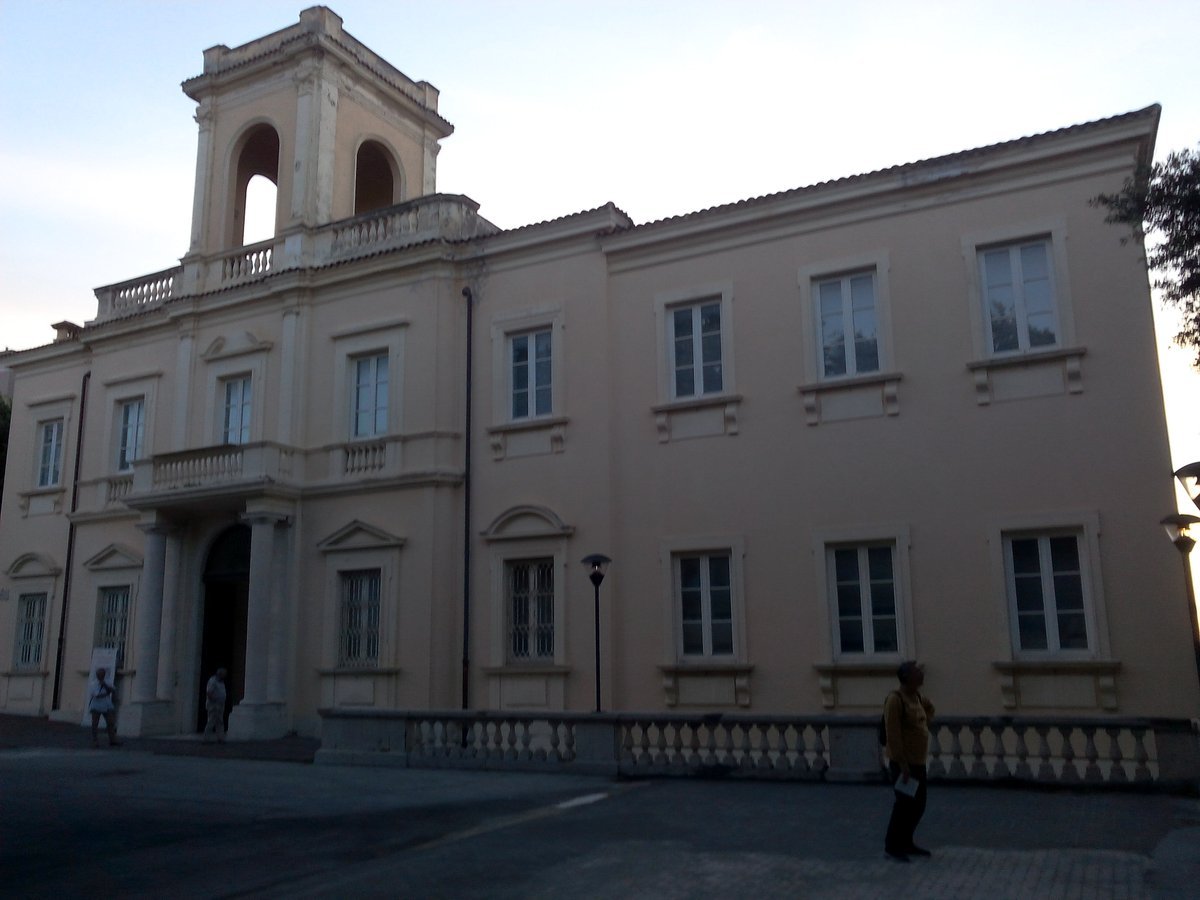 After strolling along the seafront, it’s time to immerse yourself in art at the Michetti Museum, nestled in the former convent of San Domenico. Here, among cloisters and 18th-century halls, you’ll be amazed by two gigantic canvases by Francesco Paolo Michetti: “Le Serpi” and “Gli Storpi”, each nearly 10 meters long. The first depicts the procession of the snake handlers of Cocullo, a ritual that still fascinates today; the second, a pilgrimage to the sanctuary of Casalbordino. But that’s not all: the museum also houses the Michetti Prize collection, with over 260 works by contemporary artists such as De Chirico, Carrà, and Prampolini. Admission is free, and thanks to recent renovations, access is easier for everyone with ramps and tactile paths. A tip? Check the hours on the website before you go, as they change often. For me, it’s a must-see stop to understand the artistic soul of this coast.
- Via San Domenico 1, Francavilla al Mare (CH)
- https://www.fondazionemichetti.it/
- Open in Google Maps
- View on Google Images
You should go if…
Day 1 – Stop no. 3
Palazzo Sirena: History and Seaside Spectacles
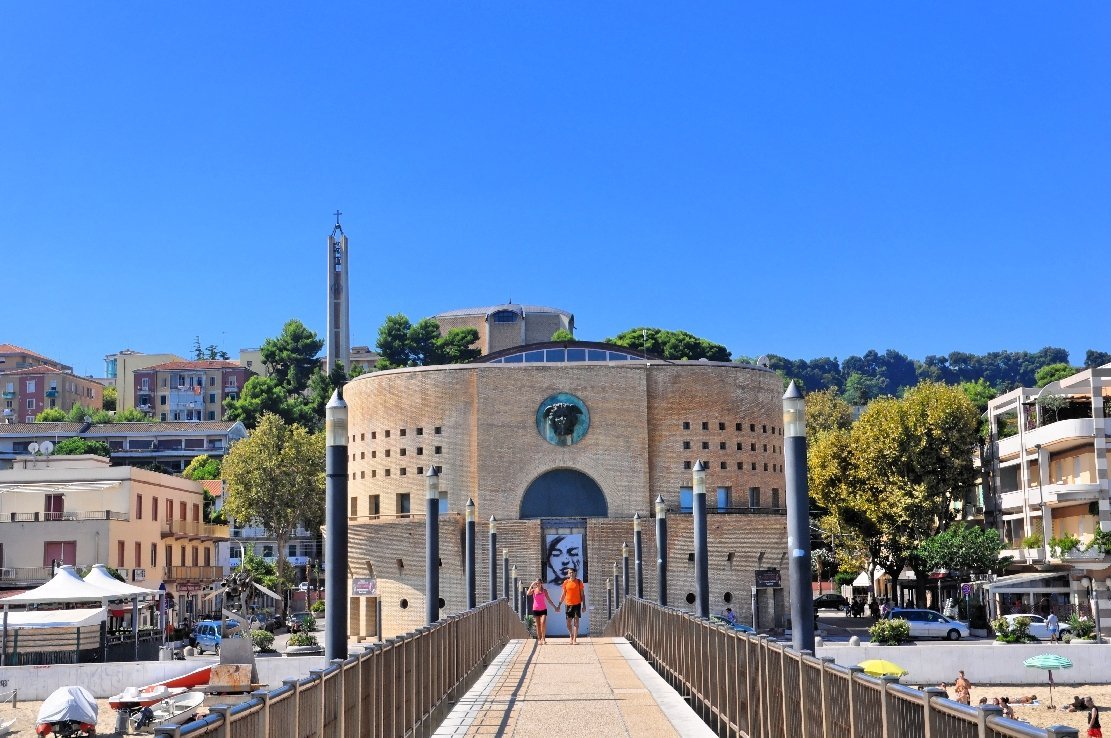 We end the first day at Palazzo Sirena, a Liberty-style jewel overlooking the sea in Francavilla. Inaugurated in 1888 with a ball reported by D’Annunzio, it was destroyed by the Germans in 1943 and rebuilt after the war. Today it houses a 274-seat auditorium for concerts and theater, but the real spectacle is outside: the exposed brick facade opens onto the Porta del Mare, topped by an iron sculpture by Mitoraj depicting the mythical source of the winds. Behind, a pier stretches out over the water, perfect for a sunset stroll. Amidst history, art, and culture, this palace is the right place to savor Francavilla’s seaside soul.
- Piazza Sirena, Francavilla al Mare (CH)
- Open in Google Maps
- View on Google Images
You should go if…
Day 2 – Stop no. 1
Ortona Lighthouse: Symbol of the Abruzzo Port
 The second day on the Costa dei Trabocchi begins in Ortona, and the first stop is the Lighthouse, symbol of the most important port in Abruzzo. Built in 1937, it stands 24 meters tall with its octagonal shape, at the foot of the Aragonese Castle. Here, the wind greets you with the scent of salt, while your gaze sweeps along the rugged coastline. Nearby, a pebble beach invites a refreshing dip before moving on. On clear days, the lighthouse is also the starting point for a walk along the new cycle-pedestrian path that reaches as far as the Ripari di Giobbe. Note: it is usually not open to the public, but on special occasions like Sea Day (April 2024) it can be visited. A maritime gem to admire from the outside, but with a story worth discovering.
- Go to the page: Ortona Lighthouse: Historic 1923 Tower with 360° Views of the Gulf
- Via Cervana, Ortona (CH)
- Open in Google Maps
- View on Google Images
You should go if…
Day 2 – Stop no. 2
Aragonese Castle: History and Views of the Trabocchi Coast
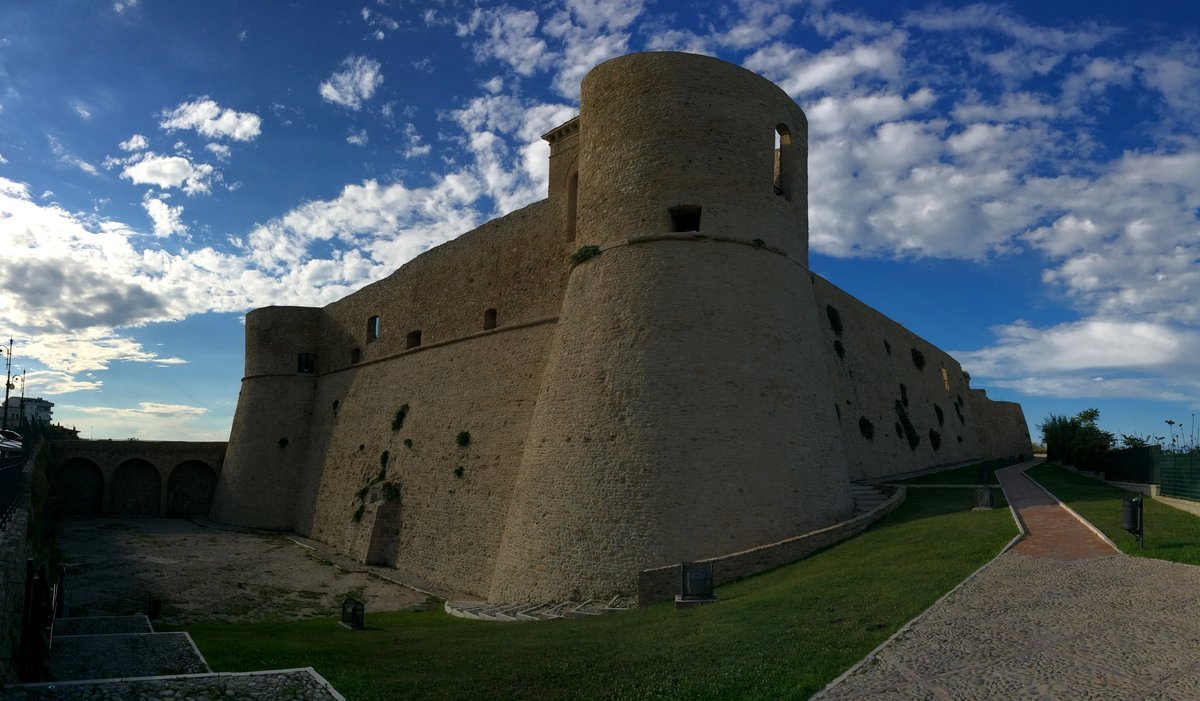 Continuing our day, we arrive at the Aragonese Castle, built in 1452 by order of Alfonso of Aragon on the cliff ‘La Pizzuta’. Of the four original cylindrical towers, only three survive today: a landslide in 1946 and the bombings of World War II left their mark. Entering, however, is like stepping back in time: the castle has been restored since 2001 and is now a public garden offering breathtaking views of the Trabocchi Coast and the Adriatic Sea. Admission is free and you can visit the west tower, which houses a small museum with vintage photos and noble furnishings. The east tower, on the other hand, is a perfect belvedere. I recommend arriving in the late afternoon, when the sun gilds the walls and the panorama becomes even more enchanting. Open every day, with extended hours in summer until 11 PM.
- Largo Castello, Ortona (CH)
- Open in Google Maps
- View on Google Images
You should go if…
Day 2 – Stop no. 3
Museum of the Battle of Ortona
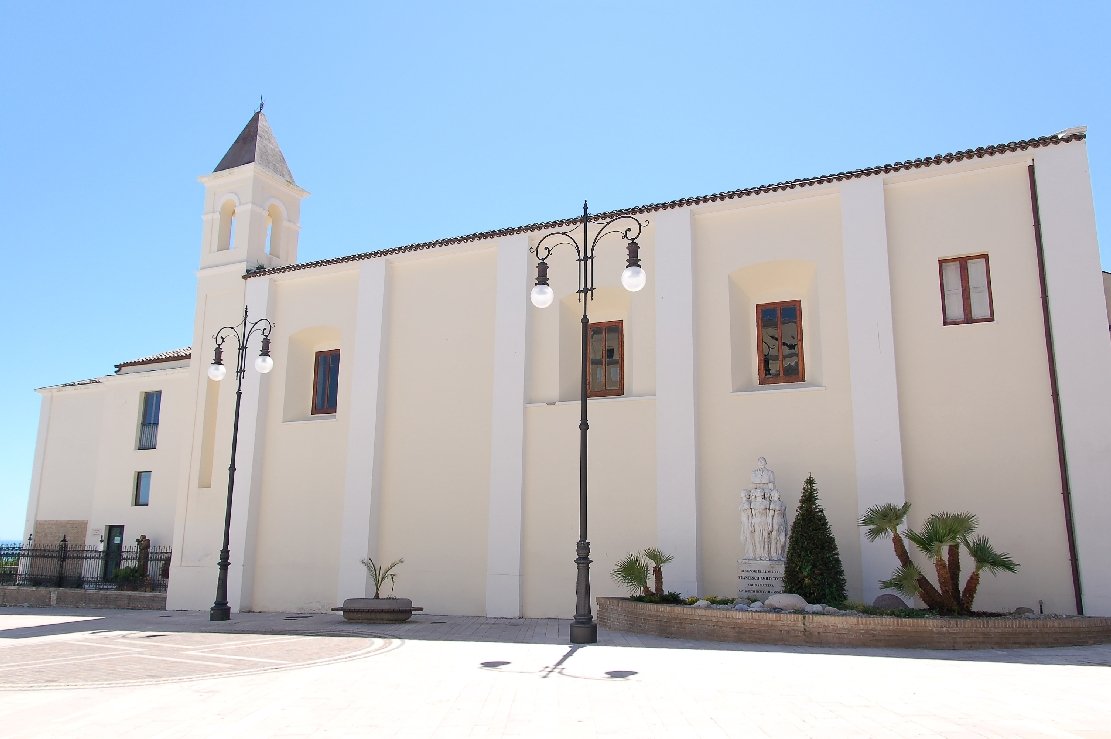 From the castle we move to the Museum of the Battle of Ortona (Mu.Ba. ’43), set up in 2002 in the former convent of Sant’Anna. Here you relive the tragic battle of December 1943, which cost the lives of 1,314 civilians and hundreds of Canadian and German soldiers. The itinerary unfolds in three rooms: the first dedicated to civilians, with photos and a model of the destroyed city; the second to combatants, with weapons, uniforms, and a large model of the rubble; the third to military strategies, with maps and a period film. The large photographs on the walls and the intimate atmosphere are striking. Admission is free, but hours are limited (Tuesday, Wednesday, Friday morning; Thursday afternoon). A place that invites reflection, far from rhetoric.
You should go if…
Day 3 – Stop no. 1
Punta Penna Tower and the Lighthouse
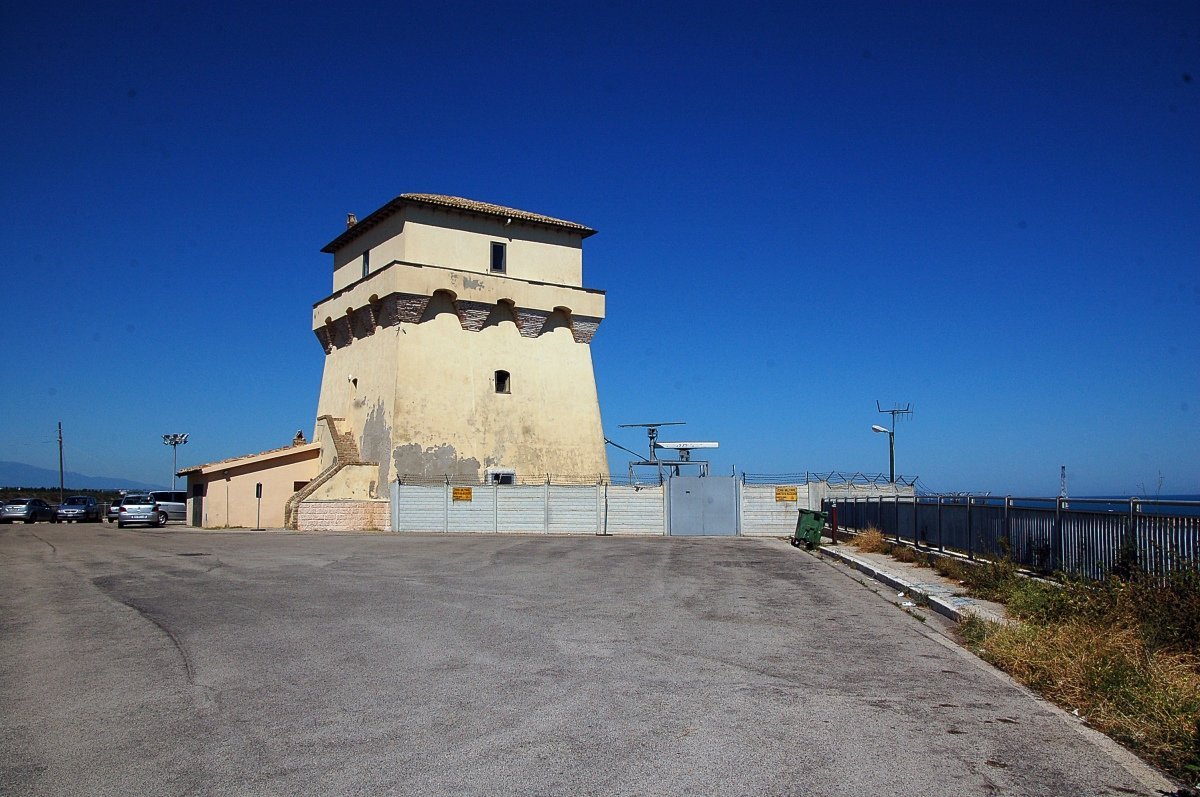 We kick off the third day with a visit to the Punta Penna promontory, north of Vasto. Here stands the Punta Penna Tower, built between 1563 and 1569 by order of Viceroy Pedro Afán de Ribera, with its characteristic truncated pyramid shape in plastered brick. Next to it, you can’t miss the 70-meter-high lighthouse, the second tallest in Italy after the Lanterna di Genova. Built in 1906, it was destroyed by the Germans in 1944 and rebuilt in 1948. Climbing its 307 spiral steps, the view stretches from Ortona to the Gargano. Don’t miss the nearby church of Santa Maria di Pennaluce, a 15th-century gem with a portico and rose window. The tower now serves as a radar base for the Italian Navy, but the area is immersed in the Punta Aderci Nature Reserve, with dunes and wild beaches. A place that blends history, nature, and breathtaking panoramas.
You should go if…
Day 3 – Stop no. 2
Teatro Rossetti: A Gem in the Heart of Vasto
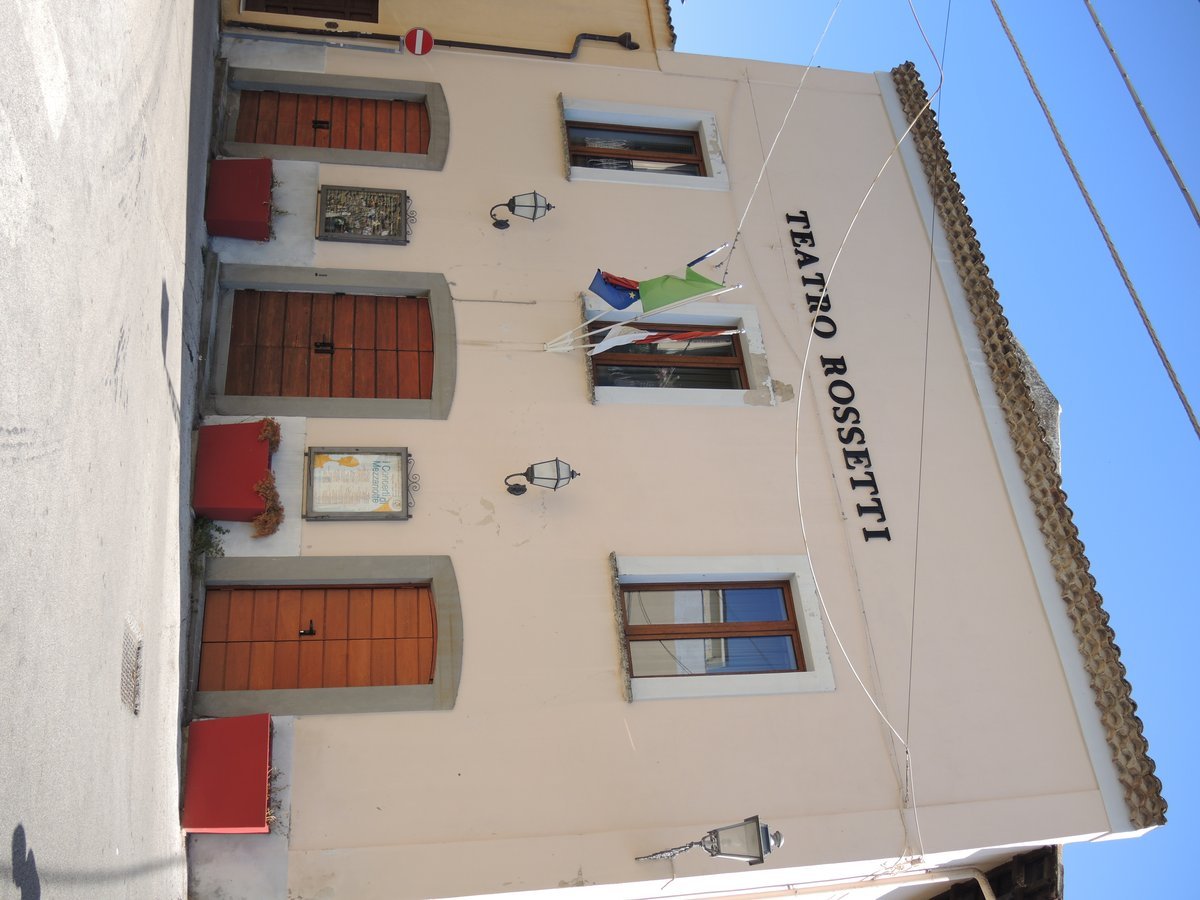 After strolling through the alleys of the historic center, a small gem awaits you: the Teatro Rossetti, the second oldest public theatre in Abruzzo, inaugurated in 1819 as the Real Teatro Borbonico. Entering here is like stepping back in time: three tiers of boxes, gilded stucco, and a ceiling frescoed by Catalan artist Federico Ballester depicting the ‘Hours Delighted by the Muses’. The capacity is small – only 156 seats – but the acoustics are considered the best in the region: perfect for concerts and plays. During World War II it was used as a warehouse and the 19th-century curtain was stolen; then, after a long restoration, it reopened in 1987 and definitively in 2007 under the direction of maestro Raffaele Bellafronte. Today it hosts high-level seasons, from classical to jazz, and in 2024 it was declared a National Monument. If you’re in town for the Costa dei Trabocchi, set aside an hour to visit it or, better yet, book a ticket for a show: the intimate atmosphere will stay with you.
- Via Aimone, Vasto (CH)
- Open in Google Maps
- View on Google Images
You should go if…
Day 3 – Stop no. 3
Vastese Archaeological Museum
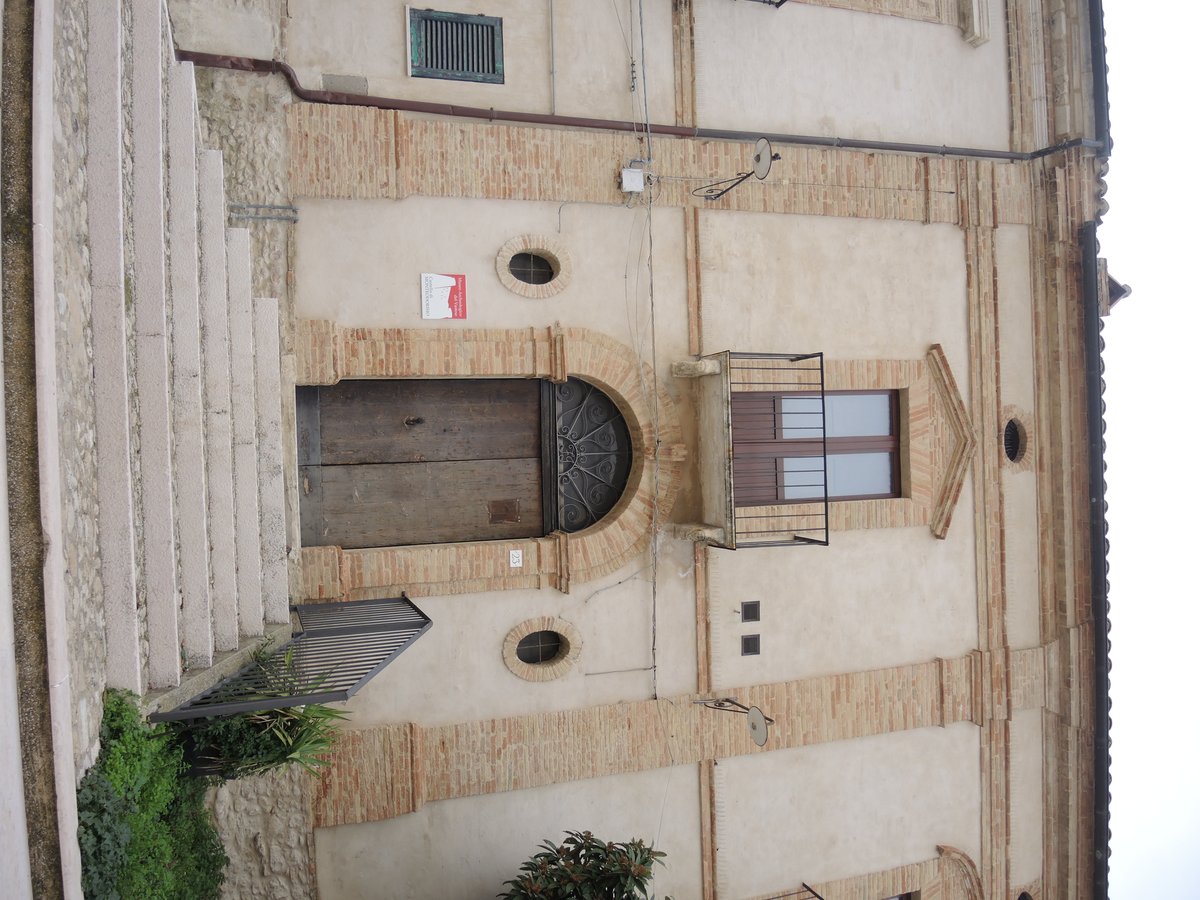 As you head inland, the Castle of Monteodorisio welcomes you with its imposing mass. Here, within the medieval walls, is the Vastese Archaeological Museum, a small treasure chest containing the ancient history of the area. Among the most striking finds are the remains of an Elephas antiquus that lived 400,000 years ago, the mysterious Key of Tufillo with a dedication in the Oscan language to Herentas, and funerary objects that tell the customs of distant eras. The castle itself is worth a visit: built in the 11th century, it retains three of its original four circular towers and a panoramic view of the Sinello Valley. Open by appointment all year round, in summer it can also be visited on Saturday and Sunday evenings, with free admission. An unmissable stop for those who love archaeology and the evocative atmosphere of Abruzzo’s villages.
- Via Rinforzi, Monteodorisio (CH)
- Open in Google Maps
- View on Google Images
You should go if…

