Introduction
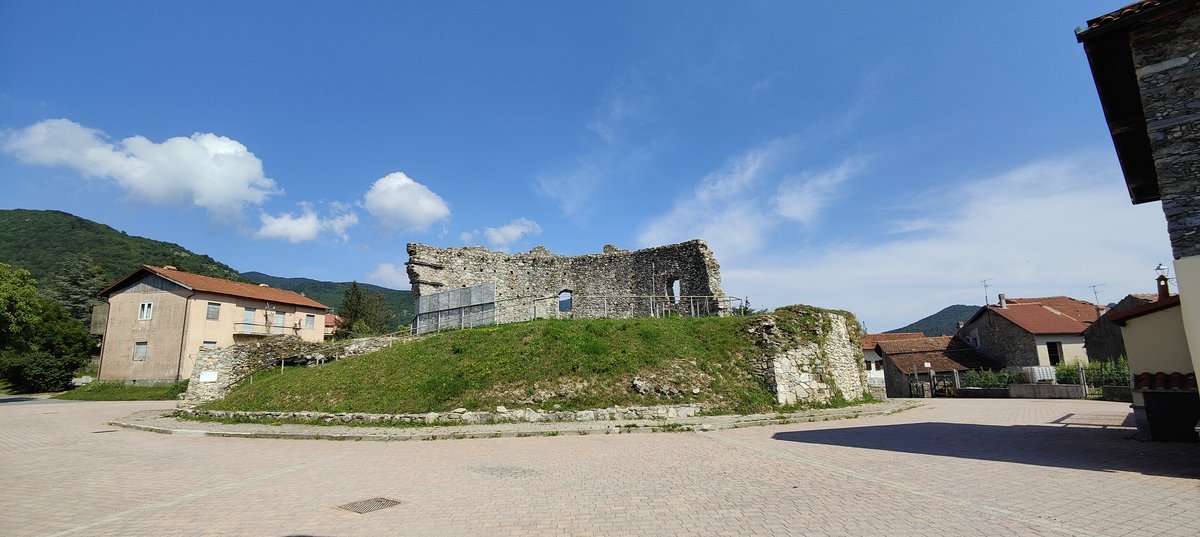
Perched on a hill overlooking the Bormida valley, the Castello di Bardineto is a ruin that still manages to move you. Of the original sixteen sides, only one remains, but it’s enough to imagine the power of the Del Carretto marquises. Access is free, 24/7, and the view stretches as far as Lower Piedmont. A place steeped in history and nature, ideal for a stop off the beaten tourist track.
Historical Notes
Built around the 13th century by the Del Carretto marquises, the castle controlled the road between Albenga and Piedmont. A notarial deed from 1268 attests ownership by Giacomo Del Carretto, later passed to his son Antonio. In 1355, a diploma from Charles IV invested Giorgio Del Carretto. The Battle of Loano in November 1795 caused the demolition of twelve sections of the defensive curtain. Since then, it has lain in ruins.
A Ruin That Speaks
Today only one side of the hexadecagonal wall remains, tall and imposing. Walking among the stones, you breathe a suspended atmosphere, amidst grass and wind. A fountain with fresh water offers a break, and the statue of Our Lady of the Castle watches from the nearby sanctuary. The site is kid-friendly and suitable for day trips. Although reduced, the structure retains an authentic charm, far from mass tourism.
Through Trails and History
The castle is the starting point for various hiking trails and MTB routes that venture into the woods of the Bormida valley. The wide forest roads are perfect for family walks or cycling. In summer, the shade of the pines offers coolness, while in autumn the colors are spectacular. The ruins thus become not just a destination, but a stage of an experience in close contact with nature.
Why Visit
Free and always open: no opening times or tickets needed, you can visit anytime. Breathtaking panorama over the valley and the Maritime Alps. Strategic hiking hub: trails for all skill levels start from here. Finally, the proximity to a well-reviewed local restaurant makes it easy to combine culture and gastronomy.
When to Go
The castle can be visited in any season, but the most magical moment is at sunset, when the light illuminates the ruins and the valley turns golden. In autumn, the foliage of the surrounding woods offers a unique spectacle, while in spring, wildflowers color the meadows. Avoid the midday hours in summer; the sun beats down hard.
Nearby
A short walk away you’ll find the Santuario di Nostra Signora del Castello, which houses the statue of the Madonna. Not to be missed is the Romanesque church of San Nicolò with 15th-century frescoes (a short drive away). For a tasty break, ask the locals for their recommended restaurant: Ligurian cuisine and game dishes.