Donizetti Theatre: History, Opera, and Restorations in Bergamo

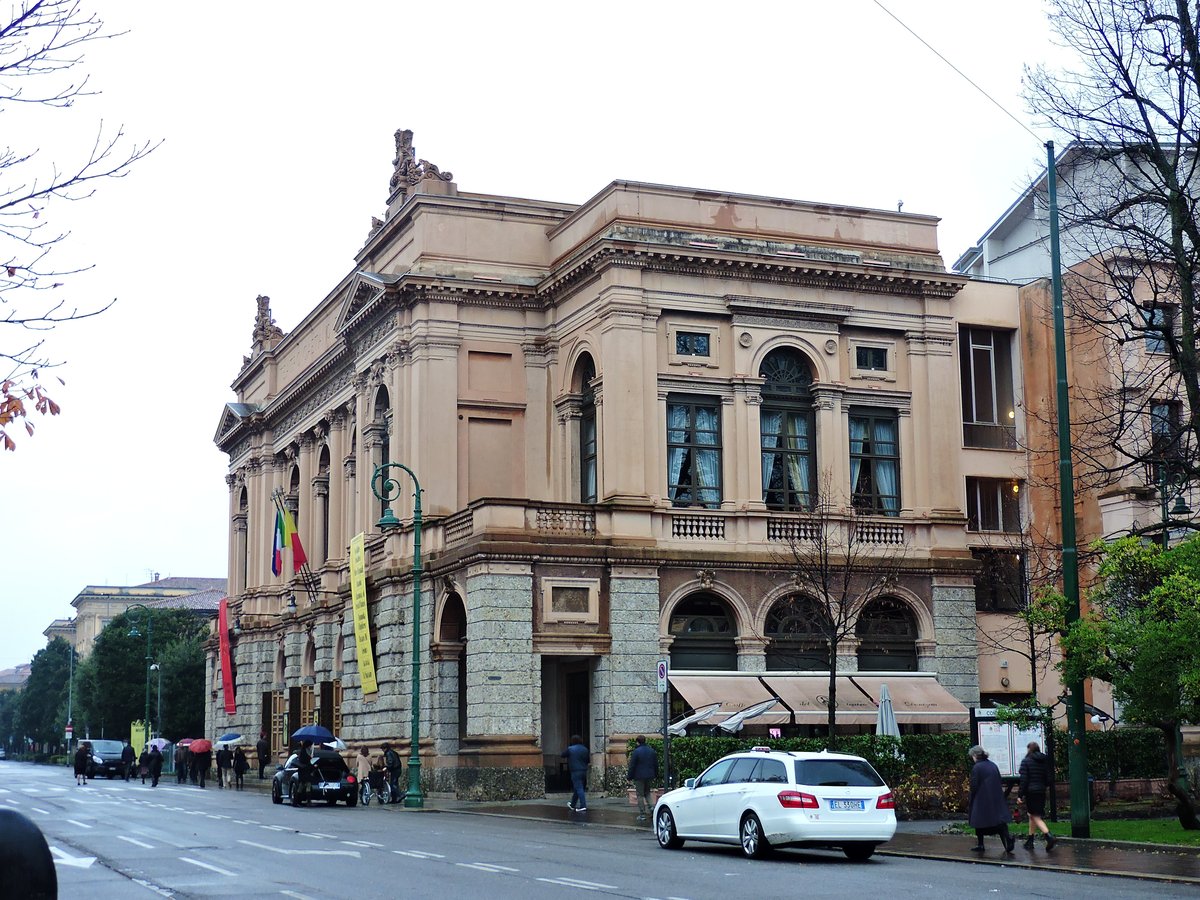
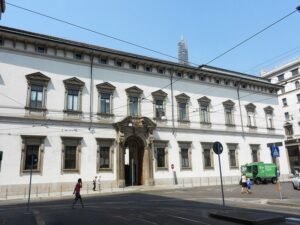
The Donizetti Theatre is Bergamo’s cultural heart, at Piazza Cavour 15. Built in the late 1700s as Teatro Riccardi, it was rebuilt after a fire in 1800 and today, after the 2018-2020 restorations, it is a modern venue that has not lost its old-world charm. The elongated elliptical auditorium retains its 1786 design, with 1,154 seats, a crystal chandelier with 78 lamps, and acoustics considered among the best in Italy.

Four reasons to plan an evening:
Donizetti Opera: a festival dedicated to the Bergamasque composer, with discoveries of rare bel canto gems and masterpieces.
Verdi and Donizetti: Verdi’s Ernani premiered here in 1844, and the author of L’elisir d’amore received an ovation in 1840.
Rich season: drama, ballet, operetta, Bergamo Jazz, and concerts for every taste.
Convenient location: in the heart of Bergamo, a stone’s throw from Porta Nuova, with discounted parking for theatregoers and access for all.


Events nearby


Copertina itinerario Donizetti Theatre: History, Opera, and Restorations in Bergamo
Bergamo’s main theatre in Piazza Cavour, with its 18th-century auditorium seating over 1,150, the Donizetti Opera, drama, and Bergamo Jazz. Info, history, and how to get there.

Good to know


Welcome to the Donizetti Theatre

Entering the Donizetti Theatre is like stepping back in time, but with today’s comforts. We are in Piazza Cavour, in the heart of Lower Bergamo, in front of one of Italy’s most beloved historic theatres. The eighteenth-century hall, with its 1,154 seats, immediately envelops you: crystal chandelier, three tiers of boxes, velvet armchairs. The acoustics are legendary. You don’t need to be an opera expert to be fascinated: here, music is felt in every corner. It is the perfect place for a special evening, perhaps during the Donizetti Opera or a jazz concert. In short, a gem to be experienced.

From the Riccardi Theatre to Donizetti

The story begins in the eighteenth century, when merchant Bortolo Riccardi decided to build a masonry theater, a novelty for the time. The first performance took place in 1784, but the official inauguration was on August 24, 1791. Then, in 1797, an arson fire destroyed it. Rebuilt, it reopened in 1800. In 1844, Giuseppe Verdi attended Ernani, while in 1897 it was named after Gaetano Donizetti. In 2019, during restoration work, the Italian premiere of L’Ange de Nisida was staged; the full reopening took place on May 28, 2021.

– 1784: first performance (Medonte, King of Epirus)
– 1791: official inauguration
– 1797: fire and reconstruction
– 1844: Verdi and Ernani
– 1897: dedicated to Donizetti
– 2018-2020: complete restoration
– 2021: reopening to the public

An Italian-style Hall to Enjoy with Your Eyes Closed

The heart of the theater is the hall, which retains its original 1786 design. Its elongated elliptical floor plan, three tiers of boxes, and gallery are all conceived for optimal viewing and listening. The numbers speak for themselves: 360 square meters of surface, 532 orchestra seats, 102 boxes, for a total of 1,154 seats. But it is the acoustics that are the true pride. Experts rank it among the best in Italy. And when the 78 lamps of the central chandelier are lit, the atmosphere becomes magical. Every whisper on stage arrives clearly, even at the back of the gallery. An experience to be savored especially during a Donizetti opera.

Opera, Drama, Jazz: A Program That Never Sleeps

The Donizetti isn’t just about opera. Sure, the Donizetti Opera in autumn is the highlight for bel canto fans, with rare titles by the Bergamo composer. But the season ranges widely: drama, contemporary theatre, operetta, ballet, and major concerts. The Bergamo Jazz Festival brings international musicians to the city, while the Altri Percorsi series opens up to experimentation and new dramaturgy. Over the years, masterpieces have premiered here, and the audience has always responded with warmth. In short, there’s always a reason to return.

Why It’s Worth It

Three good reasons? First: the acoustics. Listening to an opera here is an experience you won’t find just anywhere. Second: the history. From Verdi’s debut to Donizetti’s premieres, every corner tells a piece of Italian music. Third: practicality. The theatre is in the city centre, easy to reach by both train and car. If you arrive by car for an evening performance, there’s a discounted parking rate of 3 euros (just validate your ticket at the box office). A detail that makes the difference.

The Right Moment

The great thing about Donizetti is that it works all year round. But if I have to choose, I’ll say: go in the evening. When the hall lights up and the chandelier glitters, even the story feels more alive. In autumn, from September to October, the Donizetti Opera turns the theatre into a hub of musical rediscoveries. In spring, meanwhile, the Bergamo Jazz Festival offers more intimate and surprising nights. Either way, check the calendar before you go: often on Sundays there are matinées that leave you time to explore the city.

After the Curtain

After a show, a stroll along the Sentierone is a must: it’s the living room of Lower Bergamo, just a stone’s throw from the theatre. But if you have time, don’t miss Upper Bergamo: take the funicular and in a few minutes you’ll be up in the medieval city, among alleys, Piazza Vecchia and the Basilica of Santa Maria Maggiore. A perfect contrast to the elegant Donizetti auditorium. If, instead, you want to stay in the musical mood, the theatre’s Ridotto often hosts talks and small concerts before performances.

Itineraries nearby


💡 Did You Know…?

Few know that the Donizetti saw a world premiere during the restorations: in 2019, Donizetti’s L’ange de Nisida was staged for the first time in Italy. Even more curious is the fact that, in the early 1900s, the Lumière brothers’ films were screened here. And when you return to the theatre, think of that evening in 1847 when I Lombardi alla prima crociata ended with an endless ovation for the chorus ‘O Signore dal tetto natio’.