Spartan Hypogeum Museum of Taranto: Underground Tunnels and Magna Graecia Artifacts

The Spartan Hypogeum Museum of Taranto offers a unique journey into the underground spaces of the Magna Graecia city. Walk through tunnels illuminated by soft lighting and discover authentic artifacts that testify to the daily life of ancient Spartan colonists. The intimate and timeless atmosphere makes this visit an unforgettable experience for those seeking authenticity.

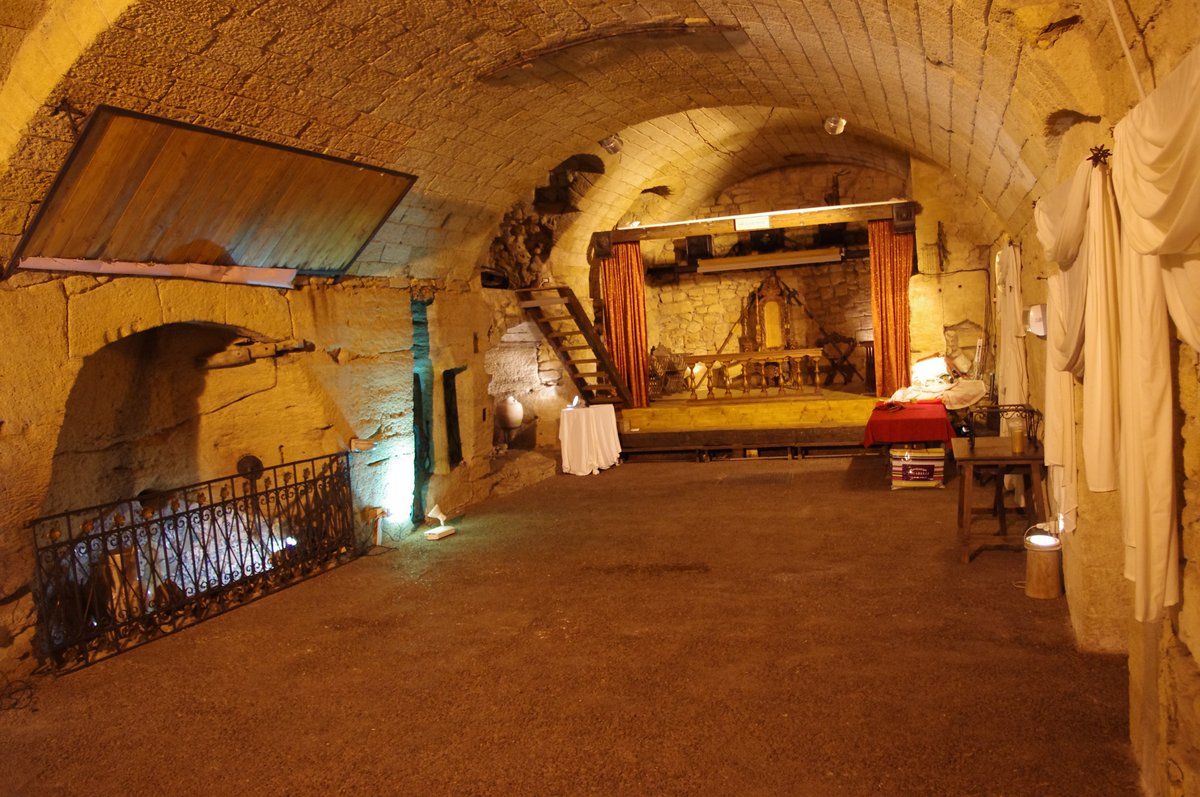
  • Underground route through tunnels carved into tufa with evocative lighting
  • Authentic artifacts such as Apulian ceramics, coins with the effigy of Taras, and inscriptions in Greek
  • Preserved domestic environments with vats for purple dye processing and traces of hearths
  • Spartan atmosphere essential and austere, reflecting the spirit of the Greek colonists
Copertina itinerario Spartan Hypogeum Museum of Taranto: Underground Tunnels and Magna Graecia Artifacts
Explore environments carved into tufa with Apulian ceramics, Greek inscriptions, and purple dye vats. An immersive experience in Spartan Taranto, away from tourist circuits.

Good to know


Introduction

Descending into the Spartan Hypogeum Museum of Taranto is like traveling through time—a total immersion into ancient Spartan Taranto that leaves you breathless. Located in the heart of the old city, this underground labyrinth welcomes you with a unique atmosphere, filled with deep silences, tunnels carved into the rock, and artifacts that tell millennia-old stories. This isn’t your typical museum: here, you literally walk through history, among walls that preserve traces of daily life, rituals, and secrets of a fascinating civilization. The thrill of touching the past in such an intimate and evocative space makes this experience unforgettable for those seeking something authentic and off the beaten tourist path.

Historical Overview

The Spartan Hypogeum Museum has its roots in the period of Magna Graecia Taranto, when the city was a powerful Spartan colony. The underground spaces, originally used as cisterns and storage areas, were repurposed over the centuries, becoming shelters during invasions and later places of worship. In the twentieth century, archaeological excavations uncovered artifacts such as pottery, coins, and everyday tools, now displayed along the route. The timeline helps provide context:

  • 8th century BC: Foundation of Taranto as a Spartan colony
  • Roman period: Reuse of the hypogea as cisterns
  • Middle Ages: Transformation into shelters and crypts
  • 20th century: Archaeological discoveries and museum setup

Journey Through Tunnels and Artifacts

The heart of the visit is the underground path, which winds through a series of low tunnels and chambers carved into the tuff stone, illuminated by soft lighting that creates an almost mystical atmosphere. Along the way, you’ll encounter niches housing artifacts such as Apulian ceramics decorated with geometric patterns, coins bearing the likeness of Taras (the mythical founder of the city), and remnants of amphorae used for transporting oil and wine. Every corner reveals surprising details: graffiti on the walls, water collection systems, and traces of hearths that testify to daily life. The feeling of exploring such a well-preserved place, far from the noise of the modern city, is one of the highlights of this experience.

The Spartan Atmosphere

What strikes you most is the authentically Spartan atmosphere that permeates every space. The hypogea, with their essential and functional structure, reflect the pragmatic and austere spirit of the ancient colonists. Notable are the Greek inscriptions on the walls, recording family names or dedications to the gods, and the remains of a small altar used for private rituals. The layout of the spaces, designed to maximize natural light through ventilation shafts, reveals extraordinary architectural ingenuity. This is a place that speaks of discipline, community, and survival, offering a unique perspective on how the Tarantines of that era lived.

Why Visit It

Visiting the Spartan Hypogeum Museum is worthwhile for three concrete reasons: first, it’s one of the few sites in Italy where you can walk through such well-preserved underground environments from the Magna Graecia era; second, the exhibited artifacts, such as pottery with decorations typical of Apulian production, are authentic and tell local stories without filters; third, the intimate and timeless atmosphere allows you to fully immerse yourself in history, away from the crowds of more famous museums. It’s an experience that enriches any trip to Taranto, especially if you love archaeology and off-the-beaten-path places.

When to Go

The most enchanting time to visit is in the early afternoon hours, when sunlight filters through the ventilation shafts, creating shadow plays that highlight the architecture of the hypogea. Avoid days of heavy rain, as humidity can make some passages less comfortable. Generally, the off-season periods offer a more intimate and tranquil experience, allowing you to savor every detail without rush.

In the Surroundings

To enrich your day, take a walk to the National Archaeological Museum of Taranto (MArTA), which houses spectacular artifacts like the Gold of Taranto and Hellenistic statues, completing the historical picture begun in the hypogea. Another thematic experience not to be missed is a stroll through the historic center of Taranto, with its narrow alleys, noble palaces, and views of the Mar Piccolo, where the Mediterranean atmosphere blends with ancient history.

💡 Did You Know…?

During renovation works on a building in the historic center, this hypogeum complex was accidentally discovered. Archaeologists found that some chambers were used for purple dye production, the precious violet coloring that made ancient Tarantines wealthy. In one corner, a small bronze statuette depicting a Spartan warrior was found, likely a votive offering, which today is one of the most significant artifacts along the route.