
🧭 What to Expect
- Ideal for those seeking art, history, and authentic atmospheres away from the crowds.
- Highlights: Renaissance architecture, quality museums, and a walkable historic center.
- Distinctive experience: medieval fortresses like the Rocca di Ravaldino and art collections in the San Domenico Museums.
- Convenience: excellent connections with Emilia-Romagna and green areas like the Franco Agosto Urban Park.
The City of Forlì welcomes you with its discreet charm, away from the busiest tourist circuits. Here, art and history can be felt around every corner, starting with the Cathedral of Santa Croce, whose neoclassical facade dominates the city center. Nearby, the Abbey of San Mercuriale with its Romanesque bell tower is one of the city's symbols. Don't miss the Museums in San Domenico, which house significant art collections in a restored convent complex. For a refreshing break, Parco Urbano Franco Agosto offers a well-equipped green area perfect for a rest. The Rocca di Ravaldino, a medieval fortress, tells centuries of local history, while Piazza della Vittoria is the beating heart of Forlì life, surrounded by porticoes and characteristic local spots.
Overview
- Cathedral of the Holy Cross
- San Mercuriale Abbey
- Rocca di Ravaldino
- San Domenico Museums, Art Gallery
- Piazza della Vittoria
- Franco Agosto Urban Park
- Museum of the Risorgimento
- Civic Tower of Forlì
- Saffi House Museum
- Sanctuary of Santa Maria delle Grazie
- Romagna Theatre Museum
- Diego Fabbri Theatre
- San Pellegrino - Santa Maria dei Servi
- Numai Tower
- Guarini Torelli Palace
Cathedral of the Holy Cross
- Go to the page: Forlì's Santa Croce Cathedral: Neoclassical Facade and Romanesque Bell Tower
- Via degli Orgogliosi, Forlì (FC)
- Open in Google Maps
- View on Google Images
 The Cathedral of the Holy Cross dominates Piazza Duomo with its Neoclassical facade, a 19th-century reconstruction that conceals an interior full of surprises. Upon entering, visitors are immediately struck by the spacious and luminous central nave, where the Baroque presbytery with its 17th-century high altar stands out. To the right, the Chapel of the Madonna del Fuoco houses the famous 14th-century fresco of Forlì's patron saint, a miraculous image that survived a fire in 1600 and has been an object of devotion ever since. Descending into the crypt reveals a Romanesque space with 12th-century columns and capitals, remnants of the original church. Here rest the relics of Saint Mercurialis, the city's first bishop. The 65-meter-high bell tower offers panoramic views of Forlì and the Apennines, though access is limited to special occasions. The cathedral is always open, with extended hours during holidays. Admission is free, but booking may sometimes be required for the crypt. A tip: visit in the morning to enjoy the light filtering through the stained-glass windows, illuminating the golden stuccoes.
San Mercuriale Abbey
- Go to the page: San Mercuriale Abbey Forlì: 75m Romanesque Bell Tower and Renaissance Cloister
- Piazzetta delle Poste, Forlì (FC)
- Open in Google Maps
- View on Google Images
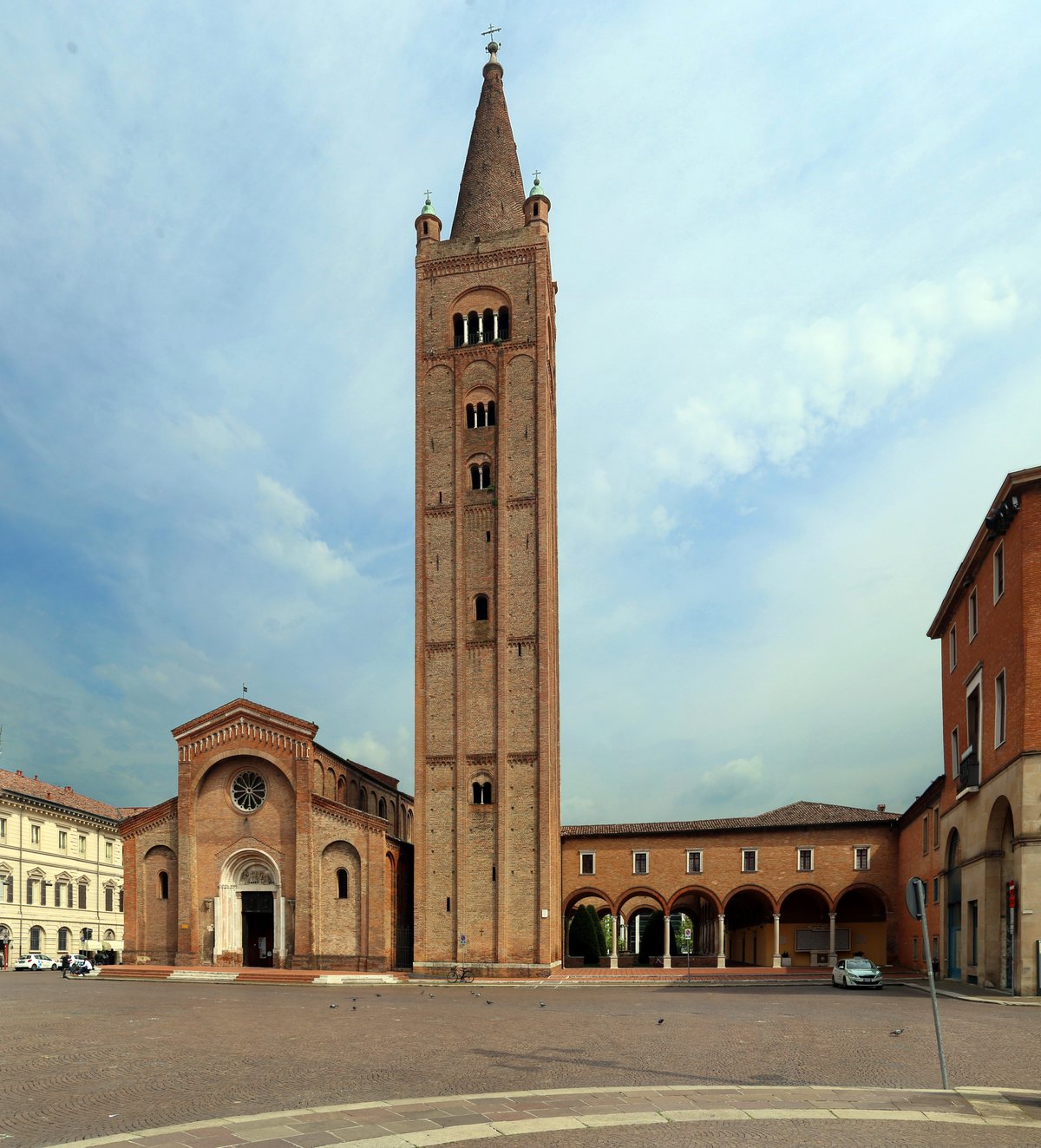 San Mercuriale Abbey is one of Forlì's most recognizable landmarks, with its majestic Romanesque bell tower towering over the main square. Built between the 11th and 12th centuries, this Benedictine abbey preserves centuries of Forlì's history. Upon entering, visitors are immediately struck by the sober elegance of the interior, where carved capitals with vegetal and animal motifs, typical of the Emilian-Romanesque style, stand out. The church, dedicated to San Mercuriale, the first bishop of Forlì, houses remarkable artworks, including a 16th-century polyptych by Marco Palmezzano depicting the Madonna and Child with saints. Don't miss the crypt, an evocative space with columns and vaults dating back to the building's origins. The abbey remains an active place of worship but is open to visitors wanting to discover an authentic piece of Romagna's spiritual heritage. Its central location in Piazza Saffi makes it easily accessible during a stroll through the historic center. For photography enthusiasts, the contrast between the bell tower's terracotta and the blue sky offers unforgettable shots, especially at sunset.
Rocca di Ravaldino
- Go to the page: Ravaldino Fortress: Medieval Fortress with Towers and Panoramic View over Forlì
- Via Giovanni dalle Bande Nere, Forlì (FC)
- Open in Google Maps
- View on Google Images
 The Rocca di Ravaldino is one of Forlì's most recognizable landmarks, a Renaissance fortress that stands imposingly at the heart of the city. Built between the 14th and 15th centuries at the behest of Pino III Ordelaffi, this defensive structure represents a perfect example of military architecture from that era. What makes it special is its dual fortification system: the Rocca Vecchia (Old Fortress) and the Rocca Nuova (New Fortress), connected by a covered passageway. Its history is linked to important figures like Caterina Sforza, who famously withstood Cesare Borgia's siege here in 1499-1500. Today, although not always open to the public, the fortress can be visited during special occasions and cultural events. From the exterior, visitors can admire the imposing keep and crenellated walls, which offer a picturesque glimpse of the historic center. For anyone visiting Forlì, it's impossible to miss this fortress dominating the urban landscape. Its strategic location, just steps from Piazza Aurelio Saffi, makes it an essential stop for understanding the city's history. Even just walking around its walls, one can feel the weight of centuries and the battles that have shaped Romagna.
San Domenico Museums, Art Gallery
- Piazza Guido da Montefeltro, Forlì (FC)
- Open in Google Maps
- View on Google Images
 If you're looking for a substantial cultural experience in Forlì, the San Domenico Museums are a must-visit. They are housed in the former San Domenico convent complex, a place that's worth visiting in its own right for its majestic architecture and Renaissance cloister. The Civic Art Gallery is the beating heart: here you'll find a collection spanning from the Middle Ages to the 20th century, with works by artists connected to Romagna like Marco Palmezzano, creator of altarpieces of rare beauty. Don't miss the paintings by Melozzo da Forlì, which give a clear idea of the Renaissance in this area. Beyond the art gallery, the complex hosts high-level temporary exhibitions, often dedicated to great masters of Italian and international art. The setup is modern and well-maintained, with clear explanatory panels that guide you without weighing down the visit. The best part? The entrance ticket is affordable and includes access to all sections. I recommend dedicating at least an hour and a half to enjoy everything at a leisurely pace, perhaps taking advantage of the available audio guides. For families traveling with children, there are also educational workshops available by reservation. In short, it's a place where art speaks directly, without the need for too many words.
Piazza della Vittoria
- Forlì (FC)
- Open in Google Maps
- View on Google Images
 Piazza della Vittoria is the nerve center of Forlì, a vast space that remarkably blends past and present. Here, you can feel the true soul of the city, with its porphyry pavement creating a unique visual effect and making the square perfect for strolls. At its center stands the Fountain of Hercules, a monumental work that narrates local mythology through its sculptures. The square is surrounded by historic buildings such as the rationalist-style Post Office Palace and Palazzo Albertini, which reflect the city's diverse architectural eras. It is the place where locals gather for aperitivo, where weekly markets take place, and where outdoor events are organized in the summer. The square is also an ideal starting point for exploring the historic center, with the Rocca di Ravaldino and the Museums of San Domenico just a short walk away. In the evening, the venues come alive, and the atmosphere becomes particularly enchanting as the lighting highlights the historic buildings.
Franco Agosto Urban Park
- Forlì (FC)
- Open in Google Maps
- View on Google Images
 The Franco Agosto Urban Park is Forlì's green lung, an area of approximately 12 hectares stretching along the Montone River. This park has become a landmark for locals and visitors alike thanks to its versatility: here you'll find expansive lawns perfect for picnics, well-maintained pedestrian and cycling paths, and modern, safe children's play areas. The river's presence creates a special atmosphere, with charming bridges and shaded spots ideal for a refreshing break. You'll also find outdoor sports facilities like soccer and basketball courts, which make the park particularly lively on weekends. During summer, the park frequently hosts cultural and musical events, transforming into an open-air stage. Attention to detail is evident in the strategically placed benches, water fountains, and evening lighting, allowing visitors to enjoy the park even after sunset. It's the perfect place for a morning run, a walk with your dog, or simply to escape the city bustle without leaving the city center.
Museum of the Risorgimento
- Corso Giuseppe Garibaldi, Forlì (FC)
- Open in Google Maps
- View on Google Images
 If you truly want to understand the soul of Forlì, a stop at the Museum of the Risorgimento is a must. It's not just a collection of relics, but a journey into the lives of the people of Forlì who fought for the Unification of Italy. You'll find yourself in the heart of the city, just steps from Piazza Saffi, in a historic building that's worth visiting in its own right. Inside, you'll encounter original documents, period weapons, and uniforms that tell the story of the battles and ideas of the 19th century. The section dedicated to Aurelio Saffi, one of the triumvirs of the Roman Republic and a key figure in the local Risorgimento, is particularly moving: handwritten letters, personal items, and portraits that make you feel his presence. Don't miss the historic flags of the Carbonari secret societies and the posters inciting rebellion: they're unique pieces you won't find elsewhere. The museum is well-organized, with clear explanatory panels that guide you without getting you lost. Perfect for a one-hour visit, it offers a dive into the history that shaped the identity of this part of Romagna. Whether you're a history enthusiast or simply curious, here you'll understand why Forlì was an important crossroads on the path to a united Italy.
Civic Tower of Forlì
- Piazzetta della Misura, Forlì (FC)
- Open in Google Maps
- View on Google Images
 The Civic Tower of Forlì, also known as the Clock Tower, is one of the most recognizable symbols of the historic center. Standing about 50 meters tall, it rises majestically in Piazza Saffi, the beating heart of the city. Built in the 13th century as part of the Town Hall, it has undergone numerous interventions over the centuries, including restoration after damage from World War II. Climbing its 196 steps (counted by many visitors!) rewards you with a breathtaking panoramic view of Forlì: you can see the rooftops of the houses, the dome of the Basilica of San Mercuriale, and on clear days, the Romagna hills on the horizon. The original mechanical clock, still functioning, is a jewel of ancient engineering. The tower is visitable during specific hours (usually on weekends or by reservation for groups), with an affordable entrance ticket. It is a landmark for orienting yourself in the city and a must for those who want to capture the essence of Forlì from above. I recommend bringing a camera: the glimpses of the surrounding monuments, such as the Rocca di Ravaldino, are worth every step.
Saffi House Museum
- Via Firenze, Forlì (FC)
- Open in Google Maps
- View on Google Images
 Visiting the Saffi House Museum means completely immersing yourself in the atmosphere of the Italian Risorgimento. This first-floor apartment in Palazzo Saffi, on Corso Garibaldi, preserves intact the spaces where Aurelio Saffi lived, one of the triumvirs of the Roman Republic of 1849 alongside Mazzini and Armellini. The particularity of this museum is precisely this: it's not a reconstruction, but the authentic home with original furnishings, books from his personal library, and everyday objects that Saffi actually used. Walking through these rooms, you can still breathe the air of those crucial years for Italy's unification. In the study, where Saffi received visitors and wrote, you can admire his writing desk, armchair, and even some manuscripts. The library contains over 5,000 volumes, many annotated in his own hand. Particularly touching is the bedroom, which has remained practically unchanged since his death in 1890. For those visiting Forlì, this museum offers a unique perspective on the city's history: Saffi was not only a patriot but also an important local intellectual and politician. The setup deliberately maintains the domestic atmosphere, without display cases or barriers, creating a particularly engaging experience. The museum is part of the San Domenico Museums circuit and can be visited with the same ticket, an excellent opportunity to deepen your knowledge of Risorgimento-era Forlì.
Sanctuary of Santa Maria delle Grazie
- Via del Santuario, Forlì (FC)
- Open in Google Maps
- View on Google Images
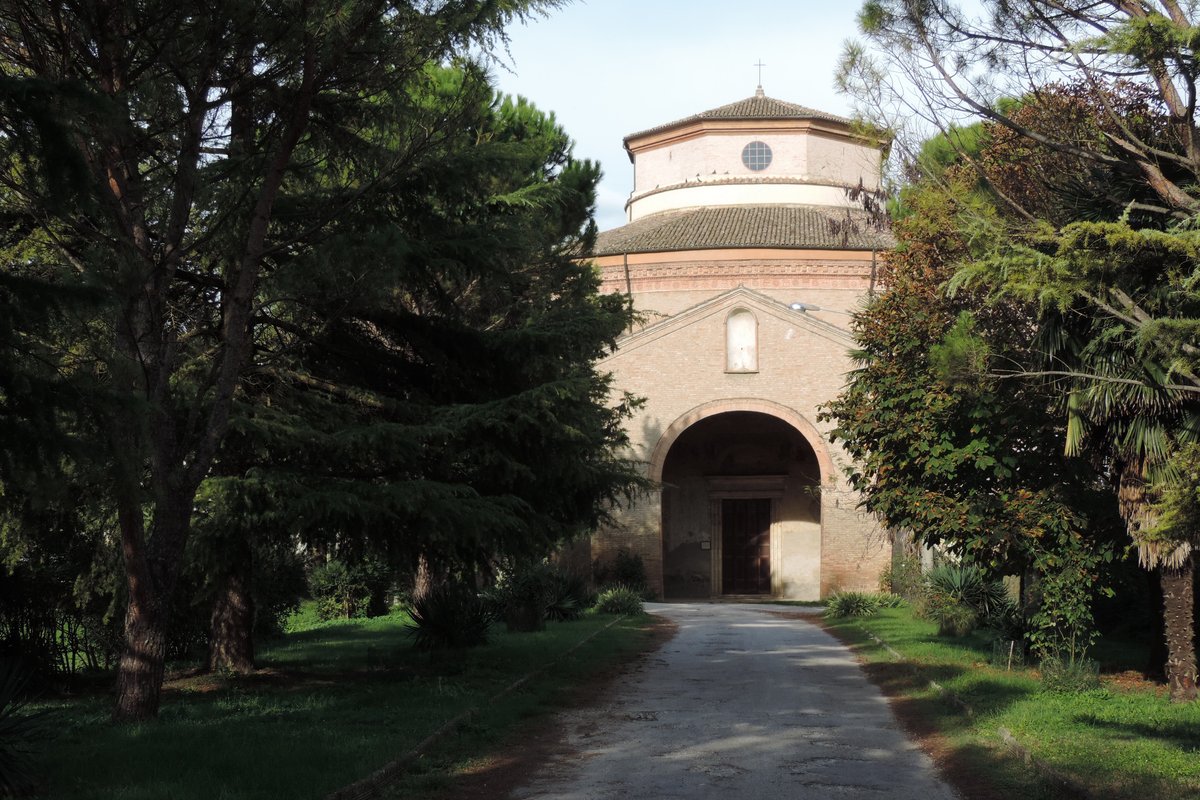 The Sanctuary of Santa Maria delle Grazie is one of those places that strikes you with its essential beauty. Located on Via delle Grazie, just steps from the historic center of Forlì, this sanctuary represents an important example of Renaissance architecture in Romagna. Its simple yet elegant brick facade conceals an interior that surprises with the harmony of its spaces and the richness of its artworks. The church was built in the 15th century to house a miraculous image of the Madonna, which remains an object of great devotion to this day. Inside, the Chapel of the Madonna delle Grazie stands out, with its precious 15th-century fresco that according to tradition performed numerous miracles. Also noteworthy are the 17th-century canvases by Carlo Cignani and Marco Palmezzano, prominent artists of the Forlì school. The sanctuary is particularly vibrant during Marian celebrations, when the faithful fill the naves in prayer. But even for secular visitors, it's worth stopping here to admire Palmezzano's altarpiece and breathe in the atmosphere of peace that envelops this place. A tip: take advantage of your visit to observe the Renaissance portal up close, a masterpiece of understated elegance.
Romagna Theatre Museum
- Via Sassi, Forlì (FC)
- Open in Google Maps
- View on Google Images
 The Romagna Theatre Museum is a hidden gem in the heart of Forlì, dedicated to the rich theatrical tradition of Romagna. Housed within the former San Domenico convent, the museum preserves a unique heritage of stage costumes, sketches, posters, and documents that tell centuries of regional theatre history. Here you can admire the original costumes of Romagna theatre companies from the 19th and 20th centuries, including those of the famous Romagna Stable Company. The hand-painted stage designs and scale models transport you directly behind the scenes of historic theatres like the Forlì Municipal Theatre. Particularly fascinating is the section dedicated to Romagna dialect theatre, with scripts and photographs that showcase local humour and folk traditions. The museum frequently organizes themed guided tours and workshops for schools, making the experience interactive and engaging. The modern, well-curated exhibition enhances every piece in the collection, creating a journey that captivates both experts and casual visitors alike. A place where theatre isn't just something to watch, but to experience through its material legacy.
Diego Fabbri Theatre
- Corso Armando Diaz 47, Forlì (FC)
- https://www.accademiaperduta.it/teatro_diego_fabbri_forli-856.html
- Open in Google Maps
- View on Google Images
 The Diego Fabbri Theatre is one of the most vibrant cultural venues in Forlì, located right in the historic centre. Named after the famous playwright from Forlì, this modern theatre hosts a varied programme ranging from contemporary drama to concerts, as well as dance and family events. The structure, inaugurated in 2013, was designed with essential and functional architecture, featuring a large main hall that can accommodate up to 500 spectators. The acoustics are meticulously detailed, making every show an immersive experience. Beyond performances, the theatre organises workshops and meetings with artists, becoming a reference point for the local community and visitors. Its strategic location, just steps from Piazza Saffi, makes it easily accessible after a day of visiting Forlì's monuments. I recommend checking the online calendar so you don't miss the scheduled events, often enriched by regional productions from Emilia-Romagna that highlight local talent. For those seeking a no-frills cultural moment, the Diego Fabbri Theatre offers a welcoming and stimulating atmosphere, ideal for a different kind of evening during your trip.
San Pellegrino - Santa Maria dei Servi
- Piazza Giovan Battista Morgagni, Forlì (FC)
- Open in Google Maps
- View on Google Images
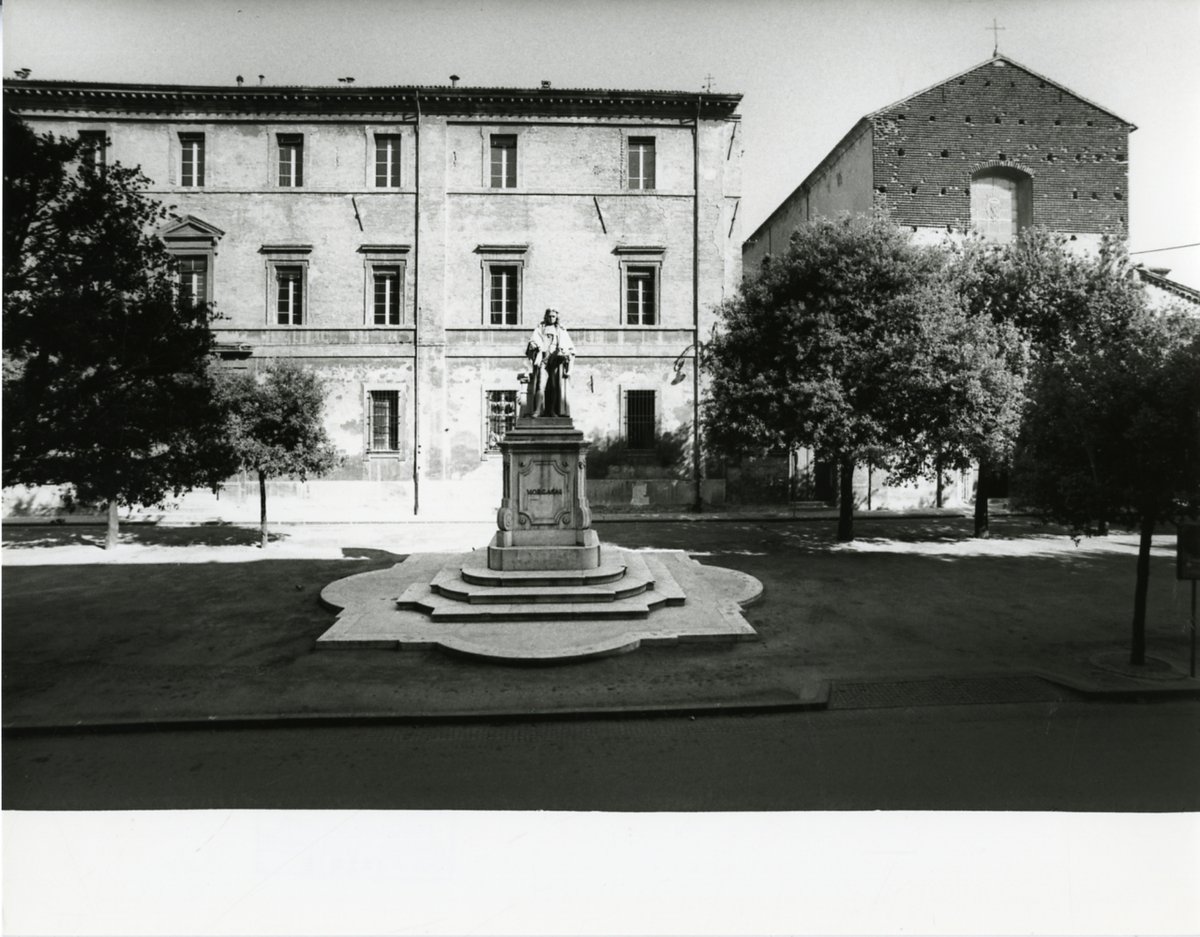 If you're looking for a corner of peace and beauty in the center of Forlì, San Pellegrino - Santa Maria dei Servi is the answer. This religious complex combines two distinct yet deeply connected churches: the small Church of San Pellegrino Laziosi and the spacious Santa Maria dei Servi. The former, dedicated to the patron saint of Forlì, impresses with its intimate and cozy atmosphere, featuring a Baroque altar that invites contemplation. The latter, larger and more majestic, welcomes you with a simple facade that conceals an interior rich in artworks. Here you can admire the beautiful fresco of the Madonna and Child attributed to Marco Palmezzano, one of the most important Renaissance masters from Forlì. Don't miss the side chapel with the relics of San Pellegrino, a destination for pilgrims for centuries. The environment is quiet and intimate, perfect for a spiritual break away from the city chaos. Its location on Via delle Torri allows you to easily include the visit in a historic center itinerary, perhaps combining it with the nearby Rocca di Ravaldino. Admission is free and opening hours are generally flexible, but always check notices for possible celebrations.
Numai Tower
- Via Torre Numai, Forlì (FC)
- Open in Google Maps
- View on Google Images
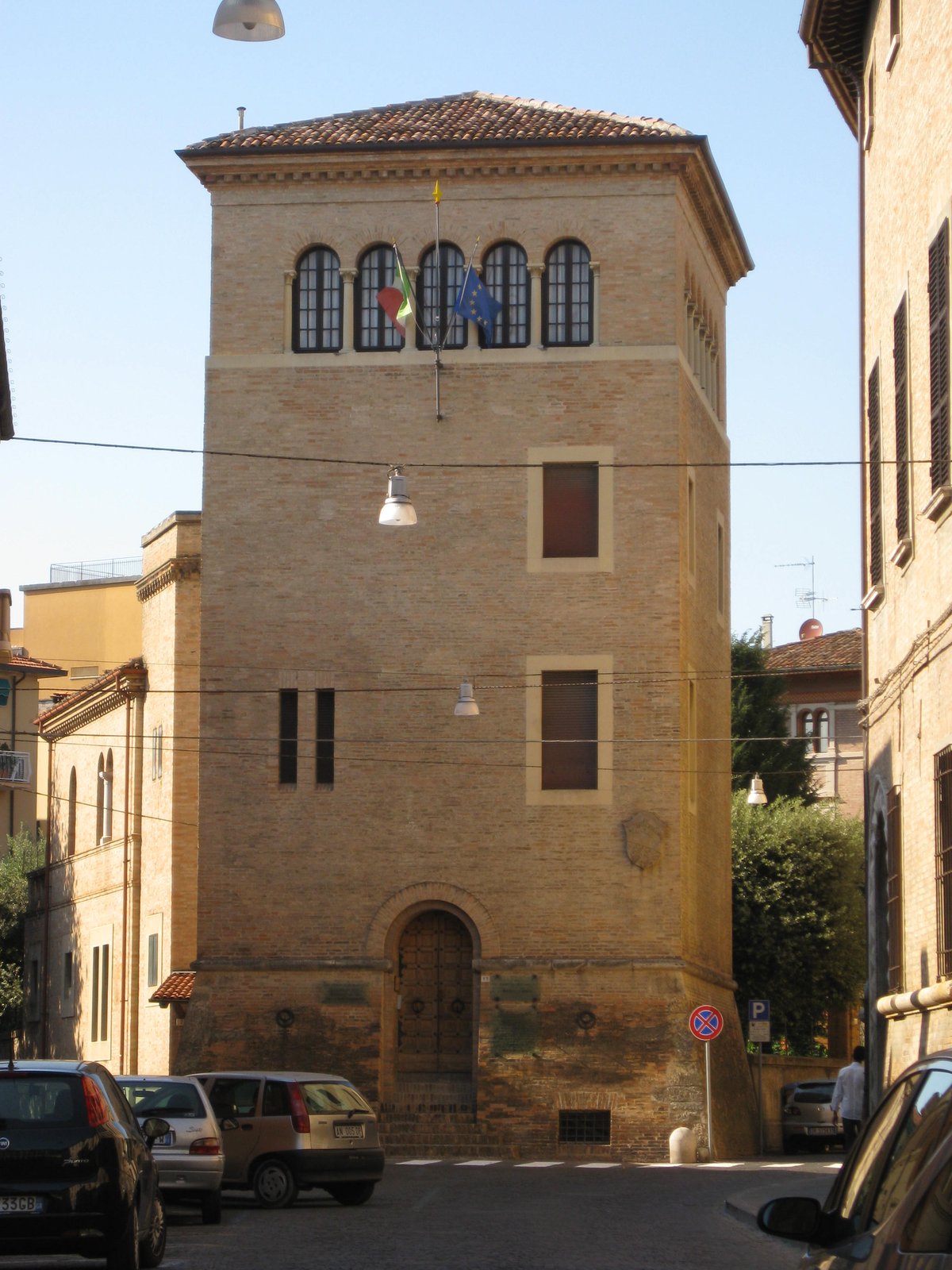 The Numai Tower is one of the most captivating landmarks in Forlì's historic center, an authentic testament to medieval architecture that dominates the urban skyline. Built in the 13th century, this tower was part of the city's defensive system and belonged to the powerful Numai family, one of the most influential dynasties of the era. Today, standing at 30 meters tall, it rises imposingly among Renaissance palaces and cobblestone streets, offering a unique perspective over Piazza Saffi and its surroundings. Climbing to the top of the tower (when accessible) rewards visitors with a spectacular view of the Ravaldino Fortress and the rooftops of the historic center—an experience that immerses you in Forlì's rich history. The structure, built with the distinctive red bricks typical of Romagna, still preserves original features like arrow slits and stone corbels, remnants of its military function. Nearby, you'll find other iconic sites such as the Abbey of San Mercuriale and the San Domenico Museums, making the tower an ideal starting point for exploring Forlì. If you visit the city, don't miss this corner of the Middle Ages, which whispers tales of centuries of local power and intrigue. It's the perfect spot for capturing memorable photos and discovering the authentic soul of Emilia-Romagna, far from the crowded tourist trails.
Guarini Torelli Palace
- Corso Giuseppe Garibaldi, Forlì (FC)
- Open in Google Maps
- View on Google Images
 If you're looking for an authentic corner of Forlì's beauty, Guarini Torelli Palace is an unmissable stop. Located on Corso della Repubblica, this 18th-century building impresses with its Baroque facade featuring stucco decorations and the monumental portal crowned by the Torelli family coat of arms. Built in 1725 based on architect Giuseppe Merenda's design, the palace combines elegance and functionality, typical of 18th-century Emilian architecture. Inside, the frescoed halls and the porticoed courtyard stand out, where you can still breathe the atmosphere of ancient noble residences. Today it houses public offices, but access to common areas is permitted, allowing you to admire the artistic details up close. Perfect for those who love history without sacrificing urban charm, it's an example of how Forlì preserves little-known but highly valuable treasures. I recommend paying close attention to the Corinthian capitals of the portico and the floral motifs in the stuccos, which tell centuries of local craftsmanship.