A Castle Among Vines and History
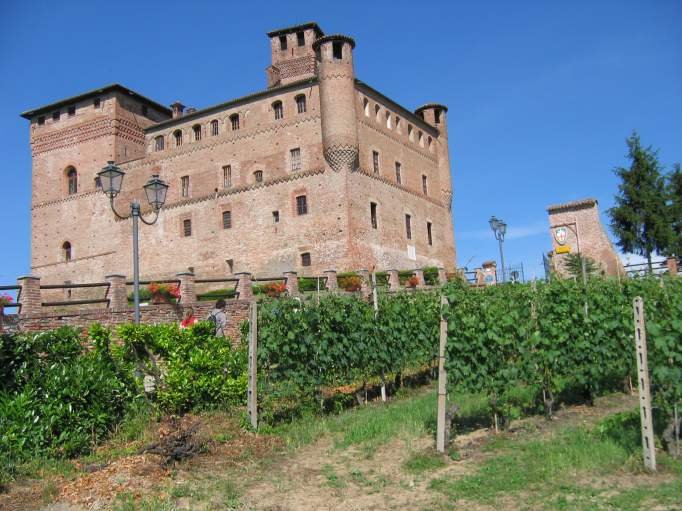
Perched on a hill among the Langhe hills, Castello di Grinzane Cavour welcomes you with its brick mass and square tower rising above the vineyards. It’s not just a medieval monument: here you breathe the Piedmontese tradition of wine, truffle, and rural culture. Entering means taking a dive into the past, into the rooms where Camillo Benso, the famous Count of Cavour, experimented with innovative agricultural techniques. A place that feels authentic, where the scent of Barolo mingles with history.
A Castle Among Vines and History
Perched on a hill among the Langhe hills, Castello di Grinzane Cavour welcomes you with its brick mass and square tower rising above the vineyards. It’s not just a medieval monument: here you breathe the Piedmontese tradition of wine, truffle, and rural culture. Entering means taking a dive into the past, into the rooms where Camillo Benso, the famous Count of Cavour, experimented with innovative agricultural techniques. A place that feels authentic, where the scent of Barolo mingles with history.
Historical Overview
The castle has ancient origins: the keep dates back to the year 1000, but the current structure took shape between the 13th and 16th centuries. In 1435 it passed to the Marquises of Monferrato, and in 1533 to the Gonzaga family. The turning point came in the 19th century with Camillo Benso, who served as mayor of Grinzane from 1832 to 1849 and revolutionized local agriculture by introducing modern techniques for Barolo wine. Upon his death, the castle passed to the Alfieri marquises, who donated it to the municipality of Alba in 1932. After a restoration in 1961, it now houses the Regional Wine Cellar and the Langhe Museum.
Historical Overview
The castle has ancient origins: the keep dates back to the year 1000, but the current structure took shape between the 13th and 16th centuries. In 1435 it passed to the Marquises of Monferrato, and in 1533 to the Gonzaga family. The turning point came in the 19th century with Camillo Benso, who served as mayor of Grinzane from 1832 to 1849 and revolutionized local agriculture by introducing modern techniques for Barolo wine. Upon his death, the castle passed to the Alfieri marquises, who donated it to the municipality of Alba in 1932. After a restoration in 1961, it now houses the Regional Wine Cellar and the Langhe Museum.
Brief Timeline
- 10th-13th century: construction of the original core (tower and walls).
- 15th century: expansion under Captain Nicolino Marsaglia.
- 16th century: addition of cylindrical turrets and construction of the ceiling of the Sala delle Maschere (1547).
- 1832-1849: Camillo Benso serves as mayor and lives in the castle.
- 1932: donated to the Municipality of Alba.
- 1961: restoration for the centenary of Italian unification.
- 1967: founding of the Cavour Regional Wine Cellar of Piedmont, the first in Piedmont.
- 2014: the Langhe landscape is recognized as a UNESCO World Heritage site.
- 2021: inauguration of the educational trail ‘Museo In vigna’.
Brief Timeline
- 10th-13th century: construction of the original core (tower and walls).
- 15th century: expansion under Captain Nicolino Marsaglia.
- 16th century: addition of cylindrical turrets and construction of the ceiling of the Sala delle Maschere (1547).
- 1832-1849: Camillo Benso serves as mayor and lives in the castle.
- 1932: donated to the Municipality of Alba.
- 1961: restoration for the centenary of Italian unification.
- 1967: founding of the Cavour Regional Wine Cellar of Piedmont, the first in Piedmont.
- 2014: the Langhe landscape is recognized as a UNESCO World Heritage site.
- 2021: inauguration of the educational trail ‘Museo In vigna’.
Regional Wine Bar and Tastings
In the heart of the castle you will find the Piedmont Regional Wine Bar Cavour, the first established in Piedmont (1967). Here you can taste and purchase the best wines of the Langhe: Barolo, Barbaresco, Nebbiolo, Dolcetto, Barbera and other DOC and DOCG wines. There are also grappas, liqueurs and typical products such as truffle and hazelnuts. The atmosphere is that of a historic cellar: the staff is passionate and knows how to advise. If you want to take home a piece of the Langhe, this is the right place. And if you are lucky, you might happen to be there during the World Auction of the White Truffle of Alba (second Sunday of November).
Regional Wine Bar and Tastings
In the heart of the castle you will find the Piedmont Regional Wine Bar Cavour, the first established in Piedmont (1967). Here you can taste and purchase the best wines of the Langhe: Barolo, Barbaresco, Nebbiolo, Dolcetto, Barbera and other DOC and DOCG wines. There are also grappas, liqueurs and typical products such as truffle and hazelnuts. The atmosphere is that of a historic cellar: the staff is passionate and knows how to advise. If you want to take home a piece of the Langhe, this is the right place. And if you are lucky, you might happen to be there during the World Auction of the White Truffle of Alba (second Sunday of November).
Langhe Museum: Art, Wine, and Traditions
The museum path winds through halls telling the story of peasant civilization and local food and wine. The Hall of Masks is the jewel: a coffered ceiling from 1547 with 157 painted tablets depicting coats of arms, animals, and allegories. Then there’s the Truffle Hall, with educational installations on the precious fungus, and the Wine Hall, where you’ll discover the characteristics of every label. Don’t miss the reconstruction of the 17th-century Alba kitchen and the 18th-century distillery. And in Cavour’s room, with original furniture, you can almost still feel his innovative spirit.
Langhe Museum: Art, Wine, and Traditions
The museum path winds through halls telling the story of peasant civilization and local food and wine. The Hall of Masks is the jewel: a coffered ceiling from 1547 with 157 painted tablets depicting coats of arms, animals, and allegories. Then there’s the Truffle Hall, with educational installations on the precious fungus, and the Wine Hall, where you’ll discover the characteristics of every label. Don’t miss the reconstruction of the 17th-century Alba kitchen and the 18th-century distillery. And in Cavour’s room, with original furniture, you can almost still feel his innovative spirit.
Why Visit
Three good reasons: 1) The Hall of Masks: a unique Renaissance ceiling with 157 panels blending symbols and portraits, a little Sistine Chapel of the Langhe. 2) The Wine Shop: not just purchases, but also a chance to taste Barolo and Barbaresco directly from local producers’ cellars. 3) Cavour’s Story: walking through his rooms and imagining the ideas that transformed Piedmontese agriculture is an experience that combines culture and food and wine.
Why Visit
Three good reasons: 1) The Hall of Masks: a unique Renaissance ceiling with 157 panels blending symbols and portraits, a little Sistine Chapel of the Langhe. 2) The Wine Shop: not just purchases, but also a chance to taste Barolo and Barbaresco directly from local producers’ cellars. 3) Cavour’s Story: walking through his rooms and imagining the ideas that transformed Piedmontese agriculture is an experience that combines culture and food and wine.
When to Visit
The castle is open all year round (except Tuesdays), but the most magical period is autumn, when the hills turn yellow and red and the White Truffle Auction takes place in November. If you love vineyards in bloom, spring offers lush landscapes and mild temperatures for a walk among the educational vineyards. Tip: arrive in the late afternoon, when the sunset light illuminates the castle and the colors of the Langhe become vibrant. To avoid the crowds, choose weekdays.
When to Visit
The castle is open all year round (except Tuesdays), but the most magical period is autumn, when the hills turn yellow and red and the White Truffle Auction takes place in November. If you love vineyards in bloom, spring offers lush landscapes and mild temperatures for a walk among the educational vineyards. Tip: arrive in the late afternoon, when the sunset light illuminates the castle and the colors of the Langhe become vibrant. To avoid the crowds, choose weekdays.
Nearby
A few kilometers away, the village of Barolo is worth a visit for its historic wineries and the Corkscrew Museum, which displays 500 ancient specimens from around the world. If you have a sweet tooth, stop at Gallo d’Alba (a hamlet of the municipality) at the Antica Torroneria Piemontese of the Sebaste family: for five generations they have been producing nougat and other local specialties. A delicious stop to end your day in the Langhe on a high note.
Nearby
A few kilometers away, the village of Barolo is worth a visit for its historic wineries and the Corkscrew Museum, which displays 500 ancient specimens from around the world. If you have a sweet tooth, stop at Gallo d’Alba (a hamlet of the municipality) at the Antica Torroneria Piemontese of the Sebaste family: for five generations they have been producing nougat and other local specialties. A delicious stop to end your day in the Langhe on a high note.