
🧭 What to Expect
- Ideal for travelers seeking authentic culture off the beaten tourist paths.
- Highlights: living archaeology with Greco-Roman sites, medieval castles carved into rock, and breathtaking panoramas.
- Article structure: complete guide with 15 locations, interactive map, and detailed fact sheets for each stop.
- Unique experience: combines millennial history, unspoiled landscapes, and testimonies of Sicily's mining era.
Events nearby

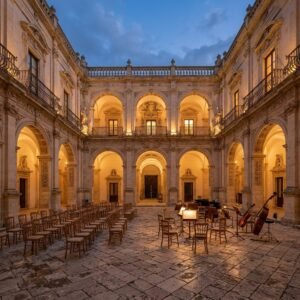
The Province of Enna is the authentic heart of Sicily, far from the beaten tourist paths. Here you'll find Villa Romana del Casale in Piazza Armerina, a UNESCO World Heritage site with its perfectly preserved Roman mosaics. Just a few kilometers away, the Archaeological Park of Morgantina in Aidone transports you to the ancient Greek city. The Castle of Lombardy dominates Enna from 970 meters, offering breathtaking panoramic views across the entire island. Discover mining history at the Floristella-Grottacalda Mining Park and medieval villages like Sperlinga with its castle carved into the rock. This is a land of living archaeology and genuine traditions, where every town guards little-known treasures.
Overview
- Villa Romana del Casale
- Morgantina Archaeological Park
- Castle of Lombardy
- Sperlinga Castle
- Floristella - Grottacalda Mining Park
- Enna Cathedral
- Regional Archaeological Museum of Enna
- Aidone Archaeological Museum
- Regional Archaeological Museum of Centuripe
- Cathedral of Saint Nicholas
- Realmese Necropolis
- Saracen Bridge
- Octagonal Tower of Enna
- Rocca di Cerere
- Gresti Castle
Itineraries nearby


Villa Romana del Casale
 If you think you've seen everything about the Romans, prepare to be amazed. The Villa Romana del Casale in Piazza Armerina houses a collection of mosaics that will leave you speechless. We're not talking about simple decorations, but true masterpieces that depict the life of a 4th-century AD elite. As soon as you enter, you're greeted by the famous Corridor of the Great Hunt: 60 meters of vibrant scenes showing the capture of exotic animals for Rome's circus games. Every detail is so realistic you can almost hear the beasts roaring. Continue to the Bikini Girls' Rooms, where athletes in period gymnastic attire seem to move even today. The real surprise? The mosaic of Eros and Psyche, a hymn to love that defies the centuries with its brilliant colors. The villa, probably the residence of a high imperial official, spans four levels and includes private baths, courtyards, and reception rooms. A practical tip: visit in the morning to enjoy the best light on the mosaics and book online to avoid queues. Wear comfortable shoes because the visiting paths are well-marked but require several hours of walking. Don't miss the Baths area, with its still-visible hypocausts, and the Hall of Arion, where the myth of the poet saved by dolphins comes to life beneath your feet. This isn't just archaeology—it's a plunge into the daily life of ancient Rome.
Villa Romana del Casale
Morgantina Archaeological Park
- Go to the page: Morgantina: Greek Agora, Theater, and the Marble Goddess Returned from the Getty
- Strada statale di Aidone, Aidone (EN)
- Open in Google Maps
- View on Google Images
 The Morgantina Archaeological Park catapults you into the heart of Greek Sicily, a site that tells centuries of history through its imposing ruins. Walking among the remains of the ancient city, you'll discover the Agorà, the beating heart of public life, where assemblies and markets took place. Nearby, the Greek Theatre, carved into the hillside, offers a breathtaking view of the valley and lets you imagine the performances that were held here two thousand years ago. Don't miss the Sanctuaries of Demeter and Persephone, linked to fertility cults, and the Thermal Baths, with their sophisticated heating system. But the real star of Morgantina is the Goddess of Morgantina, a marble statue that after years of disputes has returned to the Archaeological Museum of Aidone, just minutes from the park. The site is well signposted and accessible, with explanatory panels guiding the visit. Tip: combine your discovery of the park with a visit to the museum for a complete experience. Bring water and a hat, especially in summer, because the sun beats down hard. If you love history, this is a must: it will give you authentic emotions, away from the crowds of more popular sites.
Morgantina Archaeological Park
Castle of Lombardy
- Via Vincenzo Vigiano, Enna (EN)
- Open in Google Maps
- View on Google Images
 The Castle of Lombardy is the undisputed symbol of Enna, an imposing medieval fortress that rises 970 meters above sea level, offering one of the most spectacular views in all of Sicily. Built by the Normans in the 13th century on the remains of an ancient Sican settlement, it owes its name to the Lombard soldiers who garrisoned it. Today you can explore its six surviving towers out of the original twenty, with the Pisan Tower majestically towering above, providing a 360-degree view stretching from Mount Etna to the Madonie Mountains. The perfectly preserved inner courtyard often hosts shows and cultural events during the summer. Don't miss the chance to climb the main tower: from up there you'll see the entire province of Enna spread out at your feet, with wheat fields blending into the hilly landscapes. Admission is free, but always check the opening hours which vary seasonally. Bring a jacket even in summer: at this altitude the wind can be biting. Perfect for a one-and-a-half-hour visit, I recommend combining it with the nearby Rock of Ceres for a complete itinerary on Enna's ancient history.
Castle of Lombardy
Sperlinga Castle
- Via Pozzo, Sperlinga (EN)
- Open in Google Maps
- View on Google Images
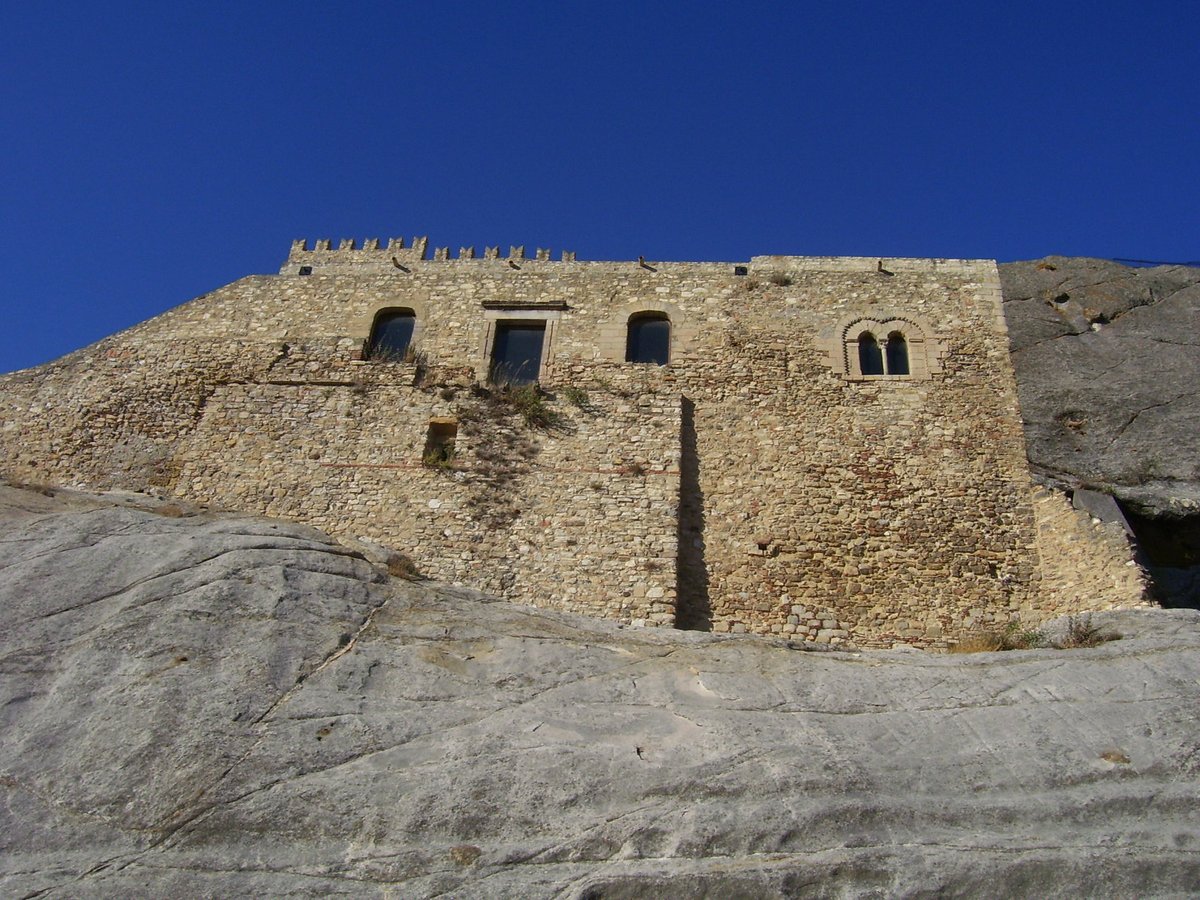 The Sperlinga Castle is one of the most fascinating and unusual places you can visit in Sicily. Built directly into the sandstone rock, this medieval fortress seems to emerge from the mountain itself, creating an image that stays etched in your memory. What makes it unique is its structure: staircases, tunnels, and rooms have been carved directly into the stone, offering a visiting experience that makes you feel like an explorer. As you climb towards the entrance, you'll immediately notice the famous Latin inscription above the portal: “Quod Siculis placuit, sola Sperlinga negavit” (What pleased the Sicilians, only Sperlinga denied), a reference to the fact that during the Sicilian Vespers, the castle gave refuge to the French instead of joining the revolt. Inside, you'll walk through rock-carved corridors, visit the noble rooms, and reach the panoramic terrace that offers a breathtaking view over the valleys and the Nebrodi Mountains. Don't miss the rock chapel and the prisons, still intact. Practical advice: wear comfortable shoes because the stairs are steep and the floors are uneven. The castle is open year-round, but avoid the hottest hours in summer; sunset light creates unforgettable atmospheres.
Sperlinga Castle
Floristella - Grottacalda Mining Park
- Strada provinciale Bivio SS192-Valguarnera-SS117bis, Enna (EN)
- http://www.enteparcofloristella.it/
- Open in Google Maps
- View on Google Images
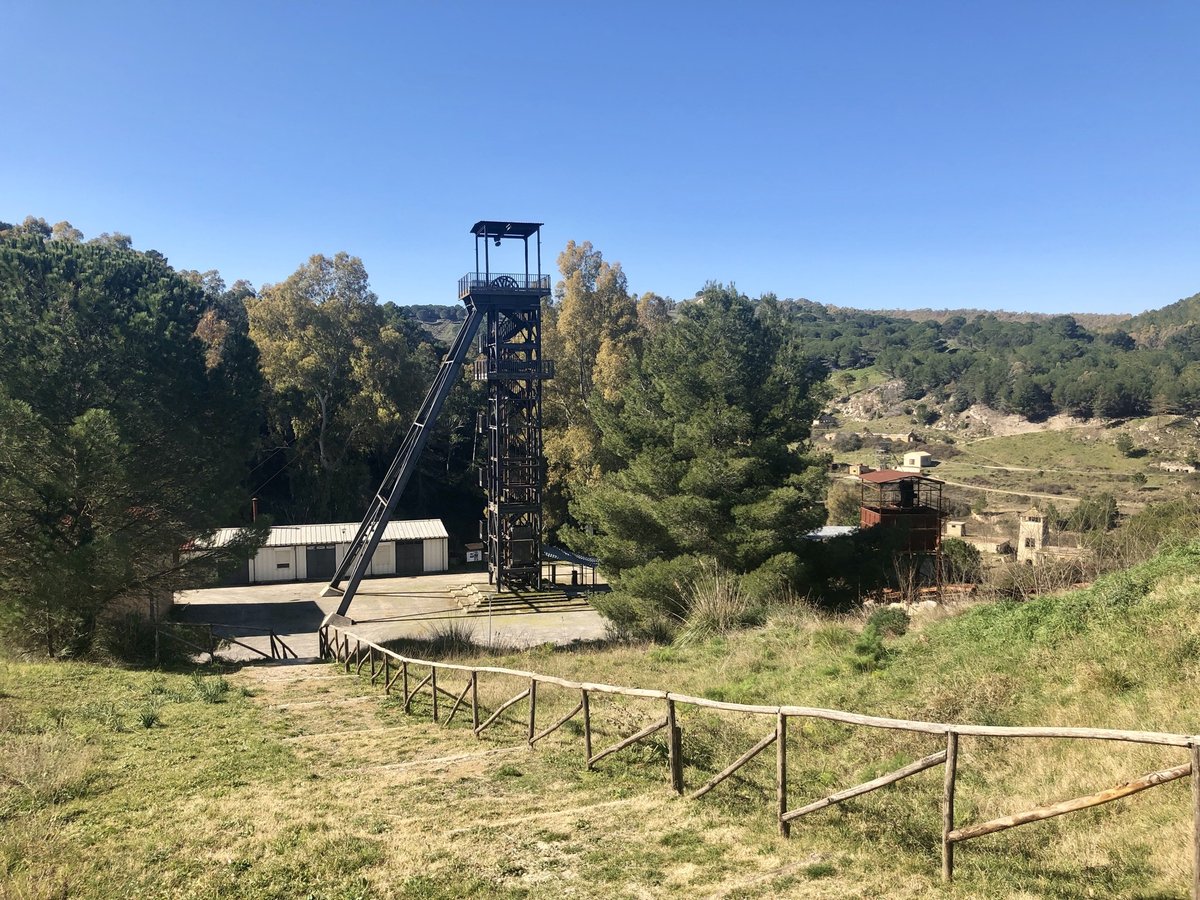 The Floristella - Grottacalda Mining Park catapults you into a vibrant chapter of Sicilian history - that of sulfur, which marked the Enna territory for centuries. It's not just an open-air museum, but an immersive experience among extraction wells, Gill furnaces, and calcaroni that tell the story of the carusi's hard labor. Walking among the remains of mining structures, you breathe in the authentic atmosphere of an era when the extractive industry dominated these hills. The Grottacalda area, with its imposing industrial buildings, contrasts with the Floristella zone, where the Pennisi Palace - the mine owners' residence - stands out. Observe up close the well-preserved smelting furnaces and the tunnels that delve deep into the earth's bowels, testimonies of an activity that shaped both the landscape and the local community. The park is perfect for those seeking an itinerary off the usual tourist trails, offering food for thought on Sicilian social history. Bring a water bottle and comfortable shoes: the terrain can be uneven, but every step is worth it to discover this gem of industrial archaeology.
Floristella - Grottacalda Mining Park
Enna Cathedral
- Via Roma, Enna (EN)
- Open in Google Maps
- View on Google Images
 The Enna Cathedral is the religious and artistic heart of the city, a Baroque masterpiece that welcomes you with its majestic golden tufa facade. Built in the 14th century and repeatedly modified over time, it houses treasures such as Giuliano Mancino's polyptych and the Treasure of the Madonna, featuring Sicilian school goldsmith works. Upon entering, you'll be struck by the three naves defined by red marble columns and the 18th-century frescoes depicting sacred stories. Don't miss the Sacrament Chapel, with its refined stuccoes and unique majolica floor. Its location is strategic: perched on a rocky spur at 948 meters, it offers breathtaking views of the valley from the wide staircase. It's here that every July 2nd, the Feast of Our Lady of the Visitation, the city's patron saint, is celebrated with an engaging procession that draws devotees from across the province. Practical tip: visit in the morning to enjoy the light illuminating the interiors and check opening hours, often tied to religious services. A must for those seeking art and spirituality in the heart of Sicily.
Enna Cathedral
Regional Archaeological Museum of Enna
- Go to the page: Archaeological Museum of Enna: Votive Offerings of Demeter and Sicilian Funeral Goods
- Via Simone Polizzi, Enna (EN)
- Open in Google Maps
- View on Google Images
- +39 0935 5076304
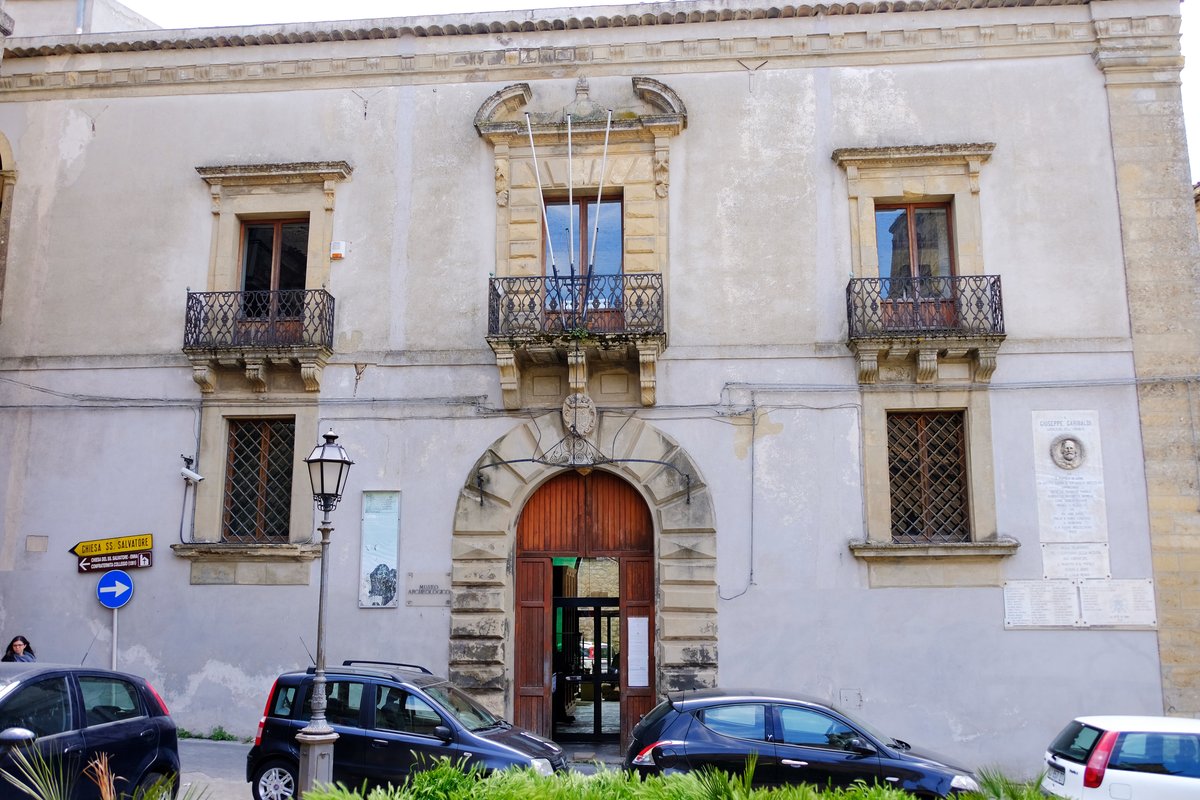 If you truly want to understand the essence of central Sicily, the Regional Archaeological Museum of Enna is an essential stop. Located in the heart of the capital city, this museum welcomes you with a journey that traces the history of the territory from prehistoric times to the early Middle Ages. The collection is organized into thematic sections that guide you through the most significant artifacts from the province. Don't miss the funerary goods from the Realmese necropolis, with their painted vases that tell stories of ancient rituals. But the real highlight are the artifacts from Morgantina and Centuripe, two archaeological sites of primary importance. Admire the figurative terracottas, black-glazed pottery, and coins that testify to the economic importance of these cities. The section dedicated to the Roman era will surprise you with mosaics and sculptures that show the artistic evolution of the territory. The museum is housed in a modern and functional building, with clear explanatory panels and a layout that enhances every artifact. For a complete visit, allow at least an hour and a half: the pace is pleasant and you won't get tired. Practical tip: check the opening hours on the official website, as they may vary depending on the season. If you're traveling with children, know that the route is accessible and engaging even for the little ones.
Regional Archaeological Museum of Enna
Aidone Archaeological Museum
- Go to the page: Aidone Archaeological Museum: The Goddess of Morgantina and Greek Domestic Treasures
- Largo Torres Truppia 1, Aidone (EN)
- https://www.regione.sicilia.it/beniculturali/dirbenicult/database/page_musei/pagina_musei.asp?ID=22&IdSito=40
- Open in Google Maps
- View on Google Images
- +39 0935 87307
 If you visit Aidone, the Archaeological Museum is an unmissable stop. Housed in the former Capuchin convent, this museum welcomes you with a captivating atmosphere where history comes alive within its halls. The highlight? The Venus of Morgantina, a marble statue that after years of legal disputes has returned here, to its homeland. Observe it up close: the details of the drapery and the serene expression will leave you breathless. But that's not all. The museum also safeguards the treasures of Morgantina, the ancient Greek city that stood nearby. Admire artifacts from the sanctuary of Demeter and Kore, such as votive statuettes and ceramics, which tell the stories of rituals and daily life from over 2500 years ago. Don't miss the section dedicated to acroliths, sculptures with heads and limbs in marble and bodies in wood, an ancient technique that comes to life here in an extraordinary way. Then, there's the Morgantina Silver, a Hellenistic-era table service that testifies to the city's wealth. The itinerary is well-organized, with clear explanatory panels guiding you through the centuries. Practical tip: combine your museum visit with one to the Morgantina Archaeological Park, just a few minutes' drive away. This way, you'll get a complete picture of this ancient civilization. Remember to check opening hours, especially if you're traveling during the off-season.
Aidone Archaeological Museum
Regional Archaeological Museum of Centuripe
- Go to the page: Centuripe Archaeological Museum: Greek Ceramics and Roman Sculptures in Sicily
- Via Santissimo Crocifisso 1, Centuripe (EN)
- Open in Google Maps
- View on Google Images
- +39 0935 73079
 The Regional Archaeological Museum of Centuripe is a hidden gem in the heart of Sicily, catapulting you directly into ancient Kentoripa. Housed in a modern building that seamlessly integrates into the landscape, the museum safeguards extraordinary artifacts unearthed from the area's necropolises and urban excavations. As soon as you enter, you'll be struck by the marble head of Augustus in Pentelic marble, a portrait of rare finesse that dominates the main hall. Continue through the display cases and admire the Apulian red-figure vases, the architectural terracottas from temples, and the gold jewelry that testify to the wealth of this Hellenistic-Roman city. Don't miss the section dedicated to female portraits in terracotta, expressions of a cultured and refined society. The museum's location is strategic: step up to the large windows and enjoy the view of Centuripe village, perched on three hills, with Mount Etna in the distance. For a complete visit, dedicate at least an hour and a half to the collections, focusing on the most iconic pieces like the Centuripe Togatus and the Roman oil lamps with mythological decorations. Practical tip: purchase the combined ticket with the archaeological site of Contrada Casino for a 360-degree experience. The museum is well-signposted and has convenient parking nearby.
Regional Archaeological Museum of Centuripe
Cathedral of Saint Nicholas
- Via Filippo Randazzo, Nicosia (EN)
- Open in Google Maps
- View on Google Images
 The Cathedral of Saint Nicholas is the beating heart of Nicosia, an architectural masterpiece that tells centuries of Sicilian history. Built in the 12th century under the Normans, the church stands on a hilltop overlooking the historic center, offering breathtaking views of the surrounding valleys. The exterior impresses with its 15th-century Catalan-Gothic facade, a rare example of this style in central Sicily, with its intricate rose window and richly decorated portal. Upon entering, you're enveloped in a solemn atmosphere: the three naves are defined by columns of local stone, while Renaissance frescoes narrate stories of saints and martyrs. Don't miss the Chapel of the Blessed Sacrament, a Baroque jewel with golden stuccoes and polychrome marbles. The cathedral also houses precious relics, including a fragment of the True Cross donated by Frederick II of Swabia. Climbing the bell tower offers a unique panorama over the rooftops of Nicosia and the Nebrodi Mountains. It's recommended to visit the cathedral in the morning, when light filters through the stained-glass windows, creating evocative plays of light. Remember to check the opening hours, especially if you want to attend the religious services that animate this sacred place.
Cathedral of Saint Nicholas
Realmese Necropolis
- Strada Comunale Torre di Gallo, Calascibetta (EN)
- Open in Google Maps
- View on Google Images
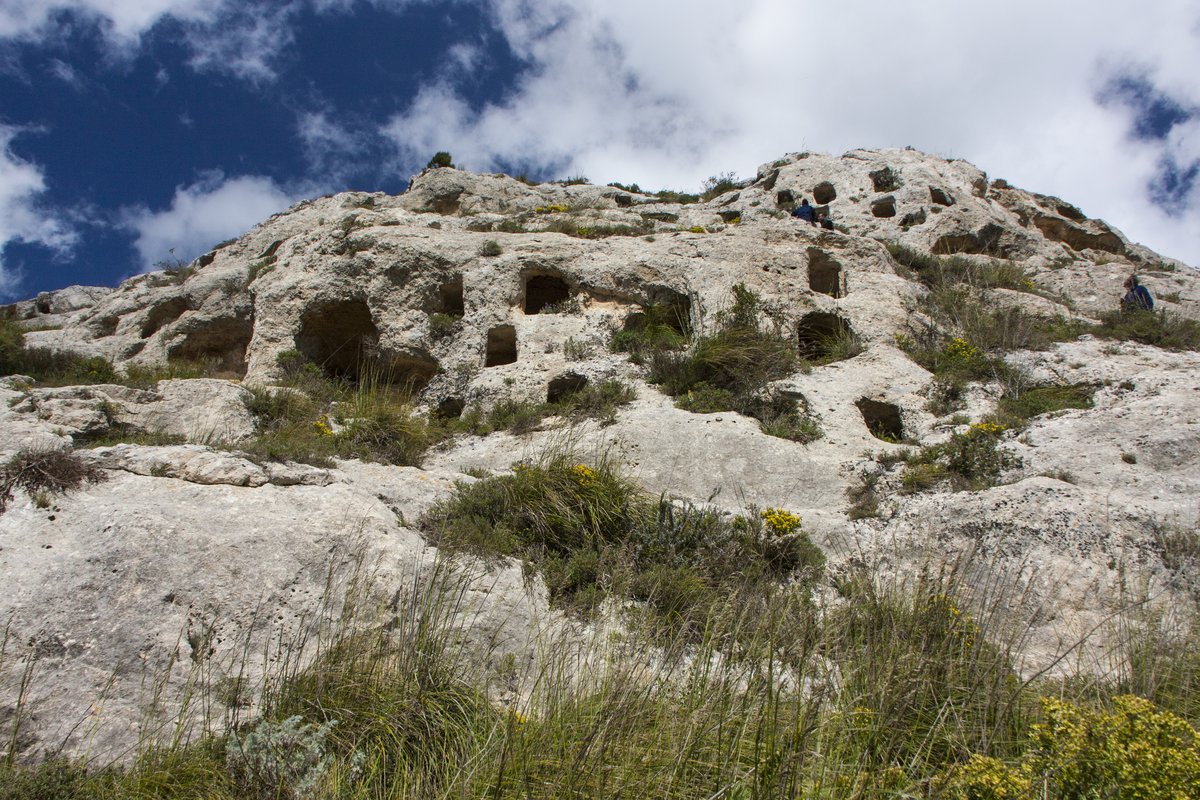 The Realmese Necropolis in Calascibetta is one of those places where you can feel the breath of history. Carved directly into the rock, this necropolis dates back to the Iron Age and houses over 300 chamber tombs distributed across three levels. Walking among these ancient burial sites gives you a unique, almost sacred atmosphere. The tombs, some still well-preserved, clearly show the burial techniques of the Sicel populations who inhabited these areas before the arrival of the Greeks. The site is located on a rocky ridge overlooking the valley, offering breathtaking panoramic views of the Enna countryside and the nearby town of Calascibetta. The location is not accidental: the ancients chose elevated places for burials, believing they were closer to the gods. Today, visiting Realmese means immersing yourself in a distant past, touching the life and death of a civilization that profoundly marked Sicily. The path among the tombs is easily walkable, but I recommend wearing comfortable shoes because the terrain can be uneven. Bring a water bottle too, especially in summer, and don't forget your camera: the sunsets here are spectacular. If you want to delve deeper, look for the larger tombs, which likely belonged to prominent members of the community. An experience that will stay in your heart.
Realmese Necropolis
Saracen Bridge
- SP120, Centuripe (EN)
- Open in Google Maps
- View on Google Images
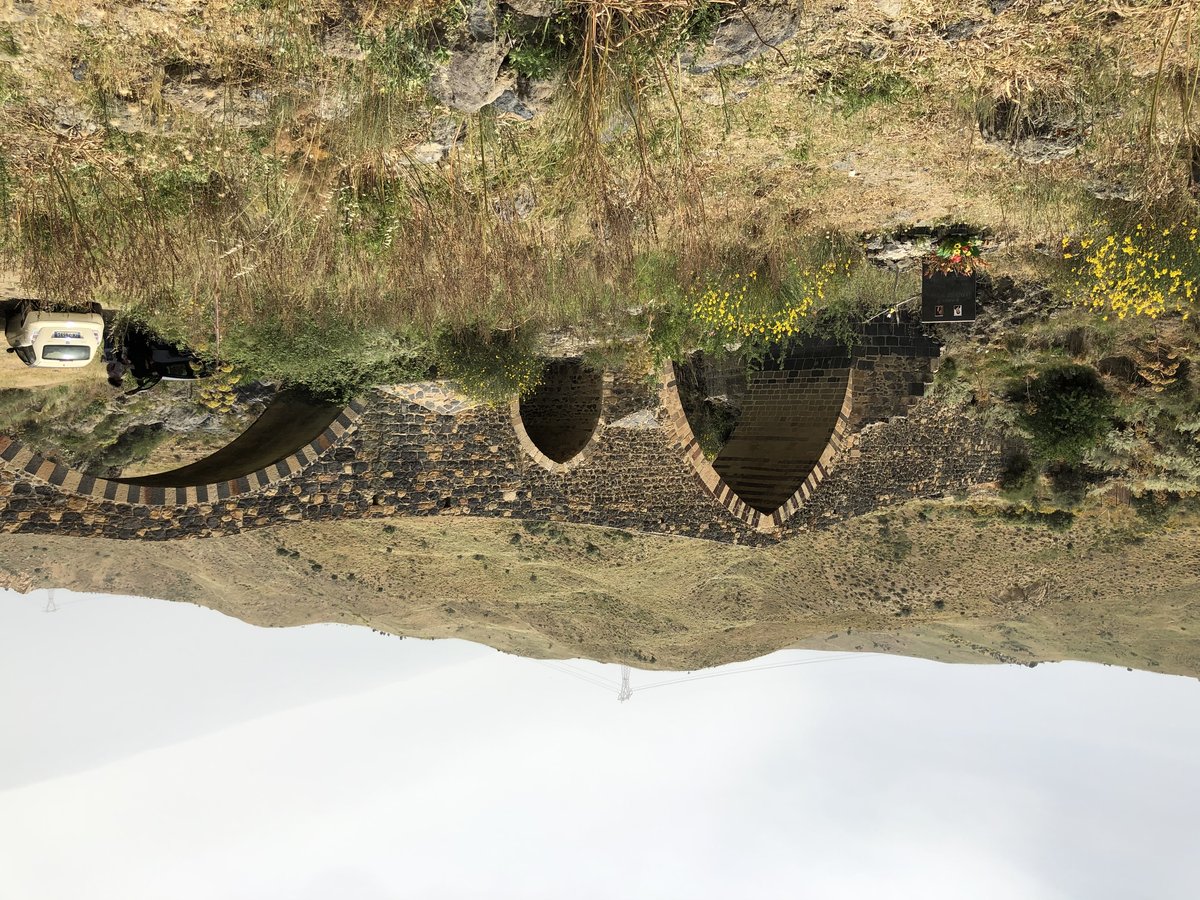 The Saracen Bridge is one of those places that makes you feel the weight of history. This medieval bridge, likely built between the 11th and 12th centuries, crosses the Simeto River with an elegance that defies the centuries. Despite its name, its origins are Norman, but the designation 'Saracen' has become rooted in popular tradition, testifying to the complex interweaving of cultures that has characterized Sicily. The structure, made of local stone, features a single pointed arch that stands out against the arid landscape of the Enna countryside. Arriving here means immersing yourself in an atmosphere suspended in time: the bridge is perfectly preserved and still passable, offering a breathtaking view of the watercourse below and the surrounding hills. The isolated location, far from traffic and noise, makes this visit an almost meditative experience. I recommend visiting at sunset, when the warm sunlight enhances the colors of the stone and creates spectacular shadow plays. Bring your camera: the shots you can take are truly unique, especially capturing the bridge from below, along the banks of the Simeto. To reach it, follow the signs for Contrada Ponte and prepare for a short walk on a dirt road. Access is free and open, but remember to wear comfortable shoes and bring water, especially during the summer months.
Saracen Bridge
Octagonal Tower of Enna
- Via Torre di Federico, Enna (EN)
- Open in Google Maps
- View on Google Images
 The Octagonal Tower of Enna is an architectural gem that dominates the city's historic center, offering one of the most spectacular views over all of central Sicily. Built in the 14th century as part of the city's defensive system, this tower stands out for its unique eight-sided shape, making it immediately recognizable among Enna's historic buildings. Climbing its ancient stone steps, you'll reach the summit where you can enjoy a 360-degree panorama embracing the Castle of Lombardy, the Cathedral, and on the clearest days, even Mount Etna on the horizon. The interior preserves traces of medieval frescoes and a structure that tells centuries of history, from Norman dominations to subsequent transformations. It's the perfect place for those seeking an authentic experience, away from tourist crowds, where you can breathe in the atmosphere of a less-known but deeply charming Sicily. I recommend visiting at sunset, when the golden light enhances the colors of the local stone and creates evocative shadow plays. Bring your camera: every corner offers memorable shots, from architectural details to breathtaking landscapes.
Octagonal Tower of Enna
Rocca di Cerere
- Via Vincenzo Vigiano, Enna (EN)
- Open in Google Maps
- View on Google Images
 Climbing the Rocca di Cerere means walking in the footsteps of one of the most powerful deities of antiquity. This rocky spur at 991 meters above sea level dominates Enna from above, offering a breathtaking panorama that stretches from Mount Etna to the Erei mountains. Here stood the sanctuary dedicated to Ceres, goddess of fertility and agriculture, the spiritual center of the Sicels as early as the 7th century BC. The Romans continued to venerate this deity, recognizing the strategic and sacred importance of the place. Today, the foundations of the ancient structures remain, but the atmosphere is still charged with spirituality. The location is strategic for visual control of all central Sicily, which is why it was chosen as a place of worship. The site is part of the Archaeological Park of Enna and is included in the itinerary of UNESCO sites in Sicily for its historical-cultural value. The climb is easy, suitable for everyone, and offers unforgettable sunsets when the sun sets over the surrounding hills. Bring a camera: the light contrasts on the rocks and the 360-degree view deserve several shots. Practical tip: visit early in the morning to avoid the crowds and enjoy the peace of the place.
Rocca di Cerere
Gresti Castle
- Strada provinciale Bivio SP8-Bivio SP35A, Aidone (EN)
- Open in Google Maps
- View on Google Images
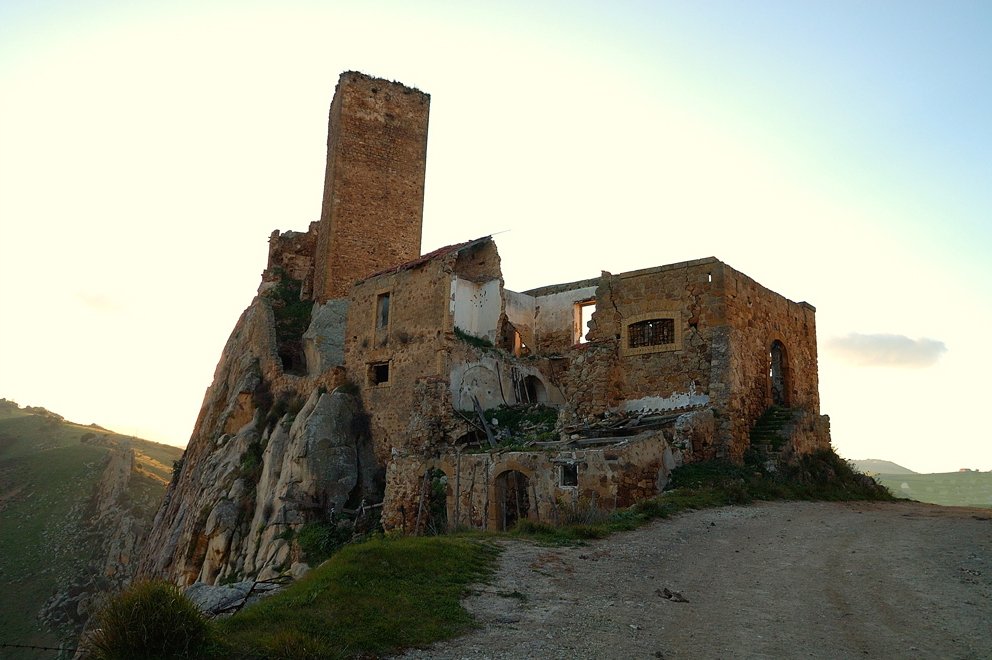 Gresti Castle stands majestically on a hill just a few kilometers from Aidone, offering breathtaking panoramic views over the Gornalunga valley. This 12th-century architectural gem, built by the Normans on pre-existing Byzantine structures, represents one of the best-preserved examples of medieval military architecture in Sicily. Its strategic position allowed control over the communication routes between the inland and the coast. Today, you can admire the imposing perimeter walls, the central keep, and the corner towers that have withstood the centuries. The interior preserves traces of the ancient residential areas and the cisterns for rainwater collection, a crucial element for survival during sieges. The unique feature of this castle is its dual function: not only a defensive structure but also the administrative center of the surrounding fiefdom. During your visit, notice the details of the bifora windows and the remains of the spiral staircases that connected the different levels. The site is easily accessible with a short walk from the center of Aidone, and access is generally free, though it's advisable to check opening hours in advance. Bring a bottle of water and comfortable shoes to best explore the surrounding area.
Gresti Castle