
🧭 What to Expect
- Ideal for a journey through Franciscan spirituality, medieval art, and authentic history away from mass tourism.
- Perfectly preserved historic center enclosed by walls, walkable starting from Porta Romana.
- Franciscan sanctuaries like Fontecolombo, where the Rule was written, and Santa Maria della Foresta, linked to the Canticle of the Creatures.
- Distinctive points of interest: the Umbilicus Italiae (geographical center of Italy), the Arch of Boniface VIII, and the Monument to the Lira.
- Art and museums with the Civic Museum (Roman artifacts and medieval works) and the Diocesan Museum in the San Francesco complex.
- Religious architecture ranging from Romanesque to Gothic in churches like Sant'Agostino, San Francesco, and San Domenico.
Events nearby
The City of Rieti welcomes you with its perfectly preserved historic center enclosed within ancient walls. Here, every alleyway tells centuries of history, from Roman times to the present day. The beating heart is Piazza San Rufo, home to the Umbilicus Italiae, the point ancients considered the geographical center of Italy. But Rieti is above all the city of Franciscan sanctuaries: just a few kilometers from the center, the Sanctuary of Fontecolombo where Saint Francis wrote the order's rule. Walking through the streets of the center, you'll immediately notice the harmony of medieval and Renaissance buildings, with churches housing valuable artworks. The city is easily explored on foot, starting from Porta Romana for an itinerary that will take you through centuries of history and spirituality.
Overview
- Fontecolombo Sanctuary
- Civic Museum - Historical-Artistic Section
- Franciscan Sanctuary of Santa Maria della Foresta
- Basilica of Saint Augustine
- San Domenico Church
- Church of San Francesco
- Former Monastery of Santa Lucia
- Church of San Rufo
- Church of Santa Scolastica
- Diocesan Museum of Rieti
- Monument to the Lira
- Oratory of San Pietro Martire
- Church of Saint Anthony Abbot
- Arch of Boniface VIII
- Porta Romana
Itineraries nearby
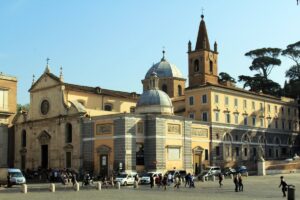
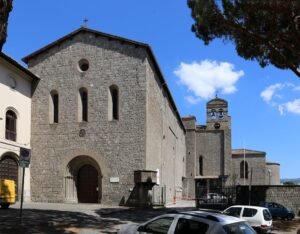

Fontecolombo Sanctuary
- Go to the page: Fontecolombo Sanctuary: Franciscan hermitage where Saint Francis wrote the Rule
- Via Fonte Colombo, Rieti (RI)
- Open in Google Maps
- View on Google Images
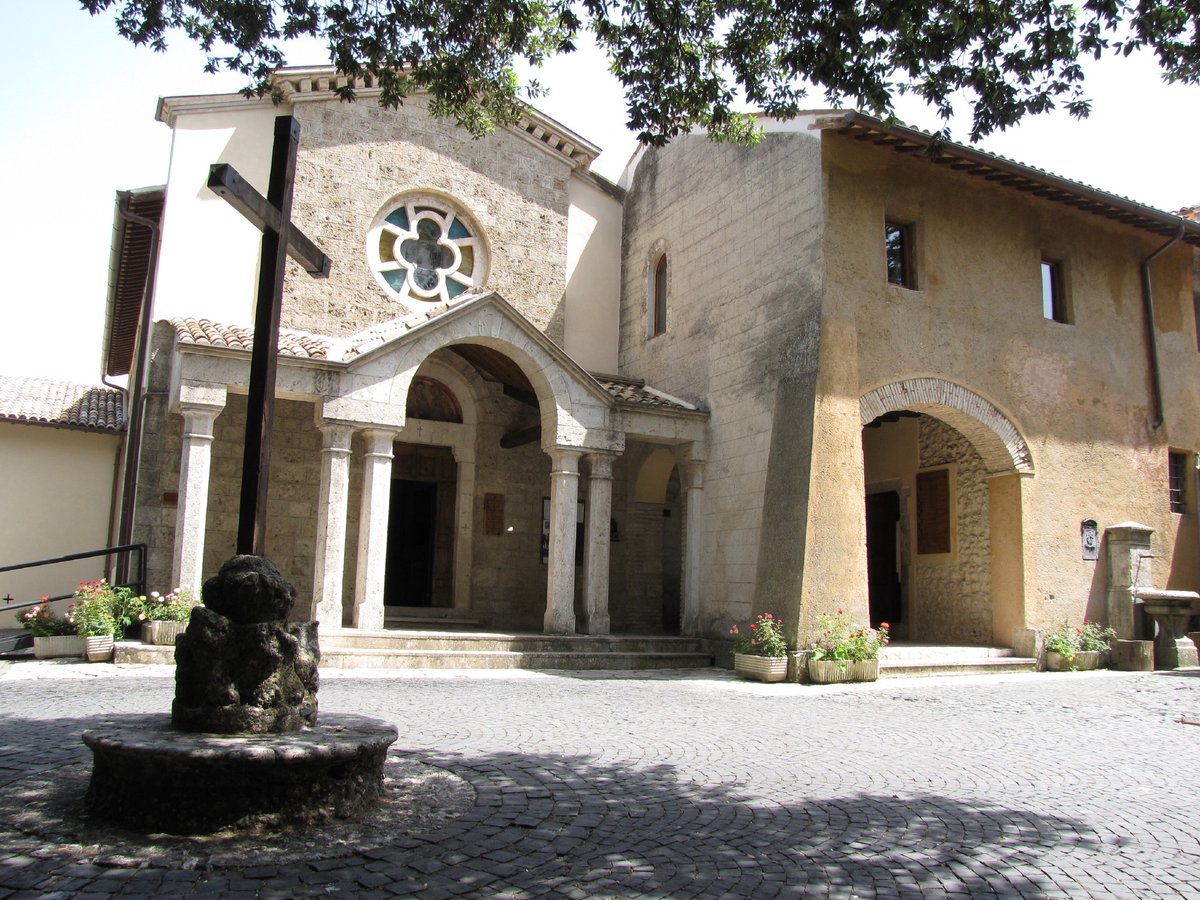 The Fontecolombo Sanctuary stands about 5 km from the center of Rieti, nestled in a forest of centuries-old holm oaks along the slopes of Mount Raino. This place is known as the Franciscan Sinai because here, between 1221 and 1223, Saint Francis of Assisi retreated in prayer and dictated the definitive Rule of the Order. Access to the sanctuary is through a paved path that winds up among the trees, creating an immediate atmosphere of recollection. The complex includes the Grotto of Revelations, where Francis received divine inspiration, and the Chapel of Saint Michael, built on a pre-existing Lombard shrine. Inside the main church, dedicated to Saint Francis, a 13th-century wooden crucifix and 15th-century frescoes depicting episodes from the saint's life are preserved. Particularly evocative is the cell of Saint Francis, a bare and narrow space where the Poor Man of Assisi spent periods of intense meditation. The sanctuary is still managed by the Franciscan friars, who welcome visitors and lead prayers. The place maintains its spiritual vocation intact: many pilgrims come here for moments of silence and reflection, following in the saint's footsteps. The isolated location, surrounded by the greenery of the Regional Park of the Reatini Mountains, helps create an atmosphere of peace and detachment from the world. Throughout the year, the sanctuary hosts special celebrations for the feast of Saint Francis (October 4th) and the anniversary of the drafting of the Rule.
Civic Museum - Historical-Artistic Section
- Go to the page: Rieti Civic Museum: Art from the Middle Ages to the Nineteenth Century in the Heart of Sabina
- Via Pescheria, Rieti (RI)
- Open in Google Maps
- View on Google Images
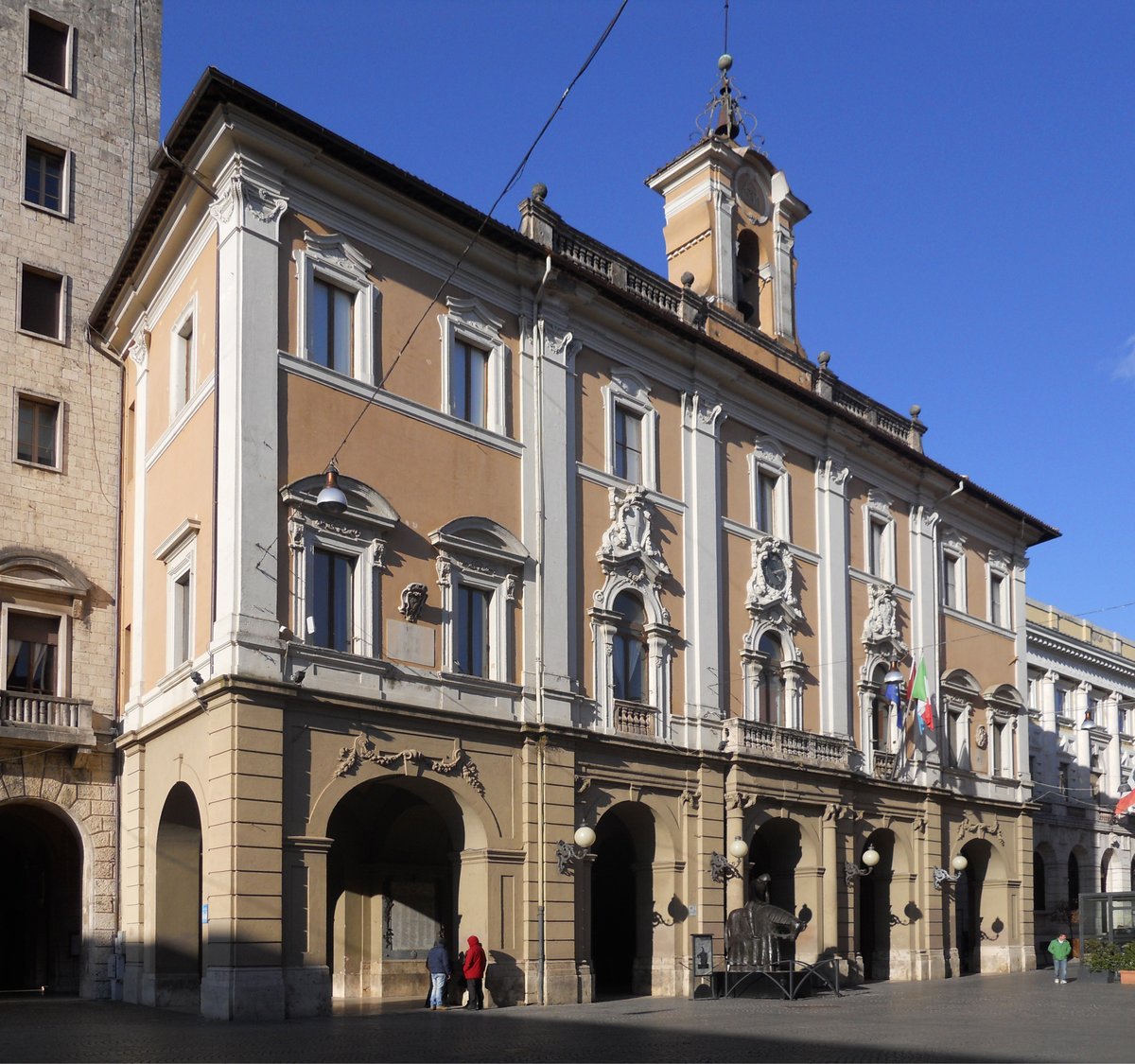 The Civic Museum - historical-artistic section of Rieti welcomes you in the historic center, inside the Town Hall. You enter and immediately breathe history. The collection tells the story of the city from the Roman era to the Renaissance. The journey begins with archaeological finds that testify to the ancient Reate, a Roman municipium. Then you move on to medieval masterpieces: the panels by Antonio da Viterbo and the Madonna and Child from the Umbrian-Marchigian school stand out. The fifteenth-century rooms surprise you with works by Antoniazzo Romano and the Master of Narni. Observe up close the panel paintings that once decorated Rieti's churches and convents. The section dedicated to the Rieti Renaissance includes wooden sculptures and sacred vestments. Don't miss the collection of local ceramics, evidence of ancient artisan workshops. The museum organizes themed guided tours by reservation. The setup is modern, with clear explanatory panels. The ticket costs a few euros, free for under 18s. Open all year, except Mondays. Practical tip: allow at least an hour to appreciate every detail. The staff is available for questions. An experience that enriches your visit to Rieti.
Franciscan Sanctuary of Santa Maria della Foresta
- Go to the page: Santa Maria della Foresta Sanctuary: Where Saint Francis Received the Stigmata in 1224
- Via Foresta, Rieti (RI)
- Open in Google Maps
- View on Google Images
 The Franciscan Sanctuary of Santa Maria della Foresta is one of the most significant sites along the Way of St. Francis in the Rieti Valley. Here, in 1225, Saint Francis of Assisi stayed during a period of illness and composed the famous Canticle of the Creatures. The atmosphere that permeates this place still resonates with profound spirituality and Franciscan simplicity.
The complex centers around a small 13th-century church, characterized by Romanesque architecture and 14th-century frescoes. Inside, the chapel that preserves Saint Francis's cell stands out, where the saint found refuge and inspiration. The adjacent cloister, with its central well and stone arches, invites meditation.
Particularly evocative is the friars' garden, maintained as it was in the saint's time, with medicinal plants and fruit trees. Visitors can freely access the spaces, following in the footsteps of pilgrims who have traversed this spiritual itinerary for centuries. The sanctuary is always open and requires no reservation, keeping alive the Franciscan spirit of welcome.
Basilica of Saint Augustine
- Go to the page: Basilica of Sant'Agostino Rieti: 14th-century frescoes and Vignola's cloister
- Via Nuova, Rieti (RI)
- Open in Google Maps
- View on Google Images
 The Basilica of Saint Augustine welcomes you with its Romanesque facade that conceals a Gothic interior of rare beauty. Upon entering, your gaze is captured by the imposing central nave defined by pointed arches that create an effect of soaring height. The polychrome stained-glass windows filter the light, offering ever-changing atmospheres throughout the day. Don't miss the Chapel of Saint Nicholas with its 14th-century frescoes depicting stories of saints and martyrs. The basilica preserves works of great value, such as the polyptych by Antonio da Viterbo and the 15th-century wooden crucifix. Look closely at the decorated capitals adorning the columns: each tells a different story through symbols and allegorical figures. Its location in the historic center makes it easily accessible during your city tour. Admission is free, allowing you to admire this artistic heritage at no cost. The basilica represents one of the best-preserved examples of medieval religious architecture in Rieti, a witness to centuries of history and devotion.
San Domenico Church
- Piazza Beata Colomba, Rieti (RI)
- Open in Google Maps
- View on Google Images
 San Domenico Church overlooks Piazza Mazzini with its stone facade that tells centuries of history. You enter and are immediately struck by the austere beauty of the single-nave interior, typical of mendicant order architecture. Observe the cross vaults that rhythmically divide the space, creating an atmosphere of contemplation. The church, founded in the 13th century, preserves important traces of the Dominican past in Rieti. Look for the adjacent cloister, a peaceful corner with Gothic arches framing the sky. Here, the friars would walk in prayer. Don't miss the Chapel of Saint Thomas Aquinas, dedicated to the famous Dominican theologian. The frescoes, though fragmentary, show scenes of devotion. The church has undergone transformations over time but maintains its original character. Notice the capitals decorated with vegetal motifs, expressions of medieval stonemasons' mastery. Today it is an active place of worship but open to visitors who want to discover an authentic piece of Rieti. The light filtering through the side windows illuminates the stones, enhancing the sense of spirituality. It's a less crowded site, ideal for a quiet stop. Check the opening hours, often tied to religious services. Its central location makes it easy to include in a walking itinerary through the historic center.
Church of San Francesco
- Vicolo San Bernardino, Rieti (RI)
- Open in Google Maps
- View on Google Images
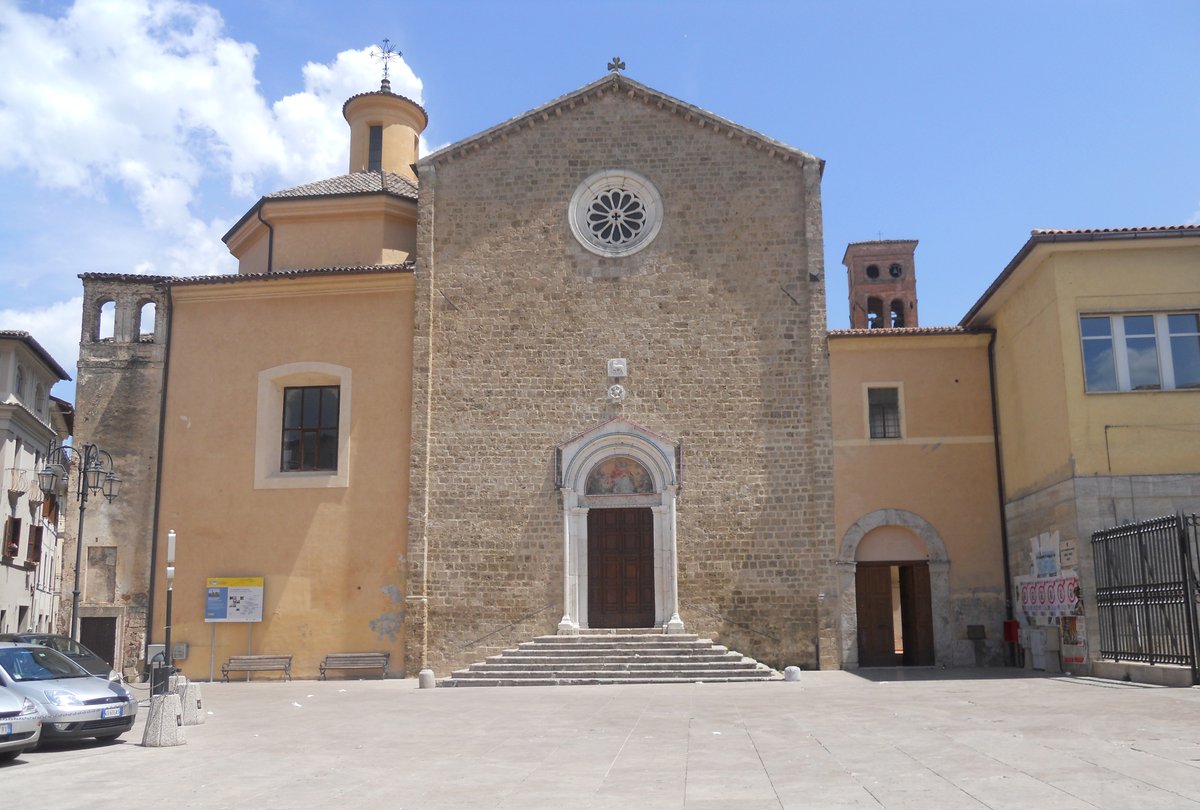 The Church of San Francesco is located in Piazza Vittorio Emanuele II, in the heart of Rieti's historic center. Built in the 13th century, it represents one of the most significant examples of Franciscan architecture in Lazio. The building preserves its original structure intact, with the local stone facade still showing the marks of time. Upon entering, visitors are struck by the intimate atmosphere and the light filtering through the stained glass windows. The single-nave interior is characterized by 14th-century frescoes from the Umbrian-Marchigian school, including the notable Madonna and Child in the side chapel. Also remarkable are the remains of the medieval cloister, accessible from the right side of the church, where visitors can admire capitals decorated with vegetal motifs. The church is part of the convent complex that also included the refectory and friars' cells. Today it occasionally hosts sacred art exhibitions and classical music concerts. Its central location makes it easily accessible during a visit to the historic center. It's worth observing the Gothic entrance portal, carved with geometric patterns typical of the era. Inside, the original 13th-century wooden truss ceiling is perfectly preserved. In the right chapel there is a 15th-century wooden crucifix from the Umbrian school. The church remains an active place of worship today, with regular Mass celebrations. Its history intertwines with that of Saint Francis himself, who according to tradition preached in this area during his journeys to Rome. The simplicity of the architecture perfectly reflects the Franciscan spirit of poverty and essentiality.
Former Monastery of Santa Lucia
- Vicolo Santa Lucia, Rieti (RI)
- Open in Google Maps
- View on Google Images
 The Former Monastery of Santa Lucia is located right in the historic center, just steps away from the Cathedral. This monastic complex dates back to the 13th century and represents one of the most significant sites in Rieti's history. Originally dedicated to the worship of Saint Lucia, the monastery housed Benedictine nuns until the Napoleonic suppression. Today, the building preserves its medieval structure intact, with the characteristic internal cloister offering an atmosphere of peace and contemplation. The attached church, although not always accessible, still shows traces of the original frescoes and Romanesque architecture. The strategic location allows visitors to include it in an itinerary that also encompasses the nearby Diocesan Museum and the Basilica of Sant'Agostino. Access is generally free, but it's advisable to check opening hours in advance. The monastery represents a perfect example of how medieval religious architecture integrates with the city's urban fabric. Its history intertwines with that of Rieti, bearing witness to centuries of monastic life and popular devotion. The structure, despite modifications, maintains the austere charm typical of conventual buildings from that era.
Church of San Rufo
- Via Capelletti, Rieti (RI)
- Open in Google Maps
- View on Google Images
 The Church of San Rufo is located right in the historic center of Rieti, in Piazza San Rufo. This place is special because here, according to tradition, San Rufo, the city's patron saint, was born. The church we see today dates back to the 18th century, but it stands on an older building. The exterior is simple, with a Baroque-style facade that might surprise you. Upon entering, you'll immediately notice the intimate and devout atmosphere. The interior features a single nave with side chapels that preserve interesting works of art. Look for the painting depicting San Rufo: it's a work that tells the story of his life and his connection to Rieti. The church is small but full of history. Take a good look at the main altar, made of polychrome marble, and the original floor. Many Rieti locals come here to pray, especially during the patron saint festivals. The location is strategic: just steps away from the Cathedral and Piazza Vittorio Emanuele. If you visit Rieti, stop here to breathe in the essence of the city. It's a place that combines faith, art, and tradition in just a few square meters. You don't need much time, but it's worth stepping inside to discover this hidden gem.
Church of Santa Scolastica
- Via Santa Scolastica, Rieti (RI)
- Open in Google Maps
- View on Google Images
 The Church of Santa Scolastica is located on Via Cintia, in the heart of Rieti's historic center. This religious building dates back to the 13th century and represents one of the best-preserved examples of medieval architecture in Rieti. The facade made of local stone still bears the marks of time, with its simple portal and the small circular window characteristic of the Romanesque style. Upon entering, one is struck by the intimate atmosphere and the essentiality of the spaces. The single-nave interior preserves traces of 14th-century frescoes, although unfortunately many have been lost over the centuries. Particularly interesting is the side chapel, where remnants of pictorial decorations depicting stories of saints and martyrs can be admired. The church is dedicated to Saint Scholastica, sister of Saint Benedict, and this connection with the Benedictine order is felt in the austerity of the environment. Today the church is not always open to the public, but during religious celebrations or cultural events it is possible to visit. It's worth checking opening hours at the tourist office or the nearby Diocesan Museum. The central location makes it easy to include the visit in your historic center itinerary, perhaps combining it with the nearby Church of San Francesco or the Cathedral. The architectural simplicity and the history emanating from its walls make it an interesting stop for those wanting to discover the lesser-known Rieti.
Diocesan Museum of Rieti
- Via Cintia 83, Rieti (RI)
- http://www.museodiocesanorieti.it/
- Open in Google Maps
- View on Google Images
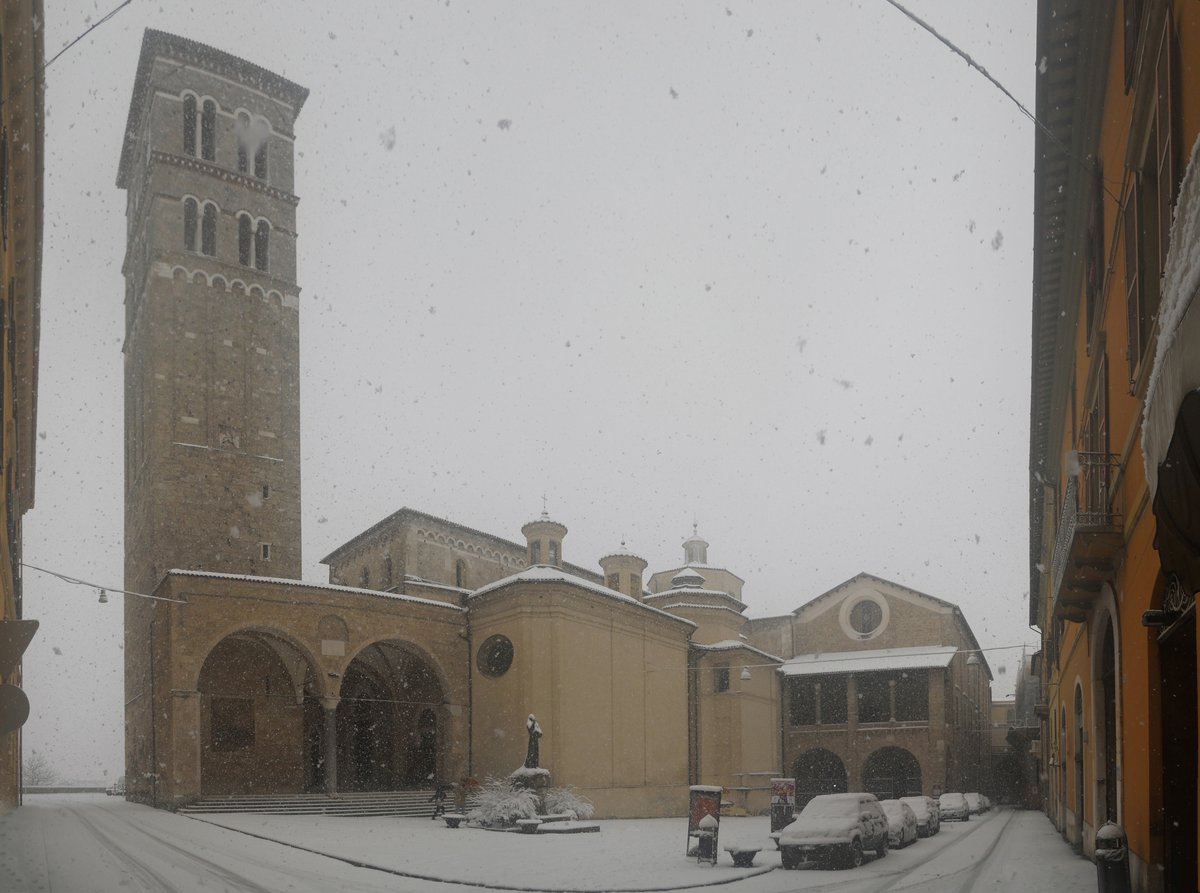 The Diocesan Museum of Rieti welcomes you to the San Francesco complex, a place steeped in history. As you enter, you immediately understand: this is no ordinary museum. The artworks narrate centuries of faith and art in Sabina. Walk through the halls of the former convent and discover masterpieces ranging from the Middle Ages to the Baroque period. The painted Cross from the 13th century is a highlight, with its still vivid colors telling the story of the Passion. Then you come before the Reliquary of Saint Francis, an object of intense devotion linked to the Saint's passage through these lands. The museum also preserves altar frontals and sacred vestments from the Cathedral and other churches in the area. Don't miss the section dedicated to panel painting, with works by local masters who shaped Reatine art. The display is minimalist, giving space to the artworks. The Renaissance cloister offers a moment of pause, with its silence inviting contemplation. Here you understand the profound connection between art and spirituality. The museum is not just a collection, but a journey into the religious memory of Rieti.
Monument to the Lira
- Piazza Cavour, Rieti (RI)
- Open in Google Maps
- View on Google Images
 The Monument to the Lira in Rieti is an unmissable stop for anyone wanting to get hands-on with a piece of Italian history. Located in Piazza Cesare Battisti, this monument celebrates the currency that accompanied our country for over a century. Made of gilded bronze, it depicts a large-scale lira that appears to almost float in the air. The sculpture, standing about three meters tall, immediately captures attention with its simple yet meaningful elegance. Observing it up close, you'll notice the details of the engravings that faithfully reproduce the features of the original coin. The monument was inaugurated in 2002, shortly after the introduction of the euro, as a tribute to the collective memory of Italians. Its central location makes it easily accessible during a stroll through the historic center. Many visitors stop to take souvenir photos, creating a moment of intergenerational sharing. Older generations share stories linked to the lira, while younger ones discover a symbol of the recent past. The surrounding square, with its historic buildings, provides the perfect backdrop for this reflection on our national identity. The monument is always visible and requires no entrance tickets, making it ideal for a quick but meaningful stop.
Oratory of San Pietro Martire
- Via Santa Lucia nuova, Rieti (RI)
- Open in Google Maps
- View on Google Images
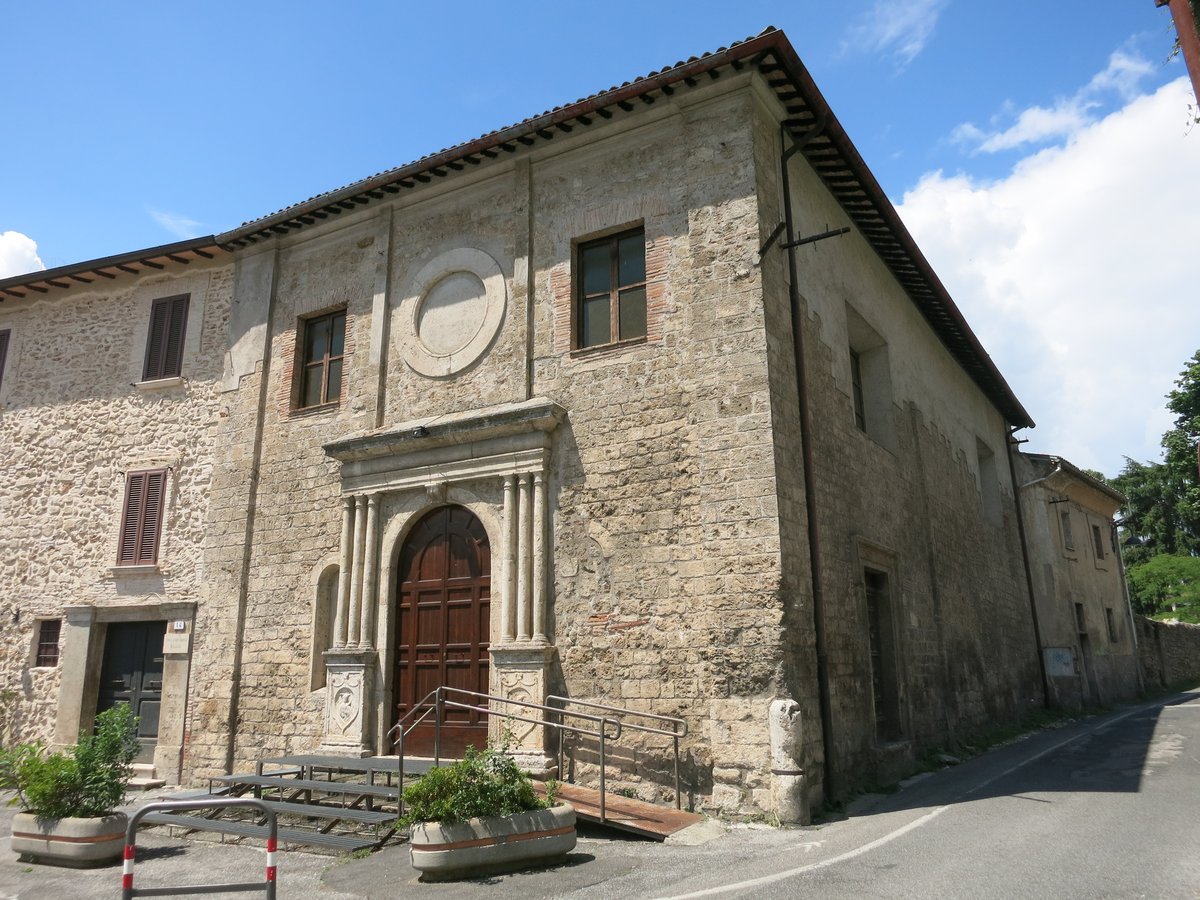 The Oratory of San Pietro Martire is located on Via San Pietro Martire, just steps away from Rieti Cathedral. Built in the 13th century, this small religious building is a perfect example of medieval Rieti architecture. The exterior, made of local stone, maintains the austere appearance typical of buildings from that era. Upon entering, you immediately notice the simplicity of the single-nave structure. The 14th-century frescoes decorating the walls are the true treasure of the oratory. They depict scenes from the life of San Pietro Martire and other saints, with colors that remain vivid despite the centuries. The carved wooden altar dates back to the 15th century and shows the artistic evolution of the place. Its central location makes the oratory easily accessible during a visit to the historic center. The intimate and silent atmosphere offers a peaceful break away from the city chaos. It's a place that speaks of Rieti's religious history without needing extensive explanations. The oratory is often open to the public, but it's better to check opening hours before visiting. There are no entrance tickets, making it an accessible stop for everyone. The light filtering through the small windows creates shadow plays that highlight the details of the frescoes. It's worth dedicating at least twenty minutes to fully appreciate this sacred space.
Church of Saint Anthony Abbot
- Via Antonio Tancredi, Rieti (RI)
- Open in Google Maps
- View on Google Images
 The Church of Saint Anthony Abbot is located on Via Roma, in the heart of Rieti's historic center. Its local stone facade conceals a history dating back to the 13th century. Upon entering, the polygonal apse that characterizes the external architecture immediately stands out. Inside, the atmosphere is intimate and evocative. The building has undergone several transformations over the centuries but retains its medieval charm intact. Today, the church is managed by the Confraternity of the Blessed Sacrament and is used for religious celebrations and cultural events. The structure features a rectangular floor plan with a single nave and preserves traces of frescoes dating from the 14th to the 15th century. Particularly interesting is the side chapel dedicated to Saint Anthony Abbot, the protector of animals. The church fits perfectly into Rieti's medieval urban fabric, just steps away from other important monuments such as the Arch of Boniface VIII. Its central location makes it a must-see stop during a visit to the city. Admission is free during opening hours, which vary depending on celebrations. The simplicity of the architecture and the intimate atmosphere offer a moment of respite from the liveliness of the historic center.
Arch of Boniface VIII
- Via dell'Episcopio, Rieti (RI)
- Open in Google Maps
- View on Google Images
 The Arch of Boniface VIII is one of the most significant testimonies to Rieti's medieval past. Built in 1298 by order of the pope himself, this imposing stone arch marks the entrance to the historic center from the Porta Romana side. Its massive structure and essential lines speak of an era of power and spirituality. Observing the arch, you'll notice the marks of time and traces of its original defensive function. Its strategic position along the city walls made it a crucial control point for those entering the city. Today, passing through the Arch of Boniface VIII means embarking on a genuine journey through time. You'll immediately find yourself immersed in the atmosphere of the medieval quarter, with its cobblestone alleys and historic buildings. The uniqueness of this monument lies in its dual nature: on one hand, a valuable architectural element, on the other, a silent witness to centuries of Rieti's history. The craftsmanship of the local stone, Sabina travertine, showcases the mastery of thirteenth-century artisans. Despite restorations, it maintains its austere and majestic character intact. Walking beneath its vault, you can admire the perfect symmetry and balanced proportions that characterize it. The arch represents an essential reference point for visitors to Rieti, not only for its historical value but also for the atmosphere it creates for visitors. It's one of those places that, despite its essential nature, immediately communicates the genius loci of the city.
Porta Romana
- Piazza della Repubblica, Rieti (RI)
- Open in Google Maps
- View on Google Images
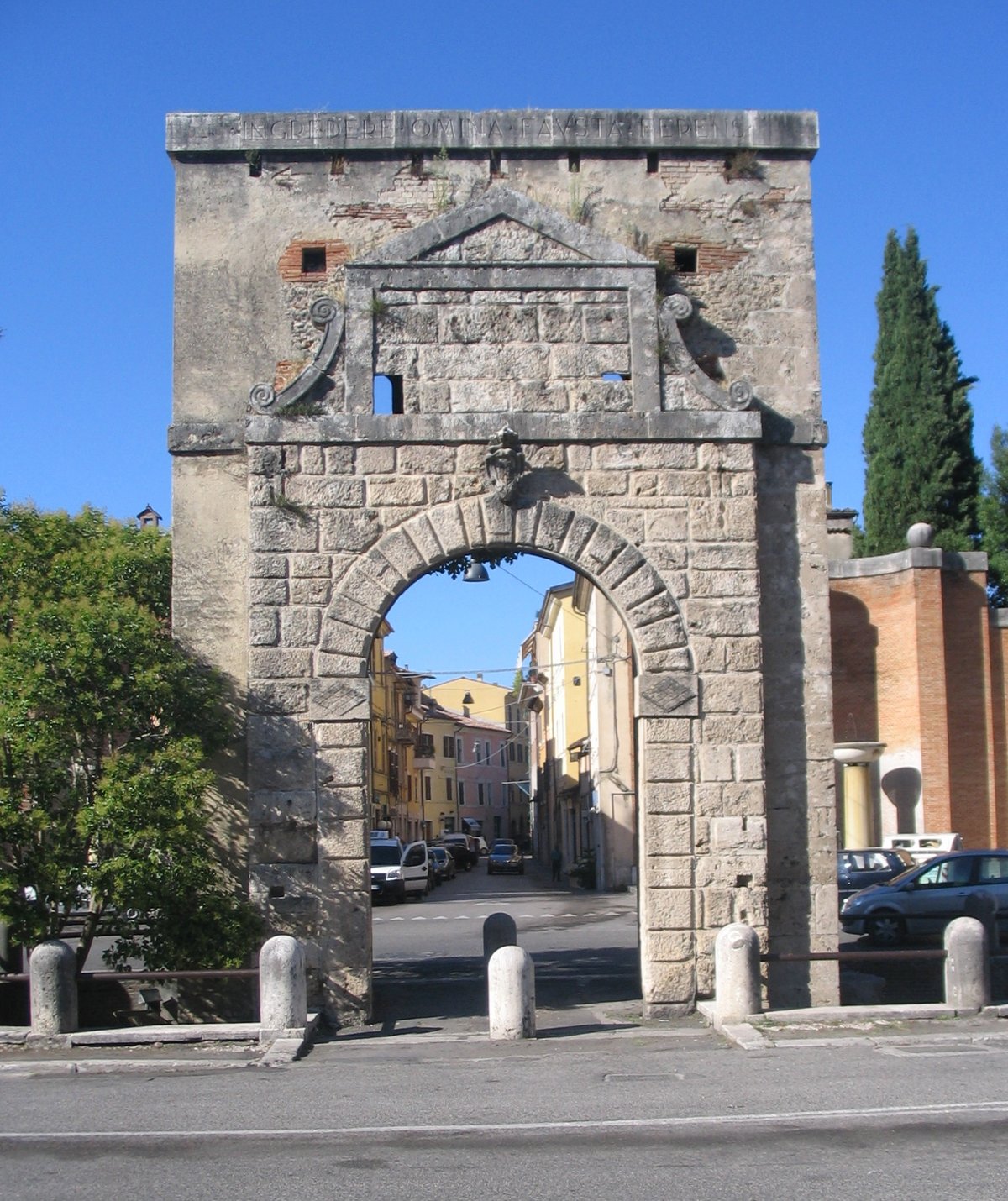 Porta Romana is the only medieval gate that remains intact among those that once protected Rieti. Built in the 13th century, it marked the main entrance for those arriving from Rome along the ancient Via Salaria. Its structure in local stone still shows the marks of the hinges that supported the heavy wooden doors. Observing the pointed arch, one notices the typical 13th-century architecture that characterizes many buildings in the historic center. The gate opens directly onto the city walls, still visible in this section, and leads to Piazza Cesare Battisti. Here the passage is narrow, just as it must have been to control who entered and exited. Above the arch, traces of the original defensive apparatus remain. Today Porta Romana is not just a monument, but the ideal starting point to explore the medieval heart of Rieti. Crossing through it, one immediately feels the leap in time: leaving the modern city to immerse oneself in the network of alleys that preserve the ancient atmosphere. Its strategic position makes it perfect for starting a walking itinerary towards Piazza San Rufo, considered the geographical center of Italy, and towards other symbolic places like the Cathedral. Despite the centuries, it maintains intact its charm as a threshold between different worlds.