
🧭 What to Expect
- Ideal for those seeking authenticity away from mass tourism, amidst millennial history and unspoiled landscapes of Sabina.
- Medieval historic center of Rieti with the Basilica of Sant'Agostino and the Arch of Boniface VIII.
- Franciscan sanctuaries like Fontecolombo and Santa Maria della Foresta, linked to Saint Francis.
- Perched villages such as Cottanello with its rock hermitage and Fara in Sabina with its Benedictine abbey.
- Archaeological sites from Roman and pre-Roman times: Baths of Vespasian, Trebula Mutuesca, and Res Publica Aequiculorum.
Events nearby
The Province of Rieti will surprise you with a territory rich in history and nature. Rieti city preserves a perfectly intact medieval historic center, with the Basilica of Sant'Agostino and the Arch of Boniface VIII. The Franciscan sanctuaries like Fontecolombo and Santa Maria della Foresta take you in the footsteps of Saint Francis. Outside the city, discover hilltop villages like Cottanello with its hermitage and Fara in Sabina with the Benedictine abbey. The Baths of Vespasian in Cittaducale testify to the area's ancient thermal vocation. It's an authentic territory, far from mass tourism, where every town tells a different story.
Overview
- Fontecolombo Sanctuary
- Vespasian's Baths or Cotilia Baths
- San Cataldo Hermitage
- San Martino Abbey
- Trebula Mutuesca
- Santa Maria del Piano
- Basilica of Sant'Agostino
- Arch of Bonifacio VIII
- Civic Museum - Historical-Artistic Section
- Franciscan Sanctuary of Santa Maria della Foresta
- Baccelli Tower
- Res Publica Aequiculorum
Itineraries nearby
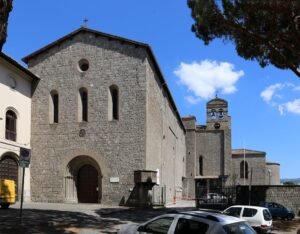

Fontecolombo Sanctuary
- Go to the page: Fontecolombo Sanctuary: Franciscan hermitage where Saint Francis wrote the Rule
- Via Fonte Colombo, Rieti (RI)
- Open in Google Maps
- View on Google Images
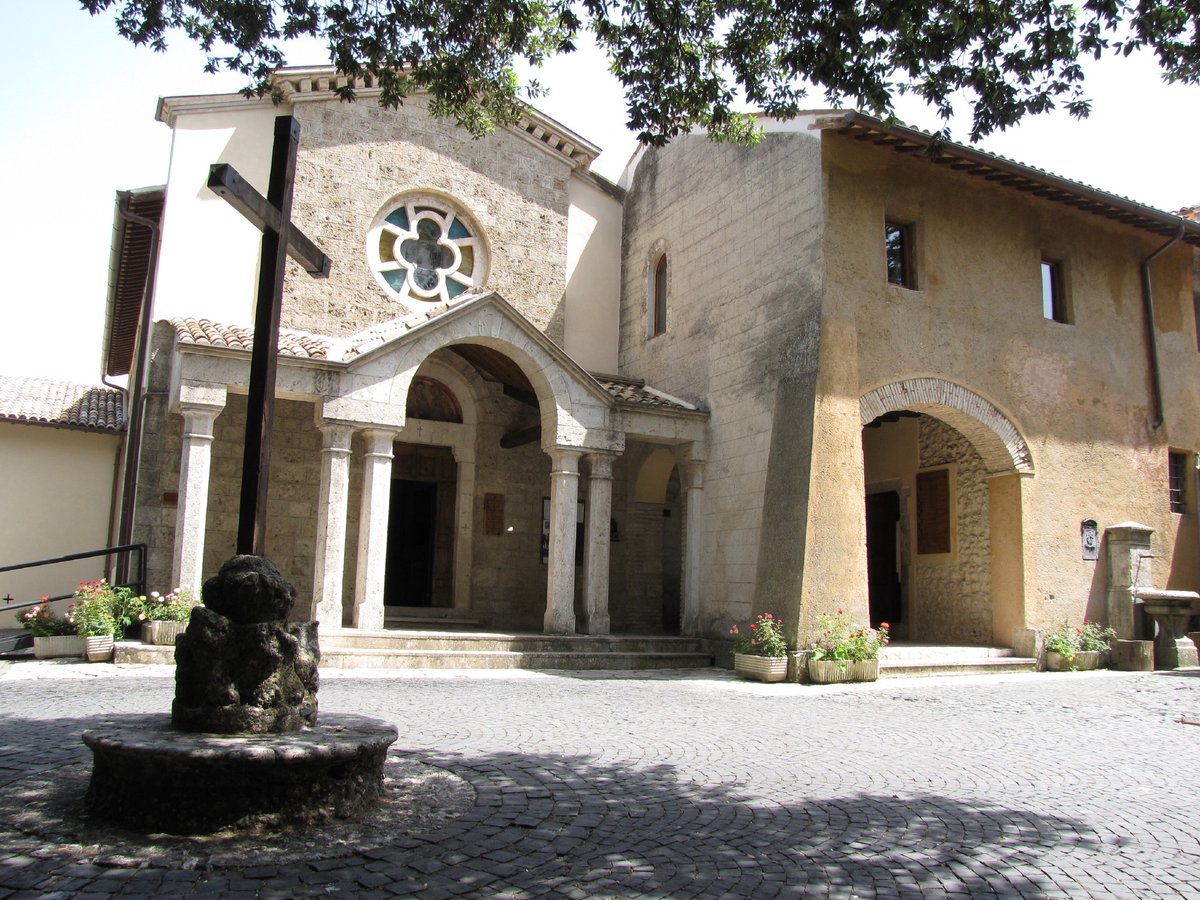 If you're looking for a place that combines spirituality and nature, the Fontecolombo Sanctuary is an unmissable stop in the province of Rieti. Known as the 'Franciscan Sinai', here Saint Francis of Assisi retreated in 1223 to draft the definitive Rule of the Order, approved by Pope Honorius III. The complex stands about 5 km from Rieti, immersed in a centuries-old holm oak forest along the slopes of Mount Rainero. The visit begins at the Church of the Magdalene, built in the 15th century, where the fresco of the Crucifixion attributed to Giovanni di Pietro, known as Lo Spagna, stands out. Continuing on, you reach the heart of the sanctuary: the cave-sacellum where Francis received the vision that confirmed him in writing the Rule. Next to it, the Chapel of the Magdalene preserves traces of 14th-century frescoes. Don't miss the Renaissance cloister with the central well and the refectory, where a fresco recalls the miracle of the vine. The path leading to the sanctuary is an experience in itself: you walk along the Elm Tree Avenue, planted in 1926, with panoramic views over the Santa Valley of Rieti. The atmosphere is one of absolute recollection, made even more evocative by the sounds of the forest and the water from the spring that gives the place its name. Perfect for a restorative break, the sanctuary also offers a shaded picnic area.
Fontecolombo Sanctuary
Vespasian's Baths or Cotilia Baths
- Strada Statale 4 Via Salaria, Cittaducale (RI)
- https://www.comune.cittaducale.ri.it/pagina154_terme-di-vespasiano.html
- Open in Google Maps
- View on Google Images
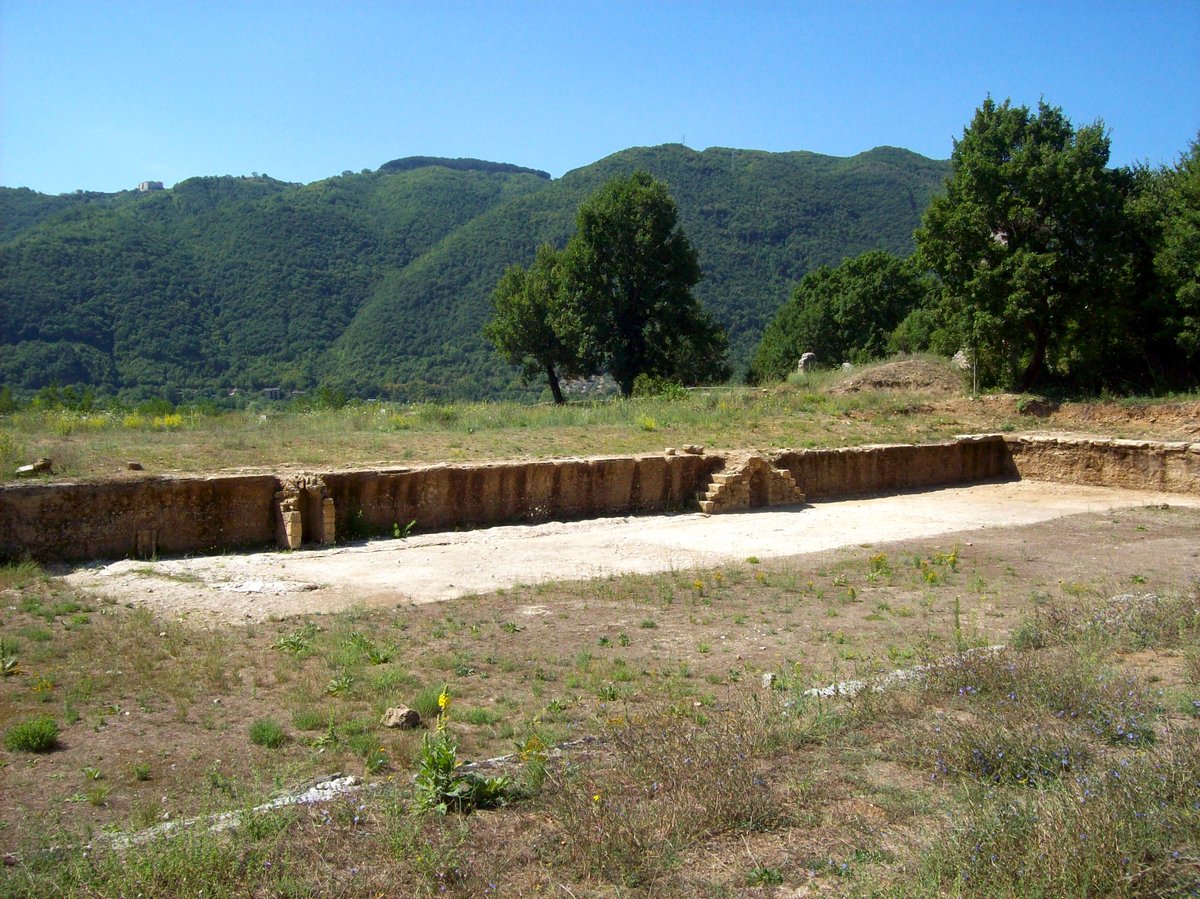 The Vespasian's Baths, also known as the Cotilia Baths, represent one of the most fascinating archaeological sites in the province of Rieti. Located in Cittaducale, these ancient Roman baths owe their name to Emperor Vespasian, who had them built in the 1st century AD, taking advantage of the beneficial properties of the local sulfurous waters. What makes this place unique is the perfect blend of millennial history and natural wellness: the waters that flow here are rich in sulfur and mineral salts, with temperatures reaching 23°C year-round. The original thermal complex included pools, heated rooms, and spaces for treatments, of which the evocative remains can still be admired today. The particularity of the Cotilia Baths lies in their dual vocation: on one hand, they are an important archaeological site, and on the other, their waters continue to be used for therapeutic purposes. The location, nestled in the hilly landscape of Sabina, adds further value to the place, creating an atmosphere of total relaxation. For those visiting the province of Rieti, these baths offer a complete experience: you can explore the Roman ruins, learn about the history of ancient Cotilia, and appreciate the properties of the waters that have attracted visitors since imperial times.
Vespasian's Baths or Cotilia Baths
San Cataldo Hermitage
- Strada Provinciale 45 di Fontecerro, Cottanello (RI)
- Open in Google Maps
- View on Google Images
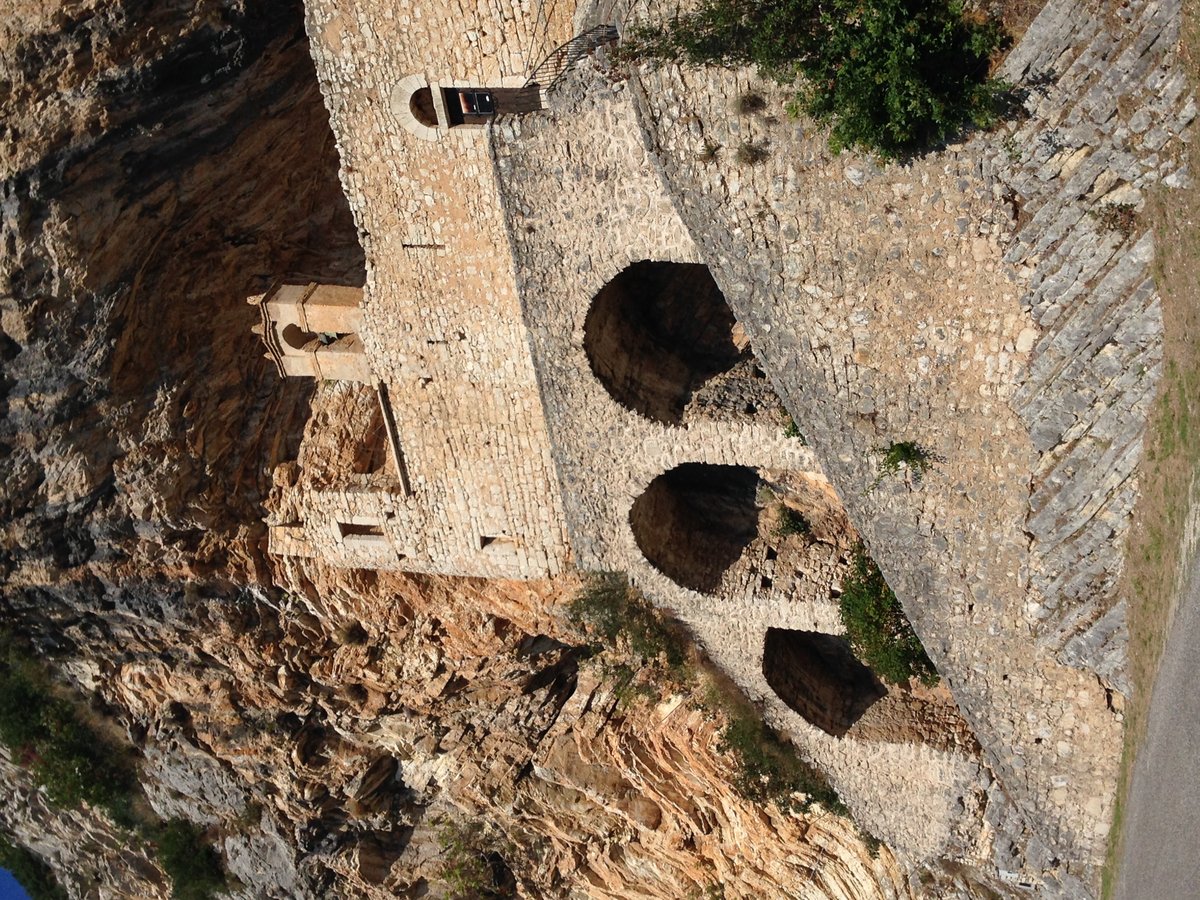 The San Cataldo Hermitage in Cottanello is one of those places that makes you feel outside of time. Perched at 750 meters above sea level on Mount Tancia, this 12th-century monastic complex seems to almost merge with the rock that hosts it. The striking feature is its rock-cut architecture: the monks' cells are carved directly into the rock face, creating a unique blend of human work and nature. Access is via a panoramic trail that winds through oak and holm oak woods, offering breathtaking views of the Tancia Valley. Inside, besides the small church with its medieval frescoes, you can admire the remains of the cloister and the system of cisterns for rainwater collection, evidence of the ingenuity of the Benedictine monks who lived here in isolation. The remote location has preserved the atmosphere of contemplation: silence is broken only by the wind and birdsong. For those seeking an authentic experience, I recommend visiting early in the morning, when the sunlight illuminates the rock walls creating spectacular plays of shadow. The hermitage is only accessible on foot, with a moderately difficult walk that requires comfortable shoes. There are no services in the immediate vicinity, so bring water and something to eat. The best time to visit is from April to October, when weather conditions are more favorable.
San Cataldo Hermitage
San Martino Abbey
- Via Farense, Fara in Sabina (RI)
- Open in Google Maps
- View on Google Images
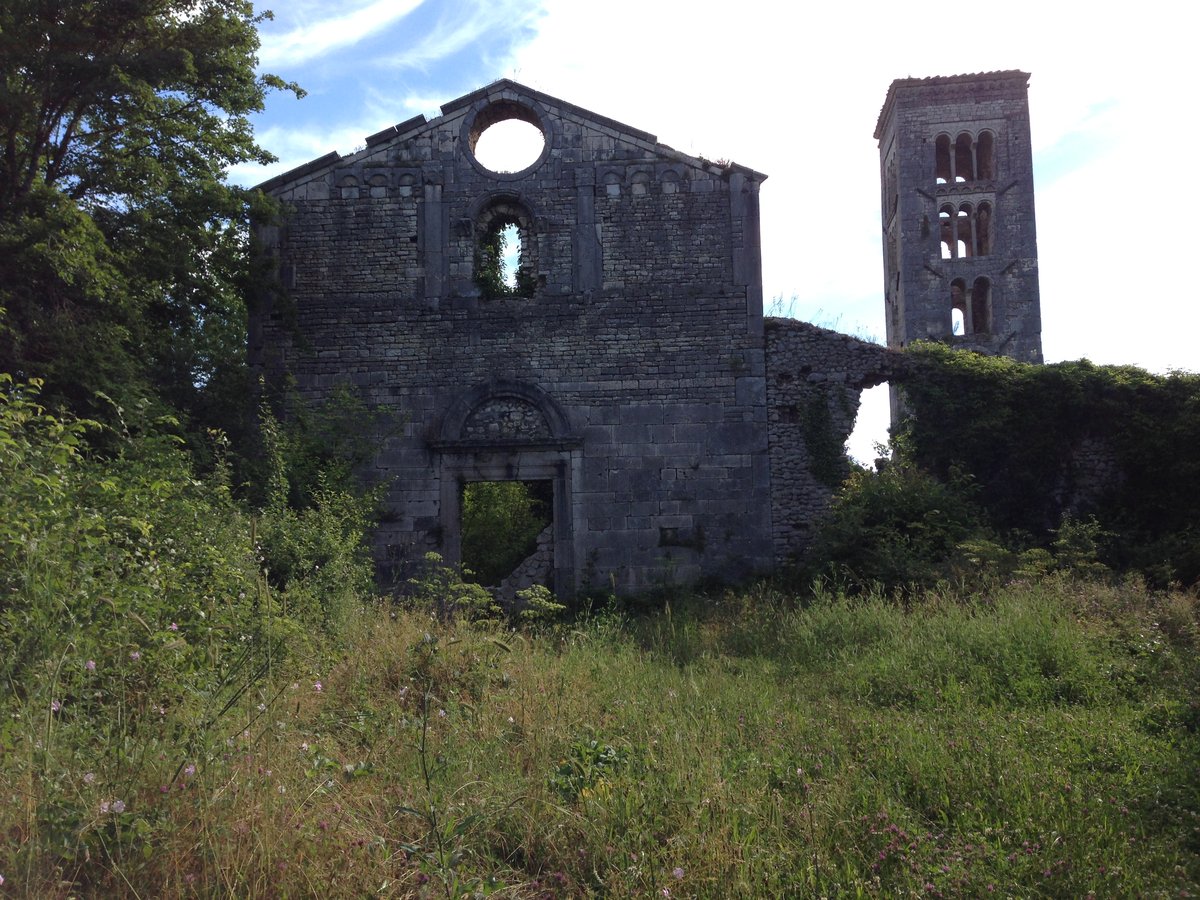
 San Martino Abbey in Fara in Sabina is one of those places that strikes you with its Romanesque simplicity and timeless atmosphere. Arriving from Fara's historic center, you immediately spot its bell tower rising among the olive trees—a silent call inviting discovery. Founded in the 10th century by Benedictine monks, the abbey still preserves its original structure with a three-nave church and semicircular apse. Upon entering, the painted starry sky on the presbytery vault catches your eye—a rare detail that captivates and speaks of centuries of devotion. The decorated capitals with vegetal motifs and zoomorphic figures are another highlight, showcasing the skill of medieval artisans. For centuries, the abbey was an important spiritual and cultural center of Sabina, a reference point for pilgrims traveling the paths of faith. Today, visiting it means immersing yourself in an atmosphere of peace, far from chaos, where time seems to have stood still. The cloister, though partially preserved, offers evocative corners with its rounded arches and central well. During holidays, the abbey comes alive with celebrations and concerts of sacred music that enhance the natural acoustics of the spaces. For history and art lovers, it's a key piece to understanding the heritage of Rieti province—a place that authentically blends spirituality and beauty.
San Martino Abbey
Trebula Mutuesca
- Go to the page: Trebula Mutuesca: Roman Theater, Baths, and Ancient Cisterns in Sabina
- Strada provinciale 35 Monteleone - Oliveto - Turanense, Monteleone Sabino (RI)
- Open in Google Maps
- View on Google Images
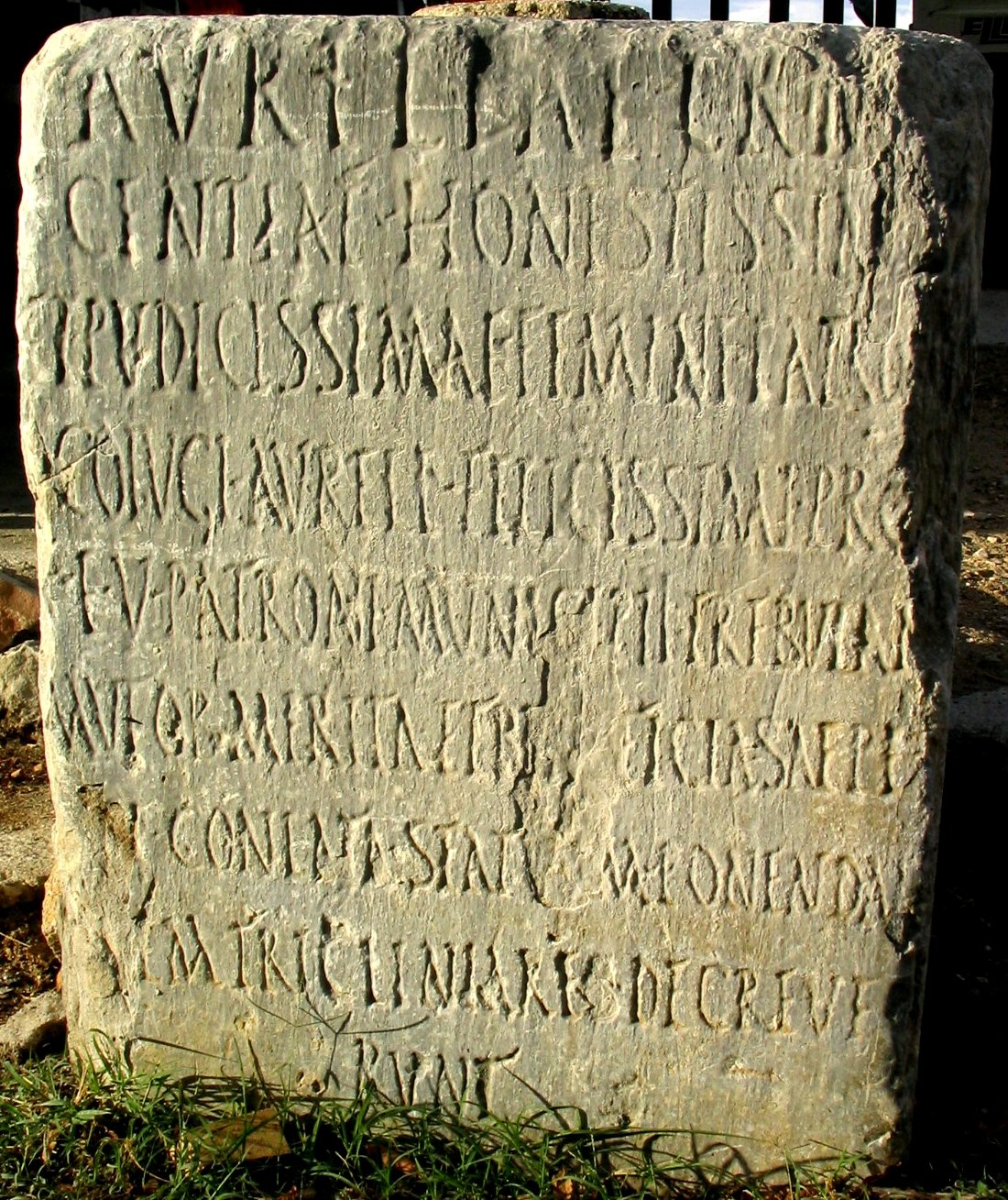 If you're looking for a place where history comes alive without too much fuss, Trebula Mutuesca is the perfect answer. This archaeological site in Monteleone Sabino catapults you straight into the era of the Sabines, with remains that speak clearly: people lived, traded, and worshipped here. The heart of the site is the Roman amphitheatre, one of the best preserved in northern Lazio, which lets you imagine gladiator battles watched by thousands of spectators. Nearby, the remains of the public baths show how the Romans loved to relax, with heating systems still visible. But it's not just Roman stuff: the Sanctuary of Feronia, the Sabine goddess of fertility, tells you about the ancient roots of this people. Walking along the dirt paths, you'll come across the foundations of houses and shops that give you a sense of daily life. The best part? Entry is free and you can explore freely, without mandatory guides. Bring water and comfortable shoes because the terrain is uneven. If you want to learn more, the information panels explain clearly what you're looking at. Note: it gets hot in summer, so it's better to visit early in the morning or late afternoon. A practical tip: park in the designated area at the entrance and then proceed on foot. Don't expect food services on site, plan ahead.
Trebula Mutuesca
Santa Maria del Piano
- Strada Comunale per Petescia, Pozzaglia Sabina (RI)
- Open in Google Maps
- View on Google Images
 If you're looking for a place that makes you feel far from the chaos and the passage of time, Santa Maria del Piano in Pozzaglia Sabina is the perfect answer. This small 12th-century Romanesque church stands isolated in the countryside, surrounded by gentle hills dotted with olive trees. Its solitary location is no accident: it was an important stopping point for pilgrims traveling along the ancient Via Francigena del Sud. The exterior made of local stone retains its medieval charm intact, with its simple façade and the bell gable rising against the sky. Upon entering, you're immediately struck by the intimate, almost mystical atmosphere. The single-nave interior preserves traces of 14th-century frescoes, though time has faded their colors. What's most impressive is the silence: here you hear nothing but the wind through the trees and perhaps the distant bell of a sheep. The church has been recently restored, but without altering its essence. It's worth taking a closer look at the semicircular apse and the architectural details that tell centuries of Sabine history. Don't expect fixed opening hours: the church is often closed, but you can simply ask the Pozzaglia Sabina town hall for information to organize your visit. The best time? An autumn afternoon, when the warm light enhances the colors of the stone and the hills turn golden.
Santa Maria del Piano
Basilica of Sant'Agostino
- Go to the page: Basilica of Sant'Agostino Rieti: 14th-century frescoes and Vignola's cloister
- Via Nuova, Rieti (RI)
- Open in Google Maps
- View on Google Images
 The Basilica of Sant'Agostino stands majestically in the historic center of Rieti, a Gothic masterpiece that immediately captures attention with its facade of local stone. Upon entering, you're enveloped in an atmosphere of sacredness and history: the single-nave interior preserves 14th-century frescoes of rare beauty, among which those from the Umbrian-Marchigian school stand out. The right chapel houses the funerary monument of Giovanni da Rieti, a sculptural work that testifies to the basilica's importance in medieval city life. Don't miss the adjacent cloister, a peaceful corner where time seems to have stood still, with pointed arches and a central well that tells centuries of Franciscan history. The basilica was founded in the 13th century and later expanded, becoming a reference point for the Augustinian order. Today, in addition to religious functions, it occasionally hosts sacred music concerts that enhance the building's exceptional acoustics. The location is strategic: just steps from Piazza San Rufo and the Cathedral, perfect for including in a walking itinerary through the heart of Rieti. Admission is free, but check the opening hours which may vary during holidays.
Basilica of Sant'Agostino
Arch of Bonifacio VIII
- Via dell'Episcopio, Rieti (RI)
- Open in Google Maps
- View on Google Images
 The Arch of Bonifacio VIII is located in the heart of Rieti's historic center, right along Via Roma, and is one of the city's most significant monuments. This Gothic arch dates back to the 13th century and was built to celebrate Pope Bonifacio VIII's visit in 1298. It's not just a simple passageway, but a symbol of papal power in the Sabina region. The structure, made of local stone, features a pointed arch typical of medieval architecture, with sober yet elegant decorations that recall Rieti's strategic importance as a border city between the Papal States and the Kingdom of Naples. Walking under the arch means literally stepping through history: pilgrims, merchants, and armies once passed through here, and it still connects two fundamental parts of the city center today. The location is perfect for a quick visit during a historic center tour - it's just steps away from the Cathedral and Piazza San Rufo, considered the geographical center of Italy. The arch is always accessible and free, and when illuminated at night, it creates a particularly evocative atmosphere. For those visiting Rieti, it's an essential stop to understand the city's urban evolution and its role in Italian medieval history. The dark stone and slender forms of the arch contrast beautifully with the surrounding buildings, offering excellent photo opportunities both during the day and with evening lighting.
Arch of Bonifacio VIII
Civic Museum - Historical-Artistic Section
- Go to the page: Rieti Civic Museum: Art from the Middle Ages to the Nineteenth Century in the Heart of Sabina
- Via Pescheria, Rieti (RI)
- Open in Google Maps
- View on Google Images
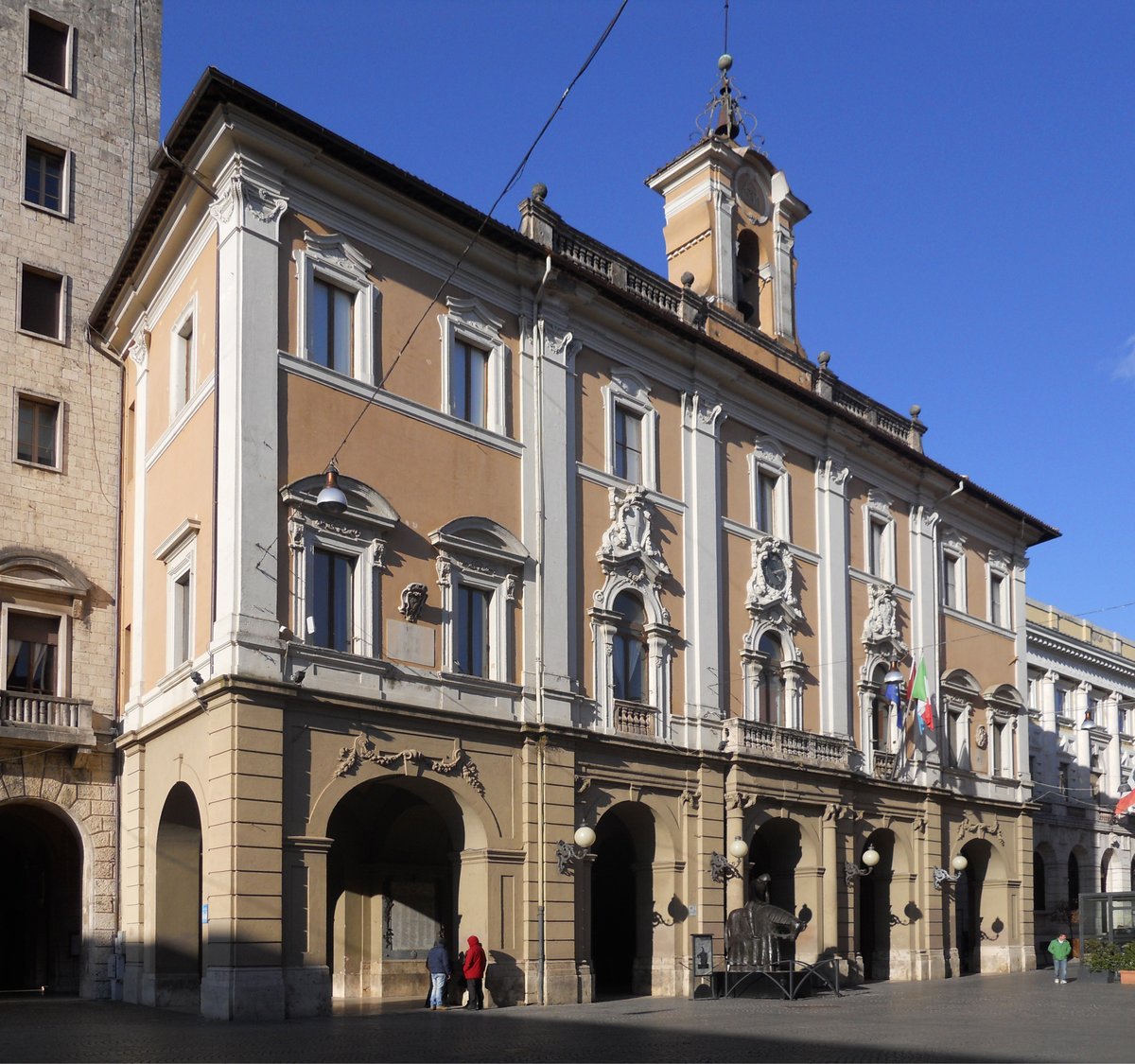 The Civic Museum - Historical-Artistic Section in Rieti is a true hidden gem in the city's historic center, housed within the Town Hall. Here you won't just find a collection of artworks, but a genuine journey through the history of the Sabina reatina region. The historical-artistic section stands out for its collection of panel and canvas paintings ranging from the Middle Ages to the Renaissance, with works by local artists and masters active in the territory. Among the most significant pieces are the 13th and 14th-century panels that testify to the artistic vitality of the area during the communal period. Particularly interesting is the collection of polychrome wooden sculptures and sacred goldsmithing, which allow visitors to understand the evolution of tastes and artistic techniques over the centuries. The museum visit also offers the opportunity to admire artifacts that tell the story of Rieti as a border city of the Papal State, with documents and objects illustrating the relations with papal power. There are also works by lesser-known Rieti artists of great documentary value, completing the picture of a rich and articulated local artistic production. The exhibition is designed to guide visitors through a chronological and thematic path, making the visit accessible even to non-art experts.
Civic Museum - Historical-Artistic Section
Franciscan Sanctuary of Santa Maria della Foresta
- Go to the page: Santa Maria della Foresta Sanctuary: Where Saint Francis Received the Stigmata in 1224
- Via Foresta, Rieti (RI)
- Open in Google Maps
- View on Google Images
 The Franciscan Sanctuary of Santa Maria della Foresta is one of those places where you can feel history in the very stones. Located in Rieti, this sanctuary is inextricably linked to Saint Francis of Assisi, who stayed here in 1225 during a period of illness. It is precisely here that, according to tradition, the saint composed part of the famous Canticle of the Creatures, dictating it to his brothers while confined to bed. The building preserves an atmosphere of authentic Franciscan spirituality, with its simple and intimate architecture. Inside, the Chapel of Saint Francis stands out, where you'll find the saint's original bed—a simple straw mattress that recalls his choice of radical poverty. The adjacent cloister, with its central well and stone arches, invites meditation and contemplation. The church, dedicated to Saint Mary, houses 14th-century frescoes depicting episodes from the life of Francis and the Virgin. One striking detail is the forest of ancient oak trees surrounding the complex, the same forest that inspired the saint to celebrate nature as a divine work. Admission is free and accessible year-round, but I recommend checking the opening hours, especially if you wish to attend the Franciscan Masses regularly celebrated here. For those seeking an experience away from the more crowded circuits, this sanctuary offers a plunge into the most authentic spirituality, far from noise and haste.
Franciscan Sanctuary of Santa Maria della Foresta
Baccelli Tower
- Strada degli Inglesi, Fara in Sabina (RI)
- Open in Google Maps
- View on Google Images
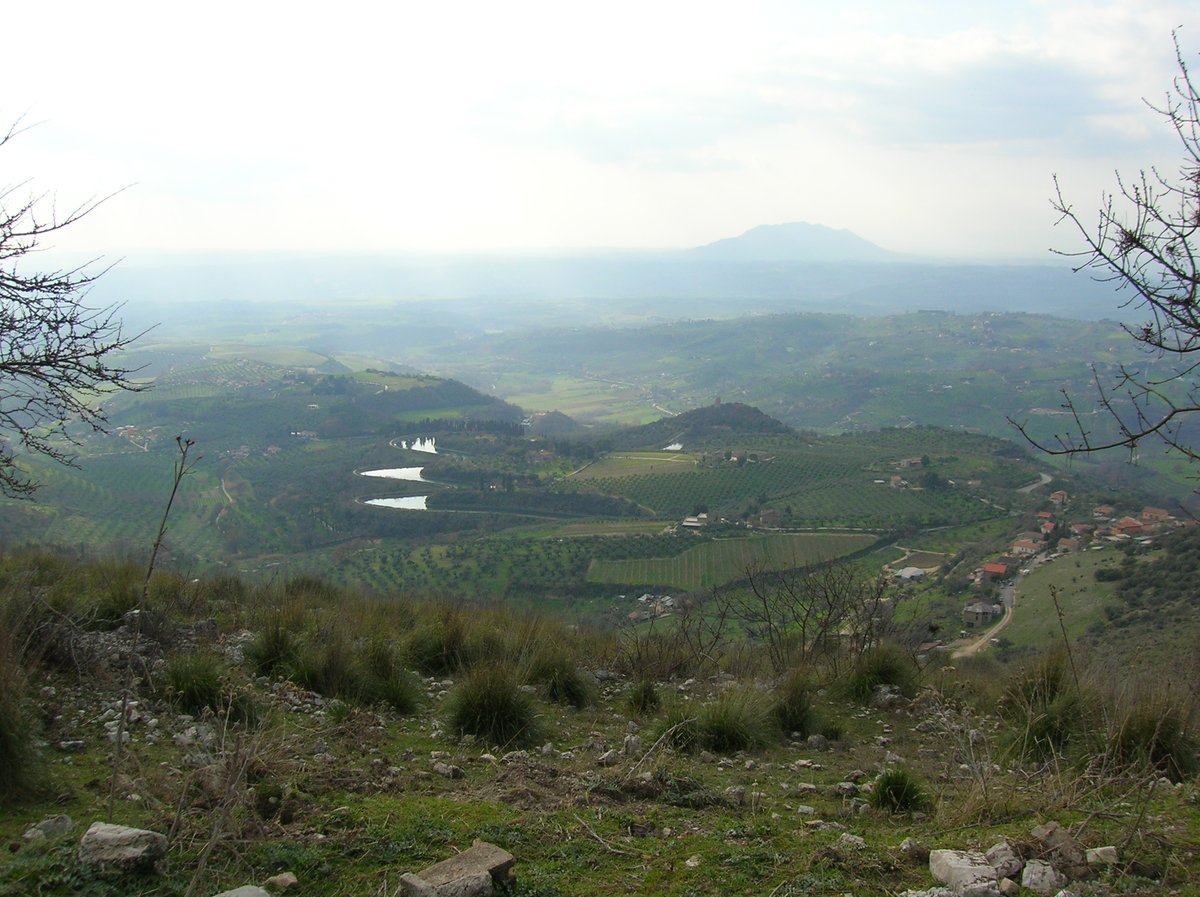 Arriving in Fara in Sabina, Baccelli Tower stands imposingly against the landscape, a stone sentinel recounting centuries of Sabine history. This medieval tower, built between the 12th and 13th centuries, was part of the defensive system of the ancient castrum of Fara. Its strategic position is evident: it dominates the entire Tiber Valley offering a breathtaking view that stretches from the Sabine Hills all the way to Rome on the clearest days. The structure, made of local stone, retains its austere charm intact despite the centuries. Climbing up to the tower is an experience worth the effort: you follow a path through centuries-old olive groves, typical of this area famous for Sabina DOP olive oil. Once you reach the base, you can admire up close the medieval military architecture, with arrow slits still visible and the remains of perimeter walls. Access is free year-round, but the best time to visit is at sunset, when the warm sunlight enhances the stone colors and creates spectacular shadow plays. Bring a camera because the panoramas enjoyed from here are among the most beautiful in all of Sabina. The tower is located a short distance from the historic center of Fara in Sabina, reachable with a pleasant 15-minute walk through characteristic alleyways.
Baccelli Tower
Res Publica Aequiculorum
- Salto Cicolana vecchia, Pagliara (RI)
- Open in Google Maps
- View on Google Images
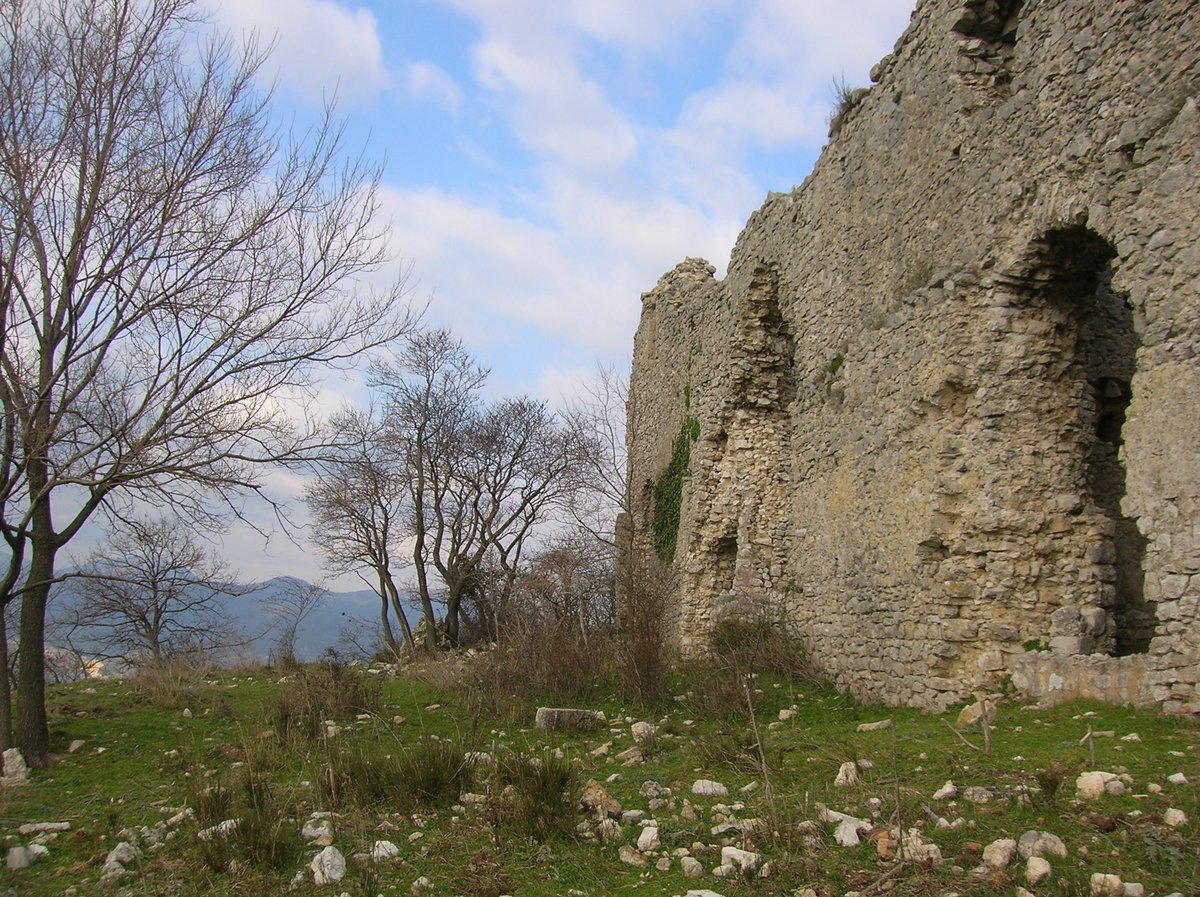
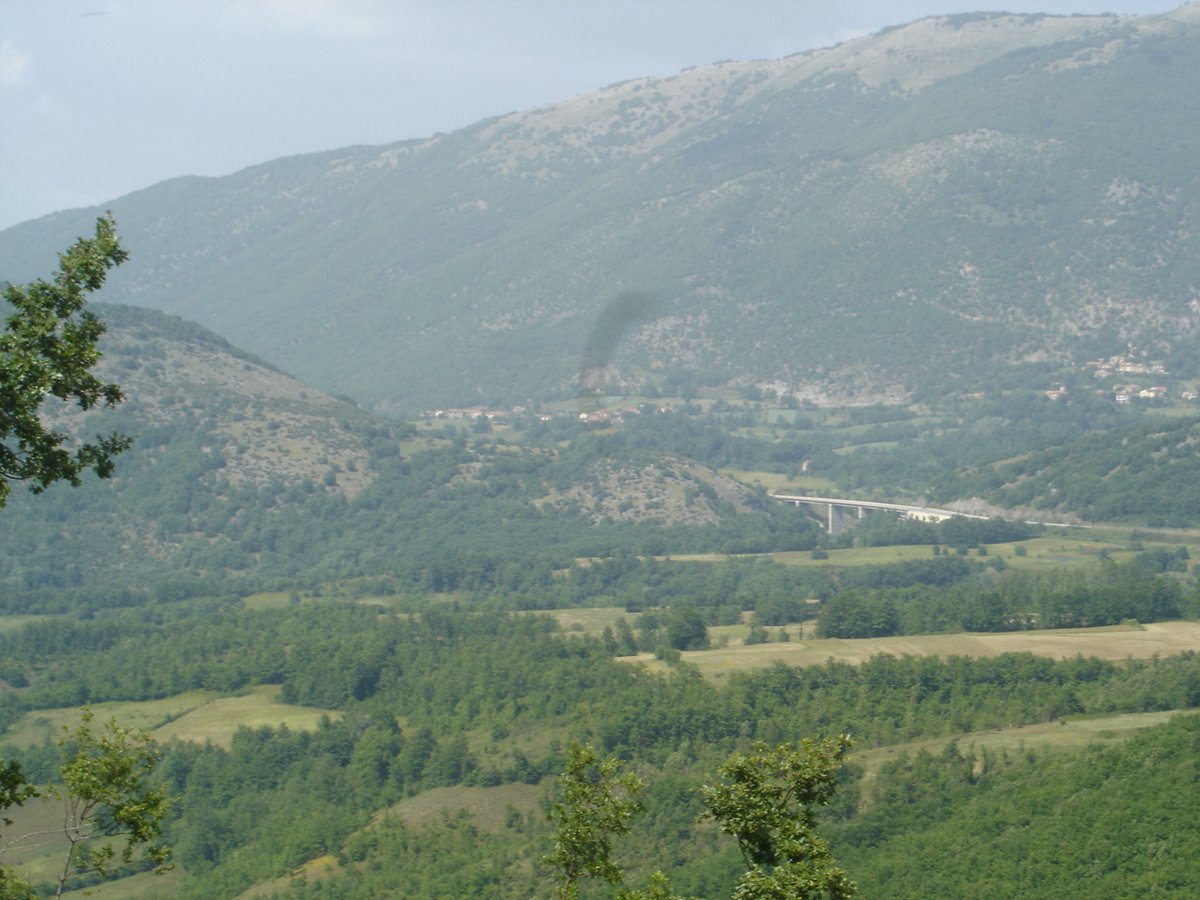 If you're looking for a place where history comes alive far from the beaten tourist paths, Res Publica Aequiculorum is the perfect answer. This archaeological site, located in the Pagliara hamlet of Rocca Sinibalda municipality, takes you straight to the heart of the ancient territory of the Aequi, an Italic people who profoundly shaped this area of Sabina. The ruins stand on a hill at about 700 meters above sea level, offering not just a journey through time but also breathtaking views over the Turano Valley. Walking among the settlement remains, you can still recognize traces of the original urban layout, with house foundations and road networks that speak of an organized and thriving community. The area has been definitively identified as the ancient city of Aequiculi, mentioned by classical authors like Pliny the Elder, and excavations have uncovered artifacts dating from the 4th century BC to the Roman Imperial era. The site's strategic position, dominating the valley, immediately makes you understand why the Aequi chose this very spot to settle: visual control over the territory was total. Today, visiting Res Publica Aequiculorum means immersing yourself in an atmosphere of quiet discovery, far from the crowds, where every stone has a story to tell. The site is freely accessible and represents an unmissable stop for anyone wanting to delve deeper into the ancient history of the Rieti area, touching the pre-Roman roots of this land with their own hands.
Res Publica Aequiculorum