
If you only have one day to discover Benevento, this historical itinerary will take you through the Roman and medieval treasures of the city center. Starting from the imposing Trajan's Arch, the city's symbol, you'll cross through the streets of the historic center to admire the Rocca dei Rettori and the Cathedral with its Romanesque facade. The next stop is the perfectly preserved Roman Theater, concluding at the Leprous Bridge, an ancient Roman bridge over the Sabato River. A walking route that in just a few hours will let you experience 2000 years of history, ideal for those seeking a fascinating historical itinerary in Benevento without wasting time. All sites are just minutes' walk from each other, perfect for an intensive yet pleasant visit.
🗺️ Your trip at a glance
This walking itinerary guides you through 2000 years of history in Benevento's compact historic center, from the Roman era to the medieval period. In one day, you'll discover 8 main stops, all reachable on foot in an intense yet pleasant route.
- Ideal for travelers with limited time seeking an intensive cultural experience and an urban walk through the historic center.
- Key features: walking route with 8 historical stops, from the Roman period (Trajan's Arch, Ponte Leproso) to the Middle Ages (Rocca dei Rettori, UNESCO-listed Church of Santa Sofia), with an interactive map included.
- Perfect for those who want to experience the historical essence of Benevento in just one day, combining art, architecture, and an immersive visit without car travel.
Itinerary stops
Stop no. 1
Arch of Trajan
 The Arch of Trajan in Benevento welcomes you at the start of the historical itinerary, located on Via Port'Aurea. This monument from 114 AD, erected to celebrate Emperor Trajan and the opening of the Via Traiana, is one of the best-preserved Roman arches in the world. Look closely at the reliefs depicting scenes of public and military life, such as the distribution of grain to children and the emperor's victories. Its strategic position marked the entrance to the ancient city, offering an immediate immersion into Roman Benevento. Perfect for a first stop, it allows you to appreciate the architectural details without crowds, with the white marble gleaming in the morning sun. I recommend noting the Latin inscriptions and mythological figures, which reveal stories of power and devotion.
- Go to the page: Trajan's Arch in Benevento: Intact Marble Reliefs and Free Admission
- Via Port'Aurea, Benevento (BN)
- Open in Google Maps
- View on Google Images

You should go if...
Stop no. 2
Church of Sant'Ilario at Port'Aurea
 Leaving the grandeur of Trajan's Arch behind, you venture into Via San Pasquale to discover the Church of Sant'Ilario at Port'Aurea, a place that tells centuries of Benevento's history. Built in the 12th century, this church stands right next to the Porta Aurea, the ancient entrance to the Roman city. The exterior, in Romanesque style, impresses with its simplicity and the recycled Roman-era materials used in its construction. Inside, the atmosphere is intimate: you can admire medieval frescoes that narrate sacred stories, some well-preserved despite the passage of time. Its location, just steps from the Arch, makes it a must-see stop for those wanting to understand the historical layering of Benevento, where the Roman and medieval eras blend together. It's a corner of tranquility, perfect for a reflective pause during your exploration of the city center.
- Via San Pasquale, Benevento (BN)
- Open in Google Maps
- View on Google Images
You should go if...
Stop no. 3
Samnium Museum
 After admiring the sober elegance of Sant'Ilario, head to Piazza Arechi II to discover the Samnium Museum, guardian of this land's historical memory. Housed in the former monastery of Santa Sofia, the museum offers a fascinating journey through different sections: archaeology with Roman artifacts like the Isis Obelisk and the Apis Bull, medieval history with Lombard documents, and the historical-artistic section with works from the Middle Ages to the 19th century. There's also an area dedicated to the Witches of Benevento, which tells local legends. It's a place where every room reveals a piece of the past, perfect for those who want to delve into the complex identity of Samnium, between reality and myth.
- Piazza Arechi II, Benevento (BN)
- Open in Google Maps
- View on Google Images
You should go if...
Stop no. 4
Church of Santa Sofia
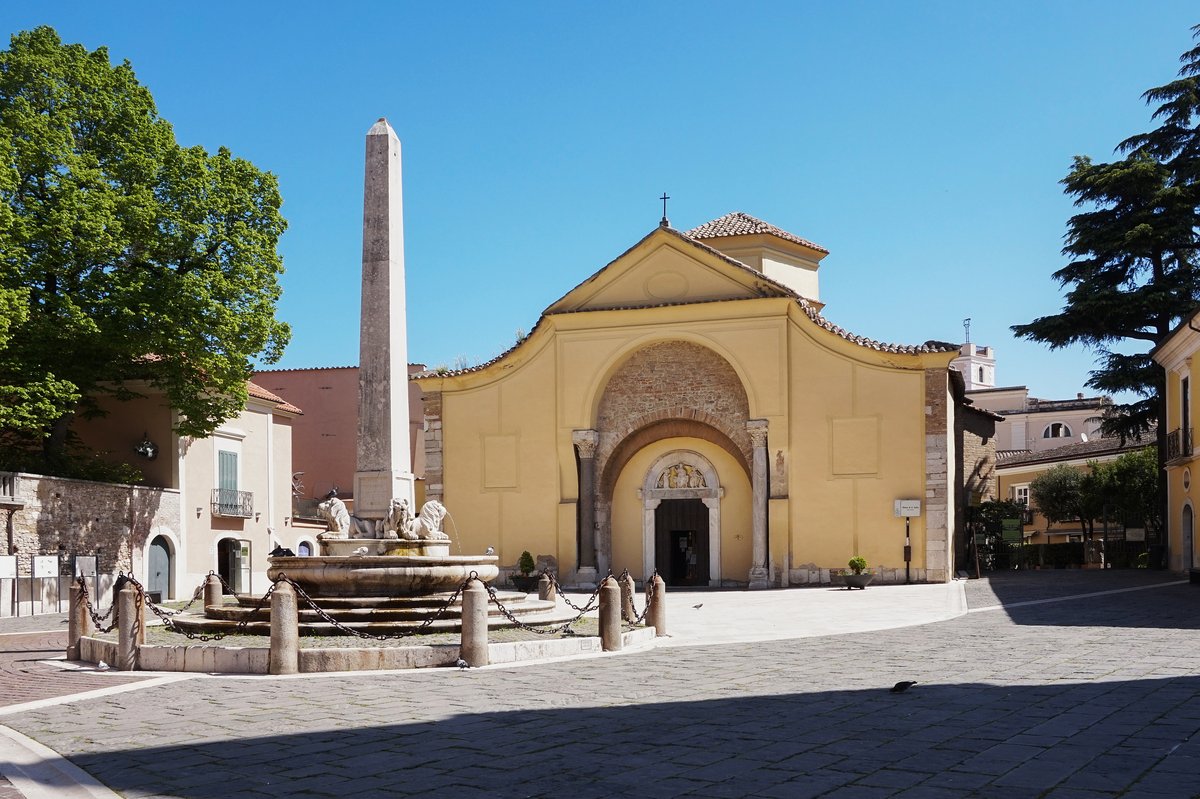 Leaving behind the collections of the Sannio Museum, one immerses themselves in the spirituality of the Church of Santa Sofia, a UNESCO World Heritage site since 2011. This Lombard masterpiece, built in 760 AD by Duke Arechis II, astonishes with its unique star-shaped layout in Italy, featuring an ambulatory that encircles the central altar. Inside, thirteenth-century frescoes narrate biblical stories, while the adjacent cloister, with its paired columns, invites contemplation. The church, part of the monastic complex, is an exceptional example of early medieval architecture, where every detail tells the story of the fusion between Lombard culture and classical tradition. A place that exudes an intimate atmosphere, perfect for a moment of reflection during your exploration of the historic center.
- Go to the page: Church of Santa Sofia in Benevento: Lombard Star-Shaped Plan and Medieval UNESCO Frescoes
- Piazza Giacomo Matteotti, Benevento (BN)
- Open in Google Maps
- View on Google Images
You should go if...
Stop no. 5
Rocca dei Rettori
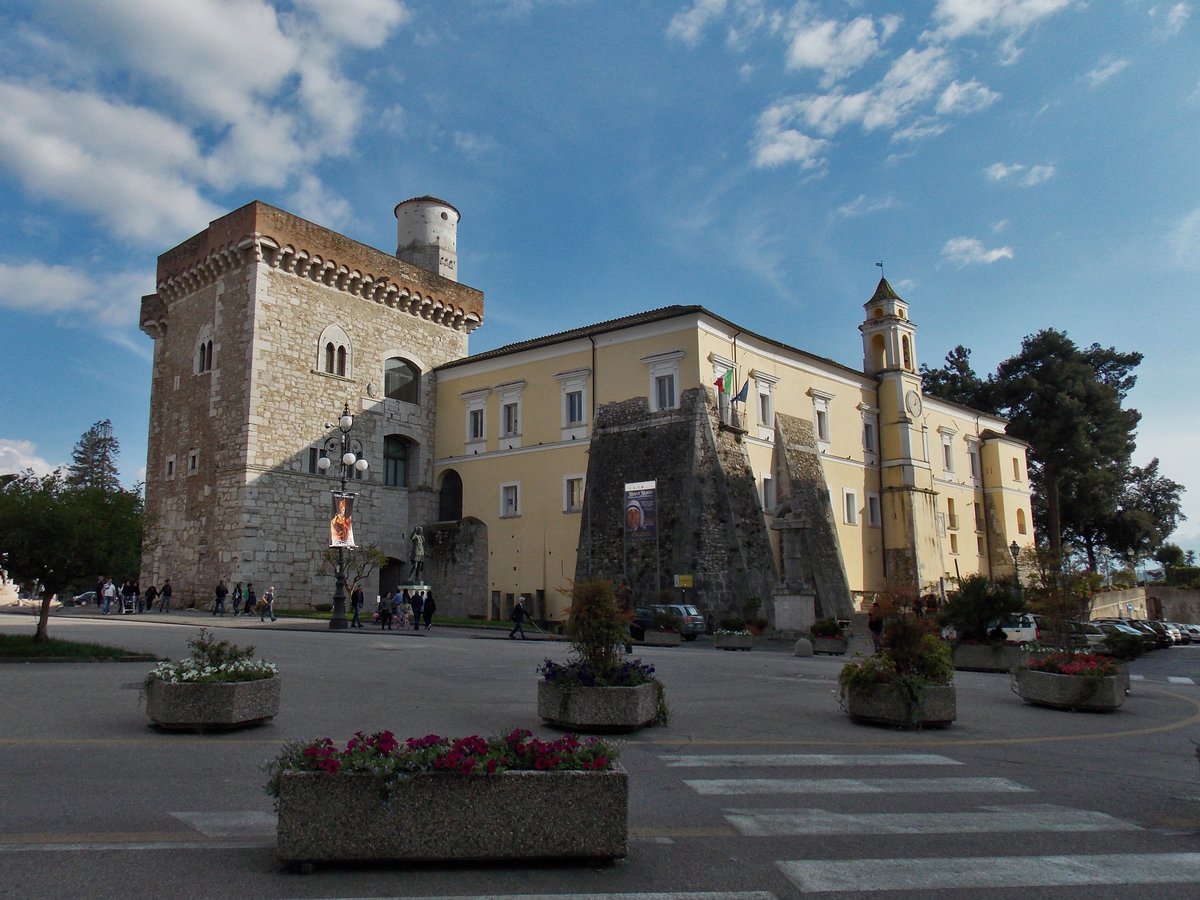 Ascending towards Piazza Castello, you'll reach the Rocca dei Rettori, an imposing fortress that has shaped Benevento's history. Built in 1321 by order of Pope John XXII, this stronghold represents papal authority over the territory. The structure, with its massive walls and corner towers, offers exceptional panoramic views of the city and surrounding hills. Today it houses the Historical Section of the Sannio Museum, with artifacts recounting the province's events from Italian unification to World War II. Climbing to its terraces allows visitors to appreciate medieval military architecture and understand the strategic importance of this site, which for centuries controlled access to the city center.
- Piazza Castello, Benevento (BN)
- Open in Google Maps
- View on Google Images
You should go if...
Stop no. 6
Archbishop's Palace
 Leaving the Rocca dei Rettori behind, one immerses themselves in the religious atmosphere of Benevento by reaching the Archbishop's Palace on Via Episcopio. This building, the seat of the archbishopric, has represented the focal point of the city's ecclesiastical power since the Middle Ages. The current structure, the result of subsequent renovations, preserves architectural elements that tell centuries of religious history. Inside, visitors can admire frescoed halls and a historical archive with documents that testify to the importance of the diocese in the regional context. The facade, sober yet elegant, overlooks an inner courtyard that invites reflection. Visiting this palace allows one to understand how faith has shaped Benevento's identity, offering an intimate glimpse into the institutions that have guided the community.
- Via Episcopio, Benevento (BN)
- Open in Google Maps
- View on Google Images
You should go if...
Stop no. 7
Fountain of the Chains
 After leaving the Archbishop's Palace, head towards Piazza Orsini to discover the Fountain of the Chains, a Baroque monument that captures attention with its elegance. Built in the 18th century, this fountain owes its name to the chains that once marked the surrounding area, now disappeared but remembered in local tradition. The structure, made of limestone, features bas-reliefs and sculptural decorations depicting floral motifs and heraldic symbols, showcasing the artistry of the period. Water flows from rococo-style masks, creating a relaxing background sound in a square often animated by local events. It's an ideal spot for a break during your itinerary, offering a glimpse into the daily life of Benevento. Its central location makes it easily accessible, allowing visitors to admire how public art has beautified the city over time.
- Piazza Orsini, Benevento (BN)
- Open in Google Maps
- View on Google Images
You should go if...
Stop no. 8
Leprous Bridge
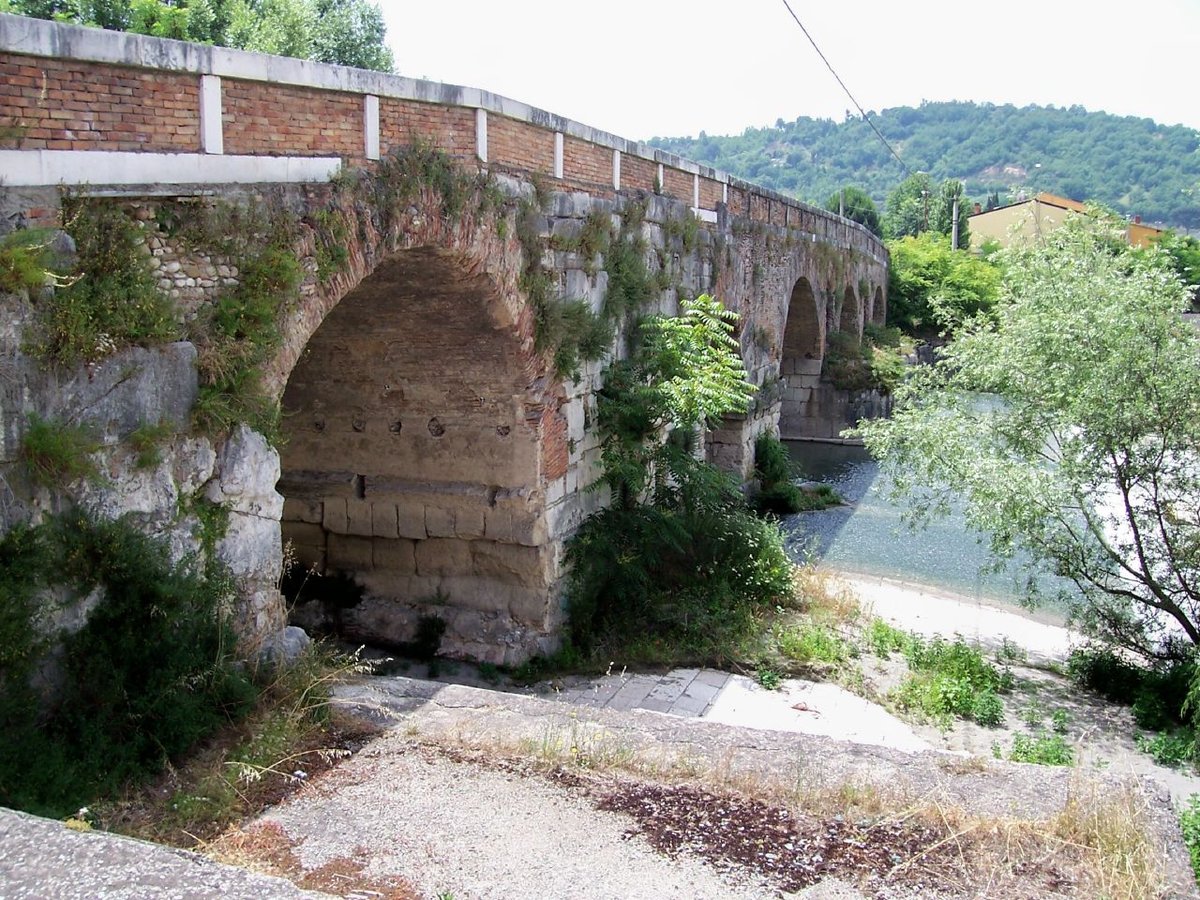 Arriving at the Leprous Bridge, you find yourself before a structure that tells centuries of Benevento's history. This Roman bridge, originally built in the 2nd century BC along the Via Appia, owes its name to a medieval leprosarium that stood nearby. Constructed with travertine blocks, it features three arches that still span the Sabato River today, showing signs of time and numerous restorations. Roman architecture blends with later interventions, creating a unique atmosphere where the ancient converses with the surrounding landscape. Walking across the bridge offers a suggestive view of the watercourse and the surrounding vegetation, allowing you to imagine the travelers who passed through here in antiquity. It's a quiet and secluded place, away from the city chaos, ideal for reflecting on the city's past.
- Via Ponte Leproso, Benevento (BN)
- Open in Google Maps
- View on Google Images
You should go if...