Introduction
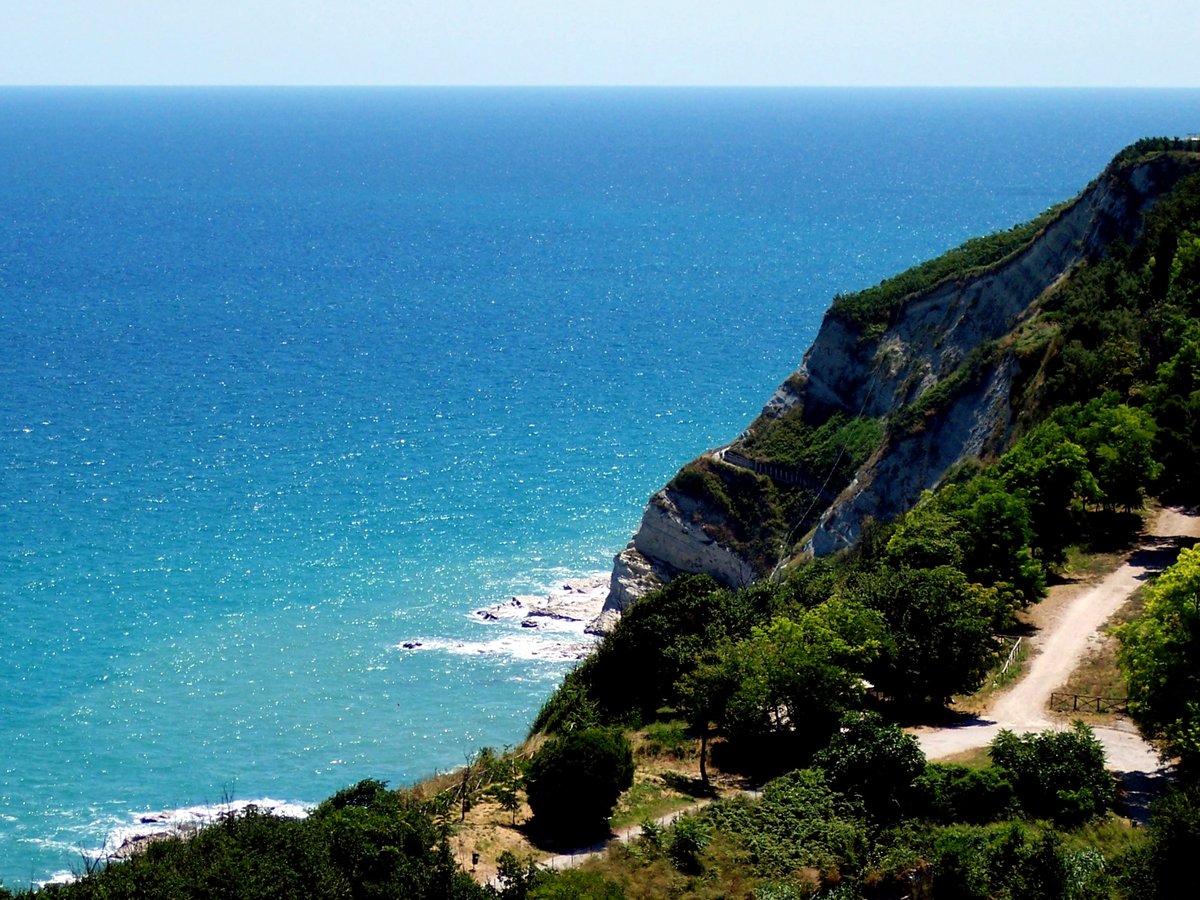
The Parco del Cardeto ‘Franco Scataglini’ is more than just a park: it’s a natural balcony overlooking Ancona and the Adriatic that takes your breath away. As soon as you climb up, you immediately realize you’re in a special place: on one side, the blue sea that seems endless; on the other, the city climbing up the hills. The feeling is one of being suspended between sky and water, with a salty breeze accompanying you along the paths. It’s not just a green space, but a place where history and nature embrace in a surprising way. I’ve returned several times, and each time I discover a new corner or a slightly different panorama, depending on the light. Perfect for escaping the chaos of the city center, which is just a stone’s throw away, but here it feels like being in another world. The atmosphere is relaxed, almost contemplative, ideal for a leisurely stroll or reading a book in the shade of a pine tree.
Historical Notes
This park conceals a fascinating military past. In the 19th century, Austrian and later Italian fortifications stood here to defend the port of Ancona.
Forte Altavilla and the Cardeto Bastion are the most evident witnesses: massive stone structures that seem to emerge from the earth, now draped in ivy. In 2000, the area was reclaimed and dedicated to the Marche poet Franco Scataglini, thus linking culture and memory. Walking among the bastions, you can still sense an air of vigilance, now softened by greenery. I like to think that those cannons once aimed at the sea now only watch sunsets. A brief timeline:
- 19th century: construction of Austrian and Italian fortifications
- Subsequent centuries: military use until decline
- 2000: conversion into a public park and dedication to Franco Scataglini
Between Fortresses and Panoramas
The true magic of Cardeto lies in its unique blend of military architecture and breathtaking views. The main trail leads you to discover Forte Altavilla, with its thick walls and silent cannons that seem to still be waiting. Climbing up, you reach the highest point, where the gaze stretches from Monte Conero to the harbor, with ships that look like toys. I lost myself several times observing the details: the arrow slits in the walls, the worn stone steps, the historical graffiti left by soldiers. It’s a place that invites exploration, not just walking. I recommend bringing a camera: the afternoon light, especially in summer, creates spectacular shadow plays on the fortifications. And if you’re lucky, you might spot a falcon gliding over the sea, adding a touch of wilderness.
Nature Reclaims Its Space
Despite its wartime history, nature has surprisingly reclaimed its space. The park is a haven for biodiversity, with Mediterranean plants and wild animals. I’ve seen blooming broom bushes that scent the air in spring, and centuries-old oaks that provide shade on the hottest days. Among the vegetation, hares and hedgehogs hide, and they say you can hear owls at night. Personally, I love the wilder areas where the paths narrow and the city noise fades away. It’s a beautiful example of how an abandoned area can be reborn without losing its soul. Sometimes, I stop to sit on a bench and just listen to the wind through the trees: free therapy against stress. Be careful, though: in some parts the terrain is steep, so comfortable shoes are best.
Why Visit It
Three concrete reasons not to miss it. First: the views of the Adriatic Sea are among the most beautiful on the Marche coast, with a 180-degree panorama that includes Monte Conero and the distant islands. Second: it’s an open-air museum of Ancona’s military history, accessible to all without an entrance fee. Third: it offers a unique urban nature experience, perfect for a refreshing break without leaving the city. I go there when I need to clear my mind, and it always works.
When to Go
The best time? Summer sunset, when the sun sets over the sea, painting everything in orange and pink. The atmosphere becomes magical, with the breeze turning cooler and the city lights starting to twinkle. In winter, clear days after rain offer crystal-clear views, though the wind can be biting. I avoid the midday hours in summer because the exposure is total and shade is scarce. In spring, with flowers in bloom, it’s another experience—more delicate and fragrant.
In the Surroundings
If you enjoyed the mix of history and nature, continue with the visit to Passetto, Ancona’s urban beach with its caves and staircases carved into the rock. It’s just a few minutes’ walk from the park and perfectly complements the coastal experience. Alternatively, explore Ancona’s historic center, with the Cathedral of San Ciriaco dominating the hill: another unmissable panoramic spot, linked to the city’s maritime tradition.