Piombino Castle: Seaside Fortress with Breathtaking Views

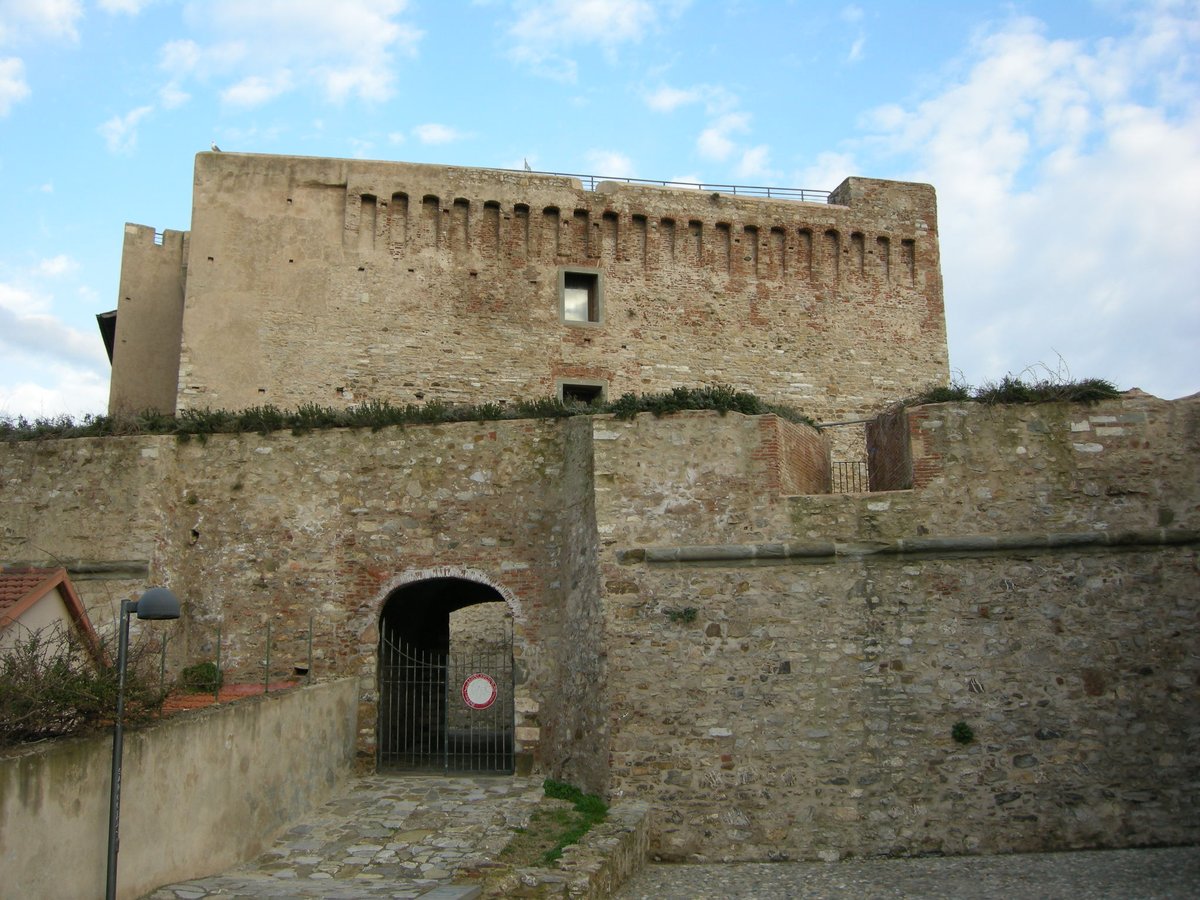
Piombino Castle dominates the gulf with its sturdy walls and crenellated towers, a defensive bulwark commissioned by the Medici in the 16th century. Today it can be visited independently or with a guide: walk along the ramparts to enjoy a 360° view of the Tuscan Archipelago. Inside, the Castle Museum houses Etruscan and Roman artifacts, while the Hanging Garden is a peaceful corner with Mediterranean plants.
Panoramic Towers: from the Keep to the Belvedere Tower, unique views of Elba and Corsica
Archaeological Museum: collection of pottery and coins from the Etruscan period to the Middle Ages
Castle Wood: green area equipped for picnics and walks
Summer Events: concerts and theater performances in the courtyard of honor


Events nearby


Copertina itinerario Piombino Castle: Seaside Fortress with Breathtaking Views
An imposing Medici fortress overlooking the sea, Piombino Castle offers panoramic towers, an archaeological museum, and a Mediterranean grove.

Good to know


Evocative Introduction

Imagine standing on a cliff plunging into the blue of the Tyrrhenian Sea. The Castle of Piombino looks at you, imposing and silent, like a centuries-old guardian. The salty breeze caresses you as you climb towards its walls. This is not just another castle: here the sea is the protagonist, and the view stretches from Elba to Corsica on the clearest days. Entering means diving into history, but also enjoying a breathtaking panorama.

Historical Notes

The Castle of Piombino has medieval origins, but owes its current form to the Medici, who transformed it into a military fortress in the 16th century. Passed through lordships such as the Appiani and the Spanish, it guarded the border of the Grand Duchy of Tuscany for centuries. Today, after restoration, it houses the Castle Museum and an archaeological trail. Here are the key moments:

  • 12th century – first Pisan fortification
  • 1557 – Cosimo I de’ Medici begins reconstruction
  • 1801 – Napoleon cedes it to the Principality of Lucca and Piombino
  • 1990 – restoration and opening to the public

Panoramic Towers and Museum

Climbing the towers is an experience I recommend to everyone. From the Mastio Tower, the tallest, you can take in the entire gulf: the port of Piombino, the island of Elba, and if the sky is clear, even Corsica. Inside, the Castle Museum tells the story of the area with archaeological finds from prehistory to the Middle Ages. Don’t expect a boring setup: there are interactive displays and clear panels. Fun fact: beneath the castle lies a network of tunnels that can be visited, a system of military galleries.

The Mediterranean Wood Around

The castle is not just stone: it is immersed in a small wood of holm oaks and Mediterranean scrub, with trails winding through the scents of aromatic herbs. Walking here is a sensory experience, far from the chaos. You will come across secret spots, like a bench overlooking the sea, perfect for reading or simply thinking. For the more active, there are trekking routes connecting the fortress to the center of Piombino, passing through coves and cliffs.

Why Visit It

Beyond the breathtaking beauty, there are practical reasons: the entrance fee is cheap and you often avoid the crowds, even in high season. Plus, it’s one of the few Italian castles where you can sleep over (yes, there’s a small hostel/B&B in some restored rooms). If you’re a photography enthusiast, sunrise and sunset offer incredible colors, with few people around. And then, it’s a great base to explore the Tuscan archipelago.

When to Go

The best time? At sunset, when the sun dips into the sea and the walls glow gold. To avoid the heat, choose a late spring or early autumn afternoon. The castle is open year-round, but in winter the winds can be strong: bring a windbreaker and you’ll be rewarded with crisp light and very few crowds. If you’re lucky, you might see migrating fin whales offshore.

In the Surroundings

A short walk away, the historic center of Piombino is worth exploring, with its medieval alleys and Piazza Bovio, featuring a statue of Garibaldi. Don’t miss the Museo del Mare, which recounts maritime traditions. If you fancy a swim, head to Cala Moresca Beach, a pebble cove south of the port with crystal-clear waters. Nature lovers will enjoy Parco della Sterpaia, offering pine forests and sandy dunes.

Itineraries nearby


💡 Did You Know…?

Legend has it that a secret passage exists beneath the castle, connecting the fortress to the nearby Town Hall, used in medieval times for emergency escapes. It is said that a commander, besieged by the Pisans, managed to flee through that very tunnel. Although it is not open to visitors today, locals swear they have found its walled-up entrance in the cellars.