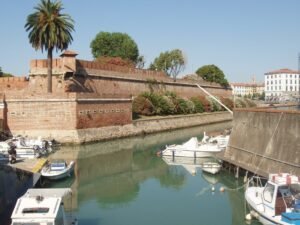
The province of Livorno offers a unique mix of sea, nature and culture. From authentic villages like Bolgheri and Campiglia Marittima to the white beaches of Elba Island, through the vineyards of Bolgheri and the trails of the Promontory of Piombino. Here are 4 unmissable attractions:
• Beaches and coves of Elba Island and the Etruscan Coast
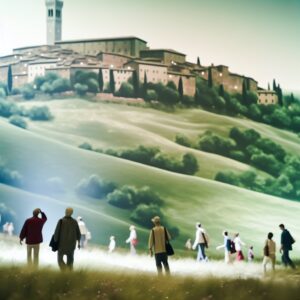
• Medieval villages like Campiglia Marittima and Suvereto
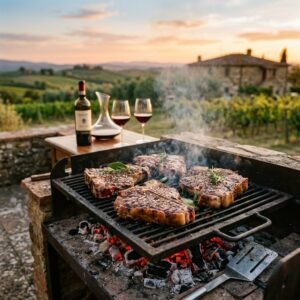
• Food and wine tastings between Bolgheri and Montescudaio
• Excursions in the Tuscan Archipelago National Park
Evocative Introduction
The province of Livorno is one of those surprises that catches you off guard. Not just a port city: as soon as you leave the center, the landscape changes drastically. On one side, the cliffs plunging into the sea at Castiglioncello; on the other, the vineyards of Bolgheri that look like they came out of a postcard. And then the islands: Capraia, Elba, Gorgona, each with its own soul. Here the sea smells of Mediterranean scrub and the villages tell stories of pirates and merchants. The best part? You can go from a beach to a winery in half an hour, and the next day be on a ferry to an island. It’s a place to be experienced without haste, savoring every contrast.
Historical Notes
Livorno’s history is written between the lines. Founded as a free port by the Medici in 1571, the city became a melting pot of cultures: Jews, Greeks, Armenians, Dutch. Ferdinando I de’ Medici issued the ‘Livornine Laws’ to attract merchants, resulting in a cosmopolitan center unique in Tuscany. In the 18th century, the Lorraine dynasty continued its development, making Livorno a vital port. During the unification of Italy, it was one of the kingdom’s most important ports. Today, the past is visible in neighborhoods like Venice Quarter and elegant monuments such as the Old Fortress.
Etruscan Coast: Beaches and Coves
The Etruscan Coast isn’t a continuous stretch of sand, but a mix of cliffs, hidden coves, and pine forests. From Castiglioncello to San Vincenzo, you’ll find beaches for every taste. In Castiglioncello, wind-sculpted rocks create natural pools—perfect for snorkeling. Further south, Rimigliano beach is a pale sand oasis within a nature reserve. Don’t expect umbrellas and loungers everywhere: many coves are free and only accessible on foot. Grab a rock and a good book, and the afternoon flies by between dives and sips of cool water.
Bolgheri and the Flavors of Maremma
Bolgheri is more than just a wine name. Perched on a hill, this medieval jewel of a village is famous for the cypress-lined avenue immortalized by poet Giosuè Carducci. In the village, the castle of the Della Gherardesca counts dominates the square. But the real reason people come here is food and wine: Bolgheri DOC (Sassicaia, Ornellaia, Guado al Tasso) has put this area on the map of great wines. Yet don’t stop at wine. The local cuisine is a surprise: cacciucco, tordelli, and traditional dry pastries. I recommend booking a winery tour with tasting, but also stopping at the market in Campiglia Marittima to buy cheeses and cured meats.
Why Visit
Because it’s one of the few areas in Tuscany where the sea isn’t just beaches, but also unspoiled nature. The Tuscan Archipelago (Elba, Capraia, Gorgona) is a short ferry ride away. Second reason: inland villages like Suvereto and Campiglia Marittima are authentic, without hordes of tourists. Third: the seafood cuisine is outstanding and fairly priced. In the less celebrated restaurants of Livorno or Piombino, you can enjoy a cacciucco or baccalà alla livornese that are worth the trip. And if you love wine, the reds of Bolgheri are among the most famous in the world, yet you can drink them at an affordable price right in the area.
When to Go
To enjoy the beaches without the crowds, September and May are the perfect months. The sea is still warm, the trails are not overrun with tourists, and the days are long. In Bolgheri, the September grape harvest brings a special atmosphere: the scent of ripe grapes and the warm colors of the vineyards. For those seeking nightlife and endless days, July and August are crowded but vibrant. Winter has a different charm: the villages become quiet and the cuisine becomes richer. For photos, the golden hour at sunset on the coast is magical, especially in autumn when the light is soft.
Nearby
Just a step away from the province of Livorno lies the Val di Cornia, an archaeological and natural park of rare beauty. The Etruscan sites of Populonia and Baratti offer ancient tombs and walls just steps from the sea. If you have an extra day, the city of Volterra is an Etruscan-medieval gem in the nearby province of Pisa: a Roman theater, Etruscan gates, and alleys that smell of history. For nature lovers, the Tombolo Nature Reserve from Tenuta dei Tomboli to Calambrone offers walks through pine forests and sandy dunes. Don’t miss the Saturday market in Campiglia Marittima: local products and craftsmanship.