
🧭 What to Expect
- Ideal for a cultural weekend away from the crowds.
- Combines Renaissance art, Medici history, and textile tradition.
- Includes UNESCO Medici Villas, Etruscan archaeological sites, and innovative museums.
- Easy-to-explore territory with authentic villages and quality food and wine.
The Province of Prato offers a unique blend of Renaissance art, Medici history, and textile tradition. Prato is the vibrant heart with the Textile Museum recounting centuries of wool production, while the Emperor's Castle dominates the historic center. In Carmignano, Medici Villas like La Ferdinanda and the Etruscan Tumulus of Montefortini bear witness to a rich past. Poggio a Caiano is home to the splendid Medici Villa, a UNESCO World Heritage site. The surrounding areas, such as Montemurlo and Vaiano, preserve fortresses and parish churches nestled in the Tuscan countryside. Ideal for those seeking art, history, and authenticity away from the crowds of major tourist hubs.
Overview
- Cathedral of Saint Stephen
- Emperor's Castle
- Villa Medicea La Ferdinanda
- Villa Medicea di Poggio a Caiano
- Textile Museum
- Luigi Pecci Center for Contemporary Art
- Montefortini Etruscan Tumulus
- Basilica of Santa Maria delle Carceri
- Artimino Francesco Nicosia Archaeological Museum
- Rocca di Montemurlo
- San Salvatore Abbey in Vaiano
- Rocca di Cerbaia
- Palazzo Pretorio Museum
- Donatello's Pulpit
- Deportation Museum
Cathedral of Saint Stephen
- Go to the page: Prato Cathedral of Santo Stefano: Donatello's Pulpit and the Holy Girdle in Tuscan Romanesque
- Via Santo Stefano, Prato (PO)
- Open in Google Maps
- View on Google Images
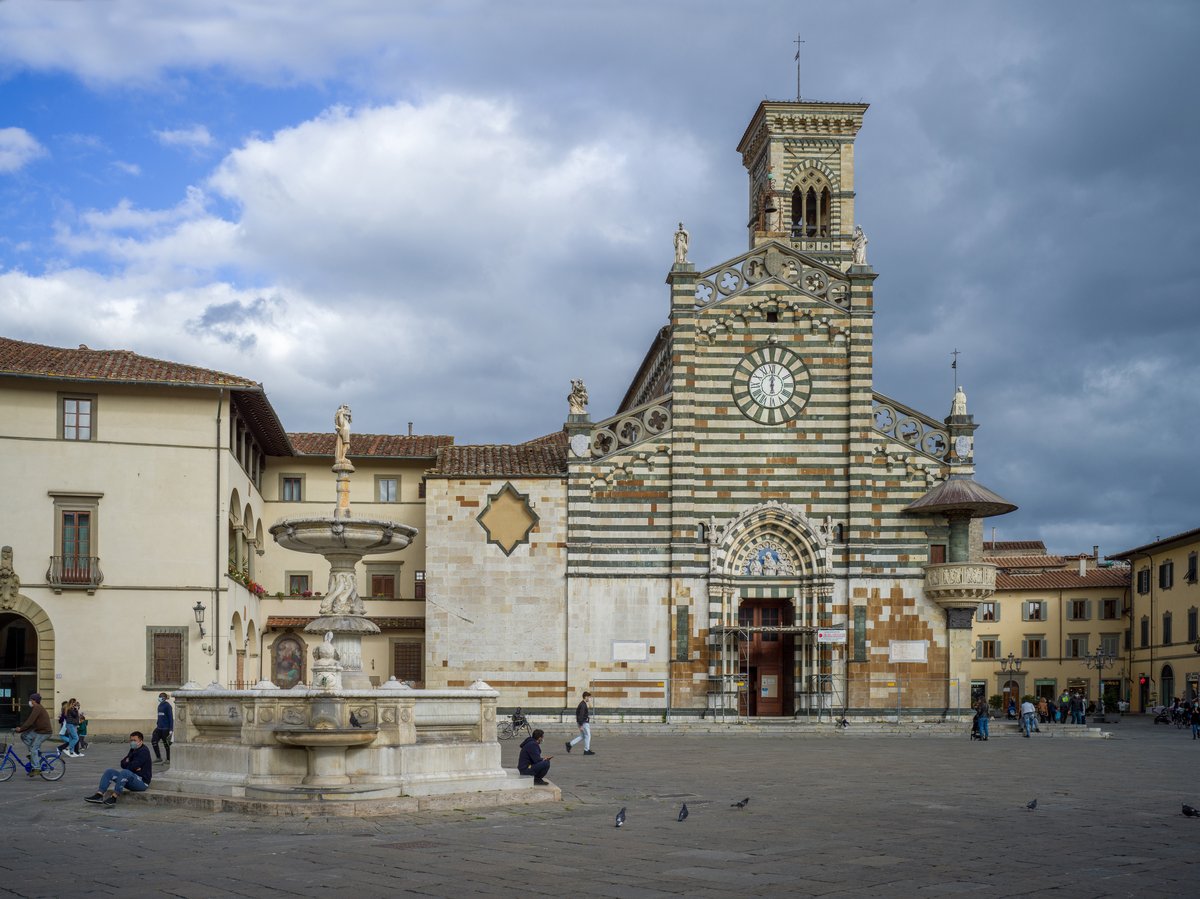 The Cathedral of Saint Stephen, also known as Prato Cathedral, is the city's main place of worship and an architectural gem that blends Romanesque and Gothic styles. The facade, crafted from the area's characteristic white and green marbles, stands out for its elegance and the external pulpit by Donatello and Michelozzo, a unique work once used to display the Sacred Girdle, the cathedral's most precious relic. Inside, the atmosphere is solemn: wide, luminous naves lead to Filippo Lippi's masterpiece, the frescoes in the Main Chapel depicting the stories of Saint Stephen and Saint John the Baptist. Don't miss the Chapel of the Sacred Girdle, where the Virgin Mary's girdle is kept, an object of centuries-old devotion. The visit also includes the Cathedral Museum, which houses artworks and artifacts related to the cathedral's history. Admission is free, but a ticket is required for the frescoes and museum. We recommend checking opening hours, especially during holidays, to witness the display of the Sacred Girdle, traditional events that attract both faithful and curious visitors.
Cathedral of Saint Stephen
Emperor's Castle
- Via San Giovanni, Prato (PO)
- Open in Google Maps
- View on Google Images
 The Emperor's Castle dominates Prato's historic center with its imposing structure of pietra albarese stone, a unique example of Swabian architecture in Tuscany. Built at the behest of Frederick II of Swabia in the 13th century, this fortress represents the northernmost of the Frederician castles and retains its medieval charm intact. Climbing its crenellated walls offers an exceptional view of Prato and the surrounding hills, perfect for memorable photo opportunities. Inside, the vast empty halls and powerful arches tell centuries of history, from its origins as an imperial residence to its subsequent uses as a prison and barracks. Today it is a vibrant cultural hub hosting temporary exhibitions and summer events, including concerts and performances in the courtyard. The location is strategic: just steps from the Cathedral of Santo Stefano and the Textile Museum, it allows visitors to combine their visit with other Prato gems. Access is convenient and well-signposted, with affordable tickets often including current exhibitions. I recommend climbing the tower to admire the 360-degree panorama, especially at sunset when the golden light envelops the city.
Emperor's Castle
Villa Medicea La Ferdinanda
- Go to the page: Villa Medicea La Ferdinanda: UNESCO Hunting Residence with Historic Cellars and Frescoes
- Via del Palazzone, Carmignano (PO)
- https://www.artimino.com/it/
- Open in Google Maps
- View on Google Images
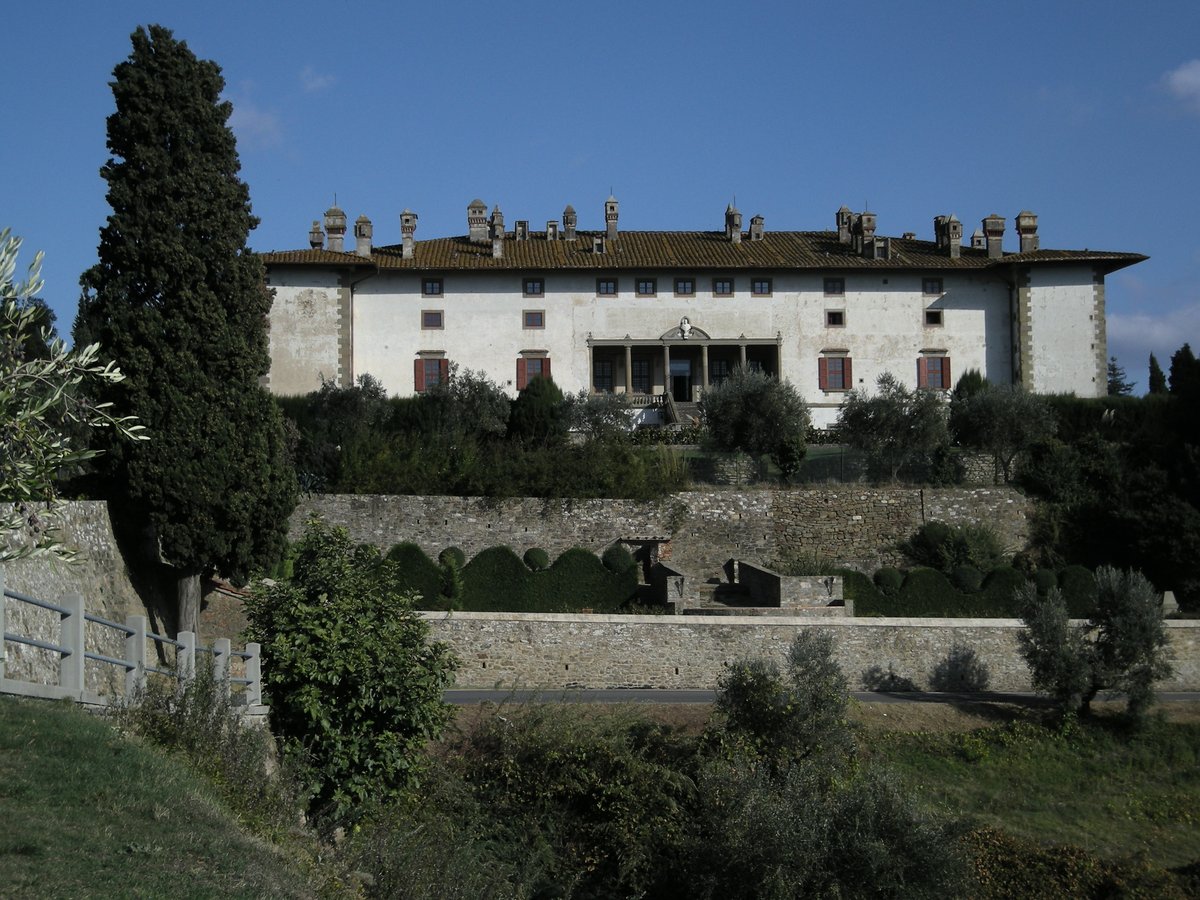 If you're looking for a place that combines history, art, and landscape, Villa Medicea La Ferdinanda is an unmissable stop. Built at the end of the 16th century at the behest of Ferdinando I de' Medici, this villa served as a hunting and leisure residence, strategically positioned on the hills of Carmignano. Its massive, square architecture, typical of Medici villas, hides interiors rich with frescoes and decorations. Today, in addition to being a UNESCO World Heritage Site since 2013, it houses the Archaeological Museum of Artimino, where you can admire Etruscan artifacts from the nearby necropolises of Montefortini and Prato Rosello. The panoramic view over the Val di Bisenzio and the surrounding vineyards is spectacular, especially at sunset. Don't miss the historic wine cellar, which tells the story of the area's winemaking tradition, with tastings of Carmignano DOCG, a robust red wine that has made this land famous. The villa is open year-round, but the best times to visit are spring and autumn, when the climate is mild and the colors of the Tuscan countryside are at their peak. Remember to book in advance for guided tours, which often include access to rooms normally closed to the public.
Villa Medicea La Ferdinanda
Villa Medicea di Poggio a Caiano
- Go to the page: Villa Medicea Poggio a Caiano: Pontormo's Frescoes and a UNESCO Renaissance Garden
- Via Cancellieri, Poggio a Caiano (PO)
- https://www.polomusealetoscana.beniculturali.it/index.php?it/187/poggio-a-caiano-po-villa-medicea-di-poggio-a-caiano-e-museo-della-natura-morta
- Open in Google Maps
- View on Google Images
- drm-tos.poggioacaiano@cultura.gov.it
- +39 055 877012
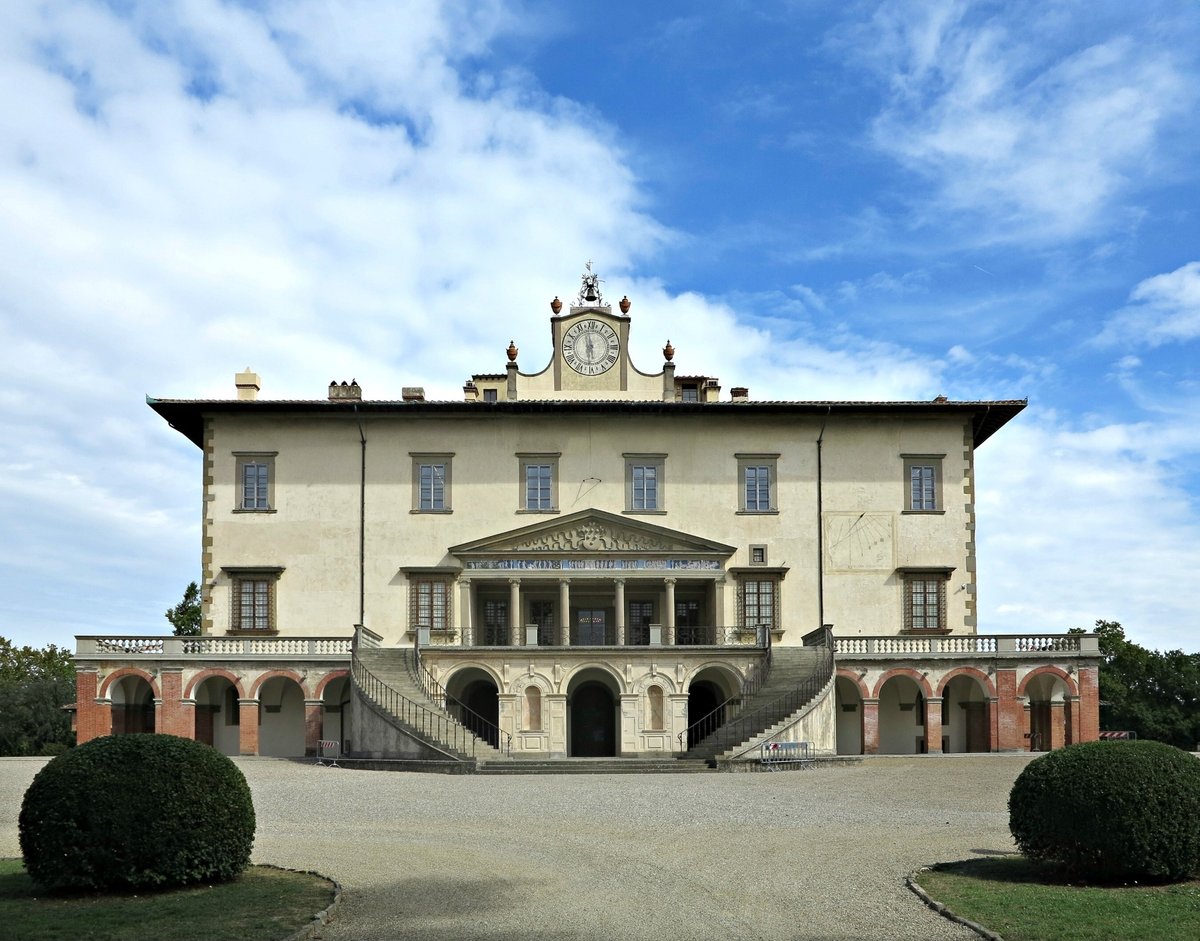 If you're looking for a place that combines history, art, and nature, Villa Medicea di Poggio a Caiano is an unmissable stop. Commissioned by Lorenzo the Magnificent and designed by Giuliano da Sangallo, this villa represents the first example of Renaissance architecture that blends classical elements with the needs of a country residence. The façade, with its Ionic portico and triangular pediment, welcomes you with timeless elegance. Inside, don't miss the frescoes by Pontormo and Andrea del Sarto, which decorate the rooms with mythological and allegorical scenes. The Sala di Leone X, in particular, with its pictorial cycle dedicated to Roman history, is a masterpiece to be admired at leisure. Surrounding the villa is a centuries-old park, perfect for a relaxing stroll among majestic trees and well-kept hedges. If you visit in spring or summer, you might catch cultural events or concerts in the garden. Remember that admission is paid and includes access to the Still Life Museum, located in the adjacent stables. For those traveling by car, parking is convenient and free nearby. A tip: check the opening hours on the official website, as they may vary by season.
Villa Medicea
Textile Museum
- Via Puccetti 3, Prato (PO)
- Open in Google Maps
- View on Google Images
 The Textile Museum in Prato is not just a museum, but a true journey into the heart of the city's identity. Located in the former Campolmi Wool Mill, a restored 19th-century industrial complex, the museum tells the story of how Prato became one of the world's textile capitals. The permanent collection ranges from medieval fabric fragments to contemporary textiles, with special attention to the wool production that made the city famous. Don't miss the section dedicated to Renaissance textiles, featuring velvets and damasks of rare beauty, and the area displaying historical machinery like looms and spinning frames that show the technological evolution of the industry. The museum frequently organizes temporary exhibitions exploring themes related to fashion and design, making every visit a unique experience. For those who truly want to understand Prato, a stop here is essential: it's located on Via Santa Chiara, just steps from the historic center, and admission is affordable. I recommend checking the opening hours on the official website, especially if visiting on weekends.
Textile Museum
Luigi Pecci Center for Contemporary Art
- Viale della Repubblica, Prato (PO)
- https://www.centropecci.it/
- Open in Google Maps
- View on Google Images
 The Luigi Pecci Center for Contemporary Art was the first modern art institution built in Italy after World War II, opening its doors in 1988. Located on Viale della Repubblica, the museum stands out for its futuristic architecture designed by Italo Gamberini, featuring a distinctive copper dome that dominates the urban skyline. The permanent collection includes over one thousand works by international artists such as Mario Merz, Jannis Kounellis, and Alighiero Boetti, with a particular focus on artistic trends from the 1960s to the present day. Temporary exhibitions are always current and innovative, ranging from immersive installations to live performances that directly engage visitors. The center also houses a specialized library with more than 50,000 volumes, a cinema for art screenings, and a café-restaurant with a terrace. The museum is particularly attentive to accessibility, offering tactile paths for the visually impaired and educational activities for schools and families. Its location is convenient, just a few minutes' walk from the train station, and admission is free on the first Sunday of every month. An experience that blends culture and experimentation, perfect for those looking for something different from the typical tourist itineraries.
Luigi Pecci Center for Contemporary Art
Montefortini Etruscan Tumulus
- Go to the page: Montefortini Etruscan Tumulus: Princely tomb with intact grave goods and views of Montalbano
- Via di Montefortini, Carmignano (PO)
- https://www.parcoarcheologicocarmignano.it/en/parco-archeologico/montefortini
- Open in Google Maps
- View on Google Images
 If you're passionate about archaeology, the Montefortini Etruscan Tumulus in Carmignano is an unmissable stop in the province of Prato. Dating back to the 7th century BC, this site is one of the most important Etruscan funerary complexes in Tuscany. Accidentally discovered during agricultural work in 1965, the tumulus rises majestically with a diameter of over 80 meters and a height of 11 meters, dominating the surrounding countryside. Inside, two chamber tombs preserve intact funeral goods, including bucchero vases, amber and ivory jewelry, and weapons that testify to the high rank of the deceased. The Montefortini Tomb, in particular, has yielded exceptional finds such as the famous Attic black-figure crater, now displayed at the Archaeological Museum of Artimino. The guided tour, led by experts, allows you to explore the burial chambers and understand Etruscan funeral rituals. The site is well signposted and accessible via a short walk through the olive groves. Remember to book your visit, as access is limited to preserve the structures. To complete the experience, combine this stop with the nearby Artimino Museum, where you can admire the recovered artifacts. A place that combines history, mystery, and landscape, ideal for a cultural trip off the beaten path.
Montefortini Etruscan Tumulus
Basilica of Santa Maria delle Carceri
- Piazza Santa Maria delle Carceri, Prato (PO)
- Open in Google Maps
- View on Google Images
 The Basilica of Santa Maria delle Carceri is one of Prato's most iconic landmarks, a masterpiece of Tuscan Renaissance architecture that will leave you breathless. Designed by Giuliano da Sangallo in the late 15th century, it stands on the site of an ancient prison, from which it takes its name. Its Greek cross floor plan is an example of architectural perfection, with a dome that dominates the city skyline. Inside, prepare to be enchanted by frescoes from the school of Filippino Lippi and the famous fresco of the Madonna and Child, considered miraculous and a destination for pilgrimages. The light filtering through the alabaster windows creates a unique atmosphere, enhancing the beauty of the polychrome marbles and the glazed terracotta decorations by Andrea della Robbia. The basilica is also a place of great devotion: every year, during the Feast of the Madonna delle Carceri (September 8th), a solemn procession takes place involving the entire community. If you visit Prato, don't miss this jewel: admission is free and it's located just steps from the historic center, easily reachable on foot. Remember to check the opening hours, especially if you want to attend religious celebrations.
Basilica of Santa Maria delle Carceri
Artimino Francesco Nicosia Archaeological Museum
- Piazza San Carlo 3, Carmignano (PO)
- https://www.parcoarcheologicocarmignano.it/
- Open in Google Maps
- View on Google Images
 If you're passionate about ancient history, the Artimino Francesco Nicosia Archaeological Museum is an unmissable stop in the province of Prato. Located in the village of Artimino, in Carmignano, this museum takes you straight to the heart of Etruscan civilization with extraordinary artifacts from local necropolises. The permanent collection is housed in the ancient cellars of the Medici Villa La Ferdinanda, creating a unique atmosphere where history and architecture merge. Here you can admire the funeral objects from the Tomb of the Warriors of Comeana and the Montefortini Tumulus, with bronze items, painted ceramics, and jewelry that tell the story of the daily life of the Etruscan elite. Particularly evocative are the artifacts related to funeral rites, such as cinerary urns and offering vessels, which help you understand how advanced this civilization was. The museum is organized into thematic sections that guide visitors through different aspects of Etruscan culture: from craftsmanship to trade, from religious beliefs to social organization. Don't miss the reconstruction of a chamber tomb, which gives you the impression of actually entering an ancient burial site. The modern and well-maintained exhibition makes the visit accessible to everyone, with clear explanatory panels and a logical layout. The museum is part of the Carmignano Archaeological Park, so after your visit you can explore the original sites where these treasures were found. The entrance ticket is affordable and often includes access to other local attractions. If you visit on weekends, check if there are themed guided tours or workshops for children, which make the experience even more engaging. The museum is open year-round, but the best time to visit is from spring to autumn, when you can combine your visit with a walk through the surrounding vineyards.
Artimino "Francesco Nicosia" Archaeological Museum
Rocca di Montemurlo
- Via della Rocca, Montemurlo (PO)
- Open in Google Maps
- View on Google Images
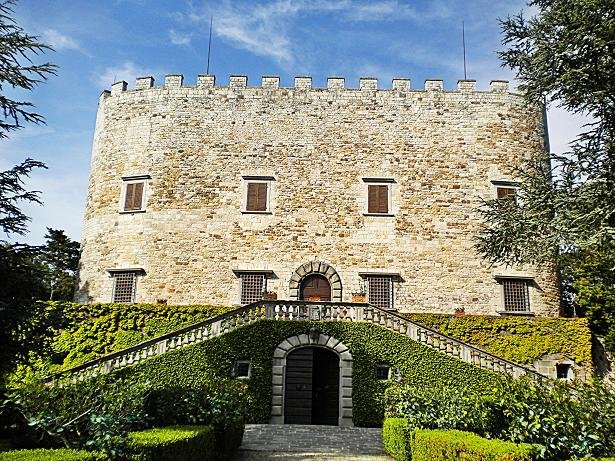 The Rocca di Montemurlo dominates the town from the top of a hill, offering a breathtaking view over the Val di Bisenzio and the surrounding hills. This medieval fortress, dating back to the 12th century, was at the center of crucial battles between Florence and Pistoia for control of the territory. Today, what remains are the imposing stone walls and the tower, perfectly integrated into a public park that invites relaxing walks. Climbing up to the fortress is an experience that combines history and nature: the well-maintained path winds through olive trees and cypresses, offering picturesque glimpses at every turn. Once at the top, the view stretches all the way to the Tuscan-Emilian Apennines, with Prato spreading out in the distance. The site is free and always accessible, ideal for a picnic or for taking memorable photos. Informative panels recount the events of the fortress, from its construction to the famous battle of 1537, when the Medici troops defeated the republican exiles. For history lovers, it's a dive into the past; for nature enthusiasts, a corner of tranquility just steps from the city. I recommend visiting at sunset, when the warm light enhances the colors of the stone and the landscape.
Rocca di Montemurlo
San Salvatore Abbey in Vaiano
- Piazza Agnolo Firenzuola, Vaiano (PO)
- Open in Google Maps
- View on Google Images
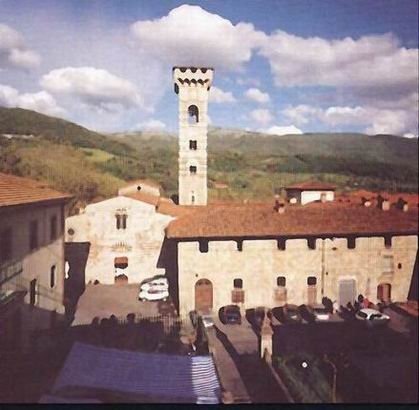 The San Salvatore Abbey is one of those places that strikes you with its atmosphere of peace and history. Founded in the 12th century by Benedictine monks, this abbey is located in Vaiano, along the course of the Bisenzio River, and is a perfect example of Tuscan Romanesque architecture. The church, with its stone facade and slender bell tower, still preserves traces of the original frescoes, while the inner cloister offers a corner of tranquility ideal for a restorative break. Inside, the raised presbytery and the crypt stand out, testifying to the religious importance of the site in the Middle Ages. Today, the Abbey is a landmark for the local community and occasionally hosts cultural events and concerts. Its location, just steps from the center of Vaiano, makes it easily accessible and perfect for a visit even of just a few hours. Don't miss the details of the carved capitals and the view of the surrounding greenery, which offers photogenic glimpses in every season. A tip: check the opening hours, as access is sometimes limited to special events.
San Salvatore Abbey
Rocca di Cerbaia
- Via Bologna, Carmignanello (PO)
- Open in Google Maps
- View on Google Images
 The Rocca di Cerbaia is an imposing medieval fortress perched on a rocky spur in Carmignanello, strategically dominating the Bisenzio River valley. Built in the 12th century by the Alberti counts, this stronghold played a crucial role for centuries in controlling the communication routes between Florence and Bologna. Today it stands as a fascinating ruin that retains its historical charm intact, with the perimeter walls still clearly visible and the main tower offering breathtaking panoramic views over the Prato countryside. The unique feature of this site is its isolated and evocative location, reachable via a trail that winds through oak and chestnut woods. During the ascent, visitors can admire the remains of ancient defensive structures and imagine the life that unfolded within these walls when the fortress was an active military outpost. The atmosphere here is authentic and timeless, far from mass tourism. A visit to Rocca di Cerbaia offers moments of pure contemplation, especially at sunset when the ancient stones are bathed in warm colors. Despite its ruined state, the structure maintains a powerful presence that tells centuries of Tuscan history, from the struggles between Guelphs and Ghibellines to the transformations of the territory. A perfect place for those seeking an experience off the beaten path.
Rocca di Cerbaia
Palazzo Pretorio Museum
- Piazza del Comune, Prato (PO)
- https://www.palazzopretorio.prato.it/en/
- Open in Google Maps
- View on Google Images
 The Palazzo Pretorio Museum is a jewel in Prato's historic center, housed in a medieval building that once served as the city's government seat. Here you'll find an art collection spanning from the Middle Ages to the 18th century, with works by masters such as Filippo Lippi, Giovanni da Milano, and Bernardo Daddi. Don't miss Lippi's Madonna del Ceppo, a Renaissance masterpiece connected to local history. The museum is organized across multiple floors, with thematic rooms that narrate Prato's artistic and social evolution. On the ground floor, admire sculptures and archaeological finds, while the upper floors await you with impactful panel paintings and canvases. The visit is a journey through time: from communal origins to Florentine influences, everything is told through authentic, well-contextualized works. I recommend dedicating at least an hour to explore the rooms at a leisurely pace, perhaps taking advantage of the available audio guides. The palace itself is worth seeing: its severe architecture and biforate windows transport you to an era of power and art. Ideal for those who love history without frills, it offers an essential overview of Prato and its cultural identity.
Palazzo Pretorio Museum
Donatello's Pulpit
- Piazza del Duomo, Prato (PO)
- Open in Google Maps
- View on Google Images
 The Donatello's Pulpit is one of the most precious treasures housed in the Cathedral of Santo Stefano in Prato. Created between 1428 and 1438 by the great Renaissance master, this external pulpit is renowned for its bracket-like form and the seven dancing putti that adorn the support, considered among Donatello's most expressive works. Located at the corner of the cathedral's main facade, the pulpit was commissioned to publicly display the Sacred Girdle, the most venerated Marian relic in Prato. The structure, made of white and Prato green marble, features a later-added Gothic baldachin that protects the precious artifact. The putti, carved with extraordinary liveliness, appear to move in a joyful dance, showcasing Donatello's mastery in rendering lightness and movement through marble. Today, the original pulpit is preserved inside the Museo dell'Opera del Duomo, while a faithful replica is visible on the cathedral's exterior. Visiting the pulpit allows for a close-up view of the sculptural details and an understanding of this work's importance in the context of Tuscan Renaissance art. Access to the pulpit's terrace requires booking a guided tour, which also includes entry to the museum where the original is kept.
Donatello's Pulpit
Deportation Museum
- Go to the page: Prato Deportation Museum: Original Audio Testimonies and Reconstructed Cattle Car
- Via di Cantagallo, Prato (PO)
- http://www.museodelladeportazione.it
- Open in Google Maps
- View on Google Images
 The Deportation Museum in Prato is not a traditional museum, but a living and moving place of remembrance. Located on Via di Cantagallo, it occupies the spaces of a former elementary school that during World War II was used as a gathering camp for deportees. This direct connection with the history it recounts makes the visit particularly intense. The exhibition path unfolds through original documents, period photographs, and firsthand testimonies that reconstruct the stories of the people from Prato deported to Nazi concentration camps. Multimedia installations and environmental reconstructions guide you on an emotional journey through this dark chapter of history. Particularly significant is the section dedicated to local memory, with names and stories of the citizens of Prato who suffered deportation. The museum regularly organizes meetings with witnesses and scholars, keeping alive the reflection on themes such as human rights and peace. Admission is free, but booking is recommended for groups. The atmosphere you breathe is one of deep contemplation, ideal for those seeking not only historical information but also a moment of personal reflection.
Deportation Museum