The Talamone Lighthouse has dominated its namesake promontory for over 150 years. With its 18-meter white tower, it is a landmark for sailors and an evocative destination for visitors. In this guide, you’ll find everything you need for a trip: history, technical features, and practical tips. – Panoramic view of the Tyrrhenian Sea, visible up to 15 nautical miles. – Historic white masonry structure with a quadrangular tower and gray lantern. – Free access to the lighthouse surroundings, with walks along the walls. – Close to the village of Talamone, rich in history and cuisine.
Introduction
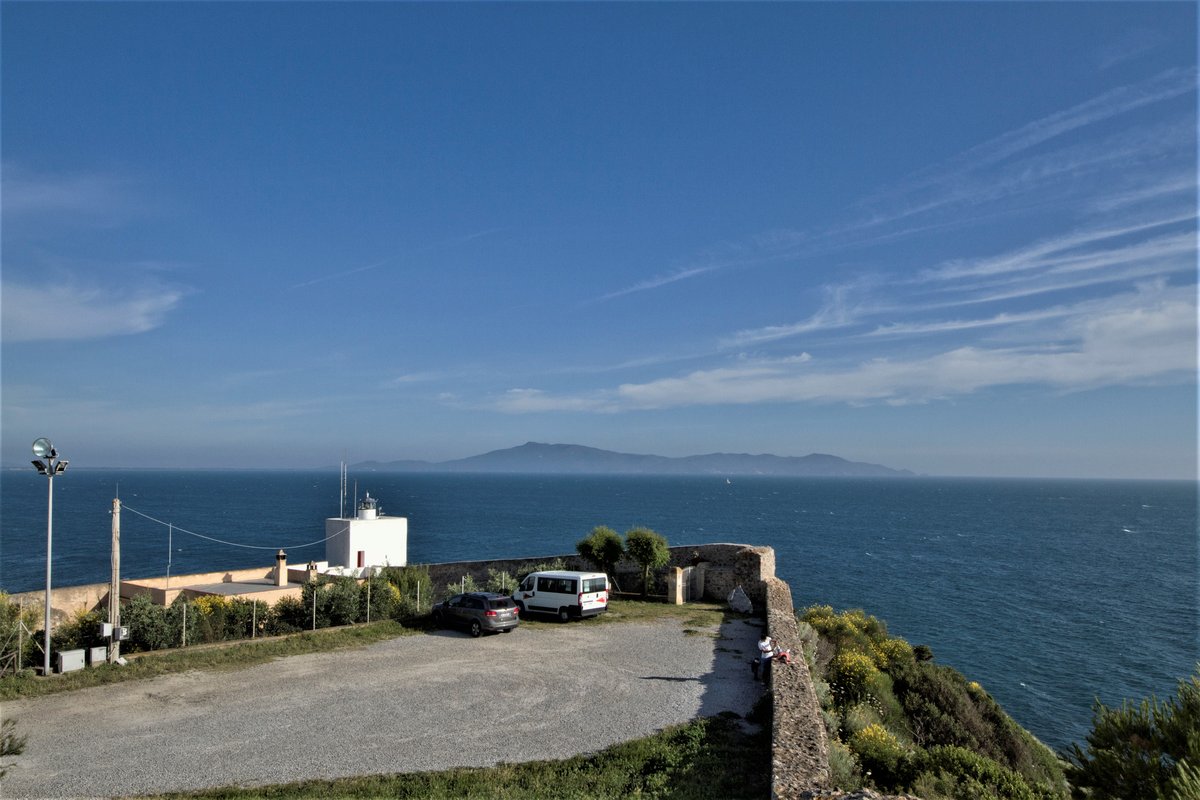
Perched on the promontory of Talamone, the lighthouse stands against the blue of the Tyrrhenian Sea like a silent sentinel. With its white tower 18 meters high and a view that stretches for 15 nautical miles, it is one of those places where time seems to stand still. Arriving here means breathing in sea air and history, with the scent of Mediterranean scrub mingling with the salt spray. A place that feels authentic, far from the chaos, perfect for those seeking a corner of Maremma to discover at a leisurely pace.
Introduction
Perched on the promontory of Talamone, the lighthouse stands against the blue of the Tyrrhenian Sea like a silent sentinel. With its white tower 18 meters high and a view that stretches for 15 nautical miles, it is one of those places where time seems to stand still. Arriving here means breathing in sea air and history, with the scent of Mediterranean scrub mingling with the salt spray. A place that feels authentic, far from the chaos, perfect for those seeking a corner of Maremma to discover at a leisurely pace.
Historical Notes
The lighthouse was built in
1865 by the Royal Navy to illuminate the southern coast of the Uccellina Mountains. After war damage, it was
renovated in 1947 and later automated. The structure leans against the southern bastion of the ancient walls of Talamone, blending medieval past with maritime technology. Today it is a cultural asset protected by the Superintendence.
- 1865: Construction and activation of the lighthouse.
- 1947: Post-war renovation.
- 20th century: Automation and transition to state management.
Historical Notes
The lighthouse was built in
1865 by the Royal Navy to illuminate the southern coast of the Uccellina Mountains. After war damage, it was
renovated in 1947 and later automated. The structure leans against the southern bastion of the ancient walls of Talamone, blending medieval past with maritime technology. Today it is a cultural asset protected by the Superintendence.
- 1865: Construction and activation of the lighthouse.
- 1947: Post-war renovation.
- 20th century: Automation and transition to state management.
Architecture and Technical Features
The square-section tower is made of white masonry with an internal gallery, topped by a circular grey metal lantern. The adjacent building once housed the keepers’ quarters. The fixed optic is powered by a 1000 W halogen lamp emitting two white flashes every 5 seconds. In case of failure, a backup 100 W LABI lamp ensures visibility up to 11 miles. The lighthouse stands 30 meters above sea level, offering a breathtaking panorama from Monte Argentario to Giglio Island.
Architecture and Technical Features
The square-section tower is made of white masonry with an internal gallery, topped by a circular grey metal lantern. The adjacent building once housed the keepers’ quarters. The fixed optic is powered by a 1000 W halogen lamp emitting two white flashes every 5 seconds. In case of failure, a backup 100 W LABI lamp ensures visibility up to 11 miles. The lighthouse stands 30 meters above sea level, offering a breathtaking panorama from Monte Argentario to Giglio Island.
Views of the Tyrrhenian Sea and Beyond
As you climb up to the lighthouse – or rather, look out from its base – your gaze sweeps freely over the Tyrrhenian Sea. On clear days, you can see the silhouettes of Monte Argentario, the island of Giglio, and even Corsica. Sunset here is an experience: the sun paints the white tower orange and the sea lights up with golden reflections. Around you, the ancient walls of Talamone and the narrow streets of the village tell tales of pirates and fishermen. A place worth stopping to breathe the true essence of the Maremma coast.
Views of the Tyrrhenian Sea and Beyond
As you climb up to the lighthouse – or rather, look out from its base – your gaze sweeps freely over the Tyrrhenian Sea. On clear days, you can see the silhouettes of Monte Argentario, the island of Giglio, and even Corsica. Sunset here is an experience: the sun paints the white tower orange and the sea lights up with golden reflections. Around you, the ancient walls of Talamone and the narrow streets of the village tell tales of pirates and fishermen. A place worth stopping to breathe the true essence of the Maremma coast.
Why Visit It
1. Photography and Views: The contrast between the white tower, blue sea, and green scrub offers unique shots, especially at dawn or sunset.
2. Living History: Walking beside the lighthouse means experiencing two centuries of navigation firsthand and a medieval past that emerges from the adjacent walls.
3. Relaxing Walk: Talamone’s seafront, with its sea scents and colorful houses, makes the visit pleasant even for those who are not enthusiasts of lighthouses.
Why Visit It
1. Photography and Views: The contrast between the white tower, blue sea, and green scrub offers unique shots, especially at dawn or sunset.
2. Living History: Walking beside the lighthouse means experiencing two centuries of navigation firsthand and a medieval past that emerges from the adjacent walls.
3. Relaxing Walk: Talamone’s seafront, with its sea scents and colorful houses, makes the visit pleasant even for those who are not enthusiasts of lighthouses.
When to Go
The best time is late afternoon, when the warm sunset light paints the tower and the sea. In spring or autumn, you avoid the crowds and summer heat, and the days are often clear. If you love solitude, choose a weekday: the lighthouse is almost deserted and you can enjoy the view in peace. In winter, with the rough sea, the atmosphere is wilder but fascinating.
When to Go
The best time is late afternoon, when the warm sunset light paints the tower and the sea. In spring or autumn, you avoid the crowds and summer heat, and the days are often clear. If you love solitude, choose a weekday: the lighthouse is almost deserted and you can enjoy the view in peace. In winter, with the rough sea, the atmosphere is wilder but fascinating.
Nearby
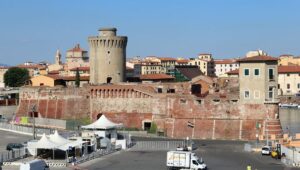
Just a stone’s throw away, the village of Talamone is worth a visit: its walls, fortress, and the Church of Santa Maria Assunta tell centuries of history. A little further, the Orbetello Lagoon is a paradise for birdwatchers, with flamingos and herons. If you feel like the sea, the beaches of Feniglia or Giannarella are easily accessible. Two perfect stops to complete a day in the heart of Maremma’s beauty.
Nearby
Just a stone’s throw away, the village of Talamone is worth a visit: its walls, fortress, and the Church of Santa Maria Assunta tell centuries of history. A little further, the Orbetello Lagoon is a paradise for birdwatchers, with flamingos and herons. If you feel like the sea, the beaches of Feniglia or Giannarella are easily accessible. Two perfect stops to complete a day in the heart of Maremma’s beauty.