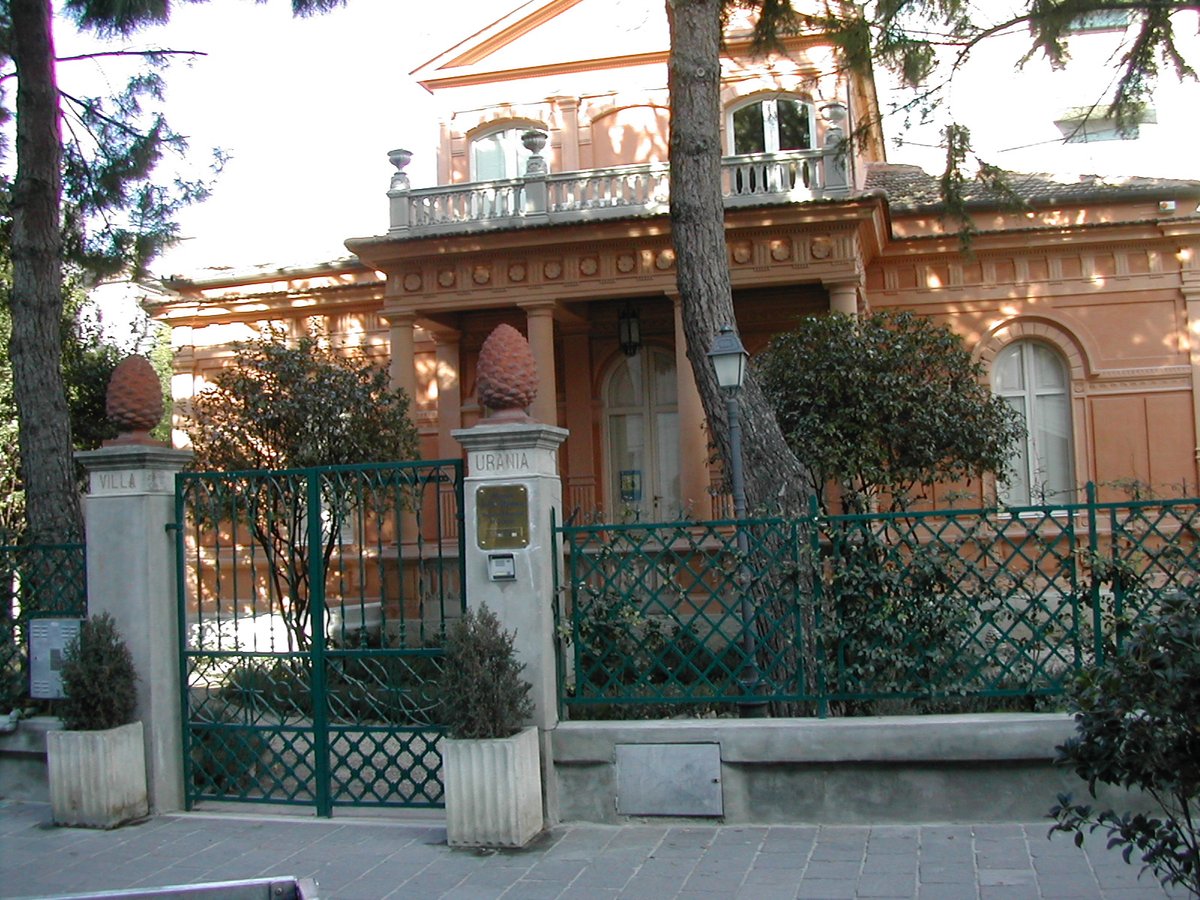
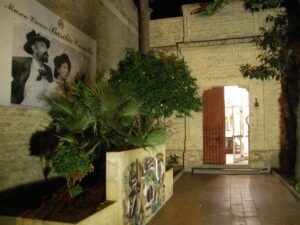
Villa Urania is a Liberty-style villa from 1896 located in the center of Pescara. Today it houses the Museo Paparella Treccia Devlet, which holds one of the richest collections of ancient Castelli majolica from Abruzzo. With over 150 pieces from the 16th to 19th centuries, the museum offers a journey through the evolution of Abruzzese ceramics, featuring works by masters such as Francesco Grue, Carl’Antonio Grue, and Gesualdo Fuina.
– Over 150 Castelli majolica pieces displayed chronologically
– Baroque masterpieces like the pair of vases from Schönbrunn
– Thematic tours and educational activities for children
– In the heart of Pescara, easily reachable on foot from the center
Introduction
Stepping into Villa Urania is like taking a dive into the past. This elegant Liberty-style villa, hidden away amid Pescara’s traffic, holds a treasure: over 150 Castelli maiolicas, works of art that have traveled through European courts. Never seen anything like it? Get ready to be amazed by bright colors and details that seem alive. A journey into Abruzzese ceramics you won’t forget.
Introduction
Stepping into Villa Urania is like taking a dive into the past. This elegant Liberty-style villa, hidden away amid Pescara’s traffic, holds a treasure: over 150 Castelli maiolicas, works of art that have traveled through European courts. Never seen anything like it? Get ready to be amazed by bright colors and details that seem alive. A journey into Abruzzese ceramics you won’t forget.
Historical Notes
Villa Urania was built in
1896 by Baron Giandomenico Treccia as a gift to his wife Urania, designed by engineer Francesco Selecchy. It stood along Viale dei Pini (now Viale Regina Margherita), in an area then part of Castellammare, experiencing a tourism boom thanks to the railway in 1863. Over the years, the villa passed to Professor Raffaele Paparella Treccia, who donated it in 1997 to the foundation named after him, together with his precious maiolica collection. Today the museum is managed jointly with the City of Pescara.
- 1863: Arrival of the Adriatic railway, tourism boom
- 1896: Construction of Villa Urania
- 1997: Donation to the Fondazione Paparella Treccia Devlet
- Today: Museum open to the public
Historical Notes
Villa Urania was built in
1896 by Baron Giandomenico Treccia as a gift to his wife Urania, designed by engineer Francesco Selecchy. It stood along Viale dei Pini (now Viale Regina Margherita), in an area then part of Castellammare, experiencing a tourism boom thanks to the railway in 1863. Over the years, the villa passed to Professor Raffaele Paparella Treccia, who donated it in 1997 to the foundation named after him, together with his precious maiolica collection. Today the museum is managed jointly with the City of Pescara.
- 1863: Arrival of the Adriatic railway, tourism boom
- 1896: Construction of Villa Urania
- 1997: Donation to the Fondazione Paparella Treccia Devlet
- Today: Museum open to the public
The Baroque Credenza: 19 Gold Plates
The museum’s highlight? Undoubtedly the Baroque credenza, an incredible series of 19 istoriato plates from the workshop of Francesco Grue, second half of the 17th century. They are decorated with coats of arms, mythological scenes, and gold highlights. Such a complete set is unique worldwide. Among them, three plates are signed and one bears the oldest coat of arms of the Grue dynasty. Looking at them, you understand why Castelli maiolica was coveted by popes and emperors. The scenic display shows them all together, like a table set for nobility.
The Baroque Credenza: 19 Gold Plates
The museum’s highlight? Undoubtedly the Baroque credenza, an incredible series of 19 istoriato plates from the workshop of Francesco Grue, second half of the 17th century. They are decorated with coats of arms, mythological scenes, and gold highlights. Such a complete set is unique worldwide. Among them, three plates are signed and one bears the oldest coat of arms of the Grue dynasty. Looking at them, you understand why Castelli maiolica was coveted by popes and emperors. The scenic display shows them all together, like a table set for nobility.
From Schönbrunn to Pescara: The Vases of Carl’Antonio Grue
The two giant historiated vases by Carl’Antonio Grue are not just masterpieces: they have a story worthy of a film. They were in Schönbrunn Palace in Vienna, property of Emperor Leopold I of Habsburg (1640–1705). Then they passed to the Savoy family and ended up in Stupinigi. Today they are here, at Villa Urania, watching you with biblical scenes so detailed they seem like paintings. The technique is similar to oil painting, with vivid colors and perfect perspective. They are probably the most valuable pieces in the museum, testament to the international success of Abruzzese ceramics.
From Schönbrunn to Pescara: The Vases of Carl’Antonio Grue
The two giant historiated vases by Carl’Antonio Grue are not just masterpieces: they have a story worthy of a film. They were in Schönbrunn Palace in Vienna, property of Emperor Leopold I of Habsburg (1640–1705). Then they passed to the Savoy family and ended up in Stupinigi. Today they are here, at Villa Urania, watching you with biblical scenes so detailed they seem like paintings. The technique is similar to oil painting, with vivid colors and perfect perspective. They are probably the most valuable pieces in the museum, testament to the international success of Abruzzese ceramics.
Why Visit
If you love art, Villa Urania offers a collection unmatched in Abruzzo. In a single afternoon, you can admire the evolution of majolica from the 16th to the 19th century, with works by Grue, Fuina, Gentili, and De Martinis. It’s also a chance to understand how a small village, Castelli, conquered European courts. Moreover, the villa itself is a Liberty gem, with its red facade and colonnaded portico. Tip: take time to read the captions—they reveal incredible anecdotes.
Why Visit
If you love art, Villa Urania offers a collection unmatched in Abruzzo. In a single afternoon, you can admire the evolution of majolica from the 16th to the 19th century, with works by Grue, Fuina, Gentili, and De Martinis. It’s also a chance to understand how a small village, Castelli, conquered European courts. Moreover, the villa itself is a Liberty gem, with its red facade and colonnaded portico. Tip: take time to read the captions—they reveal incredible anecdotes.
When to Go
The best time? Mid-afternoon, around 4 PM, when the light streams through the windows and makes the golden reflections of the maiolica tiles shine. If possible, choose a weekday: the museum is small and can be more crowded on weekends. Spring and fall are ideal, with mild temperatures for a stroll in the city center afterward. In summer, check the evening hours—they sometimes have special openings. Either way, before you go, take a look at the website: hours change frequently.
When to Go
The best time? Mid-afternoon, around 4 PM, when the light streams through the windows and makes the golden reflections of the maiolica tiles shine. If possible, choose a weekday: the museum is small and can be more crowded on weekends. Spring and fall are ideal, with mild temperatures for a stroll in the city center afterward. In summer, check the evening hours—they sometimes have special openings. Either way, before you go, take a look at the website: hours change frequently.
Nearby
If after the visit you still want art, the Museo delle Genti d’Abruzzo is just a few steps away and will introduce you to the regional culture. For a walk, head to the Pescara seafront, with its pine grove and the characteristic Ponte del Mare. If instead you want to delve into the history of maiolica, I recommend a trip to Castelli, the village on the Gran Sasso plateau where these works were born: there you’ll find the Museo della Ceramica and artisan workshops still active.
Nearby
If after the visit you still want art, the Museo delle Genti d’Abruzzo is just a few steps away and will introduce you to the regional culture. For a walk, head to the Pescara seafront, with its pine grove and the characteristic Ponte del Mare. If instead you want to delve into the history of maiolica, I recommend a trip to Castelli, the village on the Gran Sasso plateau where these works were born: there you’ll find the Museo della Ceramica and artisan workshops still active.