Castelbosco and the Museum of Manure in Gragnano Trebbiense

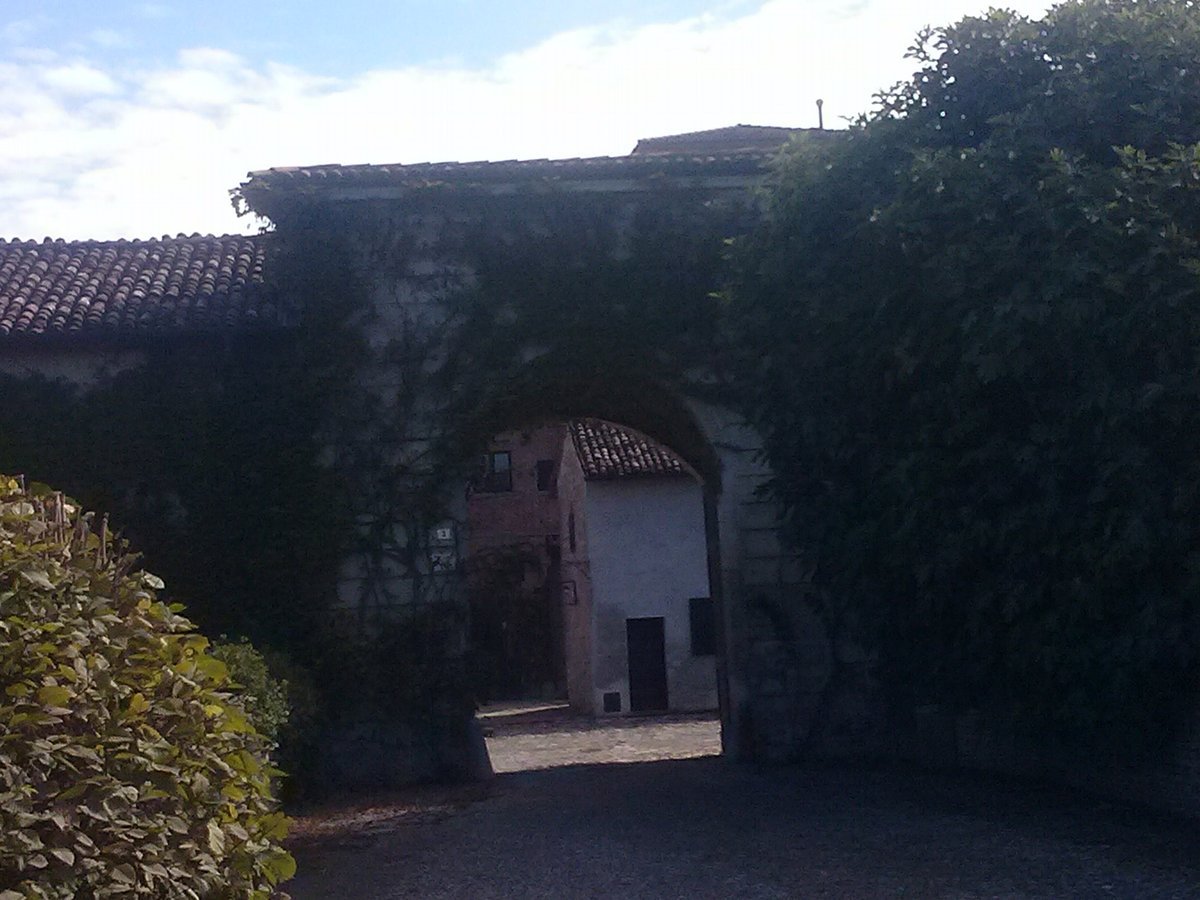
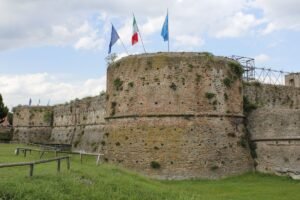
Castelbosco is a hamlet of Gragnano Trebbiense, 12 km from Piacenza, where a 13th-century castle stands with battlements, two towers and traces of the drawbridge. Since 2015 it has housed the Museum of Manure, a unique museum conceived by Gianantonio Locatelli, which can only be visited by appointment. The estate is also a farm with around 1,500 dairy cows and biodigesters that power the site.
13th-century castle with battlements, towers and drawbridge
Museum of Manure since 2015, by reservation
Merdacotta: design objects made from cooked manure and clay
Farm with 1,500 cows and biodigesters


Events nearby

Copertina itinerario Castelbosco and the Museum of Manure in Gragnano Trebbiense
Castelbosco, a hamlet of Gragnano Trebbiense 12 km from Piacenza, is home to a 13th-century castle with battlements, towers and a drawbridge, and to the Museum of Manure, open by appointment since 2015.

Good to know


Castelbosco, an Unexpected Castle

Castelbosco isn’t your typical castle in the Piacenza area. It’s a hamlet of Gragnano Trebbiense, about a dozen kilometers from Piacenza, where a 13th-century manor with battlements, towers, and traces of a drawbridge hides something you wouldn’t expect: a farm with around 1,500 dairy cows and, since 2015, the Museum of Manure. I admit the combination left me puzzled, but then I got it. Here, defensive architecture and the most down-to-earth ecology coexist without any scandal, among rural courtyards and biodigesters turned into works of art. Don’t expect a dusty museum: Castelbosco is alive, smells of barn and history, and that’s exactly why it stays with you. You can admire it from the outside and visit it by appointment.

A Brief History

The origins of Castelbosco are lost in the Middle Ages. Its construction dates back to the 13th century, probably at the hands of the Scotti family, who ruled this plain. The castle only enters the chronicles in 1314, in a skirmish between Nobles and Commoners, and in the 14th century Guelph attacks destroyed it. In October 1482 Antonio Maria Scotti obtained the ducal license to rebuild it; in 1546 Pier Luigi Farnese elevated the lordship to a marquisate for Marc’Antonio Scotti. In 1636 Spanish troops damaged it, and in 1737 the painter Giovanni Battista Tagliasacchi died there. The Scotti held possession until 1818, after which it passed to the Galli, the Nasalli Rocca, the Chiapponi and finally the Locatelli, who introduced cattle breeding and in 2015 founded the museum.

  • 13th century: construction, perhaps by the Scotti
  • 1314: first mention in the chronicles
  • 1482: rebuilding at the request of Antonio Maria Scotti
  • 1546: the fief becomes a marquisate
  • 1636: damage by Spanish troops
  • 1818: end of Scotti rule
  • 2015: the Museum of Manure is founded

The Museum of Poop

The Museum of Poop is Castelbosco’s surprise. Opened in 2015 and conceived by Gianantonio Locatelli, it occupies ten rooms on the first floor of the castle and tells a story of ecology and innovation without mincing words. Inside you’ll find paintings, objects, videos, and installations related to dung: there’s a dung beetle display and even a giant coprolite. There are also historical accounts of the use of poop from ancient Egypt to modern scientific research. Works by David Tremlett and Anne and Patrick Poirier give the route the feel of a contemporary art gallery. For sale are vases, cups, and plates made from merdacotta, a mixture of cooked manure and clay. Entry is by appointment only.

A castle with battlements, towers and a drawbridge

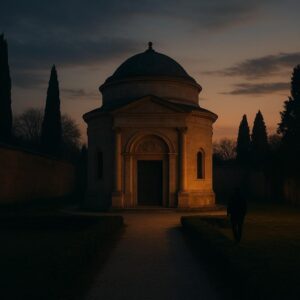
The castle has a rectangular layout and modest proportions, more like a fortified house than a stronghold. It preserves battlements and traces of a drawbridge with a pseudo-ravelin, a sign of its defensive past. Of the original towers, two remain: one raised and remodelled several times, the other lowered to the height of the curtain walls and covered by a single-pitch roof. The main entrance opens onto the garden, and from here a grand staircase leads up to the principal floor, where an inner courtyard lights the rooms that surround it. Over time, rural buildings linked to farming activity have grown up around it. The Oratory of Castelbosco, from the 18th century, privately owned, with a single nave and rectangular plan, is also worth a detour.

The farm that produces milk, energy and art

Today Castelbosco is above all a farm run by Gianantonio and Tina Locatelli. Numbers that make your head spin: around 1,500 dairy cows, 50,000 kg of milk a day supplied to the Grana Padano supply chain, and a full 150,000 kg of manure. From this sea of matter, the whole project was born. Since 2007, the farm has been powered by energy produced on site through biodigesters, and the excess electricity is sold. The biodigesters themselves have become works of art thanks to David Tremlett, who helped give the company international visibility. The visit thus takes place in a home that is still lived in, and this makes the experience tangible: not an abstract museum, but a real farm that has chosen to tell its story.

Why Visit It

Three good reasons to choose Castelbosco. First: it is unique in Italy; there is no other 13th-century castle housing a museum dedicated to manure, with works by international artists. Second: it is a concrete example of the circular economy, where 1,500 cows produce milk, energy and even design, without hiding the less glamorous side of the supply chain. Third: it is an authentic castle from the Piacenza area, with battlements, towers and a drawbridge, which you can admire in person and which tells how the countryside has reused its historic buildings. I’ll add a practical note: entry is only with a guided tour by appointment, so no turning up on a whim. But it is precisely this selectivity that keeps groups together and lets you really listen to the story.

When to go

There’s no wrong season, but the experience changes a lot. I recommend a shoulder-season day, when the countryside around is green but it isn’t hot yet, or an autumn day with low light that brings out the battlements and the brickwork. Morning is better, when the farm is active and there’s movement around the barns: it conveys the idea of a living place, not a film set. Avoid the height of summer at midday, with the unforgiving humidity of the Po Valley. Remember that visits are by appointment, so you decide the timing together with the owners. The climate zone is E, with cold winters: in that season dress warmly, because the air nips in the outdoor courtyards.

In the Surroundings

Castelbosco lies in an area rich in minor fortifications. Within the municipality of Gragnano Trebbiense are Campremoldo di Sopra and Campremoldo di Sotto, with their historic buildings, while the surrounding area has other manors such as Castelvecchio and Castelmantova: a small defensive system best read in sequence. A fourth settlement, Castellaro, has disappeared and survives only in the place name. To round off the trip, you can head towards Piacenza, the provincial capital, with its historic centre. The advice is not to treat these places as isolated stops: the Piacenza plain is dotted with castles, and seeing them one after another helps you understand how power was organised across the territory.

Itineraries nearby


💡 Did You Know…?

The Museum of Manure won first prize for design at Milan Design Week 2016 thanks to merdacotta, a mix of cooked manure and clay. Inside are a giant coprolite and a display for the dung beetle; the biodigesters have been turned into artworks by David Tremlett. The motto is ‘substance over form’.